How to Clean Hardwood Floors: Simple Steps for Long-Lasting Shine
Learning how to clean hardwood floors the right way isn't about fancy tools or complicated routines. It's about understanding what the wood needs and what it doesn't.
Hardwood floors have a way of making a home feel grounded and finished at the same time. They add warmth, boost resale value and age beautifully when they're treated well. The problem is, many homeowners unknowingly shorten that lifespan with everyday cleaning habits — too much water, the wrong products or a quick mop-and-go approach that leaves residue behind.
Over time, those small mistakes can dull the finish, cause warping or make floors look worn long before they should. Learning how to clean hardwood floors the right way isn't about fancy tools or complicated routines. It's about understanding what the wood needs and what it doesn't. With proper wood floor care and a few smart steps, hardwood floors can keep their natural shine, resist damage and look almost new for years instead of months.
What Makes Hardwood Floors Different?
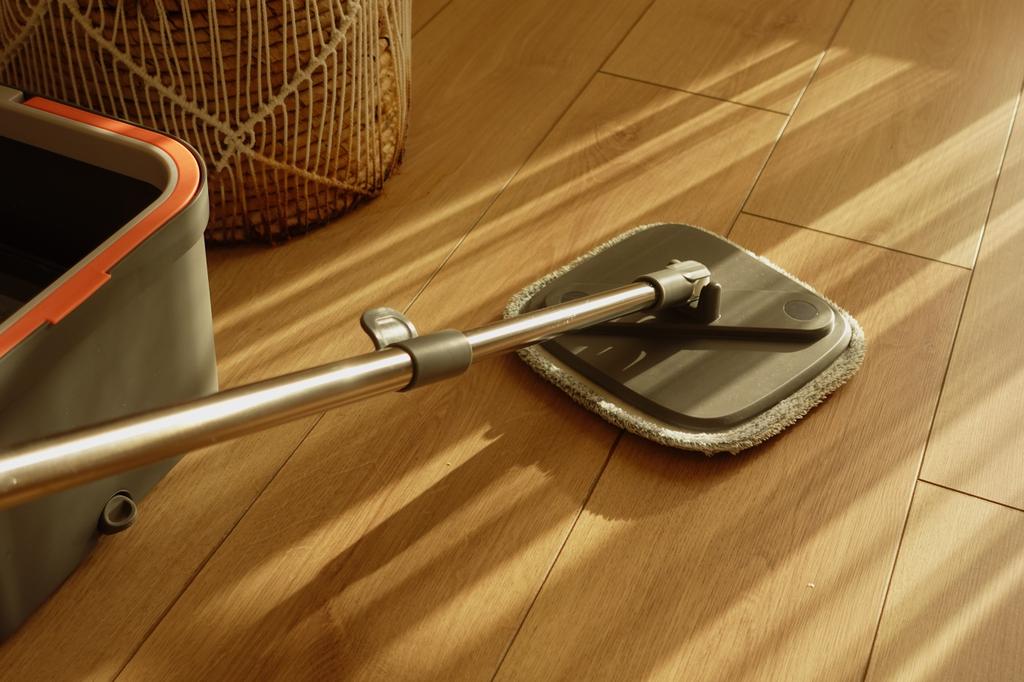
Real hardwood is actual wood, which means it breathes, expands and contracts with changes in humidity and temperature, but it's also a bit finicky. Too much water sitting on hardwood can seep between the boards, warp the planks or ruin the finish. Harsh chemical cleaners are dangerous as well, stripping away the protective coating that keeps the floors looking good and protected. Same goes for scrubbing too hard — you will just end up with scratches.
Getting the cleaning right is about keeping your floors looking decent and avoiding hardwood floor damage that costs way more than a bottle of proper cleaner ever would.
Daily and Weekly Hardwood Floor Cleaning Tips
Dry Cleaning Methods
Most of the time, hardwood floors just need dust and dirt removed before it gets ground in. Here's what works:
Sweeping — A soft-bristle broom picks up the daily stuff. Go with the grain of the wood if you can.
Dust mopping — Microfiber dust mops grab more than brooms and don't kick dust around. Great for high-traffic areas.
Vacuuming — Use the hardwood setting or turn off the beater bar. Those rotating brushes can scratch the finish. Stick to suction-only attachments.
Light Weekly Cleaning
Once a week, go beyond dry cleaning:
Damp mopping — Wring out your mop until it's barely damp, not wet. Use a hardwood-specific cleaner or just water. Wipe up any excess right away.
How often — High-traffic rooms might need it twice a week. Bedrooms and low-use areas can probably go every other week.
Best Products and Tools for Cleaning Hardwood Floors
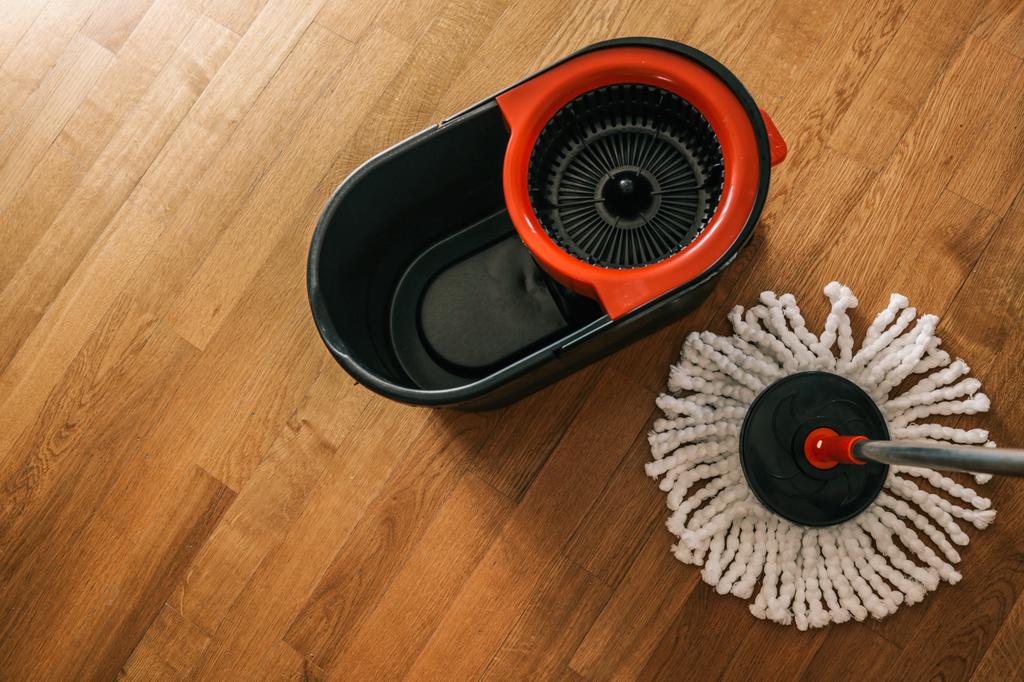
The best way to clean hardwood floors doesn't require expensive equipment, just the right approach and products. Here's what to use and what to avoid:
Hardwood-safe cleaners: Look for pH-neutral floor cleaning products — they won't mess with your finish or leave a weird film behind. Regular all-purpose cleaners are risky unless the label specifically says they're good for sealed wood.
Microfiber mops: These are your best bet. The fibers grab dust and hair without scratching, and you can toss the pads in the wash instead of buying new ones constantly. Just remember to keep the mop barely damp, not dripping.
What to avoid:
Steam mops — The heat and moisture can get into the seams between planks and cause warping. Not worth it.
Vinegar and acidic cleaners — People recommend vinegar for everything, but it'll slowly eat away at your floor's finish.
Too much water — A soaked mop is asking for trouble. Water pooling on hardwood leads to swelling, stains and boards that cup or buckle.
How to Deep Clean Hardwood Floors
- Clear the floor and sweep or vacuum thoroughly. You want all the loose dirt gone first.
- Mix your hardwood cleaner according to the bottle. If you're using a concentrate, don't go heavy — more soap just means more residue.
- Work in small sections with a damp (not wet) microfiber mop. Wring it out hard before each pass.
- For stubborn spots, let the cleaner sit for a minute, then wipe again. Don't scrub aggressively.
- Go over everything with a clean, dry microfiber cloth to pick up any leftover moisture or streaks.
How often? Most homes only need a deep clean every one to three months, depending on foot traffic. If your weekly routine is solid, you can probably stretch it longer.
How to Remove Stains and Scuffs From Hardwood Floors
Hardwood floors are built to last, but everyday wear can leave behind stains and marks. The good news is that most issues can be fixed with simple, gentle methods. Always start with the least aggressive solution and test any product in a small, hidden area first. Avoid harsh chemicals, abrasive pads or excess water, as these can damage the finish. Acting quickly and using light pressure will help preserve your floor's natural beauty.
Water Spots and Spills
- Wipe up spills immediately with a soft, dry cloth.
- Buff white spots gently with a clean microfiber cloth.
- If needed, use a small amount of hardwood-safe cleaner.
- Dry the area thoroughly to prevent moisture damage.
Food and Pet Stains
- Blot spills with a dry cloth — avoid rubbing.
- Use a lightly damp microfiber cloth with a hardwood-safe cleaner.
- Repeat gently if needed instead of scrubbing hard.
- Always dry the area completely afterward.
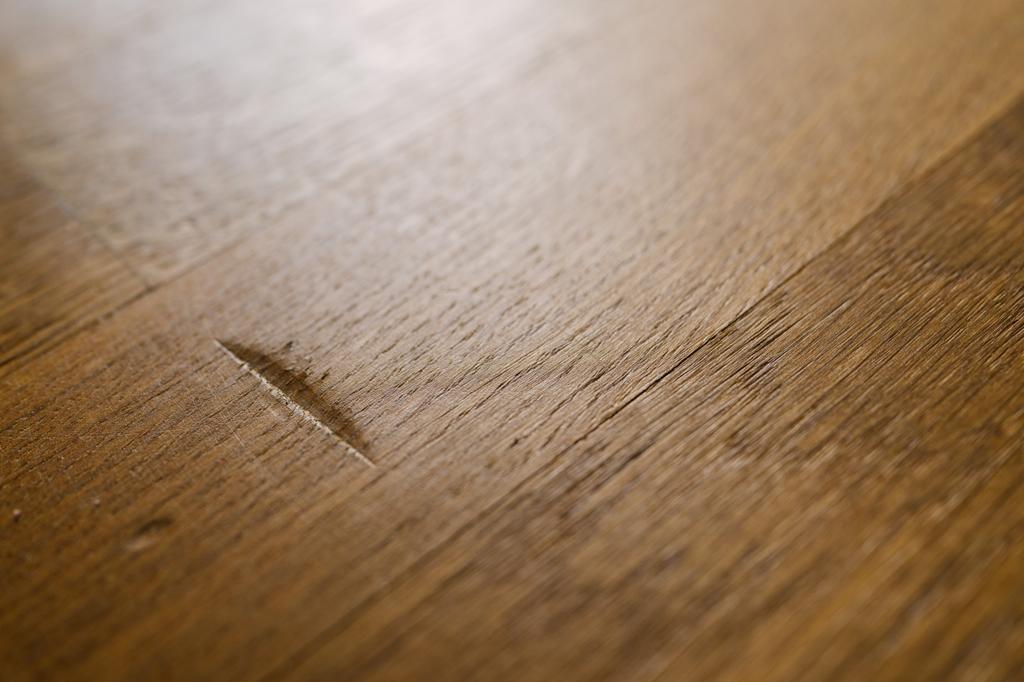
Scratches and Scuff Marks
- Buff scuff marks with a dry microfiber cloth.
- Use a hardwood touch-up marker for light scratches.
- Apply a wood repair kit for deeper scratches.
- Avoid sanding unless you plan to refinish the floor.
Common Hardwood Floor Cleaning Mistakes to Avoid
Using too much water — A soaking wet mop is one of the worst things you can do. Water seeps between the boards, causes swelling and leaves stains that don't come out. If your floor isn't dry within a couple minutes, you used too much.
Harsh chemicals — Bleach, ammonia and most all-purpose cleaners will strip your finish over time. Just because it cleans your counters doesn't mean it's safe for wood.
Steam cleaning — The combo of heat and moisture is a recipe for warped boards. Steam mops might seem convenient, but they're not worth the risk.
Abrasive tools — Steel wool, stiff brushes and rough scouring pads will scratch your finish. Stick with soft cloths and microfiber.
Long-Term Hardwood Floor Maintenance Tips
Regular cleaning only gets you so far. If you want hardwood that lasts, you need to think ahead and stop problems before they start. Start by putting mats at entryways to catch dirt, salt and moisture before they get tracked in. Use rugs in high-traffic areas like hallways and under dining tables, but be sure that they are not the rubber-backed kind that can trap moisture or discolor the wood.
Attach felt pads to the bottom of chairs, tables and sofas to prevent scratches when furniture shifts. Check and replace pads regularly, especially if they get dirty or worn down.
Don't forget about seasonal humidity control. Wood expands when it's humid and contracts when it's dry. Try to keep indoor humidity between 30% and 50%. Use a humidifier in winter and a dehumidifier in summer.
When to Hire a Professional Hardwood Floor Cleaner
Deep wear or damage: If your floors show heavy scratches, dull patches, discoloration or signs of water damage, a professional cleaner can assess the condition and recommend the right treatment. Deep-set stains and embedded grime often require commercial-grade equipment and expertise.
Refinishing needs: When the protective finish has worn down significantly, refinishing may be necessary. Professionals can sand, reseal and restore the surface safely and evenly, extending the life of your floors.
Finding the right expert: Platforms like MerchantCircle make it easy to find trusted local hardwood floor professionals, compare reviews and choose a service provider that fits your needs and budget.
Keep Your Hardwood Floors Looking Their Best
Hardwood care really just comes down to a few simple habits: sweep or vacuum regularly, use barely damp mops with the right cleaner and deal with spills fast. Skip the harsh chemicals and excess water, and your floors will hold up fine.
The payoff for staying consistent is worth it. Treat your floors right, and they'll keep looking good for a long time.