Garage Floor Coating Options Explained
Most garage floor coatings fall into four categories: concrete sealer or paint, epoxy, polyurea and polyaspartic.
Walk into any hardware store and the flooring aisle throws five different products at you, each promising to transform your garage, each priced wildly differently from the next. You leave either paralyzed by choice or $200 poorer with a kit that peels in two years. This article exists to fix that.
The Four Main Options
Most garage floor coatings fall into four categories: concrete sealer or paint, epoxy, polyurea and polyaspartic. There is also a hybrid called polycuramine, sold under names like Rust-Oleum RockSolid, that blends epoxy and polyaspartic chemistry into a middle ground option.
- Sealer or paint. Cheapest, thinnest, shortest lifespan.
- Epoxy. Most common option. Durable but rigid, and it can yellow or crack over time.
- Polyurea. Flexible and fast curing, built originally for industrial use. Almost always professionally sprayed.
- Polyaspartic. Related to polyurea, known for fast curing and UV resistance.
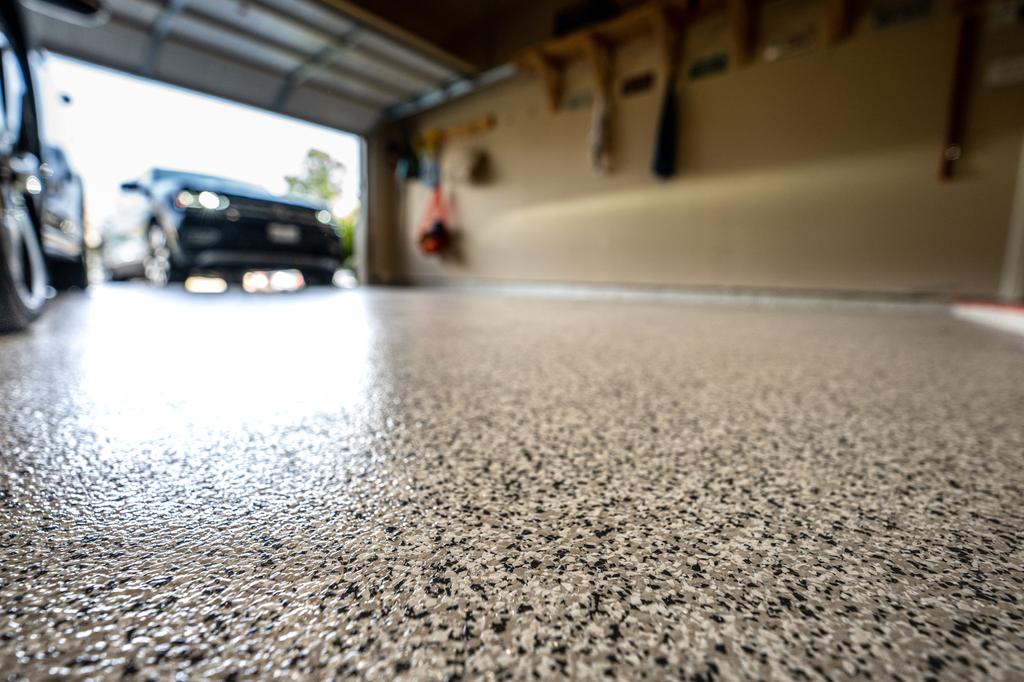
Coating Is Not the Same Thing as Paint
Paint air dries and leaves a thin film. A true coating cures through a chemical reaction and bonds into the concrete itself, which is why real coatings hold up so much longer than a $30 can of garage floor paint, no matter how carefully it's applied.
Epoxy vs Polyaspartic: What Actually Sets Them Apart
- Cure time. Epoxy often needs days before you can drive on it. Polyaspartic can handle traffic in about 24 hours.
- UV resistance. Epoxy tends to yellow with sun exposure. Polyaspartic holds its color much longer.
- Flexibility. Epoxy is rigid and more prone to cracking in freeze and thaw climates. Polyurea and polyaspartic flex with temperature swings.
- Lifespan. Epoxy typically lasts five to ten years. Polyaspartic and polyurea often run ten to twenty.
Hot Tire Pickup: The Failure Mode Worth Knowing
After a drive, tires heat up. Park on a cheap or poorly bonded coating and that heat can soften it just enough for the tire to grip the surface as it cools, then pull chunks of coating away when the car moves. This is almost always an epoxy problem, and it is almost always tied to weak surface prep or a low grade product. Polyurea and polyaspartic resist it far better because they stay flexible and bond more aggressively.
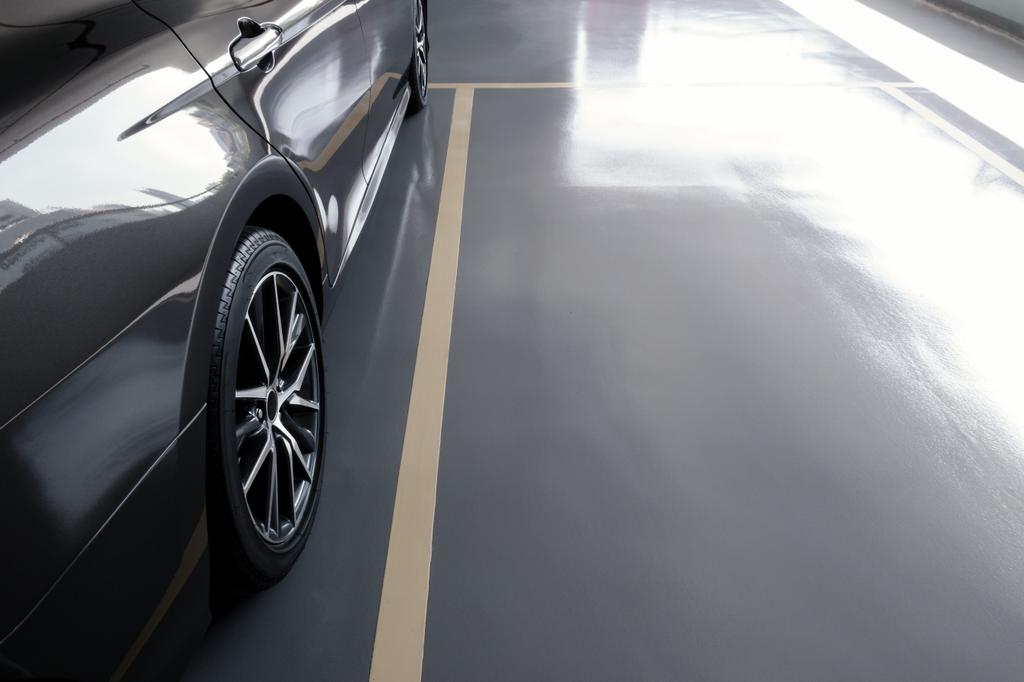
Best Garage Floor Coating for Your Budget: 2026 Costs
Pricing swings by region and floor condition, so treat these as starting points, not quotes.
- Epoxy, professionally installed: roughly $3 to $7 per square foot
- Polyurea or polyaspartic: roughly $5 to $12 per square foot
- DIY kits: $100 to $500
For a standard two car garage, that's somewhere between $1,600 and $6,900 installed. You'll also see a national average of about $2,400 floating around, but that figure blends a $200 DIY kit with a $6,000 professional job, so on its own it tells you almost nothing. Most pricing content online comes from installers with a product to sell, so use these ranges as a baseline and get two or three local quotes.
Why Prep Matters More Than the Product
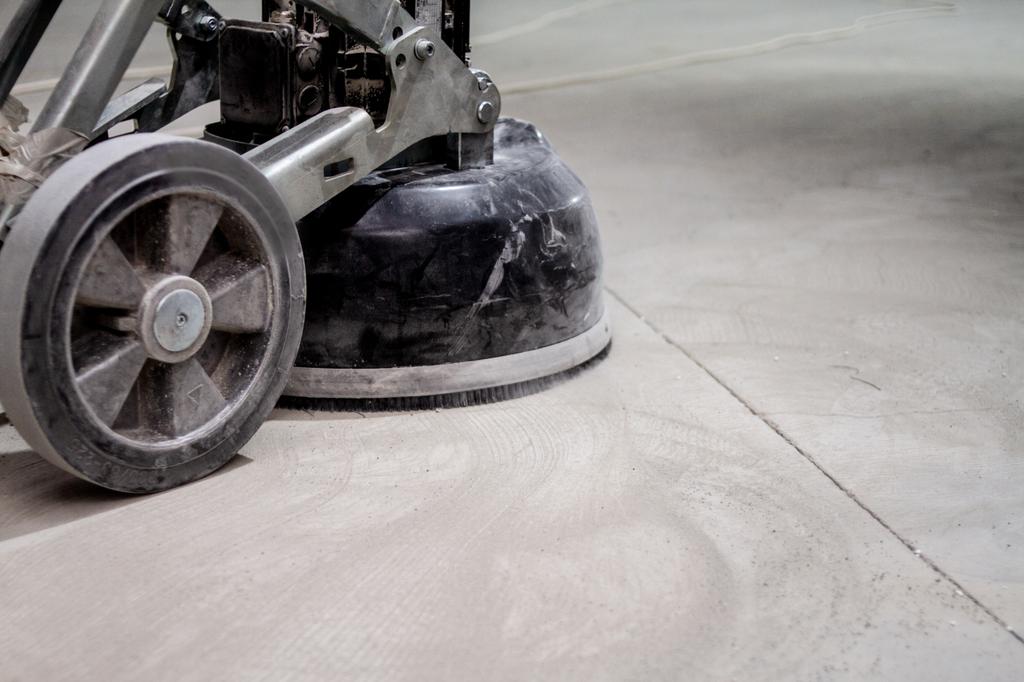
Diamond grinding, crack repair and moisture control determine whether a coating succeeds far more than the brand on the bucket. A premium system over a poorly prepped floor fails just as fast as a cheap kit.
DIY vs Hiring a Pro
DIY epoxy kits are cheapest but demand precise temperature and timing. Polyurea and most polyaspartic systems require spray equipment homeowners don't have, so they're not realistic DIY jobs. Over a decade, one properly installed pro floor often beats several rounds of DIY recoats once you add up materials and time. Search MerchantCircle to find local coating installers, compare quotes and check reviews before booking.
Quick Recap: Which One Fits Your Garage
- Tight budget, light use: sealer or a DIY epoxy kit
- Sunny or cold climate garage, want it done fast: polyaspartic
- Workshop or heavy daily use: polyurea or a professional polyaspartic system
The right coating comes down to three things: your climate, your budget and how much abuse your garage floor takes on a normal week. Figure those out first, then let the