How Long Does a Roof Last? Signs It's Time to Replace
Roof age isn't a mystery. Every material has a known lifespan, and a few visible signs will tell you where you stand before a leak forces the issue.
Most people don't think about their roof until water shows up on the ceiling. By then, the cheap fix window has usually closed, and you're looking at a bigger repair or a full replacement instead of a patch job.
Turns out roof age isn't a mystery. Every material has a known lifespan, and a few visible signs will tell you where you stand before a leak forces the issue.
So how long does a roof last? Here's how to tell whether to book an inspection now or start budgeting ahead.
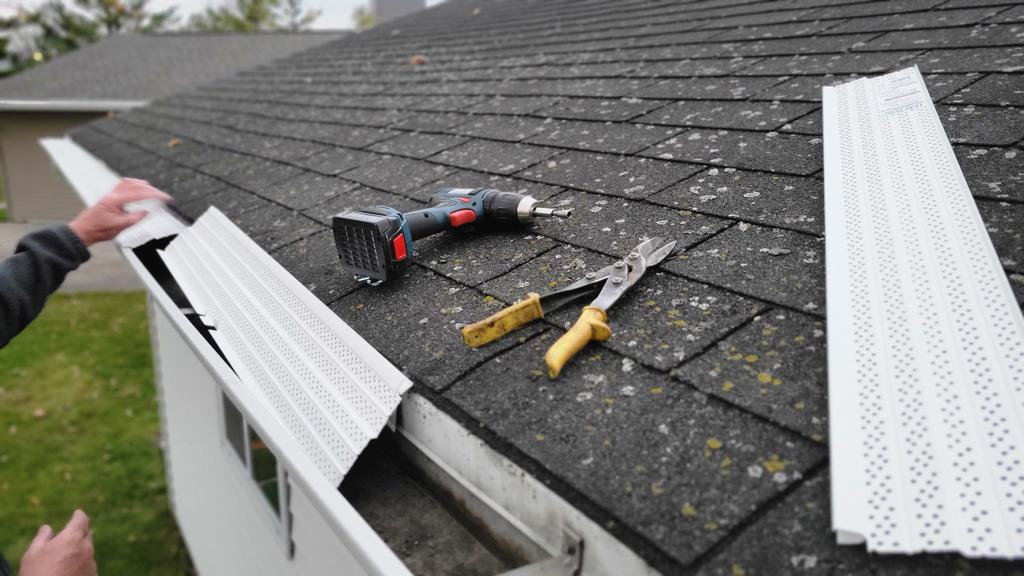
How Long Should Your Roof Actually Last?
Asphalt shingle roof lifespan runs 15 to 35 years depending on the grade, and since asphalt is on more than 80 percent of U.S. homes, according to This Old House, odds are that's your range.
|
Material |
Typical Lifespan |
|
Asphalt (3-tab) |
15 to 25 years |
|
Asphalt (architectural) |
25 to 35 years, premium lines up to 40 to 50 |
|
Metal |
40 to 70+ years |
|
Clay or concrete tile |
50 to 100+ years |
|
Slate |
75 to 150 years |
|
Wood shake |
30 to 50 years |
Older roof near the top of that range? Time to pay attention.
Why Two Identical Roofs Can Age So Differently
Two houses with the same shingles, installed the same year, can age very differently:
- Climate. Sun and heat crack asphalt faster, salt air corrodes metal, and freeze-thaw cycles crack tile.
- Roof color. Dark shingles absorb more heat, speeding up wear.
- Attic ventilation. Poor airflow traps heat and moisture against the deck, aging it from below.
- Installation quality. A poorly installed roof fails early.
A shingle warranty's number is a starting point, not a guarantee.
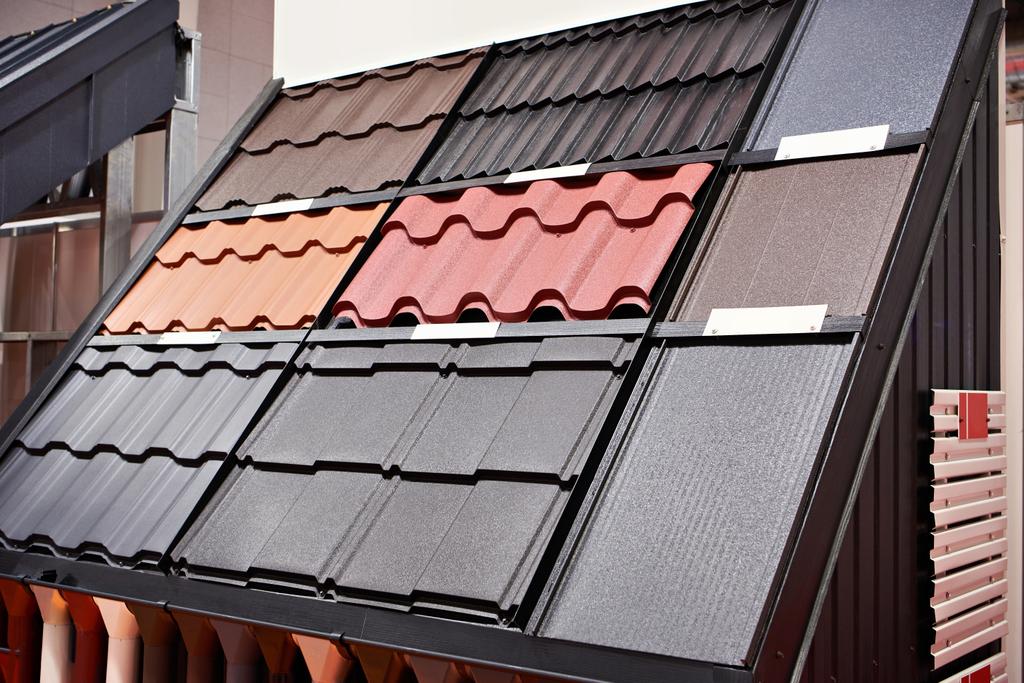
The Warning-Signs Checklist
Here are the signs you need a new roof:
- Shingles curling, cupping or missing outright
- Granules piling up in the gutters
- Water stains spreading across a ceiling
- Daylight through the roof decking in the attic
- A sagging roofline
- Moss or mold on the shingles
- The roof is simply near the end of its material's typical range
That last one matters as much as any physical sign, and it's often the clearest answer to when to replace your roof. If your asphalt roof is pushing 30 years and still looks fine, don't wait for it to fail. Replacing early is cheaper than waiting.
Repair or Replace?
A missing shingle or one isolated leak is usually a repair job. Widespread damage, multiple leaks, or a roof near end of life usually means replacement makes more sense.
Some roofers offer treatments marketed to extend shingle life by a few years. Get specifics in writing before counting on years you haven't confirmed. \
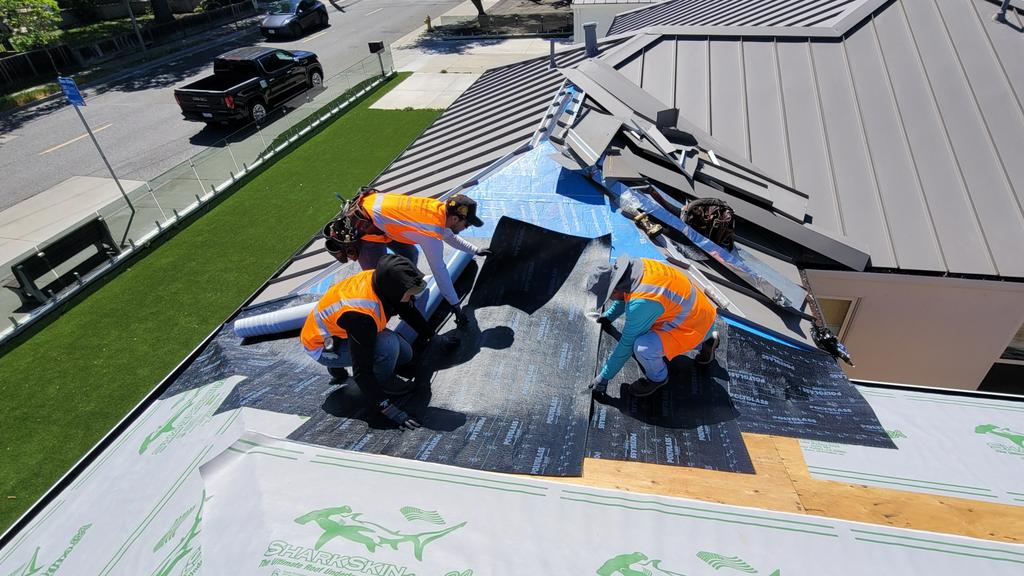
What Should You Budget?
Roof replacement cost estimates for a full asphalt job are all over the map, and that's normal. Fixr puts typical jobs at about $8,000 to $16,000, while other estimates run $20,000 to $30,000. The 2026 Cost vs. Value Report, cited by Bill Ragan Roofing, puts the national average for an architectural asphalt roof at roughly $31,871.
That's a big gap, and it's supposed to be there. Roof size, pitch, labor market and materials all move the number. Treat any figure online as a planning range, not a quote. The only way to get a real answer is to have someone look at your roof.
Get a Local Roofer's Eyes on It
An online range is fine for planning, but it can't replace someone standing on your roof. If any of the signs above sound familiar, or your roof is nearing the end of its life, it's worth comparing local roofers near you and getting an inspection before a leak forces the decision.