How to Pick the Right Fence Materials for Your Home
Your material choice can swing the total cost of your fence three or four times over, even on the same yard.
Before you get three contractors on the phone, you need one number in your head: your material choice can swing the total cost of your fence three or four times over, even on the same yard. A 150 foot backyard can run under $2,000 in chain link or well past $10,000 in wrought iron. Get this decision right early and you skip the sticker shock that hits so many homeowners halfway through the quoting process.
This guide is built for exactly that moment, when you know you need a fence but haven't decided what it should be made of.
Fence Materials Compared: What Actually Drives the Price
Quotes for the same fence can look wildly different depending on where you live. Texas and Southeast pricing runs lower, while the Northeast and West Coast usually cost more. Height, slope, soil conditions and gate count also move the number. Across the country, installed fencing generally lands between $6 and $50 per linear foot. Here's how that breaks down by material.
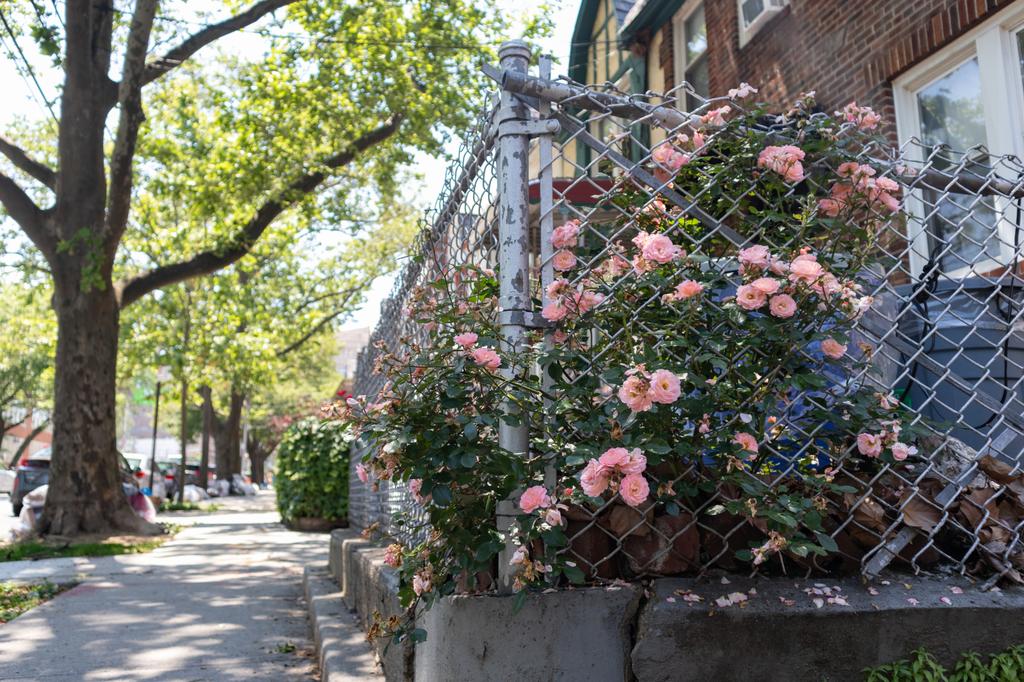
Chain link is the budget option, typically $12 to $35 per foot installed. It won't give you privacy, but it's tough, low maintenance and ideal for large properties, dog runs or anywhere security matters more than looks. Expect a utilitarian, industrial appearance.
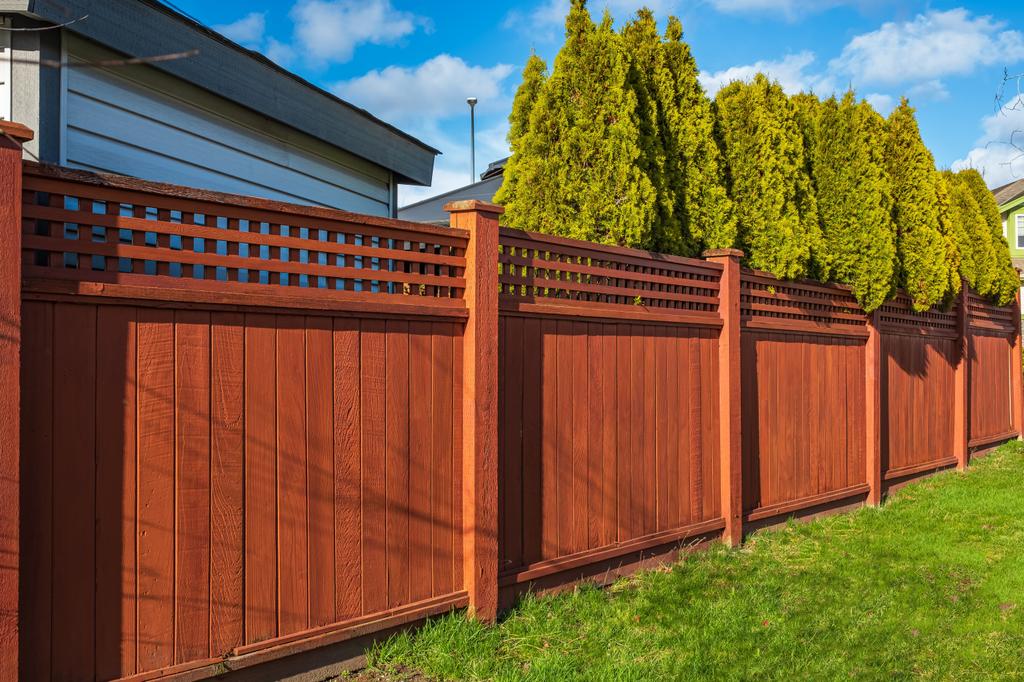
Wood remains the most popular pick for backyard privacy, generally $15 to $45 per foot. Pressure treated pine sits at the cheaper end, while cedar costs more but resists rot and insects better. Plan on staining or sealing every two to three years to keep it from graying and warping.
Vinyl or PVC runs higher, around $25 to $65 per foot, but it's one of the two most commonly installed residential fence materials for a reason. It doesn't rot, doesn't need painting and holds up for decades with almost no upkeep beyond an occasional hose down.
Aluminum falls in the $25 to $55 per foot range. It's rust proof, handles sloped yards well and looks decorative rather than defensive, but it won't block a view or give you privacy.
Wrought iron is the premium tier, often $50 to $100 per foot. It's usually custom fabricated, extremely durable and visually striking, though it needs periodic rust treatment.
|
Material |
Cost/ft installed |
Maintenance |
Lifespan |
Best for |
|
Chain link |
$12–$35 |
Low |
20–30 years |
Pets, large perimeters, budget security |
|
Wood |
$15–$45 |
Moderate, every 2–3 years |
15–30 years |
Privacy, classic look |
|
Vinyl/PVC |
$25–$65 |
Very low |
25–30 years |
Low upkeep privacy or decorative |
|
Aluminum |
$25–$55 |
Low |
20–30 years |
Slopes, decorative security |
|
Wrought iron |
$50–$100 |
Moderate, rust checks |
30+ years |
Premium curb appeal, custom designs |
Best Fence Material for the Money
If budget is the priority, chain link wins on pure dollars. If you want privacy without repeat maintenance bills, vinyl tends to pay for itself over 15 years compared with wood, since a wood fence typically needs several hundred dollars of staining and board repair every decade. Aluminum and wrought iron aren't about saving money. They're about long term durability and appearance.
Wood vs Vinyl Fence: The Question Everyone Asks
This comparison comes up constantly, and the honest answer depends on your patience for upkeep. Wood costs less upfront and gives you that classic look, but needs regular sealing and eventual board replacement. Vinyl costs more at first, then mostly sits there looking fine for 25 years or more. Staying long term favors vinyl. Wanting the lowest starting price favors wood.
Hidden Costs Worth Budgeting For
A few line items catch homeowners off guard after the quote comes in:
- Gates typically add $200 to $1,500 depending on size and material.
- Permits often range from $25 to several hundred dollars depending on the municipality.
- Removing an old fence adds roughly $3 to $5 per linear foot.
- Sloped or rocky terrain can tack on another 15 to 25 percent, since posts take longer to set.
If you have an HOA, check its rules too. Height limits and material restrictions are set locally and can rule out an option before you even get a quote.
Your Next Step
Now that you know what each material costs and where it shines, the smartest move is getting two or three quotes from local contractors. Pricing swings by region and yard, so a real quote tells you more than any guide can. Search MerchantCircle.com to find fence contractors in your area, compare reviews and ratings, and request quotes side by side so you walk into that conversation knowing which material fits your yard and budget.