What Were the Two Main Goals of Renaissance Artists?
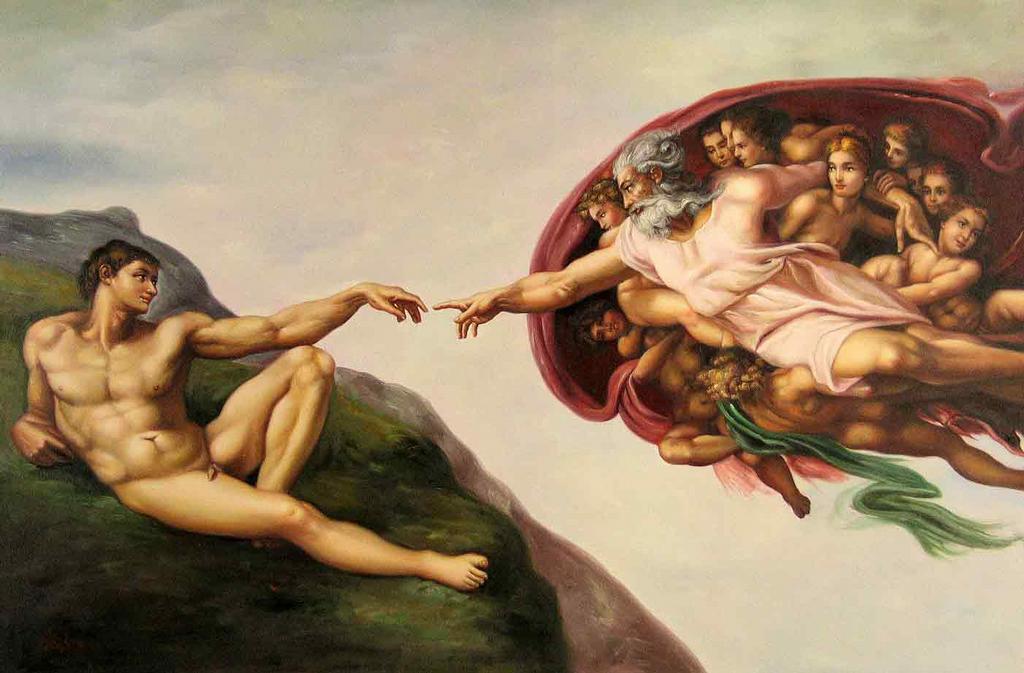
Renaissance art came about after the trials and tribulations of the middle ages. The Renaissance time period, from 1400 to 1600, saw a rebirth of humanity not seen since before the middle ages. The revival of culture allowed for the creation of masterpieces as seen by famous artists including Michelangelo and Donatello. The two main goals of Renaissance artists were to incorporate realism and show the world as the artist knew it at the time.

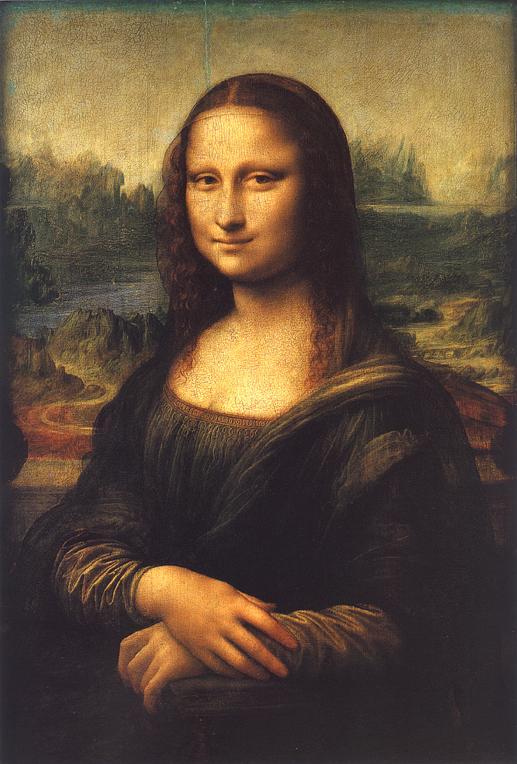
Renaissance artists wanted to showcase how important people and nature were to them. They didn't just want to focus on religion as seen in times past. Artists in the Renaissance time period worked at making people appear as lifelike as possible. Figures, such as the famous Mona Lisa, showed a great amount of emotion and mystery. Artists strove to show individuals as they went about their everyday activities and make the figures appear realistic. Renaissance art indicated an increase in the knowledge of human anatomy during the time period, which was not seen in past works.
Artists had the ability to travel to see other paintings which, in turn, influenced their own work. Famous renaissance artists included Michelangelo, Raphael, Titian, Jan Van Eyck and Leonardo Da Vinci. Well-known artwork, such as Titian's “Cain Killing Able” and Giorgione's “The Temptest” gained international acclaim during the Renaissance.
Renaissance artists wanted to show the world as they experienced it at the time. The goal was to get their paintings as close to that mental picture as possible. Renaissance art took on more of a classical theme than that of the previous Gothic works seen prior to the middle ages. Classical paintings dealt with the rules and styles of centuries worth of previous artwork which came together for production between 500 and 300 B.C. Realistic figures where painted either with and without clothes. Artists worked at perfecting their backgrounds in order to give the paintings some perspective. Renaissance painters incorporated three-dimensional techniques into their artwork making figures and nature appear more lifelike.