
How to Buy a New HVAC System in Dallas: A Comprehensive Guide
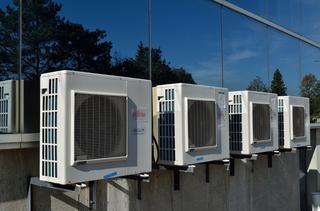
When the temperature in Dallas soars during the summer or dips during the winter, having a reliable heating, ventilation, and air conditioning (HVAC) system is essential for comfort. Whether you're building a new home or replacing an old, inefficient system, buying a new HVAC system is a significant investment. It's a decision that can impact your energy bills, home comfort, and even the environment. In this guide, we’ll walk you through the key considerations and steps to take when buying a new HVAC system in Dallas.
1. Understand Your Home's Needs
Before you start shopping for a new HVAC system, it's important to understand the specific needs of your home. Several factors can influence the size and type of HVAC system that will work best for you, including:
- Square Footage: Larger homes typically require more powerful HVAC systems to efficiently heat or cool all rooms. HVAC systems are rated in tonnage, and each ton corresponds to a specific cooling capacity, typically around 12,000 BTUs per hour. A professional HVAC technician can perform a load calculation to determine the ideal size for your home.
- Insulation and Energy Efficiency: Homes with better insulation or energy-efficient windows may require smaller systems since they retain temperature more effectively. Older homes or homes with poor insulation might need a more powerful system to maintain comfort.
- Zoning Requirements: If your home has multiple stories or areas with significantly different temperature needs, a zoning system may be required. This allows you to control the temperature in individual rooms or sections of your house.
- Climate Considerations: Dallas has a hot climate, with long summers and mild winters. A cooling-dominant HVAC system is crucial for Dallas residents, but you also need heating for winter months. The system you choose should be capable of handling both heating and cooling efficiently.
2. Choose Between a Furnace, Heat Pump, or Air Conditioner
When purchasing a new HVAC system, you’ll need to decide between different types of systems based on your specific needs.
- Central Air Conditioning System: This is the most common choice for cooling homes in Dallas. A central air conditioning system works by circulating cool air through ducts that distribute the conditioned air throughout the home.
- Furnace and Air Conditioner Combo: Many homes in Dallas use a furnace for heating during the winter and a central air conditioning system for cooling during the summer. This dual-system is often the most reliable option for homes that need year-round comfort.
- Heat Pump: Heat pumps are gaining popularity in regions like Dallas because they can both heat and cool a home. In warmer months, they function like an air conditioner, and in the winter, they reverse the process and function as a heater. Heat pumps are highly energy-efficient, especially in mild climates like Dallas, making them an ideal option.
- Ductless Mini-Split Systems: If your home doesn’t have existing ductwork or if you're adding an extension, a ductless mini-split system might be a good option. These systems consist of an outdoor unit and several indoor units placed in different rooms. They’re energy-efficient and allow for room-by-room temperature control.
3. Consider Energy Efficiency
Energy efficiency is one of the most critical factors to consider when buy hvac system in Dallas. Efficient systems not only reduce your carbon footprint but also lower your monthly energy bills.
- SEER Rating (Seasonal Energy Efficiency Ratio): This rating measures the cooling efficiency of an air conditioner. The higher the SEER rating, the more energy-efficient the unit is. For Dallas, a unit with a SEER rating of 16 or higher is ideal for optimal cooling and energy savings.
- HSPF Rating (Heating Seasonal Performance Factor): If you're purchasing a heat pump, this rating indicates its heating efficiency. Higher HSPF ratings translate to greater energy savings.
- ENERGY STAR Certification: Look for HVAC systems that are ENERGY STAR certified. These systems meet strict efficiency guidelines set by the U.S. Environmental Protection Agency and can save you money on energy bills while reducing environmental impact.
4. Set a Budget
HVAC systems come in a wide range of prices, and the system you choose will depend on your budget. It's important to balance cost with quality, as a low-priced system may not provide long-term value due to higher energy consumption and frequent repairs. Generally, prices for HVAC systems in Dallas can range from $3,000 to $10,000, including installation. Be sure to account for the following costs:
- System Purchase Price: The cost of the HVAC unit itself will vary depending on its size, type, and energy efficiency rating.
- Installation Costs: Installation is a significant part of the total cost of your HVAC system. The complexity of the installation, including ductwork, the need for a new thermostat, and the distance to your electrical panel, can impact this price.
- Maintenance and Warranty: While HVAC systems generally have a lifespan of 15-20 years, regular maintenance is essential to keep the system running efficiently. Consider purchasing an extended warranty for additional peace of mind.
5. Hire a Qualified HVAC Contractor
Selecting the right HVAC system is only part of the equation—the installation process is just as important. Hiring an experienced and reputable HVAC contractor in Dallas is essential for ensuring the system is installed correctly and operates at peak efficiency.
- Check Licenses and Certifications: In Dallas, HVAC contractors must be licensed by the Texas Department of Licensing and Regulation (TDLR). Ensure that the company you choose has all necessary licenses and certifications.
- Look for References and Reviews: Ask the contractor for references or read online reviews to gauge their reputation. Positive feedback from previous customers can provide valuable insight into their reliability and quality of service.
- Get Multiple Quotes: It’s always wise to get at least three quotes from different contractors. Compare the prices, services, and warranties to make an informed decision.
6. Ask About Maintenance Plans
Regular maintenance is crucial to extend the life of your HVAC system and keep it running efficiently. Many contractors offer service agreements that include annual check-ups, cleaning, and inspections. These plans can help prevent costly repairs down the road and ensure your HVAC system is always in top condition.
7. Be Prepared for Seasonal Variability
In Dallas, HVAC companies may be busier during peak seasons, such as summer and winter, when demand for air conditioning and heating services is high. To avoid delays or paying a premium for service during peak times, plan your HVAC purchase during the off-season (fall or spring) when installers may offer discounts or have more availability.
Conclusion
Purchasing a new HVAC system in Dallas is a significant investment that requires careful planning and consideration. Understanding your home’s needs, choosing the right system, considering energy efficiency, and hiring a qualified contractor are all critical steps in the process.
By following these guidelines, you can ensure that you select an HVAC system that provides reliable comfort and energy savings for many years to come. Remember, a well-installed, energy-efficient HVAC system will not only keep your home comfortable but also help you save money in the long run.


