Tips from Commercial Electrical Contractors
Introduction
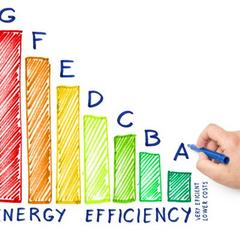
In the modern world, where sustainability and environmental consciousness are at the forefront of business practices, maximizing energy efficiency has become a crucial consideration for commercial enterprises. In Georgia, a state known for its diverse industries and rapidly growing economy, businesses are increasingly turning to commercial industrial electrical contractors for innovative solutions to enhance their energy efficiency. In this blog post, we will explore the importance of energy efficiency in Georgia and provide valuable tips from commercial electrical contractors to help businesses in the state optimize their energy consumption.
Understanding the Importance of Energy Efficiency in Georgia
Georgia's thriving economy encompasses a wide range of industries, from manufacturing and agriculture to technology and hospitality. With this diverse economic landscape, the demand for energy is substantial, making it imperative for businesses to focus on energy efficiency. The benefits of energy efficiency extend beyond cost savings; they also include reduced environmental impact, compliance with regulations, and improved corporate social responsibility.
Commercial Electrical Contractors: Key Players in Enhancing Energy Efficiency
Commercial electrical contractors play a pivotal role in helping businesses achieve their energy efficiency goals. These professionals possess the expertise to assess energy usage, identify inefficiencies, and implement customized solutions that align with the unique needs of each business. Let's delve into some tips from commercial electrical contractors that can aid businesses in maximizing energy efficiency in Georgia.
Energy Audits and Assessments
One of the initial steps recommended by commercial electrical contractors is to conduct a comprehensive energy audit. This involves a thorough examination of a business's electrical systems, identifying areas of energy wastage, and assessing the overall energy consumption patterns. By understanding the specific energy needs and challenges, contractors can develop targeted strategies to enhance efficiency.
Upgrading Lighting Systems

Lighting constitutes a significant portion of energy consumption in commercial establishments. Commercial electrical contractors often recommend upgrading traditional lighting systems to energy-efficient alternatives, such as LED lighting. LED lights not only consume less energy but also have a longer lifespan, reducing maintenance costs for businesses.
Implementing Smart Building Technologies
Advancements in technology have given rise to smart building solutions that can significantly enhance energy efficiency. Commercial electrical contractors can install sensors, smart thermostats, and automated systems that optimize energy consumption based on occupancy, weather conditions, and other factors. This not only reduces energy waste but also creates a more comfortable and productive environment for occupants.
Energy-Efficient HVAC Systems
Heating, ventilation, and air conditioning (HVAC) systems are major contributors to energy consumption in commercial buildings. Commercial electrical contractors often recommend the installation of energy-efficient HVAC systems, which can include variable speed drives, programmable thermostats, and regular maintenance to ensure optimal performance.
Power Factor Correction
Inefficient power usage can lead to poor power factor, resulting in higher energy costs. Commercial electrical contractors can implement power factor correction measures to improve the efficiency of electrical systems. This involves optimizing the ratio of real power to apparent power, reducing wasted energy and lowering electricity bills.
Renewable Energy Integration
With Georgia's abundant sunlight, businesses can harness the power of solar energy to supplement their electrical needs. Commercial electrical contractors can design and install solar panel systems, allowing businesses to generate clean and sustainable energy while reducing their dependence on traditional power sources. In addition to solar, contractors may explore other renewable energy sources like wind or geothermal based on the business's location and requirements.
Regular Maintenance and Monitoring
Efficient energy usage is an ongoing process that requires regular maintenance and monitoring. Commercial electrical contractors emphasize the importance of scheduled inspections, preventive maintenance, and real-time monitoring systems to identify and address potential issues before they escalate. This proactive approach not only ensures optimal performance but also extends the lifespan of electrical equipment.
Employee Training and Awareness
Employees play a crucial role in energy efficiency initiatives. Commercial electrical contractors recommend conducting training programs to raise awareness about energy conservation practices among staff members. Simple measures, such as turning off lights and electronic devices when not in use, can contribute significantly to overall energy savings.
Conclusion
Maximizing energy efficiency in Georgia is a multifaceted endeavor that requires collaboration between businesses and commercial electrical contractors. By implementing the tips provided by these professionals, businesses can not only reduce their energy costs but also contribute to a more sustainable and environmentally friendly future. As Georgia continues to grow economically, prioritizing energy efficiency will become increasingly important for businesses looking to thrive in a competitive and conscientious market.

