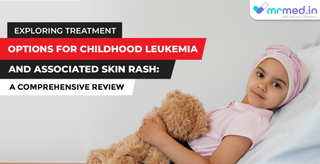
Childhood Leukemia Treatment & Skin Rash: Comprehensive Review
Leukemia is a type of cancer that involves white blood cells, which affects the blood and bone marrow. The bone marrow is the soft and spongy tissue of bones, where blood cells are produced. Leukemia is a cancer where the body produces too many abnormal white blood cells that don't function properly. It is a devastating disease that can be life-threatening for adults and children. The classification of leukemia depends on the affected blood cell type and progression speed. The two main types of leukemia are:
- Acute leukemia
- Chronic leukemia
1. Acute leukemia
Acute leukemias are the most common in childhood, and they can grow quickly and need to be treated. Acute leukemia can further classified into,
- Acute lymphoblastic leukemia (ALL): It occurs when too many undeveloped white blood cells, called lymphocytes, are created in the bone marrow and circulate in the blood.
- Acute myeloid leukemia (AML): It is a type of cancer that results when too many undeveloped white blood cells, called lymphoblasts or lymphocytes, are created in the bone marrow and circulate in the blood. These immature lymphoblasts are unable to function properly, and they can accumulate in the bone marrow, lymph nodes, and other organs, interfering with the production of healthy blood cells.
2. Chronic leukemias
These leukemias are more difficult to treat, but they typically progress more slowly than acute leukemias, which is rare in children. The main types of chronic leukemias are,
- Chronic lymphocytic leukemia (CLL): CLL is also known as myelogenous leukemia. The actual cause of CLL is unknown, but it is considered to be related to mutations in the DNA of developing lymphocytes. Additionally, it is also thought to be linked to certain environmental factors (exposure to radiation or certain chemicals).
- Chronic myeloid leukemia (CML): Chronic myeloid leukemia (CML) is a type characterized by the presence of an abnormal chromosome called the Philadelphia chromosome, which is formed when two normal chromosomes (9 and 22) break and exchange genetic material. The Philadelphia chromosome produces an abnormal protein called BCR-ABL, which leads to the uncontrolled growth and accumulation of immature white blood cells called myeloid cells in the bone marrow.
Symptoms of leukemia
The most common symptom associated with childhood leukemia is cancer skin rash or tiny red spots on the skin, known as petechiae. The causes of skin rashes and petechiae are complex. The exact reason for this symptom is still unknown, but it's believed to happen because of the accumulation of leukemia cells near the skin. These cells inactivate platelets and prevent the formation of blood clots, which leads to the occurrence of skin rash as well as excessive bleeding. The symptoms of leukemia can vary from child to child, but some common signs include,
- Fatigue
- Pale skin
- Easy bleeding and bruising
- Fever
- Unusually heavy menstrual flow
- Shortness of breath
- Frequent infections
- Bone pain
- Bleeding gums
- Bone or joint pain
- Loss of appetite
- Weight loss
- Swelling of abdomen, face, and arms.
Types of skin rashes associated with leukemia are petechiae and purpura, easy bleeding and bruising, leukemia cutis (leukemia cells are found outside the bone marrow), sweet syndrome, mastocytosis (an abnormal accumulation of mast cells), blastic plasmacytoid dendritic cell neoplasm (BPDCN).
Treatment :
Treatment for childhood leukemia depends on several factors, including its types, stage, child's age and overall health. The specific treatments used for childhood leukemia may include chemotherapy, radiation therapy, targeted therapy, and stem cell transplantation.
Chemotherapy is the principal treatment for most pediatric leukemias, which is used alone or in combination with other treatments, such as stem cell transplant and radiation therapy. Chemotherapy drugs (anticancer drugs) mainly target cells that replicate quickly.
Radiation Therapy is a technique that uses high-energy X-rays to treat leukemia. It kills the cancer cells that have spread to the brain or spinal cord. The radiation passes to the affected body area and targets to kill leukemia cells. The patient may need to undergo several radiation therapy sessions. Radiation therapy is typically used with other treatments, such as chemotherapy. While radiation therapy can effectively treat childhood leukemia, it can also have some side effects, such as,
- Increased risk of infection
- Fatigue
- Nausea or diarrhea
- Loss of hair in the treatment
- Changes in skin
Targeted therapy drugs can isolate and kill specific cancer cells without destroying normal cells. Tyrosine kinase inhibitors (TKIs), such as imatinib, dasatinib, and nilotinib, are targeted therapy drugs that attack cells with the BCR-ABL gene mutation. This stops the tyrosine kinase from causing stem cells to produce more white blood cells than the body requires. Some side effects of targeted therapy are,
- Fever
- nausea, vomiting
- Lowered blood cells (increased risks of infection)
- Swelling and sores in the mouth
- Constipation
- Rash
- Headaches
- Liver damage
- Infusion-related reactions
- Heart arrhythmia
High-dose chemotherapy and stem cell transplants are considered for children with high-risk leukemia or those who do not respond to other treatments. This procedure involves replacing damaged bone marrow with healthy stem cells, which can produce new blood cells. The two types of stem cell transplants are Some serious side effects of high-dose chemotherapy and stem cell transplant, including
- Organ damage
- Infection
- Bleeding
Immunotherapy is a type of treatment for childhood leukemia that involves using the body's own immune system to recognize and attack cancer cells. Different types of immunotherapy may be used, including monoclonal antibody therapy, CAR T-cell therapy, and checkpoint inhibitors. Ongoing research is exploring new approaches to using the immune system to treat childhood leukemia.
Hope and healing for Childhood Leukemia: Join the fight:
Overall, the prognosis for childhood leukemia has improved significantly over the years, with many children achieving long-term remission or even cure. However, treatment for childhood leukemia can be intense and may cause side effects, so it is important for children and their families to work closely with their physicians to manage any symptoms and address any concerns. Skin rashes associated with this disease can be one of the initial symptoms and should never be ignored. The symptoms of tiny red spots on the skin should be a cause for concern and warrant a visit to the doctor. With early screening and proper treatment, the chances of survival and recovery from childhood leukemia are much higher.
Contact us at the following details:
MrMed.in
support@mrmed.in
Website: https://www.mrmed.in/
Pharmacy in Chennai, Tamil Nadu, India
Address: 2nd Floor, 30/61, Vijaya Raghava Rd, Parthasarathi Puram, T. Nagar, Chennai, Tamil Nadu 600017

