
Why Artificial Grass is the Best Choice for Modern Playground Designs
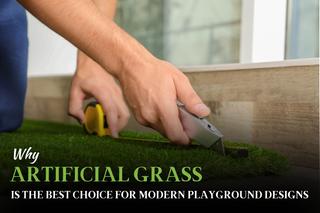
In today’s fast-paced world, creating playgrounds that are not only fun and engaging but also safe and sustainable has become a top priority for schools, parks, and recreational facilities. While traditional playground surfaces like wood chips, rubber mats, and natural grass have been used for decades, a growing number of designers and administrators are turning to artificial grass as the preferred choice for modern playgrounds.
Artificial grass offers a range of advantages that make it the best option for today’s playgrounds, from safety features to durability, aesthetic appeal, and ease of maintenance. In this article, we’ll explore why artificial grass is becoming the surface of choice for contemporary playgrounds and how it enhances the overall play experience.
1. Safety: Reduced Risk of Injury
When it comes to playgrounds, safety is the top concern for parents, caregivers, and administrators. Children are active, adventurous, and often prone to falls, which makes choosing the right surface critical. Traditional playground surfaces such as concrete or even natural grass can be hard and uneven, posing potential hazards for children.
One of the key benefits of artificial grass for playgrounds is its ability to offer a soft, cushioned surface. Most artificial grass installations include a shock-absorbing base layer made from foam or rubber padding. This extra layer of protection helps reduce the impact from falls, making it significantly safer for children. Whether children are running, jumping, or falling from climbing structures, the artificial grass absorbs much of the shock, minimizing the risk of injuries such as bruises, scrapes, or more severe impacts like broken bones.
Additionally, artificial grass provides a smooth, level surface with no uneven patches, dips, or holes. These common issues in natural grass can lead to tripping hazards, but with artificial grass, the entire play area remains even and secure, providing a safe environment for kids to enjoy. Even during wet conditions, artificial grass drains quickly, ensuring there are no slippery, muddy patches that could cause slips.
2. Durability: Built to Withstand Heavy Foot Traffic
Playgrounds are subject to a lot of wear and tear, especially in high-traffic areas. Natural grass can easily become worn out in spots where children play the most, resulting in patchy, uneven areas that can make the playground less appealing and less safe. On the other hand, artificial grass is designed to be extremely durable and resistant to damage from constant use.
Whether it's from running, jumping, or playing on equipment, artificial grass maintains its integrity even under heavy foot traffic. The synthetic fibers used in artificial grass are designed to endure repeated stress, unlike natural grass, which may need to be reseeded or re-sodded when it becomes patchy or worn out. As a result, playgrounds with artificial grass maintain their lush, green appearance year-round without the need for constant upkeep.
Another advantage of artificial grass is that it does not get affected by weather conditions in the same way that natural grass does. Heavy rain, intense heat, or cold temperatures can all have an impact on natural grass, causing it to grow unevenly or develop patches. Artificial grass, however, remains intact and functional, no matter the weather, ensuring the playground is always ready for play.
3. Low Maintenance: A Time-Saving Solution
Traditional playground surfaces, especially natural grass, require ongoing maintenance to keep them in top condition. Mowing, watering, fertilizing, and re-seeding can be costly and time-consuming. Additionally, after heavy rainfall, natural grass can become muddy, creating an unsafe and unappealing surface that needs constant attention to prevent deterioration.
Artificial grass, on the other hand, requires very little maintenance. Once installed, it doesn’t need to be watered or mowed, saving both time and money. It also eliminates the need for the frequent application of fertilizers or pesticides, which are often required to maintain the health of natural grass. This means that playgrounds with artificial grass are not only easier to maintain but also more eco-friendly, as they reduce the need for harmful chemicals and water consumption.
In the rare event that the grass fibers become tangled or flattened, they can be easily brushed or combed to restore the turf’s appearance. Cleaning artificial grass is simple and can typically be done with a hose, making it an excellent low-maintenance option for busy playgrounds.
4. Environmental Benefits: Water Conservation and Sustainability
Environmental sustainability has become a growing concern in recent years, and many modern playgrounds are designed with eco-friendly materials and practices in mind. Artificial grass offers a number of environmental benefits that make it an attractive choice for playgrounds.
One of the most significant advantages of artificial grass is its ability to conserve water. Natural grass requires frequent watering, especially during the warmer months, which can lead to high water bills and stress local water resources. In areas facing drought or water shortages, artificial grass is a much more sustainable solution. It does not require any watering, helping to reduce water consumption and minimize the environmental impact of playground maintenance.
Furthermore, artificial grass eliminates the need for harmful pesticides and fertilizers that are often used to keep natural grass healthy. These chemicals can leach into the soil and water, contaminating local ecosystems and potentially harming wildlife. By choosing artificial grass, playgrounds can reduce their use of chemicals and create a safer, healthier environment for both children and the planet.
While the production of artificial grass involves synthetic materials, which can have a carbon footprint, many manufacturers are now using more sustainable, recyclable materials in their products. Additionally, artificial grass lasts much longer than natural grass and does not require constant replanting or reseeding, reducing the long-term environmental impact.
5. Aesthetic Appeal: Year-Round Greenery
One of the most immediate advantages of artificial grass is its consistent, aesthetically pleasing appearance. Traditional grass can often become patchy, brown, or uneven, especially during dry spells or in areas of heavy foot traffic. This can lead to a lackluster and uninviting playground.
With artificial grass, however, the appearance remains lush and vibrant all year round. Whether it’s summer, winter, or any season in between, the artificial grass will always maintain its rich green color and neatly trimmed appearance. This makes playgrounds more visually appealing and inviting for children and their families.
Additionally, artificial grass can be designed to complement the aesthetic of the surrounding environment. It can be customized to fit different play areas, ensuring that it blends seamlessly with the overall design of the playground. From themed playgrounds to more naturalistic designs, artificial grass can enhance the visual appeal of any outdoor space.
6. Versatility: Perfect for Various Play Activities
Artificial grass is not only ideal for playgrounds but also for various play activities that require a soft, safe surface. Whether it's running, jumping, climbing, or sliding, artificial grass accommodates all kinds of play and provides a stable, comfortable surface for different types of activities.
In addition, artificial grass can be used in combination with other playground features, such as rubberized or foam padding under equipment, to enhance safety. It works well with swings, slides, and climbing frames, providing a smooth and safe surface that enhances the overall play experience. Because it can be customized to fit various shapes and designs, artificial grass is incredibly versatile and can be used in a wide range of play areas, from traditional playgrounds to sports fields, splash pads, and recreational areas.
7. Cost-Effectiveness: Long-Term Savings
While the initial installation of artificial grass may come with a higher upfront cost compared to natural grass, the long-term savings make it an excellent investment. As mentioned, artificial grass requires minimal maintenance, reducing ongoing costs related to mowing, watering, fertilizing, and replanting. Additionally, it doesn't need to be replaced as often as natural grass, which can become worn out over time.
Artificial grass also provides cost savings in terms of water bills. In areas where water is expensive or scarce, reducing water usage can lead to significant savings over time. The low-maintenance nature of artificial grass ensures that playground administrators don’t have to worry about incurring ongoing expenses related to upkeep and repairs.
Conclusion
In conclusion, artificial grass has emerged as the best choice for modern playground designs due to its numerous benefits, including enhanced safety, durability, low maintenance, environmental sustainability, aesthetic appeal, and versatility. By offering a cushioned surface that reduces the risk of injury, lasting through heavy foot traffic, and requiring minimal upkeep, artificial grass helps create a safer, more enjoyable playground for children.
In addition to being a practical and cost-effective choice, artificial grass contributes to water conservation and reduces the use of harmful chemicals, making it an environmentally friendly option for today’s playgrounds. Whether for schools, parks, or community centers, artificial grass provides a high-quality, reliable surface that ensures children can play and explore in a safe, clean, and visually appealing environment.
Ultimately, the benefits of artificial grass make it the ideal choice for modern playgrounds, providing a long-lasting and sustainable solution that meets the needs of both children and administrators.
For top-quality, durable, and safe artificial grass solutions, Verdigrass offers the perfect choice for modern playground designs. Their premium products ensure lasting performance, safety, and visual appeal for any playground space.


