Prefer to talk to a pro?
Call today, and let us connect you with the perfect merchant!
Call today, and let us connect you with the perfect merchant!
Top Home Decorators in Fort Lauderdale, FL 33324








Prefer to talk to a pro?
Call today, and let us connect you with the perfect merchant!
Call today, and let us connect you with the perfect merchant!
Want to connect to a local pro?
Let Contractors.com help you.
Related articles
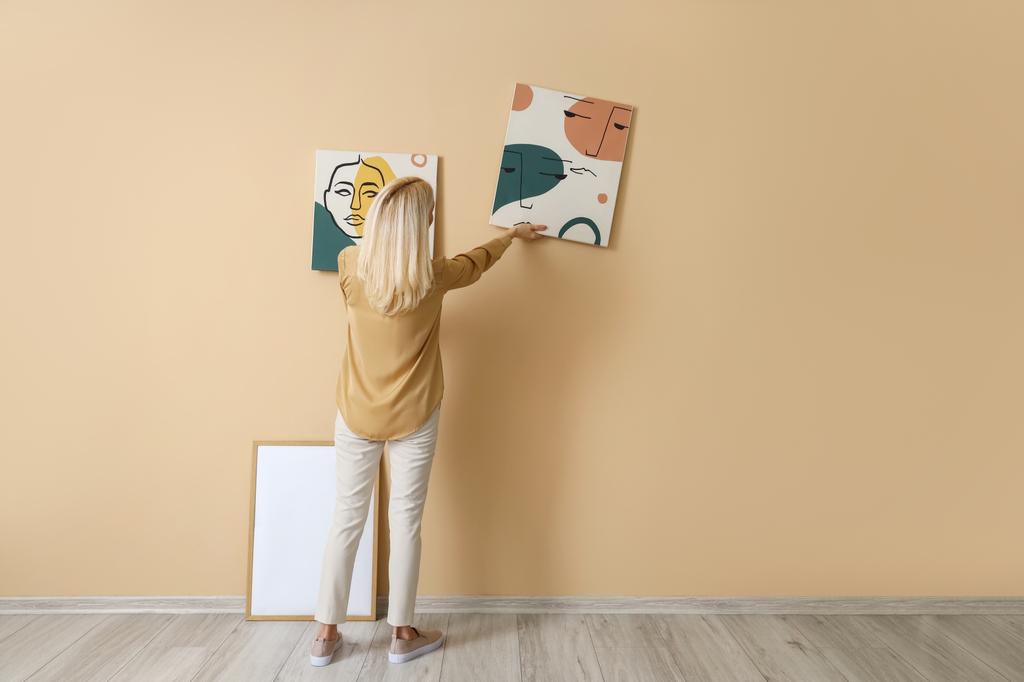
Easiest and Safest Ways to Hang Frames In Your Home

Types of Country Decor for the Home
Tips for Modern Home Decorating
Updates & tips
Best Electric Fireplaces
MagikFlame LLC has the best electric fireplaces around. Check out our great selection of electric fireplaces atHttp://magikflame.com https://youtu.be/EodEIV4VeOE
Is There a Wrinkle in Your Beauty Sleep?
There is absolutely no debate that a good night's sleep is essential to our mental and physical health. Sleep is even vital to our appearance. That's why everyone suggests getting seven to eight hours of beauty sleep to prevent dark circles under our eyes and to produce more HGH (human growth hormone) that helps keep skin thicker and more elastic. But is there a wrinkle hiding in all that beauty sleep? The American Academy of Dermatology (AAD) warns that sleeping in certain positions night after night leads to an accumulation of wrinkles or sleep lines that etch into the surface of the delicate facial skin. These aren't the impressions of the pillow or wrinkled sheet that eventually disappear. These wrinkles remain and increase as we age due to the repetitive stretching and pulling that occurs against our face while we sleep. The average person sleeps about 2,500 hours each year and that's plenty of time for wrinkles to form. The position that your head rests on the pillow will determine the location of the sleep wrinkles. Side sleepers see wrinkles on cheeks and chin. Stomach sleepers compress their face into the pillow and will see facial distortion and wrinkles on the forehead. Who has the fewest sleep wrinkles? Back sleepers. Since the face does not make contact with the pillow, there is little distortion to the tissues through the years. Tips To Prevent Sleep Wrinkles Sleep on your back. The only way to avoid sleep contact wrinkles on your face is to prevent your face from touching the pillow. Choose a firm pillow that does not bunch up and cause impressions on the face. A contoured memory foam pillowthat promotes proper head and shoulder alignment is more likely to support your head and encourage a back sleeping position. Use a pillow cover like silk or satin that allows facial tissues to glide over the fabric. Even using a higher weave count (more threads per inch) of cotton produces a silkier fabric than a pillowcase with a lower weave count. Changing your normal sleeping position can be difficult. Even if you start out falling asleep on your back, the average person changes positions around twenty times during the night. But any time spent on your back will reduce the accumulation of wrinkles on your face. There are ways to train yourself to sleep on your back. Using a u-shaped buckwheat shaped pillow to support your neck can discourage turning. Place a pillow under your knees. Adding body pillows on each side of you can also help keep your sleep position from changing. Even if you do turn to the side, much of your weight will be supported by the body pillow relieving pressure on your face. Alternatively, the Nature's Sleep Glacier Gel memory foam mattress is designed to support sleepers on their backs, all night long, in proper comfort and alignment. If sleeping on your back is just impossible, use the body pillow to prop up your shoulder and part of your chest. Then throw your leg and hip over it. This position will keep your head turned somewhat away and lifting weight off the pillow. No matter your sleep position, remember, skimping on sleep will cause much more harm than a few sleep wrinkles!
7 Ways to a Better Night's Sleep
Insomnia is an epidemic. Even if you're not one of the one in three Americans who suffer from at least some symptoms of insomnia, you've probably experienced your fair share of sleepless nights now and then. Being unable to sleep isn't just irritating--accruing a sleep debt can result in some major health problems over time. If you're wondering what the best ways to get enough shut-eye are, read up on these tips for grabbing some extra Zz’s. 1. Keep a regular sleep schedule If you're staying up late some nights, or sleeping in on some mornings, your circadian rhythm--your inner clock that tells your body when to sleep--is bound to get out of whack. It can be tricky, but do your best to wake up and go to sleep at the exact same time every day. Yes, even on weekends. 2. Don't nap Even though naps are a little bit magical, they can seriously screw up your sleep cycle. We know it can be tough to resist, so if you're exhausted, take a cat nap. It's better to take a short nap during the day than to risk messing up your sleep schedule by sleeping in or going to bed early. But in general, avoid napping, or you may find yourself wide awake into the night. If you do nap, make it brief: no more than 20 to 30 minutes. 3. Exercise daily In addition to all the benefits you already know, exercising often relieves stress and releases hormones that make it easier to get to sleep. But don't exercise right before bed or you'll rile yourself up and have a harder time sleeping. Leave yourself a few hours before bedtime to cool down mentally. 4. Don't drink before bed. A nightcap before sleep might seem like a way to relax, but it can actually aggravate your insomnia by making the sleep you get lighter and less restful. Save those cocktails for special occasions only! 5. Only use your bed for sleeping. Avoid watching TV, using your laptop, reading, or anything else in your bed, outside of sleep. By sticking to this rule, you train your brain to learn that your bed is a place for sleeping. Pro tip: Even if you're in the other room, try to avoid watching TV or using your laptop right before you head to bed. The blue light screens produce makes it harder for your brain to calm down. 6. Keep your bedroom cool. Most people prefer a sleep temperature of about 65 degrees Fahrenheit. Even if you're not feeling too warm when you lie down to sleep, resetting the thermostat so your bedroom is a few degrees colder might make you feel drowsier and ready to cuddle up in bed. 7. Try a gel memory foam mattress. Many people lack a comfortable mattress. Their bed may be too soft, offering them little support, or too firm, which is uncomfortable, and can have a real impact on sleep quality. Gel memory foam is a material that subtly molds to fit your body as you sleep. It blends softness with support beautifully. If you're having trouble sleeping, a Nature’s Sleep gel memory foam mattress will be the answer to your problems.