Prefer to talk to a pro?
Call today, and let us connect you with the perfect merchant!
Call today, and let us connect you with the perfect merchant!
Top Plumbers in New York, NY 10008

Prefer to talk to a pro?
Call today, and let us connect you with the perfect merchant!
Call today, and let us connect you with the perfect merchant!
Want to connect to a local pro?
Let Contractors.com help you.
Related articles
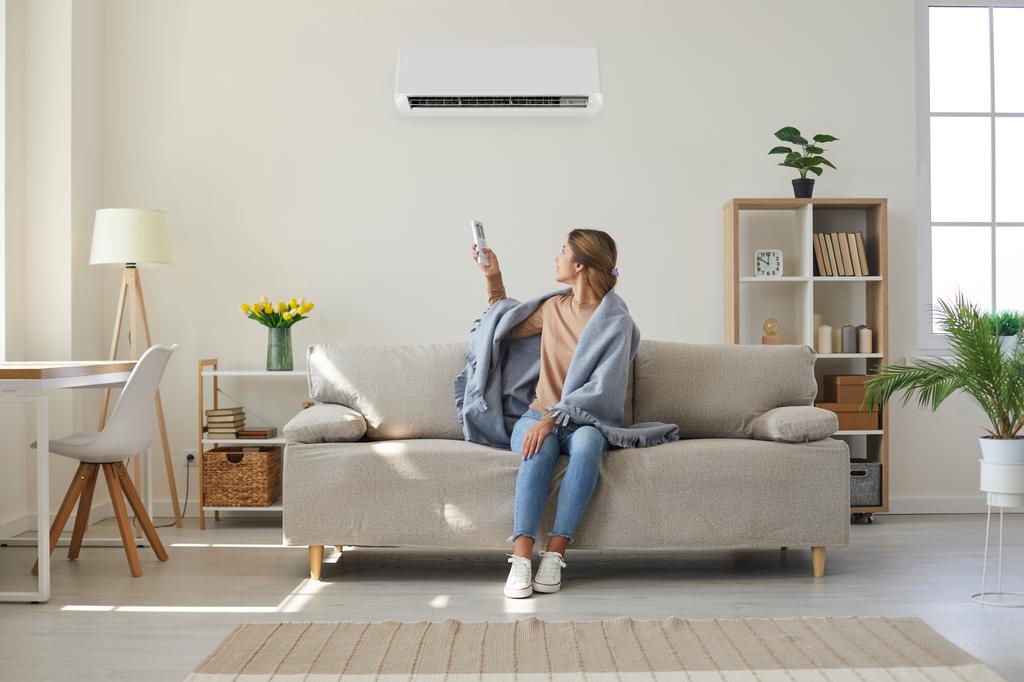
Heating and Cooling 101: What Homeowners Need to Know

Choosing the Right Plumber: Top 3 Considerations for Homeowners

How to Get a Plumber License
Updates & tips
2025 Guide to Oil-to-Gas Boiler Conversion for New York Homeowners
In 2025, New York homeowners can benefit from converting oil boilers to gas, enhancing sustainability and reducing costs. Financial incentives and professional installation ensure efficient, eco-friendly heating solutions. As New York shows more commitment to sustainable energy sources, homes are looking at switching from oil to gas boiler conversions. This modification meets the state's environmental goals and provides significant financial benefits for those wanting to upgrade their heating systems. If you want a boiler installation in Manhattan or Queens in the year 2025, here is the scoop you should go over. The Environmental Imperative for Switching Driven by ambitious climate targets, New York is actively searching greener energy resources to reduce greenhouse gas emissions and promote sustainable energy practices. Switching from an oil boiler to a gas boiler is quite necessary in this regard. Burning cleaner than oil helps natural gas cut its carbon footprint and hence emissions. By implementing this adjustment, homes will be able to profit from the latest heating technologies and move forward toward a better environment. Financial Incentives for Gas Boiler Conversion In addition to the environmental benefits, financial incentives are available to help reduce the burden of conversion costs. Aiming to entice families to choose energy-efficient substitutes, the New York State Energy Research and Development Authority (NYSERDA) starts a series of projects. These incentives really aid in lowering the costs related toboiler installation in Manhattanand Queens, therefore making the changeover more reasonably priced. Homeowners should also get in touch with local utility companies since many of them grant subsidies for using natural gas heating systems. The Importance of Professional Installation When you are thinking about switching from an oil boiler to a gas one, you should connect with a knowledgeable professional who can assist you through the whole operation. A professional will: Assess and evaluate your current heating system Recommend the best gas boiler for your house, and Ensure the installation complies with local standards and regulations. The correct installation of your new system will help you maintain safety and increase efficiency. Long-Term Cost Savings Additionally, greatly reduce those heating bills by switching to a gas boiler. Natural gas typically outperforms oil in terms of cost; modern gas boilers operate more efficiently, thereby reducing energy consumption. Homeowners will be delighted to see a return on their investment over time; hence, the conversion is not only a financial but also an ecologically sensible one. Seizing the Opportunity in 2025 Therefore, if New York residents are considering switching from an oil boiler to a gas boiler in 2025, now is the right time to take action! Along with the financial gains from NYSERDA and local utilities, the statewide drive for greener energy allows you to help enhance the environment by means of a more efficient heating system. Get in touch with a licensed professional from Arnica Heating and Air Conditioning right now to look at your options forboiler installation in Queensor Manhattan and start your journey toward a better future!
How Often Should You Replace Your Boiler?
Every equipment comes with an expiry date and a boiler is no exception. Over time and with excessive usage, it is evident that boilers can undergo a lot of wear and tear. Repairs can fix things temporarily, and there can come a time when the owner has to consider new boiler installation in Manhattan or Queens. Knowing when to do it is essential for homeowners and there are some helpful tips that guide homeowners to make a decision. A boiler is a vital component of your home’s heating system, but like any appliance, it won’t last forever. Understanding when to go for anew boiler installation in Manhattan or Queensis essential for maintaining efficiency, safety, and reliability. So, how often should one replace the boiler? Typical Lifespan of a Boiler Most boilers have a lifespan of 10 to 15 years, depending on their type, quality, and maintenance. High-efficiency models may last slightly longer if they are well-maintained, but older, less efficient boilers tend to wear out sooner. Regular servicing plays a significant role in prolonging your boiler's life. Signs It’s Time for a Replacement Frequent Repairs:If yourboiler requires constant repairs, the costs can quickly add up, making a replacement a more cost-effective solution. Rising Energy Bills:Older boilers lose efficiency over time, leading to higher energy bills. Upgrading to a modern, energy-efficient boiler can significantly reduce your heating costs. Unreliable Heating or Hot Water:Inconsistent heating or a lack of hot water is a clear indication that your boiler is no longer performing as it should. Unusual Noises or Smells:Strange noises like banging or gurgling, or unpleasant odors, may signal serious internal problems. Age of Boiler:If your boiler is over 15 years old, even if it’s still working, it may not meet modern energy efficiency standards. The Benefits of Upgrading Replacing your boiler with a newer, energy-efficient model can save you money in the long run. Modern boilers are designed to reduce energy consumption, lower carbon emissions, and provide reliable heating. By keeping an eye on the boiler’s performance and age, homeowners can plan for a replacement before it becomes an emergency. Regular maintenance and professional inspections can help determine the best time to upgrade with anew, energy efficient boiler installation in Queens or Manhattan.
What Kind of Heating System Would Be Most Economical?
The most economical heating system depends on factors like energy efficiency, maintenance needs, and the size of the home. High-efficiency furnaces, heat pumps, and radiant heating systems are the most economical options. Consult a professional for the best decision, as these systems ensure energy savings and comfort. Comfort and long-term savings depend on a new heating system's most affordable option. Between first expenses, energy efficiency, and maintenance needs, homeowners looking forheating installation in Queens or Manhattantypically consider alternatives. Below, we break down the most reasonably priced heating systems. 1. Highly Efficient Furnaces Modern high-efficiency furnaces, especially those with an Annual Fuel Utilization Efficiency (AFUE) rating of 90% or higher, come at a relatively reasonable price. Even though their initial installation costs can be higher, their long-term energy savings make them a wise investment. These furnaces save on monthly utilities using less fuel and provide constant heat. 2. Heat Pools Heat pumps are among themost efficient heating devices—especially geothermal or air-source types. They consume far less energy as they move heat rather than produce it. Heat pumps also serve as cooling systems, eliminating the need for separate air conditioning equipment. Despite their initial higher costs, heat pumps are an excellent choice for individuals seeking efficiency and adaptability in heating installations in Manhattan or Queens. 3. Radiant Heating Systems Underfloor and other radiant heating systems evenly distribute heat, offering reasonably priced comfort. These systems are very effective in well-insulated homes as they reduce heat loss and remove energy waste related to ducting in conventional systems. The most reasonably priced heating system will rely on the size of your home, insulation, and particular demands. Consult a professional regardingheating installation in Queens or Manhattanto make the best decision. Choosing heat pumps or high-efficiency furnaces guarantees energy savings on bills and keeps your home comfortable throughout winter.