Prefer to talk to a pro?
Call today, and let us connect you with the perfect merchant!
Call today, and let us connect you with the perfect merchant!
Top Computer Software Services in Arlington, TX







Prefer to talk to a pro?
Call today, and let us connect you with the perfect merchant!
Call today, and let us connect you with the perfect merchant!
Where do you need Computer Software Services ?
Related articles

Tutorials for Quickbooks Pro for Legal Firms

What is Microsoft Office?

How to Uninstall Microsoft Word From Vista
Updates & tips
Remote Patient Monitoring – A Fad Or The New Reality?
As the U.S healthcare industry is slowly but surely moving towards a value-based care approach, using technological applications efficiently can help healthcare providers create a win-win situation. One such application is Remote Patient Monitoring (RPM). Read on to know exactly how advanced telehealth solutions can provide timely assistance to patients as well as help healthcare facilities save time, money, and gain credibility for the quality of its patient care services. Introduction to Remote Patient Monitoring Remote Patient Monitoring (RPM) is a digital technology that obtains vital physiological data such as heart rate, blood pressure, blood sugar level, weight, etc. from the patients. The system then sends that information to the healthcare facility for evaluation and investigation. This benefits hospitals as they can track patients post-discharge and those with limited mobility, chronic illnesses, and senior patients. It is also convenient for the patients as they can receive uninterrupted professional medical treatment from the comfort of their homes. The focus on boosting healthcare infrastructure, rising geriatric population, and the need for living an independent life are some of the factors positively impacting the global RPM equipment market. According to ResearchAndMarkets.com, a significant rise is expected in this market from $1.5 billion in 2018 to $2.7 billion by 2022. Applications of Remote Patient Monitoring1. Early Identification of Diabetes Diabetes is a chronic illness thatresults in high blood glucose levels. Patients with diabetes need to monitortheir blood pressure, temperature, weight, and blood sugar levels regularly toavoid complications like hyperglycemia, hypoglycemia, and diabetic foot ulcers. Diabetes is one of the leading causes ofdeath in the United States, and the National Diabetes Statistics Report, 2017reported that approximately 1 in 10 Americans have diabetes, while 1 in 3Americans have prediabetes. Prediabetes is a condition wherein the blood glucose levels are higher than the ideal range, but not high enough to be classified as diabetes. At this stage, it is still possible to normalize the blood sugar levels if the individual makes the necessary lifestyle changes, eats right, maintains a healthy weight, and includes moderate physical activity in his/her daily routine. OSP has designed an AI-based predictive analytics solution that can diagnose if an individual has Type 2 Diabetes with the help of clinical data processed using advanced computational methods and algorithms. The system goes one step further and prescribes medication based on the diagnosis, and this timely treatment can positively impact patients’ health outcomes. 2. Prediction of Probability of Pneumonia According to the American ThoracicSociety, approximately 1 million Americans are hospitalized annually due topneumonia, and an estimated 50,000 people die from this disease every year.Early detection and targeted antibiotic therapy can help prevent these deaths. Though many tools exist for the diagnosisof pneumonia, radiologists still struggle to determine the extent and locationof the pneumonia infection in chest X-rays with complete accuracy. OSP took on the challenge of building a deep learning-based model that can offer an accurate review of a chest radiograph (CXR) and use current prediction to enhance the quality and accuracy of chest X-ray predictions. A multi-layered convolutional neural network system designed using image analytics predicts the probability of pneumonia in an input chest X-ray image with better accuracy than predicted by the radiologists. Importance of RPM for Healthcare Providers Healthcare organizations always strive to provide the best possible care to patients but are faced with many challenges. Telehealth systems can help to overcome some of these challenges, so let’s look at some of the pressing issues that remote patient monitoring solutions can address. 1. Improved Patient Engagement The latest buzzword in the healthcare industry is “patient engagement,” and every medical facility and healthcare provider is consciously working to improve the patient care experience. Well, the good news is remote patient monitoring systems is one such tool that can bridge the current gap in patient engagement. RPMs capture and present patient data in easy-to-read and understand formats that make patients comfortable and more receptive to medical devices. These systems also provideround-the-clock support to patients giving them greater control over theirhealth and sending timely notifications to help them stay on track.Additionally, patients feel assured as they receive continuous guidance andfeedback on their vital data from experts. 2. Reduction in the risk of Hospital Readmission Hospital readmission rate is an important measure of the quality of a healthcare provider’s services. Remote medical monitoring and other telemedicine software systems can help providers reduce the risk of hospital readmissions and the resulting penalties. One example is the University of Pittsburgh Medical Center, which provided tablets and RPM devices to patients and observed a 76% reduction in the risk of hospital readmissions along with maintaining patient satisfaction scores over 90%. 3. Optimized Utilization Management Insights gathered from wireless patient monitoring solutions assist doctors and nurses to chalk out well in advance the list of critical patients who need their attention and patients that can be managed remotely with less frequent visits. This leads to better management of resources and hospital bed occupancy. 4. Reduced Costs And yes, who doesn’t want to save money? Remote medical monitoring systems can help providers reduce costs in several ways. As the system connects all the care cycle parties – providers, payers, and patients – communication are faster, easier, and transparent, which can help prevent emergencies and indirectly lower costs. Statistics show that almost 45 percent of the US population has at least one chronic disease. Remote patient monitoring systems focused on chronic illnesses can significantly reduce costs. According to a research report published by KLAS, 17% of the surveyed healthcare providers running chronic-disease centered RPM programs cited a reduction in costs. Conclusion There are considerable medical and financial benefits associated with RPM. According to a 2019 Spyglass Consulting report, 88% of healthcare systems have invested in or plan to invest in remote patient monitoring solutions as they look to transition to a value-based care model. RPMs can help healthcare providers gather critical patient data, efficiently manage utilization of staff and hospital capacity, improve patient care experiences, and increase their ROI.
What you need to know about AI in Healthcare Medical Billing
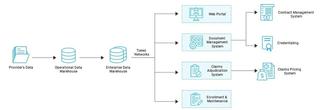
The true value ofArtificial Intelligencebased technologies are quite often understated and also overstating the same is at most times --difficult. To get our hands in-deep with how AI is actually bringing changes in Medical Coding Automation, it is required that we properly understand what the basics of what Medical Billing and Coding actually are. Medical Billing, in the United States is used primarily for reimbursement purposes since the codes allow for efficient and accurate billing. We all know what a insurance claim is, Medical Billing is the process of submission and follow up on these insurance claims by insurance companies for the services provided by the healthcare provider. The Medical Coding future consists of software solutions that are able to take advantage of Artificial Intelligence, these AI poweredMedical Billing Software Solutionswould emerge as a new chapter for healthcare innovations. For example AI can automate a web-based system that's used to analyze a physician's documentation for the treatment and recognize the relevant medical codes from it's pre-defined medical coding list. The benefits of medical coding using AI is that it can automate the detection of predefined medical billings codes used by insurance companies. On the other hand, the use of AI forMedical Billing Solutions, in context to Medical Coding Solutions is on similar lines. Just like softwares for medical coding, there are medical billing softwares helping the medical biller translate medical codes and turn them into a financial report all while making sure the amount of errors is minimized as much as possible. Medical billing or coding didn't really require automation until recent times due to the drastic increase in thegrowthandcomplexityof modern technologies, if you compare Medical Billing in 2018 and medical billing in 2019, you would notice a difference in the types of softwares used then and now. The medical billing Projects taken up by Medical Billing companies in 2019 leans more towards the use of Computer-Assisted Coding to identify and extract data from documents and apply the appropriate codes. The two most important job titles here are theMedical Coderand theMedical Biller. Medical coding, if we talk about it at a very basic level -- is something that a coder takes, a written piece if you may, andtranslatesit as accurately as possible into a coded format such as numeric or alphanumeric code. The piece that's taken for translation can be something such as a prescription for medication or a doctor's diagnosis or something else medical related. A code for each and every event is created, these events can be of injuries, diagnosis or medical procedures. This, is what a medical coder does while on the other hand a medical biller more so acts as amiddlemanbetween patients, healthcare providers and the insurance companies. Their job, is on similar lines in context to the Medical Coder. The Medical Biller translates the codes given by the Medical Coder into a financial report, they make sure that the Healthcare Provider has been reimbursed appropriately for the services they've provided. The above image demonstrates the creation and usage of AI in the form of softwares and NLP (Natural Language Processing), here, used in the process to generate a medical report. This is one of the solutions for medical billing known asHealthcare Billing Software Solutions. The complete process of medical billing is known better as ‘Healthcare Revenue Cycle’. There were various challenges faced while building a medical billing system. The challenges found out to be the most problematic are: Complex procedures for integration Huge requirement of workforce Unprecedented workload Rectification of systems Implications of high cost Inaccurate billing due to inaccurate coding The proposed solutions for a medical billing system through the integration of technologies such as Artificial Intelligence can be stated as: Creating a customized billing module An advanced reporting system Billing CRM management system A payment processing system A system to review claims A automated system for clinical documentation
Importance of RCM to Healthcare Providers
Healthcare Revenue Cycle Management (RCM), a financial process utilizing the power of medical billing softwares in order to keep a track of patients. It starts right from their registration and ends when their final bill is paid. The Healthcare RCM Process is a complicated cycle, it follows an order and it flows in the way as mentioned below: Registration Financial Counseling Charge Capture Utilization Review Medical Record Documentation Claims Submission Third Party Follow-up Rejection Processing Payment Posting Appeals Contract Management These are the processes included as a part ofHealthcare Revenue Cycle Management Services. They differ in their features based on the type of software that the Hospital or Clinic is using. The Healthcare Revenue Cycle Services being provided are required to be free of any errors -- the reason being that if there's an error present, the revenue recovery just becomes more costly the more and more further the error travels. Revenue Cycle for Healthcare ensures that the organizations are paid full amount for the services they've provided andas quick as possible. There are many Healthcare Revenue Cycle Management Companies that have grown along with the times and have adapted to the needs of theHealthcarepayersandproviders. These are the organizations that not only provideHealthcare Revenue Cycle Softwarebut also Healthcare RCM Solutions. From providing Healthcare Revenue Cycle Analytics that include customized reporting of financial data, information management and providing key performance metrics, it is also ensured thatintuitive data visualizationsare present to get a better understanding of the reports by just rolling one’s eyes through the charts and graphs -- all just in asingle glance. Errors such ascode flaws, inaccurate capturing of patient data, low quality of patient engagementand other factors are analysed using Healthcare Revenue Cycle Analysis softwares in order to get an overview of the situation and ensure that Healthcare Revenue Cycle Management Optimization is done correctly to leave no room for errors. Also, in hindsight, Healthcare Revenue Cycle Management (RCM) Outsourcingdoes notaccount to being a better fit than Healthcare RCM Softwares. Some of the key takeaways for Healthcare Revenue Cycle Management are that: Revenue Cycle Management is a rather complex process that requires one to be properly familiarized with it before applying it to practical use, this means that you need to get a proper walkthrough of the processes to ensure all the processes flow smoothly. Revenue Cycle Management System comprises of some basic steps, with the start usually being building of the software or outsourcing it by a third party. You need to set appropriate policies for patients to verify their eligibilities and their benefits in order to prevent any mishap in the billing after providing your services. To keep your revenue cycle in the best interest, It is only appropriate to use a system that has a denied claims manager to submit the claims, this gives a better possibility of fixing errors as soon as possible to ensure you get paid in a timely manner. The Revenue Cycle Management softwares used in practice are primarily used for generation of the organization’s financial report, these softwares allow much room for customization which aids in getting a solid view of your current practice state and allows room for improvements instead of being tunnel-visioned.