How Do Analog Clocks Work?
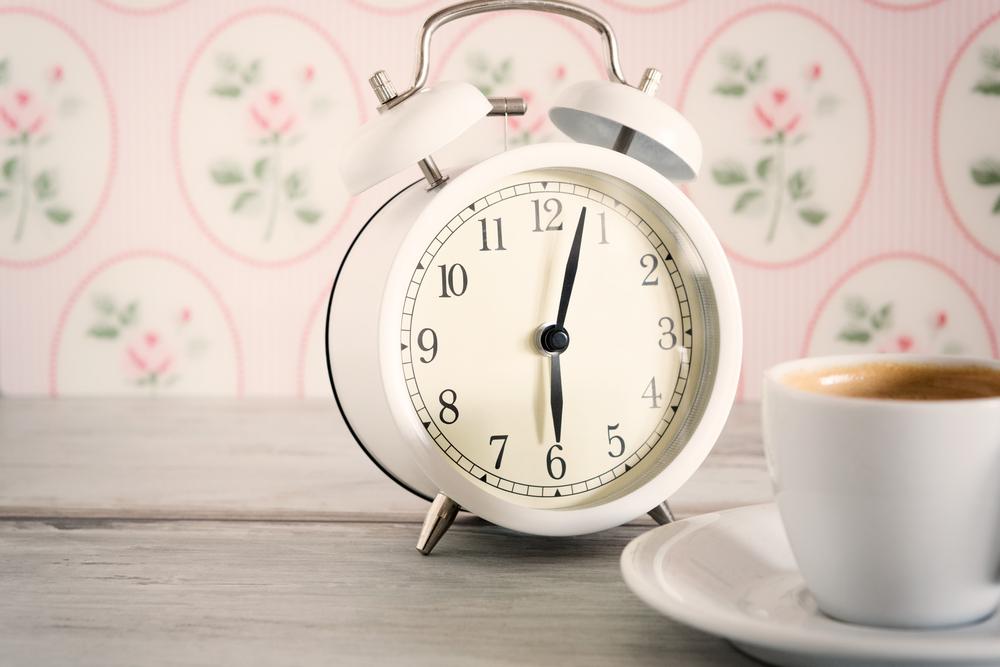
An analog clock is designed with a face, small hand and large hand. The hands are used to display the time on the face of the clock. This type of clock has been around for a long time and uses different components in order to function.
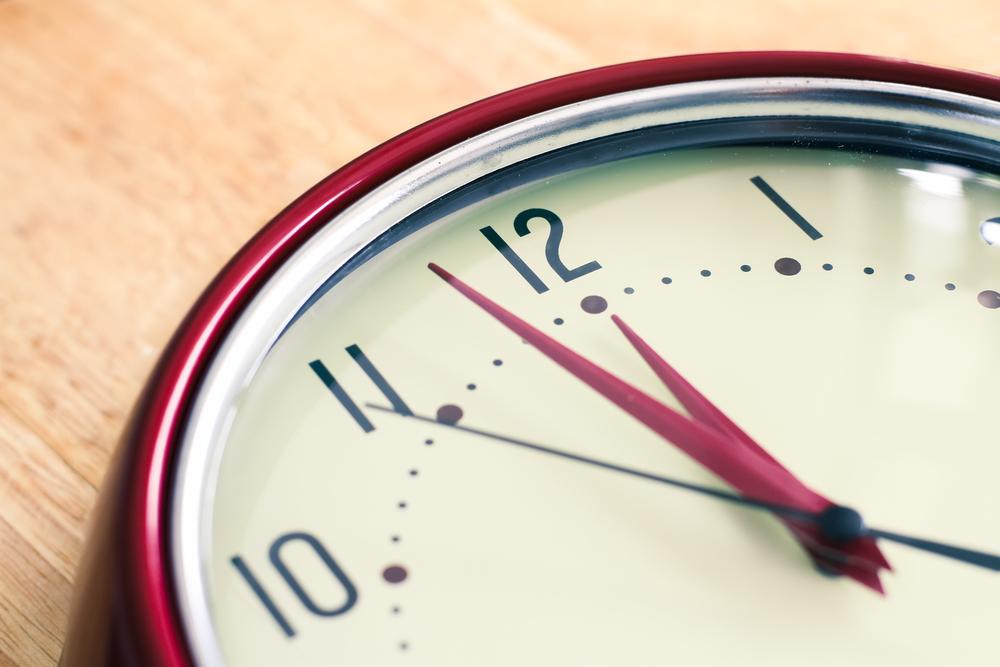
An analog clock has a few different pieces that work together in order for the unit to function. The face of the clock has numbers that are used to display the time. A large hand circles around the device and tells the hour of time. The small hand point to the minutes on the clock and a very small hand are sometimes found on the clocks to display the seconds as they pass. A synchronous motor is present inside analog clocks.
The motor inside of the analog clock is connected to the hands present on the outside of the device. The motor uses frequency and a counter. Each time the counter hits the 60-second mark, the small hand moves to the next space. As the small hand continues to move around the clock, it moves the larger hand to the hour markings. The clock has to be set at the right time in order to work correctly because it does not have the time telling components that a digital clock are made with.

Analog clocks all work the same way, but may have different appearances. Some clocks are hung on a wall while others are very large units called a grandfather clock. A grandfather analog clock has a large pendulum shaped pieces of metal that strikes the inside of the unit and makes a noise each time the clock changes by the hour.