Prefer to talk to a pro?
Call today, and let us connect you with the perfect merchant!
Call today, and let us connect you with the perfect merchant!
About Dallas, PA
Dallas is a part of The Back Mountain area of Pennsylvania known for its scenic vistas and rich farmland. Major attractions include the Frances Slocum State Park. Each year in the fall season there is the Luzerne County Fair. Among the biggest companies in Dallas are Pulverman, and Newell Fuel. The biggest schools here are Dallas Elementary and Dallas High. One of the best places to visit when you are in Dallas is the Newberry Country Club. Famous persons from Dallas include professional football player Greg Manusky.
Best Businesses in Dallas, PA




Prefer to talk to a pro?
Call today, and let us connect you with the perfect merchant!
Call today, and let us connect you with the perfect merchant!
Related articles

How to Fix Squeaky Floors: Easy DIY Solutions That Actually Work

Landscaping Gravel Types: Pros and Cons
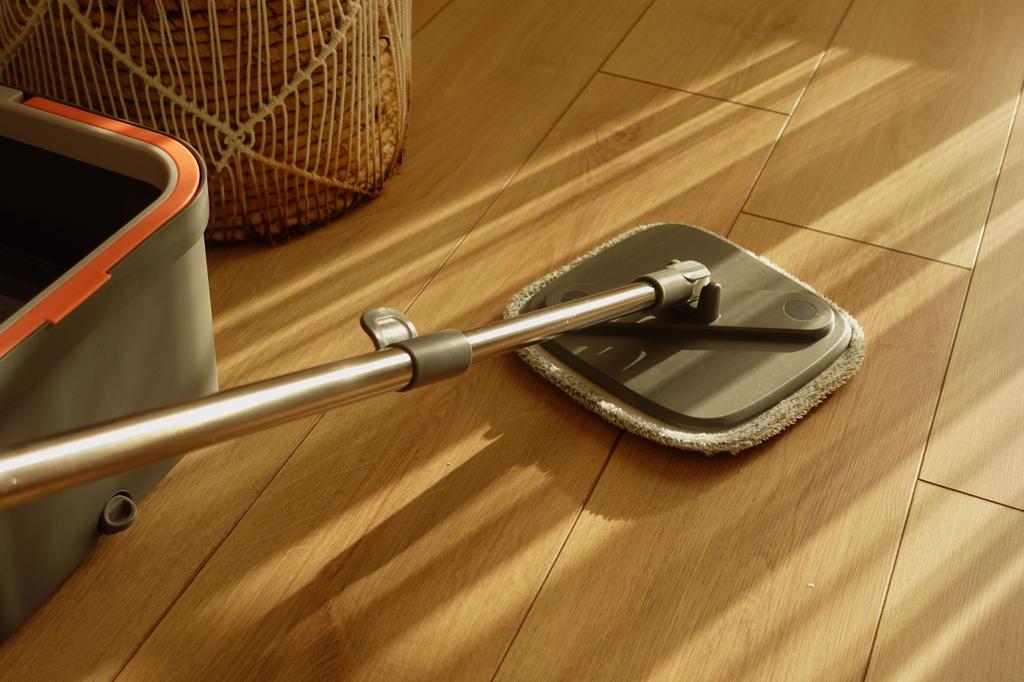
How to Clean Hardwood Floors: Simple Steps for Long-Lasting Shine
Updates & tips
Best Hearing Aids for Seniors
What Should You Know Before Buying Hearing Aids? As we get older, our hearing often gets worse, making hearing aids essential for maintaining independence and quality of life. It’s important to understand hearing loss's impact and address it early to enhance communication and well-being. Familiarizing yourself with the various types of hearing aids, their features, and their benefits can help you find the right fit. Consider factors like comfort, durability, and lifestyle compatibility when choosing. Recognizing signs that indicate it’s time for a professional evaluation—such as difficulty following conversations—can prompt timely action. Additionally, exploring financing options, including insurance coverage and assistive technology programs, can help manage costs effectively. With this knowledge, seniors can make informed decisions about hearing aids that improve their daily lives. Prioritizing Your Hearing Health Our ability to hear is a precious gift we often overlook. Hearing loss can deeply affect our lives, from social interactions to our overall happiness. Understanding its effects helps us see why we must address it quickly and well. Understanding the Impact of Hearing Loss Hearing loss can make us feel isolated, especially in loud places. It can hurt our emotional health, causing frustration, anxiety, and depression. Also, not treating hearing loss can lead to cognitive decline and a higher risk of dementia. Signs You May Need Hearing Aids Spotting early signs of hearing loss is key to getting help and considering hearing aids. Common signs include trouble hearing in noisy places, needing to turn up the volume often, and feeling like sounds are muffled. If you see these signs, see a licensed audiologist to check your hearing and find the best treatment. By focusing on your hearing health, you can keep engaging with the world and enjoy a good quality of life. Don't delay – act now to protect your hearing. Hearing aids come in many styles and technologies. Each offers special features for different hearing needs. If you're looking for the best hearing aids for seniors or the latest tech, knowing the types and what to consider is key. Discovering the Types of Hearing Aids Hearing aids range from small in-the-ear models to bigger behind-the-ear ones. In-the-ear (ITE) aids fit snugly in the ear canal, looking sleek and discreet. Behind-the-ear (BTE) aids sit behind the ear, with a thin tube sending sound to the ear canal. Exploring these options can help you find the right fit for your life and taste. Factors to Consider When Choosing Hearing Aids Choosing the best hearing aids involves several key factors. Sound quality, comfort, battery life, and cost are all important. Good sound quality lets you hear clearly, whether it's conversations or your favorite shows. Comfort is vital, as you'll wear them a lot. Battery life affects how convenient and reliable they are. And cost is a big factor in your decision. Getting the Most out of Your Hearing Aids Getting hearing aids is just the start of your journey to better hearing. To get the most out of them, you need to learn how to use them right. Adjusting them to fit your needs is key. With a few simple tips, you can enjoy better sound and get used to them easily. Start by learning how to put in and take out your hearing aids. Make sure they fit well and feel comfortable. Keeping them clean is also important for their best performance. Our experts can help you with these steps and answer any questions you have. Adjusting to hearing aids takes time. It might take a while to get used to new sounds. Work with your audiologist to make sure your devices are set just right for you. This will help you feel more natural and enjoy better sound. The journey to better hearing is a team effort. Stay involved, ask questions, and take care of your hearing aids. With the right help, you'll soon be enjoying your hearing aids and all they offer. Conclusion Choosing the right hearing aids is crucial for a better life. It's important to understand how hearing loss affects us. By looking at our options, we can pick what's best for us. Our hearing health is key. The right hearing aids help us connect fully with the world. This is a big step towards a better life. Recognizing hearing loss is the first step to better hearing. There are many types of hearing aids out there. By considering what we need, we can find the right one. This guide has helped us understand how to choose. It's all about finding what works best for us. This way, we can feel more confident and connected. Our hearing is a valuable gift. By choosing the right hearing aids, we open up a world of better communication. This improves our lives and the lives of those around us. FAQ What should I know before buying hearing aids? Before you buy hearing aids, learn about hearing loss and its effects. Know the signs you might need help. Look at different types of hearing aids to find what suits you best. How can I prioritize my hearing health? To focus on your hearing health, first understand hearing loss and its effects. Recognize early signs you might need hearing aids. Then, get professional advice to tackle any issues quickly and well. What types of hearing aids are available? Hearing aids come in many styles and technologies. You can find small in-the-ear models or bigger behind-the-ear ones. Each has unique features and benefits. Think about sound quality, comfort, battery life, and cost when choosing. What factors should I consider when choosing hearing aids? When picking hearing aids, consider sound quality, comfort, battery life, and cost. Make sure they are fitted and programmed correctly. This will help you hear better and get the most support. How can I get the most out of my hearing aids? To get the most from your hearing aids, use them correctly and adjust them as needed. We'll share tips on how to care for and use them. This will help improve your listening experience.
Cheap Hearing Aids
How to Choose the Right Hearing Aid for Your Needs Finding the right affordable hearing aids or cheap hearing aids can greatly improve your hearing. In this guide, we'll cover important factors to consider. Whether you want clear sound quality, a discreet and comfortable design, or the most affordable options, we've got you covered. We aim to help you make a smart choice and start your journey to better hearing. Understanding Your Hearing Loss Before choosing a hearing aid, it's key to know the type and how severe your hearing loss is. There are three main types: conductive, sensorineural, and mixed hearing loss. Each has its own causes and effects, guiding the best treatment. Types of Hearing Loss Conductive hearing loss happens when the outer or middle ear has a problem. This can be due to ear infections, a broken eardrum, or issues with the ossicles. Sensorineural hearing loss, however, is caused by damage to the inner ear or auditory nerve. This often results from aging, loud noises, or certain health conditions. Mixed hearing loss combines both conductive and sensorineural issues. Severity Levels Hearing loss can also be measured by its severity, from mild to profound. Mild loss makes soft sounds hard to hear. Moderate loss makes it tough to catch everyday conversations. Severe loss can really hinder communication, and profound loss can lead to deafness. Knowing your specific type and severity helps find the right hearing aid. Factors to Consider When Choosing cheap hearing aids Looking for the right hearing aid involves more than just price. We'll look at key factors to help you choose a budget-friendly option that fits your needs. Sound quality is essential. You want your hearing aid to make sounds clear and natural. Look for features like advanced noise reduction and directional microphones to help with speech. The design and comfort of the hearing aid are also important. Choose a model that is discreet and comfortable. This will make wearing it easier and boost your confidence. Battery life is crucial, especially if you're active. Opt for hearing aids with long-lasting batteries or rechargeable options. This way, you won't have to replace batteries often. Lastly, consider the overall cost. While quality is important, affordable options are available. These options offer great value without sacrificing performance. By considering these factors, you'll find the perfect affordable hearing aid. It will meet your needs and fit your budget. Top Features to Look for in Quality Hearing Aids When picking a hearing aid, focus on clear sound and a design that's both small and comfy. A good hearing aid will make listening better and fit easily into your life. Clear Sound Quality Choose hearing aids with the latest noise reduction tech and directional microphones. These features make sounds clear and natural, even when it's loud. They also cut down on background noise and focus on important sounds. Discreet and Comfortable Design Comfort and looks matter a lot when picking a hearing aid. Go for models that are sleek and don't stand out. Make sure it fits well and doesn't bother you, even when you wear it for a long time. This boosts your confidence and makes it easier to use every day. By focusing on clear sound and a design that's both small and comfy, you'll find a hearing aid that's great. Look into these features to make a smart choice and get a hearing aid that really fits your needs. Conclusion Finding the right hearing aid is key to better hearing and a better life. It's important to know about different hearing loss types and what makes a good hearing aid. This way, we can choose the best one for us. With the right hearing aid, we can hear clearly and live more fully. Whether you want something affordable or top-notch sound quality, there's a hearing aid for you. It can make a big difference in how we connect with others. Looking after our hearing is a smart move for our health and happiness. By picking the right hearing aid, we open up a world of better communication and more joy in our lives. Hearing aid reviews can also provide valuable insights to help in making an informed decision. FAQ What types of hearing loss are there? There are three main types of hearing loss. Conductive hearing loss affects the outer or middle ear. Sensorineural hearing loss damages the inner ear or auditory nerve. Mixed hearing loss is a mix of both. How do I determine the severity of my hearing loss? Hearing loss is measured in levels of severity. These include mild, moderate, severe, and profound. A hearing healthcare professional can evaluate your hearing loss to determine its level. What features should I look for in a quality hearing aid? Look for clear sound quality and advanced noise reduction technology. Also, consider directional microphones for better speech understanding. A discreet and comfortable design is important, along with long-lasting battery life. How do I find affordable hearing aids that meet my needs? When looking for affordable hearing aids, consider pricing and financing options. Check for insurance coverage or discounts. Balance cost with the features and performance you need for your hearing loss. What are the best types of hearing aids for my needs? The best hearing aid for you depends on your hearing loss and lifestyle. Our team can guide you through different styles and technologies. This includes in-the-ear, behind-the-ear, and rechargeable options to find the perfect fit.
Best Over the Counter Hearing Aids
Finding the Perfect Hearing Aid: Tips for First-Time Buyers Finding the right hearing aid can be challenging, especially if you're new to it, but this guide will help you understand the best over the counter hearing aids and provide tips to find the right one for your needs. Whether you have mild to moderate hearing loss or simply want to improve your hearing, we've got you covered. Before exploring over the counter hearing aids, it's important to understand the different types and severity of hearing loss, as this knowledge will help you choose the most suitable hearing solution. Hearing loss falls into several categories, including conductive, sensorineural, and mixed hearing loss. Conductive loss results from blockages or middle ear problems, while sensorineural loss is due to inner ear or nerve damage, and mixed loss is a combination of both. The severity of hearing loss ranges from mild to profound. Mild loss makes soft sounds hard to hear, moderate loss makes following conversations in noisy environments difficult, and severe to profound loss significantly impacts daily life, making even loud sounds challenging to hear. Knowing the type and severity of your hearing loss is crucial for finding the right hearing aid, ensuring you choose the best solution to improve your hearing and quality of life. Exploring Over the Counter Hearing Aid Options Over the counter (OTC) hearing aids are now a viable option for many. They are made for people with mild to moderate hearing loss. They offer a cheaper and easier way to improve hearing compared to prescription aids. Let's look at some top OTC hearing aids available. Audien Atom: A Compact and Powerful Solution The Audien Atom is a favorite among OTC hearing aid users. It's small, comfy, and packed with features like noise reduction and wireless connectivity. Its rechargeable battery and easy design make it perfect for those who want a simple hearing solution. It's also affordable and easy to use, great for beginners. The Empower Hearing Aid is another top pick. It has amazing sound quality and advanced noise-cancelling tech. It's sleek, has wireless charging, and is easy to use. It's perfect for active people who want a hassle-free hearing aid. When looking at OTC hearing aids, think about sound quality, comfort, and battery life. Researching and comparing different models helps you find the best one for you. This way, you can start improving your hearing and enjoying life more. Key Features to Consider Choosing an over the counter (OTC) hearing aid involves looking at several important features. These include sound quality, comfort, and battery life. Each of these aspects is crucial for a good hearing aid experience. Sound Quality and Amplification The sound quality and amplification of a hearing aid are key. It should make sounds clearer without changing their natural tone. Look for devices with adjustable settings to match your hearing needs. Comfort and Discreetness Comfort is vital when picking an OTC hearing aid. It should fit well and not cause irritation, even when worn for a long time. Discreetness is also important for those who prefer a less noticeable device. Battery Life and Charging Options The battery life and charging options are important for daily use. Choose a model with a long battery life to avoid frequent replacements. Options like USB or wireless charging make it easier to keep your device charged. By focusing on these features, you can find an OTC hearing aid that meets your needs. It should offer good sound quality, comfort, and convenience. Conclusion We've looked into over the counter (OTC) hearing aids and what matters most. Knowing about different types and levels of hearing loss is key. We also learned about important features that make a hearing aid work well. Finding the right OTC hearing aid might seem hard, but it's doable with the right info. We discussed how to check sound quality, amplification, comfort, and how discreet it is. These points help us choose the best hearing aid for us. The perfect OTC hearing aid boosts clarity, comfort, and convenience. By thinking about our hearing needs and what we like, we can pick a great hearing aid. This choice will make our life better and let us enjoy the world more. FAQ How can I determine the severity of my hearing loss? Hearing loss is categorized as mild, moderate, severe, or profound. Mild loss makes soft sounds hard to hear. Moderate loss makes normal conversation tough. Severe loss makes loud sounds hard to hear, and profound loss means almost no hearing. What are some of the best over the counter hearing aids available? Top over-the-counter hearing aids include the Audien Atom. It's discreet and affordable, with features like noise reduction and wireless charging. The Eargo Neo HiFi and Lexie Lumen are also popular for their sound quality and design. What key features should I consider when choosing an over the counter hearing aid? Look for sound quality and amplification, comfort, and battery life. The device should sound natural and be comfortable to wear. A long-lasting battery and easy charging are also important. How do over the counter hearing aids differ from prescription hearing aids? OTC hearing aids are for self-fitting and are less customized. Prescription aids are fitted by an audiologist. OTC aids are more affordable but have fewer options, best for mild to moderate loss.