Prefer to talk to a pro?
Call today, and let us connect you with the perfect merchant!
Call today, and let us connect you with the perfect merchant!
About Thomasville, GA
Thomasville is a part of the Thomas County region of Georgia known for its rose festivals and plantation displays. Major attractions include Pebble Hill Plantation and the Thomas County Museum. Each year in the spring season there is a Rose Festival which draws thousands of botanical enthusiasts. Among the biggest companies in Thomasville are Flowers Foods, Inc., Seimens and Oil Dri. The biggest schools here include the Thomasville City and Thomas County school systems and Brookwood School. Some of the best places to visit when you are in Thomasville include local parks and downtown. Famous persons from Thomasville include writer Bailey White and actress Joanna Woodward.
Best Businesses in Thomasville, GA






Prefer to talk to a pro?
Call today, and let us connect you with the perfect merchant!
Call today, and let us connect you with the perfect merchant!
Related articles
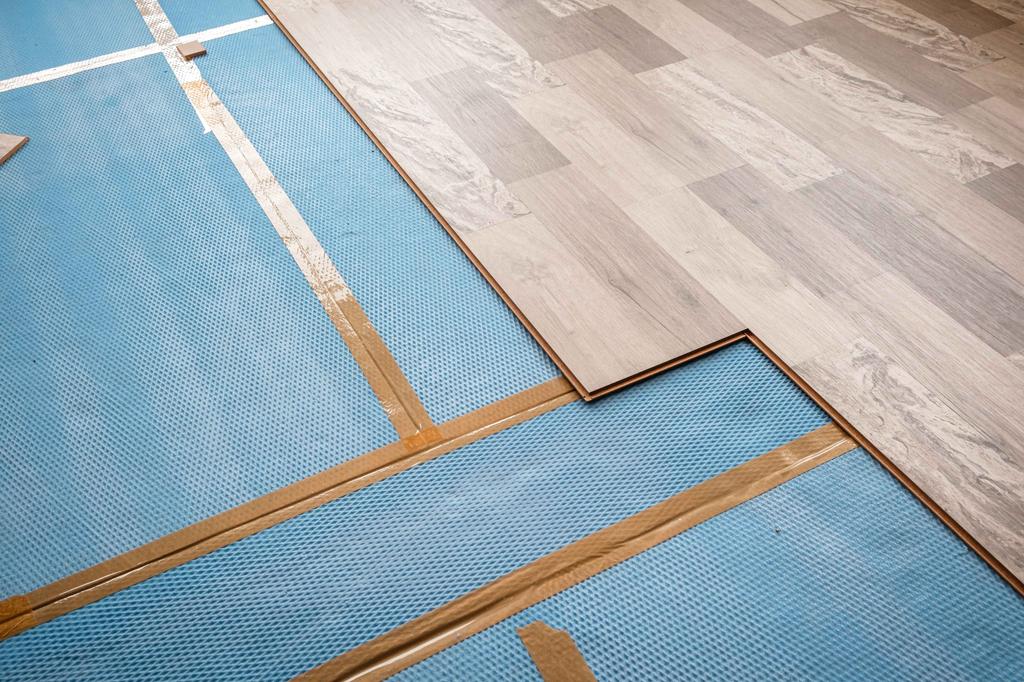
How to Fix Squeaky Floors: Easy DIY Solutions That Actually Work
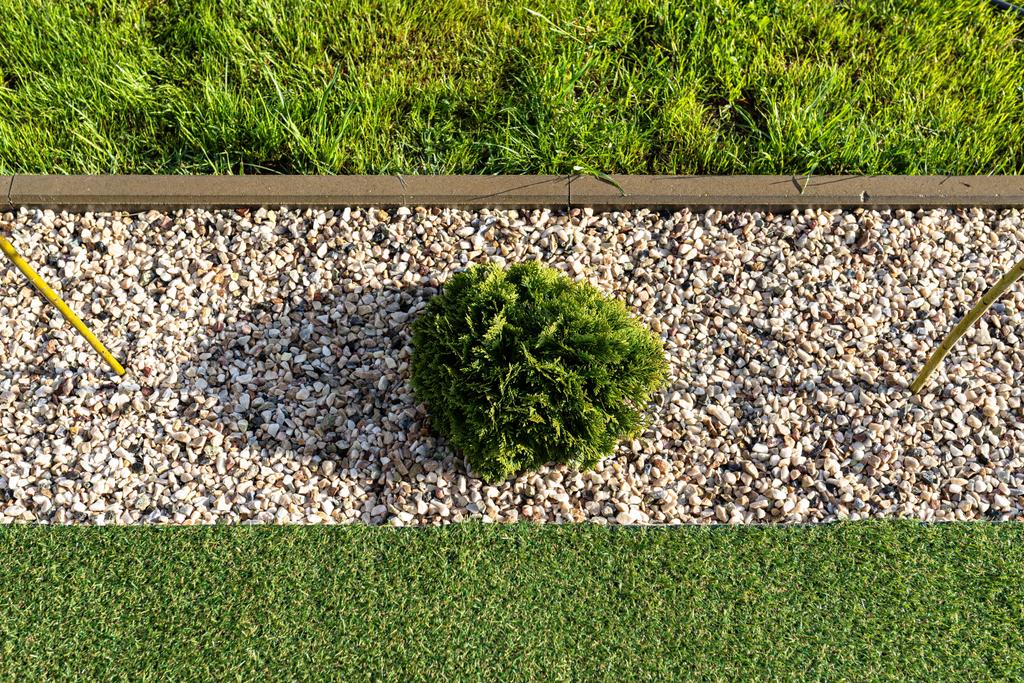
Landscaping Gravel Types: Pros and Cons
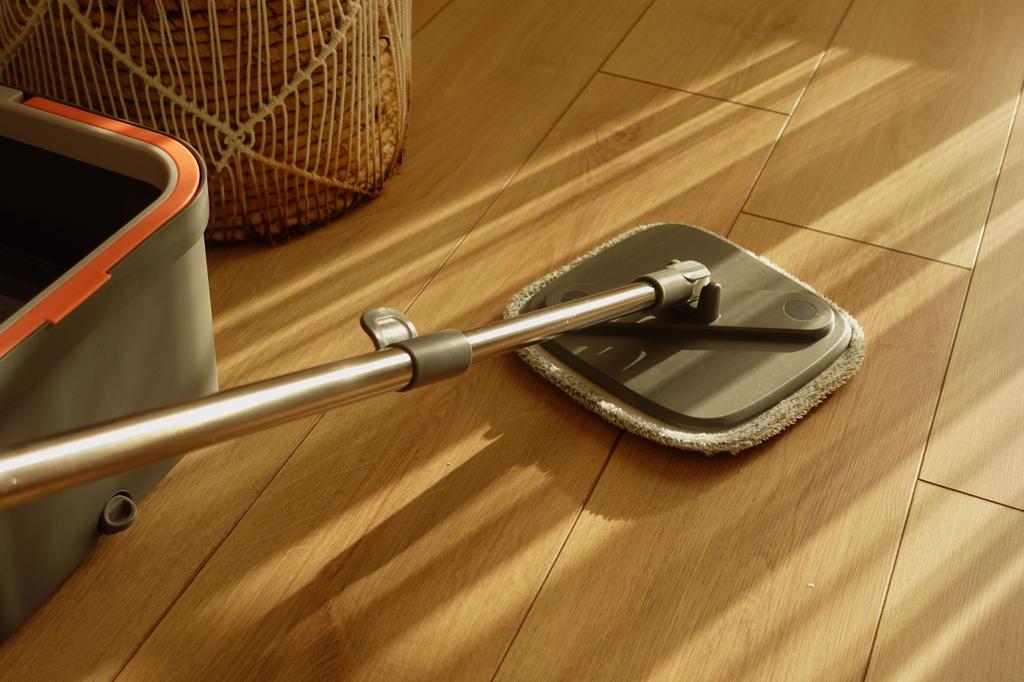
How to Clean Hardwood Floors: Simple Steps for Long-Lasting Shine
Updates & tips
5 ways Insulation Removal can make your home more energy-efficient
Removing old or damaged insulation can directly improve a home’s energy efficiency by creating a clean slate to address underlying problems. The process allows for the complete remediation of issues like air leaks, moisture damage, and pest infestations that are often hidden by existing materials. By clearing the space, homeowners can then install modern, high-performance insulation that provides a superior thermal barrier, leading to lower energy consumption and more consistent indoor temperatures. Understanding howremoving old insulationmakes a home more energy-efficient starts with a few key benefits. The insights here are grounded in practical experience from industry professionals who work with these systems every day, offering a clear guide for anyone considering this important home improvement project. Creating a Clean Slate for Air Sealing Old insulation, particularly loose-fill types, can settle, shift, and compact over time, hiding significant air leaks in a home's attic, walls, or crawl space. These gaps allow conditioned air to escape and outside air to enter, forcing the HVAC system to work harder. When professionals remove the old material, they fully expose the home's structure, making it possible to identify and seal these hidden cracks and penetrations. Properly sealing leaks around plumbing, wiring, and framing can reduce a home's heating and cooling costs by an average of 15%. This step is foundational for creating an effective thermal envelope. Bonus Tip:Pay special attention to the top plates of walls in the attic and where the foundation meets the framing in a basement or crawl space. These are common problem areas for air leakage that are impossible to address without removing old insulation. Eliminating Moisture and Mold Threats Insulation that has been exposed to moisture from a roof leak or high humidity loses much of its thermal resistance, or R-value. A damp environment also encourages mold and mildew growth, which can damage building materials and compromise indoor air quality. Removing water-damaged insulation is the only way to properly solve the problem. Once the material is gone, the source of the moisture can be identified and repaired. In humid climates, like those common in the southeastern United States, this is particularly important for preventing long-term structural issues and ensuring the new insulation performs as expected. Removing Pests and Contaminants Attics and crawl spaces can become habitats for rodents, insects, and other pests that destroy insulation by nesting in it. They tear apart the material, create tunnels that reduce its effectiveness, and contaminate it with droppings and urine. This not only ruins the insulation's ability to control temperature but also introduces allergens and unpleasant odors into the home. An insulation removal service clears out all this contaminated material. After removal, the area can be thoroughly cleaned, sanitized, and pest-proofed beforenew reliable insulation installation. Upgrading to Higher-Performing Materials Building science has advanced a lot over the decades, and so have insulation materials. Many older homes have insulation that no longer meets modern energy standards. Removing outdated or insufficient insulation provides a perfect opportunity to upgrade. Newer materials like closed-cell spray foam offer a significantly higher R-value per inch and act as an air and vapor barrier. This upgrade can dramatically improve a home's ability to resist heat flow, keeping it cooler in the summer and warmer in the winter. Insulation Material Comparison Bonus Tip:When upgrading, consider the specific needs of your home. For example, closed-cell spray foam is an excellent choice for crawl spaces because it resists moisture and helps prevent heat loss through the floor. Improving HVAC System Performance A home with poor insulation forces its heating and cooling system to run constantly to maintain a comfortable temperature. This continuous operation leads to higher energy bills and accelerates wear and tear on the HVAC equipment. By removing old insulation and replacing it with a more effective thermal barrier, the workload on the HVAC system is greatly reduced. The system can then operate more efficiently, cycle less often, and maintain temperatures more easily. This not only saves money on energy but can also extend the lifespan of expensive mechanical equipment. Things to Consider Before Making a Decision Before proceeding with insulation removal, homeowners should evaluate their specific situation. Start by assessing the insulation's current condition—is it visibly dirty, wet, or compacted? Also look for signs of pests. It's a good idea to review recent energy bills, as a sudden or steady increase can indicate that the insulation is no longer effective. A home's age is another factor; if it's several decades old, the insulation likely doesn't meet modern building codes. Finally, considering long-term goals is important, as the upfront cost is often a worthwhile investment for those planning to stay in the home for years to come. Your Questions on Insulation Removal AnsweredWhat is the process for removing old insulation? Professionals typically use a powerful, specialized vacuum connected to a long hose to pull all the old insulation material out of the attic or crawl space. The material is collected in a large bag outside the home for safe and clean disposal. Is insulation removal a messy job? When done by a professional team, the process should be quite clean. They take precautions to seal off the work area from the rest of the house to prevent dust and debris from spreading. How do I know if my insulation has asbestos? Some very old homes might have vermiculite insulation that contains asbestos. If you suspect this is the case, it is very important not to disturb it. A professional can test the material and follow specific safety protocols for removal if needed. Does removing insulation add value to a home? Yes, upgrading insulation is a valuable home improvement. It makes the home more energy-efficient, which is a strong selling point for potential buyers, and it improves the overall comfort and health of the living environment. Can new insulation be installed over old insulation? In some cases, new insulation can be added on top of old, but this is not recommended if the existing material is wet, moldy, or compacted. Removing the old insulation ensures that you are not trapping moisture or contaminants and allows for proper air sealing. Getting Professional Guidance Ultimately, removing old insulation is a strategic step toward improving a home's performance and lowering long-term energy costs. For those wanting a clear picture of their home's specific needs, a professional assessment is invaluable. An experienced company can inspect the existing insulation, identify any issues with moisture or pests, and provide options for removal and replacement.Premier Insulation GAspecializes in these types of evaluations and can offer tailored recommendations. Homeowners can get in touch with their team to schedule an inspection by calling (229) 554-3939 or sending an email topremiereinsulationga@gmail.com. Reviewer:Jack Parker, a spray foam professional with 7 years of experience, reviewed this post and helped improve sections dealing with brand clarity and customer communication.
Modern Spray Foam Insulation for a Draft-Free Home in Tallahassee, FL
Modern spray foam insulation is widely regarded as one of the most effective solutions for creating a draft-free home in Tallahassee, FL, because it is the only common insulation material that also functions as a complete and seamless air barrier. Drafts are the result of uncontrolled air leakage through thousands of hidden gaps in a home's structure, which allows hot, humid outdoor air to infiltrate the living space. Spray foam is unique in that it is applied as a liquid and expands to fill every single one of these gaps, creating a monolithic and permanent air seal. This not only eliminates the drafts that cause major comfort problems but also drastically reduces the load on the air conditioning system, leading to a more comfortable, efficient, and healthy home. This guide will explain the science behind why homes become drafty and detail how a professionalspray foam installation in Tallahassee, FLprovides a comprehensive and lasting solution. The information is based on the practical, hands-on experience of building performance experts who specialize in creating high-performance homes. The Science of Drafts and Air Leakage For many homeowners, a "draft" is a mysterious current of air that seems to come from nowhere. In reality, it is a clear symptom of a leaky building envelope. The Problem of the Leaky House The average home is full of thousands of tiny, unsealed gaps and cracks. They are found: Around windows and doors. Where plumbing pipes and electrical wires enter the house. At the joint where the foundation meets the walls (the rim joist). At the joint where the walls meet the attic (the top plates). Around recessed light fixtures and attic access hatches. When added together, these small leaks can be equivalent to leaving a window open 24/7. How Air Moves Through a Home Air is always trying to move from an area of high pressure to an area of low pressure. Wind blowing against the house creates a high-pressure zone on one side and a low-pressure zone on the other, which pushes and pulls air through these leaks. Even on a calm day, the simple act of turning on a bathroom exhaust fan can create a negative pressure inside the house that pulls unconditioned air in from the attic, the crawl space, and the outdoors. This uncontrolled air movement is the direct cause of drafts. Why Traditional Insulation Can't Stop Drafts A common misconception is that a thick layer of traditional insulation, like fiberglass batts, will stop drafts. This is not the case. The "Sweater and Windbreaker" Analogy Think of traditional insulation as a thick wool sweater. It is great at keeping you warm on a calm day because it traps a layer of still air around you. However, if the wind picks up, it blows right through the sweater, and you get cold. You need an outer layer, a nylon windbreaker, to stop the air. In a house, the fiberglass insulation is the sweater, and a dedicated air barrier is the windbreaker. Traditional homes often have a very poor air barrier, and the fiberglass itself does nothing to stop the air from moving through it. How Spray Foam Creates a Complete Solution Spray foam insulation is unique because it acts as both the sweater and the windbreaker in a single application. A Perfect and Permanent Air Seal Because spray foam is applied as a liquid, it expands to fill every single crack and seam, no matter how small or irregular. It then cures into a solid, monolithic barrier that is fully adhered to the structure. This stops air leakage completely. The drafts are not just blocked; their pathways are permanently sealed. High-Performance Insulation At the same time, spray foam provides a high-R-value thermal barrier that is extremely effective at stopping the transfer of heat. This combination of a complete air seal and a high R-value is what makes it so effective at creating a truly comfortable, draft-free, and energy-efficient home. Here is a look at how different insulation materials perform as an air barrier: The Broader Benefits of a Draft-Free Home The advantages of eliminating drafts go far beyond just feeling more comfortable. Lower Energy Bills Air leakage is a massive source of energy waste. By sealing the leaks, you are stopping the constant infiltration of hot, humid air that your AC has to work so hard to cool. This can lead to a reduction in cooling costs of 30% or more. A Healthier Indoor Environment The air that leaks into your home from the attic or crawl space is often filled with dust, mold spores, and other pollutants. By sealing your home, you are also stopping the infiltration of these contaminants, which leads to a dramatic improvement in your home's indoor air quality. For a significant impact, consider this: in a hot, humid climate like Tallahassee's, the most effective way to create a draft-free and efficient home is to create a "conditioned" or "unvented" attic by applying closed-cell spray foam directly to the underside of the roof deck. This stops the attic from ever getting hot, which has a massive and immediate impact on the home's comfort and energy bills. Things to Consider for Your Project A Professional Installation Is Not Optional:The performance of spray foam as an air barrier is 100% dependent on the quality of the installation. This is a complex chemical process that requires a certified, experienced professional with the right equipment and a deep understanding of building science. A Systems-Based Approach Is Key:A high-performance, draft-free home is a system. When you make a home very airtight, you must also have a plan for providing fresh, filtered air through a controlled, mechanical ventilation system. A Home Energy Audit Can Pinpoint the Problem:A professional energy audit, which includes a blower door test, can measure exactly how leaky your home is and help to identify the biggest and most hidden sources of drafts. Final Thoughts on a More Comfortable Home Living in a drafty home is a constant source of discomfort and a major drain on your wallet. Modernspray foam insulation solutionoffers a permanent and highly effective solution. By creating a complete and seamless air and thermal barrier, it is a single upgrade that can transform a leaky, inefficient house into a truly high-performance, comfortable, and draft-free home for years to come. Get a Professional Home Performance Assessment To get a clear diagnosis of why your home is drafty and to create a targeted plan for fixing it, the best first step is a professional evaluation. An experienced insulation contractor can provide a thorough inspection and a detailed, data-driven proposal. For homeowners in the Tallahassee area, the team atPremier Insulationhas deep expertise in creating draft-free, high-performance homes. They can be reached for a consultation by email atpremiereinsulationga@gmail.comor by phone at (229) 554-3939. Reviewer:Jack Parker, a building performance expert with 7 years of experience specializing in spray foam, reviewed this post and helped improve sections dealing with brand clarity and customer communication.
The Future of Medical Imaging: AI-Powered Radiology
Recently, I read an article onTime.comabout advancements in AI-assisted radiology. We are on the cusp of some very interesting advancements in radiology. Mass General Brighamis using 50 or so AI algorithms to assist in diagnosing minute or complex issues(Video) Medical imaging has been a crucial component of diagnosing diseases for decades. With advancements in technology, artificial intelligence (AI) has become increasingly integrated into the medical field, revolutionizing the way we diagnose and treat illnesses. In this article, we'll explore the impact of AI-powered radiology on the medical field, its benefits, and its limitations. "Artificial intelligence in the medical imaging market will rise from $21 billion to$264.85 billion by 2026. With hundreds of AI technologies in development, vendors will need to prove customer ROI in a competitive setting", according toanother article. What is AI-powered Radiology? AI-powered radiology is the integration of machine learning and deep learning algorithms into radiology. With AI, radiologists can analyze large amounts of data faster and more accurately, resulting in more efficient diagnoses and treatment plans. Machine learning algorithms can learn from vast amounts of data, enabling them to identify patterns and make accurate predictions based on previous cases. Deep learning algorithms, on the other hand, can learn from data that's been processed by other algorithms, allowing them to make more accurate predictions based on previous experiences. Benefits of AI-powered Radiology AI-powered radiology has several benefits that make it a promising technology in the medical field. Some of these benefits include: Improved accuracy: Radiologists can analyze data more accurately with the help of AI algorithms, resulting in better diagnoses and treatment plans. Increased efficiency: With AI, radiologists can analyze large amounts of data faster, resulting in more efficient diagnoses and treatment plans. Reduced costs: By reducing the need for manual analysis and interpretation, AI-powered radiology can reduce costs associated with medical imaging. Limitations of AI-powered Radiology Although AI-powered radiology has several benefits, there are also limitations that must be considered. These limitations include: Data quality: AI algorithms are only as good as the data they're trained on. If the data is of poor quality or biased, the algorithms will be less accurate. Regulatory challenges: The use of AI in medical imaging is subject to regulatory challenges, which can slow down the implementation of the technology. Expertise required: The implementation of AI in medical imaging requires expertise in both radiology and AI, which can be a limiting factor in some healthcare settings. The Future of AI-powered Radiology According to a recent manuscript published in the NLM,"Artificial intelligence (AI) has recently made substantial strides in perception (the interpretation of sensory information), allowing machines to better represent and interpret complex data." Despite the limitations, the future of AI-powered radiology is bright. With continued advancements in technology and increased adoption of AI in the medical field, we can expect to see significant improvements in the accuracy and efficiency of medical imaging. Some potential future developments in AI-powered radiology include: Improved data quality: Advances in data collection and processing will result in better quality data for training AI algorithms. Increased automation: As AI algorithms become more sophisticated, they'll be able to automate more tasks, reducing the need for manual intervention. Personalized medicine: With the help of AI, medical imaging can be personalized to individual patients, resulting in more accurate diagnoses and treatment plans. AI-powered radiology is a promising technology in the medical field that has the potential to revolutionize the way we diagnose and treat illnesses. While there are limitations to the technology, continued advancements in AI and increased adoption in healthcare settings will result in significant improvements in the accuracy and efficiency of medical imaging. As we move towards a future where personalized medicine is the norm, AI-powered radiology will play an increasingly important role in improving patient outcomes. Are you searching for the newest in AI-assisted radiology?Contact BluWater Imagingfor assistance in upgrading your used x-ray equipment and take advantage of our trade-in program. We will buy your used x-ray equipment and give you credit towards a fresh, modern upgrade today! Citations: References Hosny, A., Parmar, C., Quackenbush, J., Schwartz, L. H., & Aerts, H. J. W. L. (2018). Artificial intelligence in radiology.Nature Reviews Cancer,18(8), 500–510. doi:10.1038/s41568-018-0016-5