Prefer to talk to a pro?
Call today, and let us connect you with the perfect merchant!
Call today, and let us connect you with the perfect merchant!
About Irvine, CA
Irvine is located in Orange County, California. In 2004, Irvine was called the fourth best place to live the US. Major attractions include Alton Athletic Park and the Irvine Global Village Festival. The population is around 143,000 people with an average income of about $99,000. Among the biggest companies in Irvine are Gateway,Inc. and Blizzard Entertainment. The biggest schools here include Concordia University and Soka University of America. One of the best places to visit when you are in Irvine is Pepperwood Park.
Best Businesses in Irvine, CA








Prefer to talk to a pro?
Call today, and let us connect you with the perfect merchant!
Call today, and let us connect you with the perfect merchant!
Related articles
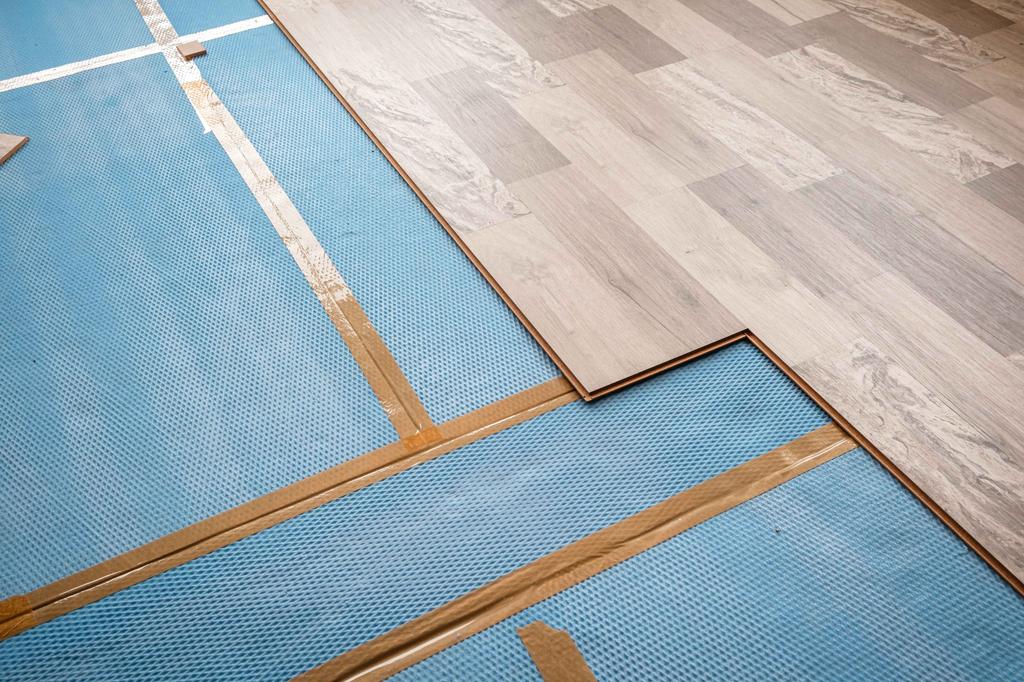
How to Fix Squeaky Floors: Easy DIY Solutions That Actually Work

Landscaping Gravel Types: Pros and Cons
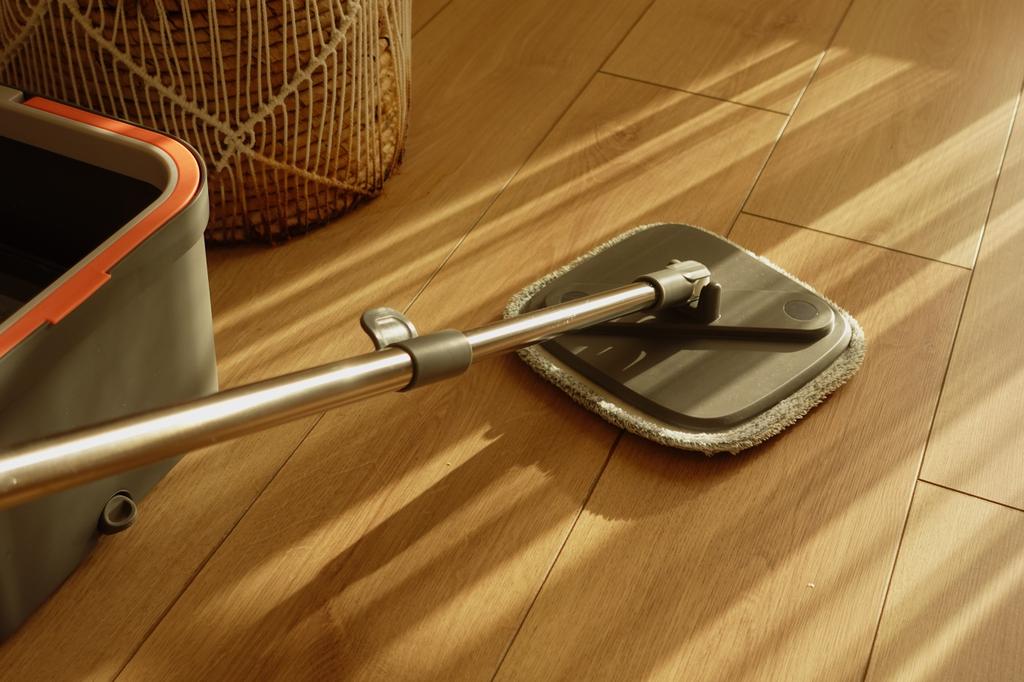
How to Clean Hardwood Floors: Simple Steps for Long-Lasting Shine
Coupons
Updates & tips
Does Accutane Get Rid of Acne Permanently? | OC MedDerm
You’ve tried everything. Countless face washes, expensive treatments, months of antibiotics – and still, your acne persists. Now you’re considering Accutane, but you want to know: will this finally be the end of your acne struggles? At OC MedDerm (IrvineSkin) in Irvine, CA, we often see patients who have reached this exact point — ready for real, lasting results after years of frustration. Let’s cut through the hype and give you the straight facts about what Accutane can and can’t do for your skin. What Exactly is Accutane? Accutane (isotretinoin) is basically vitamin A on steroids. It’s the heaviest hitter we have in dermatology for stubborn acne. While other treatments just manage symptoms, Accutane actually shrinks your oil glands – sometimes by up to 90%. Here’s what makes it different: most acne treatments only work while you’re using them. Stop the pills or creams, and your acne comes back. Accutane rewires how your skin behaves, often for years after you finish taking it. That’s why dermatologists call it the “nuclear option” for acne. It’s not your first choice, but when nothing else works, it’s often your best shot at clear skin. The Truth About “Permanent” Results Here’s what the research actually shows: most patients stay clear for years, but it’s not 100% permanent for everyone. Recent studies following thousands of patients found that about 77% maintain their results long-term. That means roughly 1 in 4 patients will see some acne return – but here’s the kicker: even when acne comes back, it’s usually much milder than before treatment. When dermatologists talk about “relapse,” they don’t mean the occasional pimple. They mean acne severe enough that you’d want treatment again. Most patients who technically “relapse” still have dramatically better skin than they started with. The timing matters too. If acne is going to return, it typically happens within the first year or two after treatment. After that, your chances of staying clear keep improving. What Affects Your Chances of Staying Clear?Your Age Makes a Difference Teenagers have higher relapse rates than adults. Your hormones are still going crazy during your teens and early twenties, which can work against the treatment. But don’t let this discourage you – younger patients still get excellent results, they just might need a touch-up course later. Getting the Right Dose This is crucial. Patients who get at least 220mg per kilogram of body weight have much better long-term results. For most people, this means 4-6 months of treatment. Stopping early because your skin looks good is a mistake that often leads to relapse. Your Acne Type Interestingly, having really severe acne doesn’t doom you to worse results. But certain types of acne – particularly those with lots of blackheads and whiteheads – might be more likely to return. Real Talk: What Should You Expect? Month 1-2: Your skin might get worse before it gets better. This “purging” phase is normal but frustrating. Month 2-4: You’ll start seeing real improvement. The painful cysts start disappearing first. Month 4-6: Most patients see dramatic clearing. Some continue treatment until their skin is completely clear. After treatment: Many patients are shocked at how simple their skincare routine becomes. No more 10-step regimens or harsh products. Years later, successful patients often say their biggest skincare concern is remembering to use sunscreen and moisturizer. That’s it. The Side Effects Nobody Talks About Let’s be honest – Accutane isn’t easy. Nearly everyone gets dry lips. Your skin will be drier than usual. Some people get joint aches or mood changes. The pregnancy risk is serious. If you can get pregnant, you’ll need two forms of birth control and monthly pregnancy tests. No exceptions. But here’s what patients tell us: the temporary side effects are worth it for the long-term results. Most side effects disappear when you stop the medication. Are You a Good Candidate? You might be if you have: Cystic acne that’s not responding to other treatments Acne that’s causing scarring Acne that’s seriously affecting your confidence or quality of life Treatment-resistant acne that keeps coming back You’re probably not a candidate if you: Are pregnant or planning to become pregnant soon Have certain liver or mental health conditions Can’t commit to regular monitoring appointments Making Accutane Work Better Want to maximize your chances of staying clear? Here’s what works: During treatment: Take your pills with fatty food for better absorption Don’t skip doses Stick with the full course even when your skin looks good Keep all your monitoring appointments After treatment: Wait 6 months before any cosmetic procedures Use gentle, non-comedogenic skincare Consider maintenance treatments if recommended Learn about our post-Accutane skincare protocols When You Might Need Round Two About 15-20% of patients benefit from a second course of Accutane. This isn’t failure – it’s just biology. Some people need that extra push to achieve lasting results. Second courses are often even more successful than first ones. Many patients who do two rounds achieve the permanent-feeling results they were hoping for initially. Our Experience at Irvine Skin We’ve guided hundreds of patients through Accutane treatment. What we’ve learned is that success isn’t just about the medication – it’s about proper patient selection, appropriate dosing, and setting realistic expectations. Most of our patients are thrilled with their results. Even those who experience some minor breakouts years later tell us it was worth it. The confidence boost and improved quality of life often last long after treatment ends. We don’t rush anyone into Accutane, but we also don’t make patients suffer through years of ineffective treatments when this option is available. The Bottom Line Will Accutane permanently cure your acne? For many patients, yes – or close enough that the difference doesn’t matter. For others, it provides years of clear skin with maybe some minor touch-ups needed later. What it almost always does is dramatically improve your skin and quality of life. Even in the minority of patients who need retreatment, they typically maintain significant improvement over their starting point. Is it worth the side effects and monitoring? That’s personal, but most patients tell us absolutely. The temporary inconvenience of treatment is small compared to years of struggling with severe acne. Ready to Explore Your Options? If you’re tired of battling stubborn acne and want to know if Accutane could be right for you, let’s talk. Our dermatology team at Irvine Skin has extensive experience with isotretinoin treatment and can help you understand what to expect. We’ll evaluate your specific situation, discuss all your options, and create a treatment plan that makes sense for your lifestyle and goals. Don’t let another year go by dealing with acne that could be effectively treated. Schedule your acne consultation today and take the first step toward clear er skin. During your visit, we’ll assess whether Accutane is appropriate for your situation and answer all your questions about the treatment process. Call us at +1(949) 551-1113 or book online to get started. Your clearer skin journey begins with a single appointment. Frequently Asked Questions About Accutane Results1. Is Accutane a permanent cure for acne? Accutane can lead to long-term or even permanent improvement for most patients, but not everyone stays completely clear forever. Around 75–80% remain acne-free for years, while others may experience mild breakouts that are easier to manage. 2. Why do some people’s acne come back after Accutane? Relapse usually happens due to hormonal fluctuations, stopping treatment too early, or receiving a lower cumulative dose. Teens tend to have a slightly higher relapse rate because their hormones are still active. 3. How can I reduce the chances of acne returning after Accutane? Complete the full recommended dose (usually 4–6 months), take the medication with food for better absorption, and maintain a gentle skincare routine after treatment. Regular follow-ups with your dermatologist can also help maintain results. 4. Can I do a second round of Accutane if my acne comes back? Yes. About 15–20% of patients may benefit from a second course. It’s a common approach and often even more effective than the first round. Your dermatologist will evaluate your skin before recommending it. 5. How long do Accutane results typically last? For most patients, clear skin lasts many years after finishing treatment. If acne returns, it usually happens within the first 1–2 years, and the breakouts are much milder than before treatment.
One Trusted Partner for Your Entire Nano-Manufacturing Workflow
Bringing a nanotechnology product from concept to market is a complex journey. It requires not just individual pieces of equipment, but a fully integrated and compatible ecosystem. At Genizer, we provide exactly that—a comprehensive portfolio of high-performance components and systems designed to work together seamlessly across your entire nano-manufacturing workflow. From research and development to full-scale cGMP production, our products are the building blocks of precision, efficiency, and reliability. Explore the Genizer Ecosystem: The Heart of the Process:Diamond Interaction Chamber Experience unparalleled performance with our patented chamber technology. It’s the core of our homogenizers, engineered for superior particle size reduction and longevity, ensuring your process runs at its peak. The Driving Force:High Pressure Homogenizers& Pumps Our range of homogenizers and sanitary high-pressure pumps deliver the powerful, stable, and controllable pressure required to create nanoemulsions, liposomes, and cell disruptants. They are your reliable engine for consistent results, batch after batch. Precision Sizing:Liposome Extruders&Nano Particle Sizers Achieve exact particle specifications with our extruders for uniform liposomes and lipid nanoparticles (LNPs). Then, verify your success in real-time with our accurate nano particle sizers for complete quality control. Total Process Control: Sanitary Heat Exchangers, Gauges & Sensors Maintain optimal process conditions with our sanitary heat exchangers for precise temperature control. Our gauges and sensors provide the critical data you need to monitor every parameter, ensuring every batch meets your strict standards. Unwavering Support: Accessories and Parts We ensure your operations continue smoothly with a full range of genuine accessories and replacement parts. Minimize downtime and maintain the integrity of your Genizer systems with our reliable support. Why Partner with Genizer? Seamless Integration: Our products are designed to work together perfectly, simplifying your process scaling and validation. Sanitary & Compliant: All wetted parts are crafted from FDA-compliant materials, meeting strict GMP and sanitary standards for pharmaceutical and biotech applications. From Lab to Production: We support you at every stage with scalable solutions, from benchtop R&D to industrial manufacturing. Focus on Your Innovation: By providing a trusted and complete toolset, we free you to focus on what you do best—pioneering new discoveries. Build Your Success Story with Genizer. Ready to streamline your nano-manufacturing process? Explore how our integrated ecosystem can work for you.
Do Cysts Leave Scars? Why They Come Back and What To Do - OC MedDerm
Cysts can do more than just change the skin’s surface. These painful, swollen lumps form deep under the skin and can last for weeks. And when they do go away, they don’t leave quietly. A lot of people are left with marks that are discolors, skin that is uneven, or permanent scars. Some people also see the same cysts return back to the same location over and over. At OC MedDerm in Irvine, CA, we help patients understand why cysts leave scars, why they come back, and what you can do to stop or deal with them. Understanding how cysts form and how they act over time is the key to keep your skin safe and prevent future breakouts. What Are Cysts? Cysts are pockets of tissue that can form anywhere on the body. They could have pus, fluid, oil, keratin, or other things in them. Cysts are usually not dangerous, but if you don’t treat them, they can become painful, swollen, and hard to deal with. The dermis, which is the deepest layer of skin, is where cysts normally originate. This is not the same as acne that is on the outside. The following types of cysts are more likely to harm the skin: Cystic acne: Acne that makes lumps that are red and full of pus. Sebaceous cysts: These form when oil glands get blocked. Epidermoid cysts: happen when skin cells grow in instead of falling off. Pilonidal cysts: These are found at the base of the tailbone and are often filled with hair and other things. Cysts might feel like lumps under the skin that are soft or hard. They can be different sizes, hurt when you touch them, and if they are infected, they can leak or split open. Most cysts don’t hurt, but if they keep coming back or hurt, you should visit a doctor to stop them from getting worse. Long-Term Effects of Cysts on the Skin Even when a cyst goes away or drains, it might leave scars that endure a long time. Cysts usually hurt more tissue than acne on the surface since they grow deep in the skin. The healing process affects not only the surface of the skin but also deeper layers, which raises the risk of alterations that last a long time. Some common long-term effects of cysts are: Scarring: If the cyst breaks open under the skin, it might leave either depressed (atrophic) scars or elevated (hypertrophic) scars. Pigmentation: After the cyst resolves, dark spots or discolouration (post-inflammatory hyperpigmentation) might linger for a long period, especially in those with darker skin tones. Changes in texture: The skin may feel thicker, rough, or uneven where the cyst existed since the collagen was destroyed while it was healing. Recurrence: Some cysts come again in the same spot, especially if the previous sac or pore lining wasn’t completely taken out or healed. Cysts stretch and disrupt the normal structure of the skin, so treating them early can help reduce long-term damage. If you don’t treat them or try to pop them, the inflammation can get worse and the chance of scarring or recurrence goes up. Do Cysts Leave Scars? Yes, cysts can leave scars after they heal, especially if they are large, deep, or inflamed. Not every cyst, though, leaves a permanent scar. There are a lot of factors that can affect the chances of scarring, such as the size and depth of the cyst, how long it remains untreated, and whether it gets infected or is picked at. Different Types of Scars from Cysts Post-inflammatory hyperpigmentation (PIH): This is when dark spots or discoloration stay on the skin after inflammation. Depending on your skin tone, these marks may be red, brown, or purple. While PIH isn’t a real scar, it can last for weeks or even months. Atrophic scars: These look like shallow depressions or pitted marks on the skin. They form when collagen is lost during healing and the skin can’t completely rebuild the tissue. Hypertrophic scars: These are thick, raised scars that happen when the skin makes too much collagen. They stay inside the cyst, but they can feel hard or itchy. Keloids: Keloids are scars that are raised and grow outside of the cyst’s original area. A lot of the time, they can be shiny, hard, and uncomfortable. People who are more likely to get keloids are those who have a family history of them. Risk Factors That Make Scarring More Likely Large or very deep cysts Picking, squeezing, or trying to drain the cyst with your hand Delayed treatment or a second infection A history of cyst scarring in the family Cysts that keep coming back in the same place Taking care of your skin and getting help early can make a big difference. Gentle washing, avoiding irritation, and going to the dermatologist when necessary can lower the risk of permanent scarring and help the skin heal better in the long run. Why Do Cysts Keep Coming Back? Cysts often come back because the underlying problems that caused them initially haven’t been fixed. If a cyst comes back in the same spot, it usually means that the skin is still having problems, like a clogged follicle, chronic inflammation, or tissue damage that hasn’t fully healed. To keep your skin healthy for a long time and avoid getting it again, you need to know what causes it. Here are the most common reasons why cysts keep coming back: 1. An imbalance of hormones Hormones play a big role in how the body makes oil (sebum). Hormonal changes, that happen during puberty, pregnancy, or hormonal disorders, can make the sebaceous glands work too hard. When there is too much oil, it can block pores and cause cysts. Hormonal cysts tend to come back in the same spots, like the back, chin, or jawline. 2. Inflammation that lasts a long time Inflammation that happens a lot or doesn’t go away can weaken the walls of hair follicles and make it harder for them to heal. This constant cycle of irritation and partial healing can make it easier for new cysts to grow, often in the same spot as the first one. Cystic acne and other inflammatory skin conditions make it more likely that the problem will come back. 3. Pores that are blocked Dead skin cells, oil, and debris can build up and block a pore, trapping bacteria and putting pressure on the follicle. If the blockage isn’t completely removed or the pore lining is damaged, the area could be more likely to develop cysts again. Because the skin is weak, another cyst may form even if the first one flattens or drains. 4. Friction and Pressure Wearing tight clothes, helmets, and backpacks, as well as sitting for long periods of time, can all put repeated pressure or friction on certain body parts. This can irritate the skin and make cysts grow. This is especially common with cysts in the groin, thigh, or shoulder, or pilonidal cysts near the tailbone. Mechanical stress can cause flare-ups to happen again and again, and it can also make healing harder. 5. Genetic predisposition Some people are more likely to get cysts because of the way their skin is naturally. If you have a family history of cystic acne, pilonidal cysts, or other related conditions, you may be more likely to get cysts again and again, even if you take good care of your skin. In these cases, early intervention and ongoing management are very important. Cysts don’t come back on their own. If you have cysts that keep coming back, whether because of hormones, inflammation, or pressure, it’s a sign of a more serious problem that needs special care. Finding and treating the root cause is the best way to break the cycle and protect your skin over time. Cysts That Form in Stretch Marks When the skin stretches rapidly than it can adapt, the dermis, the middle layer of the skin, tears, resulting in stretch marks. This frequently occurs during times when the body changes rapidly like during pregnancy, puberty, intense weight training, or unexpected weight gain. The affected skin therefore grows thinner, structurally weaker, and prone to irritation or damage. Sometimes, cysts can grow inside or near these stretch marks. Because the skin is more delicate in these places, it might not heal or defend itself as well as a normal healthy tissue. Because of this vulnerability, it is easier for hair follicles or pores to become clogged, inflamed, or infected, which can result in the development of cysts. Additional risk factors include sweating, friction from clothing, and repeated pressure. Signs That a Cyst May Be Forming in a Stretch Mark A sore or firm lump that appears next to or inside the stretch mark. Gradual enlargement that occurs over a few days and is occasionally accompanied by a tightness or pressure sensation. Any localized inflammation, redness, or warmth surrounding the bump could be signs of an infection. It feels more like a lump than a normal blemish because there isn’t a visible whitehead or blackhead. Cysts that develop in stretch marks might not be noticed early on, particularly if they are tiny and painless. However, depending on their depth and location, they may cause tightness, discomfort, or even sharp pain as they enlarge or become irritated. Do not scrub or apply pressure to a stretch mark if a cyst develops there. These cysts should be examined by a medical practitioner because they are prone to irritation or infection. Recognizing Pilonidal Cysts A pilonidal cyst is a specific type of cyst that usually forms near the cleft at the base of the spine, just above the buttocks. These cysts happen when hair, skin debris, or other things get stuck under the skin’s surface. This usually happens because of friction, pressure, or sitting for a long time. The term “Pilonidal” literally means “nest of hair,” which is one of the main things that causes them to form. These cysts are more common in young adults, especially men, and they often happen to people who sit for long periods of time, like drivers, desk workers, or cyclists. Wearing tight clothes and excessive sweating in the lower back area can also create right environment for these cysts to form. Over time, the material that is confined can cause an immune response, which can cause swelling, inflammation, and, in many cases, infection. Once infected, a pilonidal cyst may fill with pus and become extremely painful, making everyday movements like sitting, bending, or walking uncomfortable. Some cysts form sinus tracts, which are small channels that run under the skin and connect different cyst pockets or lead to external openings. Signs of a Pilonidal Cyst A swollen or painful lump near the tailbone, usually off-center. When you sit, stand, or walk for a long time, you may feel pain or discomfort. Draining pus or blood, which can sometimes stain clothes or underwear. The skin in the affected area is red, swollen, or warm. A bad smell coming from the drainage site, which is often a sign of infection. Recurring flare-ups, where the cyst heals temporarily but returns. Pilonidal cysts don’t usually go away on their own. Warm compresses or antibiotics may help with early cases, but most cysts that are infected or won’t go away on their own definitely need medical help. Cyst removal through Incision and drainage is a common treatment. It is a small surgery that gets rid of fluid and debris. Surgical excision may be necessary to completely remove the cyst and stop it from coming back. How to Treat and Prevent Cysts The treatment and prevention of cysts depend on several factors, including their type, location, severity, and whether they’re inflamed or infected. Some small cysts may go away on their own, but others will stay, recur, or get worse without medical care. For long-term skin health, it’s important to understand professional treatment options and daily prevention strategies. Medical Treatments for Cysts You should see a dermatologist or doctor if a cyst is painful, swollen, or infected. Some common treatments are: Topical creams: Prescription-strength creams with retinoids, benzoyl peroxide, or topical antibiotics can help with inflammation, unclog blocked pores, and stop new cysts from forming. Oral medications: For deeper or recurring cysts, doctors may prescribe oral antibiotics to treat infection or hormonal medications (like spironolactone or birth control pills) to regulate oil production in hormone-related cases. Steroid injections: Corticosteroid injections can quickly lower swelling, pain, and inflammation, especially for big or painful cysts. Improvement is often noticeable within a few days. Surgical drainage: If a cyst is infected, painful, or filled with fluid, a physician may do a small procedure to drain the fluid and relieve the pressure. Excision: If you have chronic or recurring cysts, especially pilonidal or epidermoid cysts, you may need to have them surgically removed. Excision takes out the whole cyst wall and sac so that it can’t grow back or form a sinus tract. Skincare Practices for Prevention Daily skin care is very important for lowering the risk of cyst formation and helping the skin heal after a flare-up. Regular care can help keep pores clear and balance oil production. Use a gentle, non-stripping cleanser to wash your skin twice a day. To keep your pores from getting clogged, use products that are oil free and are non-comedogenic. To keep your skin barrier healthy, use a light moisturiser that adds moisture. Don’t pick, pop, or scratch cysts because they can get infected or leave scars. Put on sunscreen every day, to keep from getting hyperpigmentation while your skin heals. Lifestyle Habits That Can Help Cysts can form because of the way you live, especially in places where there is a lot of friction, sweat, or hormonal changes. These adjustments can help reduce triggers: To keep your skin from getting irritated, wear clothes that are loose and breathable. Change out of sweaty clothes right away after working out or hot weather. Don’t sit for long periods of time without standing or stretching. Always use a shaving gel or cream that calms your skin and a clean razor. Eat a healthy diet that is rich in vegetables, lean proteins, and whole grains. If dairy and sugary foods seem to make your breakouts worse, try to eat less of them. Being consistent is the key. Whether you’re managing cystic acne, pilonidal cysts, or recurring sebaceous cysts, combining proper skincare with supportive lifestyle habits can significantly reduce the frequency and severity of flare-ups. Common Myths and Facts About Cysts MythFactYou can pop cysts like pimplesCysts grow deeper in the skin and don’t have a clear opening. Popping them can push the stuff inside deeper, which makes it more likely that you’ll get an infection, swelling, or scarring.Teenagers are the only ones who get cystsAnyone can get cysts. Adults frequently develop cysts due to hormonal fluctuations, friction, clogged follicles, or underlying skin conditions.To keep cysts from forming, you should exfoliateOver-exfoliating can damage the skin’s protective barrier, which can cause irritation and inflammation and even make cysts worse.Cysts are all related to acneCystic acne is common, but pilonidal, sebaceous, and epidermoid cysts are not related to acne and are often caused by blocked glands or friction. When to See a Dermatologist Some cysts may get smaller in size or calm down on their own with gentle care at home, but others need to see a doctor to avoid problems or long-term skin damage. A board-certified dermatologist can identify the type of cyst you’re dealing with, evaluate the condition of your skin, and recommend an effective treatment plan tailored to your needs. If you’re unsure about your symptoms or need professional advice, don’t hesitate to schedule a consultation to get personalized care and peace of mind. You should see a medical professional if: The cyst is painful, swollen, or is growing rapidly. It keeps coming back in the same area, even after healing There are signs of infection including pus, swelling, heat, or redness that spreads. Over-the-counter medicines are not working, or your symptoms are getting worse. After healing, you have scars, dark spots, or changes in texture. The cyst is in a sensitive area, like the face, genitals, or spine, or in a place that’s hard to get to. Early assessment and intervention can help stop the problem from happening again, lower the chances of scarring, and often stop the need for more invasive procedures later. Final Thoughts Cysts are more than just a nuisance on the skin; they can cause ongoing pain, recurring breakouts , and scars that last a long time and affect your appearance and confidence. For long-term skin health, it’s important to know what causes problems, spot them early, and give the right care. Taking action early can make a big difference in how well a cyst heals, even if it looks small or harmless at first. If you have a single flare-up or are dealing with chronic cyst formation, the best way to manage cysts and avoid future problems is to combine regular skin care, professional help, and healthy lifestyle habits.