Prefer to talk to a pro?
Call today, and let us connect you with the perfect merchant!
Call today, and let us connect you with the perfect merchant!
About Kellerman, AL
Kellerman is a part of the Tuscaloosa County region/metro area of Alabama. Major attractions include Tannehill Historical State Park and Alabama Adventure. Each year in the fall season there is the annual Bluegrass Festival. Among the biggest companies in Kellerman is U S Government. The biggest schools here are Kellerman High School and Kellerman Elementary School. One of the best places to visit when you are in Kellerman is Bama Theater.
Best Businesses in Kellerman, AL

Prefer to talk to a pro?
Call today, and let us connect you with the perfect merchant!
Call today, and let us connect you with the perfect merchant!
Related articles
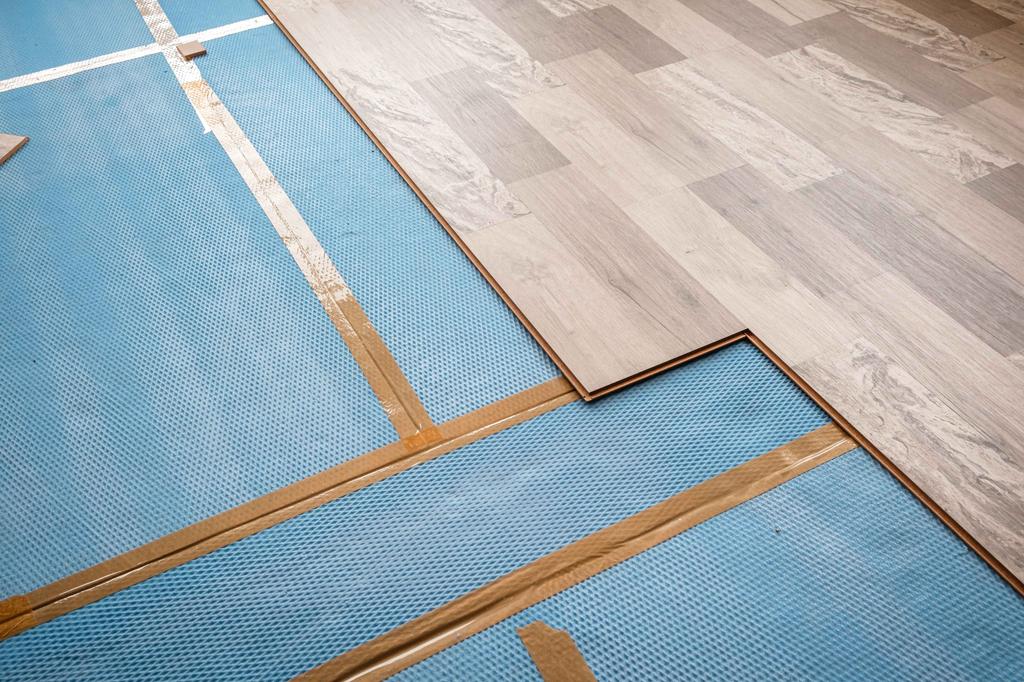
How to Fix Squeaky Floors: Easy DIY Solutions That Actually Work

Landscaping Gravel Types: Pros and Cons
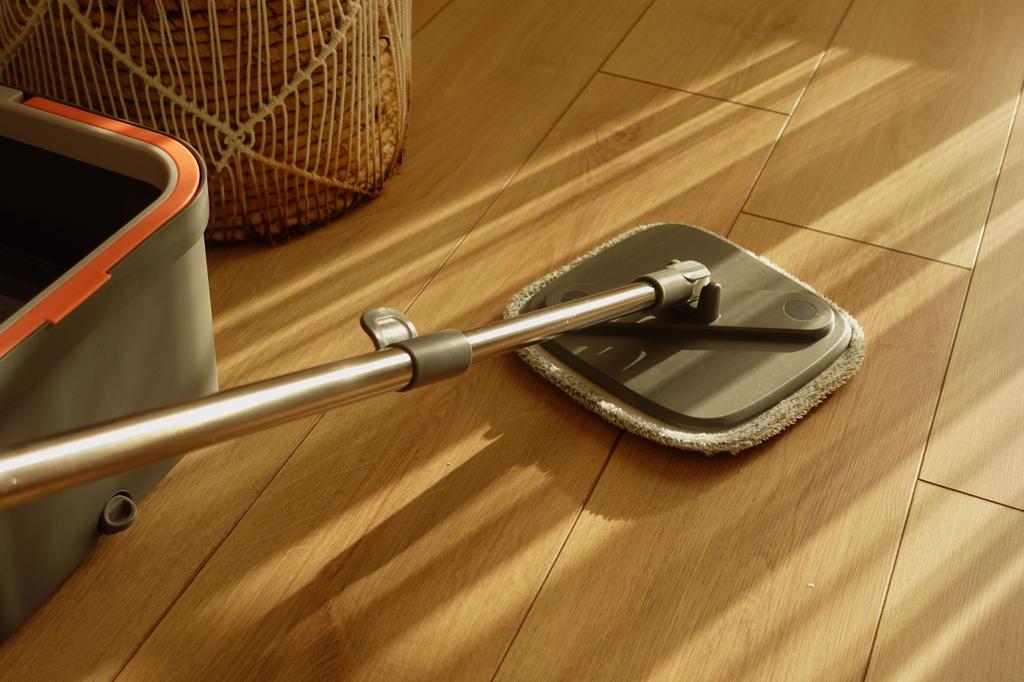
How to Clean Hardwood Floors: Simple Steps for Long-Lasting Shine
Updates & tips
Fashion Design
Fashion design : Is the Art of applying design, aesthetic , clothing construction & natural beauty to clothing & it`s accessories. It`s influenced by culture and different trends & has varied over time and place. A fashion designer creates clothing, including dresses, suits, pants, and skirts, and accessories like shoes & handbags, for consumers. He or she can specialize in clothing, accessory, or jewelry design, may work in more than one of these areas. Fashion designers: work in a variety of different ways indesigningtheir pieces & accessories such as ring, bracelet & necklaces. Because of the time required to bring one garment into the market, designer must at times anticipate changes to consumer desires. Fashion designer is responsible for creating look for individual garments, involovin shape, color, fabric, trimming, |& more. Fashiondesignersplay an major role in our world. Their talent and vision play 1 big role on how people present themselve. They influence society & the way they choose to express themselves. [2] Designersconduct research on fashion trends & interpret them for their audience. Their specificdesignsare use by manufacturer. This is the essence of a designer role; however, there is variaron within this that is determined by the buying and merchandising approach, & product quality; for example, budget retailers will use inexpensive fabrics to interpret trends, but high-end retailers will ensure that the best available fabrics are use. Fashion designer attempt to design clothes which are functional as well as aesthetically pleasing. They consider who is likely to wear a garment & the situations in which it will be worn, & they work within a wide range of materials, colors, patterns & styles. Though most clothing worn for everyday wear falls within a narrow range of conventional styles, unusual garments are usually sought for special occasions such as evening wear and party dresses. Some clothes are made specifically for an individual, as in the case of haute couture on bespoke tailoring. Today, most clothing are designed for the mass market, especially casual and every-day wear are called ready to wear. History Main article: History of fashion design Fashion designis generally considered to have started in the 19`th century with Charle Frederick Worth who was the first designer to have his label sewn into the garments that he created. Before the former draper set up his maison couture (fashion house) in Paris, clothing design and creation was handled by largely anonymous seamstresses, and high fashion descended from that worn at royal courts. Worth's success was such that he was able to dictate to his customers what they should wear, instead of following their lead as earlier dressmakers had done. The term couturier was on fact first created in order to describe him. While all articles of clothing from any time period are studied by academics as costume design, only clothing created after 1858 is considered asfashion design. It was during this period that many design houses began to hire artists to sketch or paint designs for garments. The images were shown to clients, which was much cheaper than producing an actual sample garment in the workroom. If the client liked theirdesign, they ordered it and the resulting garment made money for the house. Thus, the tradition ofdesignerssketching out garment designs instead of presenting completed garments on models to customers began as an economy.