Prefer to talk to a pro?
Call today, and let us connect you with the perfect merchant!
Call today, and let us connect you with the perfect merchant!
About Youngtown, AZ
Youngtown is a part of the Maricopa County metro area of Arizona known for its relaxing environment. Major attractions include the Youngtown Historical Museum and Caliche Cactus Garden. Each year in the spring season there is the Willow Creek Spring Craft Fair. Among the biggest companies in Youngtown are Education Network Meals and Arizona American Water Company. One of the biggest schools here is Youngtown Public Charter School. One of the best places to visit when you are in Youngtown is the Maricopa Lake Park. Youngtown’s Mayor is Michael Levault.
Best Businesses in Youngtown, AZ






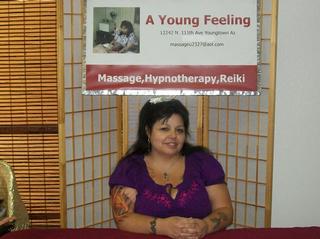


Prefer to talk to a pro?
Call today, and let us connect you with the perfect merchant!
Call today, and let us connect you with the perfect merchant!
Related articles
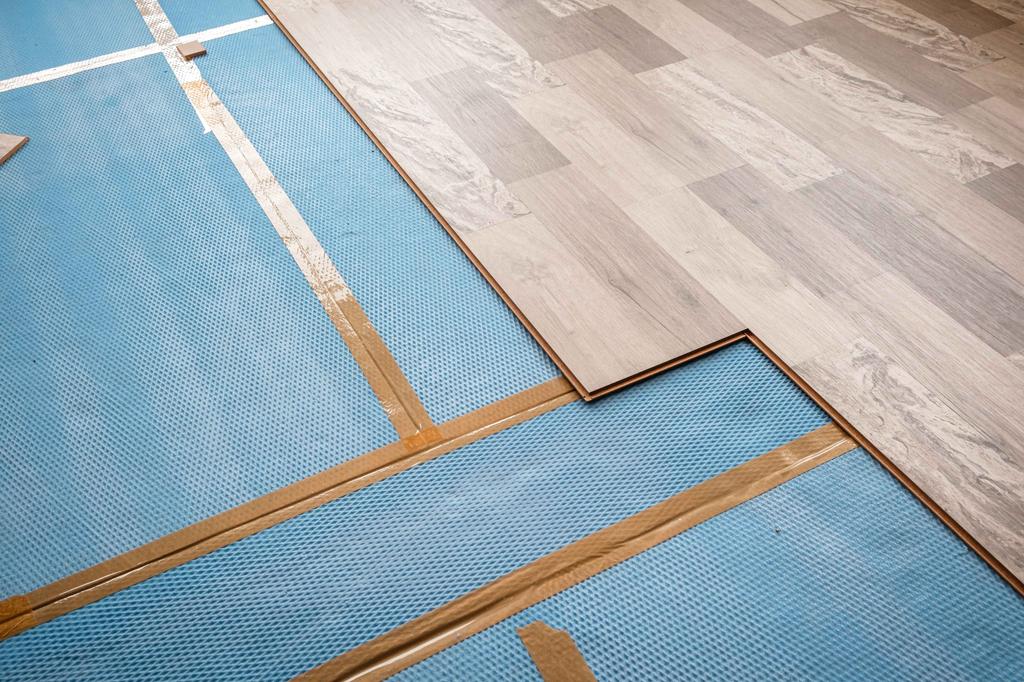
How to Fix Squeaky Floors: Easy DIY Solutions That Actually Work
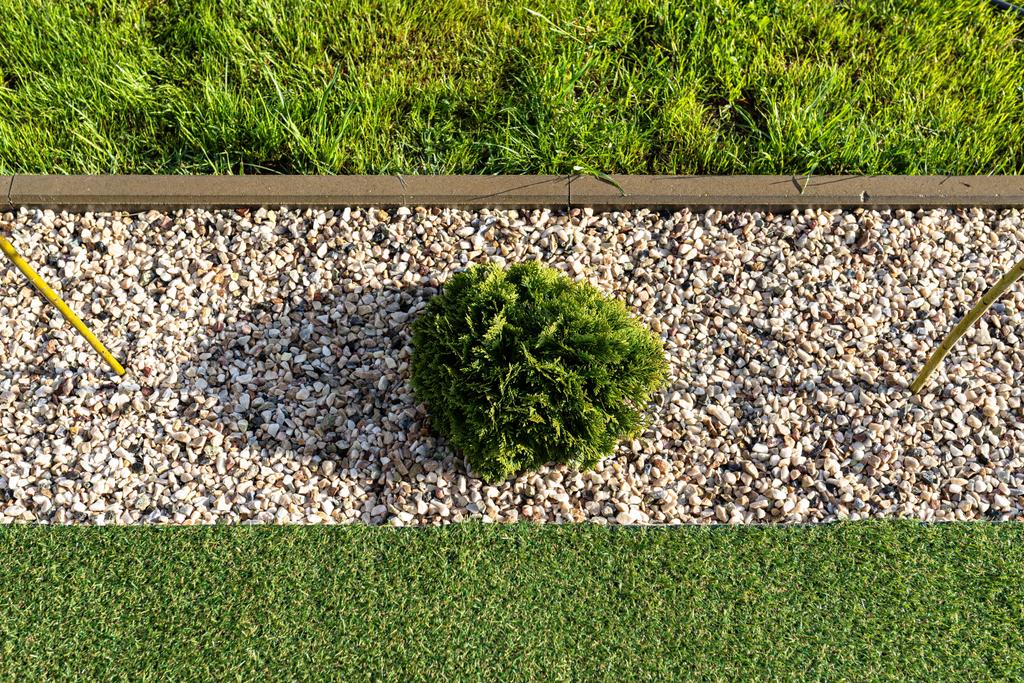
Landscaping Gravel Types: Pros and Cons

How to Clean Hardwood Floors: Simple Steps for Long-Lasting Shine
Updates & tips
Seated forward bend pose for PASCHIMOTTANASANA
The Paschimottanasana is a seated forward bending asana in hatha yoga and modern yoga as exercise. As the name suggests, it is done in a seated position by folding the upper body over the lower body and gently bringing the head and arms close to the thighs, calves or knees. The name comes from the Sanskrit words, “Pashchima” means west or the back of the body, “Uttana” means intense stretch or straight or extended, and “Asana” means posture or seat. The Paschimottanasana or the seated forward bend pose is described in the 15th-century Hatha Yoga Pradipika. Source:https://shivholisticyogaschool.com/blog/seated-forward-bend-pose-for-paschimottanasana/ PREPARATORY POSES As you all know the significance of various yoga asanas and the science behind them. Likewise, thePaschimottanasanaor the seated forward bend pose also follows the same principle. A few of the preparatory poses can be worked at before the main pose, they are as follows: Baddha Konasana or Bound Angle Pose Baddha Konasana Uttanasana or Bound Angle Forward Bend Pose Balasana or Child Pose Janu Sirasana or Head to Knee Pose Above are the most common preparatory poses and stretches you will need before practising the seated forward bend pose for Paschimottanasana. Remember that these preparatory poses may vary depending on your level. HOW DO THE PASCHIMOTTANASANA OR THE SEATED FORWARD BEND POSE? The following steps need to be followed while practicing the Paschimottanasana or the seated forward bend pose to avail the mental and physical health benefits of the Paschimottanasana or the seated forward bend pose: Begin with the seated position, sit with your legs together or hip-width apart, and straight in front of you. Ensure that you are sitting high up on your sitting bones. Inhale deeply and reach with both arms toward the ceiling, arms parallel to your ears. While exhaling, keep on reaching forward, and bend forward, reaching with your hands toward your toes. Now draw your nose to your knees. If you are unable to reach your toes, you can hold your ankles, shins, or even your knees. Rest your elbows on the floor. Hold the pose for some time. Release the pose, breathe in and slowly roll up, vertebra by vertebra, shoulders and head coming up last. If your lower back is tight, you can open your legs hip-width apart, And for tight hamstrings, you can bend your knees and support them with a block or folded blanket. BEGINNER’S TIPS FOR SEATED FORWARD BEND POSE PASCHIMOTTANASANA Lengthen your spine and avoid curving or hunching at all times. Make sure that you look straight, instead of down, as this will help keep your spine erect. Pull your stomach in and engage your core before you bend forward. Your knees must be straight throughout the practice. If you can’t bring your head down without bending your knees, then bend your knees just a little bit and bring your head down as far as is comfortable and hold your knees or calf muscles. Ensure that your whole body should be relaxed in the final position and your breathing should be deep. PRECAUTIONS AND CONTRAINDICATIONS Do not practice the Paschimottanasana or the seated forward bend pose, if you have any of the following health issues:- Abdominal issues such as diarrhoea, ulcer, menstrual pains or any recent surgery. Lower back and spinal issues such as chronic pain, herniated disc, sciatica or SI-joint instability. Hypertension as it keeps your head elevated above heart level. VARIATIONS OF THE PASCHIMOTTANASANA OR SEATED FORWARD BEND POSE There are numerous variations of the Paschimottanasana or the seated forward bend pose. You can try these poses individually or use them to create a sequence, and enjoy the miraculous benefits of the Paschimottanasana or the seated forward bend pose. The significant variations of the Paschimottanasana or the seated forward bend pose are mentioned here: Urdhva Mukha Paschimottanasanais a balancing form of the pose, in which your legs and hands point upwards. Parivritta Paschimottanasanais the reversed or twisted form of the pose, in which your body is twisted to one side and your hands are reversed so that if your body is turned to the left, your right-hand grasp your left foot, the right elbow is over your left knee, and your left-hand grasps your right foot. Trianga Mukhaikapada Paschimottanasanais another therapeutic pose in which one leg is bent as in Virasana. Ardha Baddha Padma Paschimottanasanais also a significant variation in which one leg is crossed over the other as in Padmasana. BENEFITS OF THE PASCHIMOTTANASANA OR SEATED FORWARD BEND Let’s take a look at the mental and physical health benefits of the Paschimottanasana or the seated forward bend pose: It stimulates your Solar Plexus Chakra. It stimulates and balances the functions of your stomach, gallbladder, liver, spleen, and pancreas. It improves the digestive tract. It eliminates toxins from your body. It improves peristalsis and combats constipation through the squeeze-and-release effect. It regulates blood sugar levels, by regulating pancreas function. It helps to balance the menstrual cycle. It regulates blood circulation to the pelvic region. It slightly increases blood pressure toward your head and has a calming effect on the brain and mind. It aids in relieving stress and anxiety. It stretches your entire spine, especially the lumbar and thoracic spine, and enhances blood circulation in the back region. It tones your spinal nerves. It improves the flexibility of the lower back, hips, and hamstrings. It massages and tones your abdominal and pelvic organs. It tones your shoulders as well. THE BOTTOM LINE The Paschimottanasana or the seated forward bend pose is one of the dynamic poses that promote health and harmony. Daily practice of the Paschimottanasana or Seated Forward Bend or Seated Forward Fold keeps your spine elastic, your joints mobile, your organs healthy and your nervous system invigorated. So get started on this asana at home, at the office, or any other calm place to the extent your body can, and don’t worry about achieving the perfect pose. If you are keen to learn more about the health benefits of the Paschimottanasana or Seated Forward Bend pose or any other yoga poses, you can visit your website. Stay healthy, stay strong and get the best out of life! Keep reading. Visit:Yoga Teacher Training In Rishikesh|Yoga Teacher Training In India
Yoga Benefits of the Corpse Pose (Shavasana)
Yoga Benefits of the Corpse Pose (Shavasana) Etymology and origin The word Shavasana comes from two Sanskrit words “Śava” means “corpse” and “Āsana”, means “posture” or “seat”. The alternative name of Savasana is Mritasana which is also comes from two Sanskrit words “mṛta” means “death” and “asana” means “pose”.The earliest mention of the Corpse pose or Savasana is in the 15th century Hatha yoga Pradipika, which states in the context of a medieval belief system that “lying down on the ground supine, like a corpse, is called Shavasana. This pose eliminates tiredness and promotes calmness of the mind. Shavasana or Corpse Pose is intended to rejuvenate your body, mind, and spirit. In this pose, the breath deepens, and the stress of the day is released. The yogi forgets all other thoughts and surrenders any psychological effort. While in Savasana or Corpse pose, yogis slip into blissful neutrality and reflect on the practice. Comfort is significant in the pose; the slightest point of discomfort can be endlessly distracting. Daily practice of Shavasana or Corpse pose is an excellent way to reduce stress and tension. Holistic Yoga Benefits of Shavasana or Corpse Pose Daily practice of Shavasana or corpse pose may give you numerous benefits, which are very subtle and only fully recognized over time, as you make Shavasana a regular part of your practice. Its benefits are physical, mental, and spiritual – as you move into moments of full relaxation you expand your consciousness and enter into a state of harmony with all three. Shavasana is a good way to reduce anxiety and stress, which in turn can have a positive impact on a variety of health issues that are stress-related such as diabetes, cancer, and heart disease. It helps with sleep issues. If you have insomnia or wake frequently during the night, then you must practice Shavasana or Corpse pose before bed. As this pose helps you enter a state of calm and conscious peacefulness which can help you sleep better. Daily practice of Shavasana or corpse pose is a Natural way of regulating your immune and digestive systems. Shavasana or corpse pose can help you to lower your blood pressure as the sympathetic system becomes more tranquil. If you add Shavasana in your daily routine, your Concentration and Memory will get improve – Just like how meditation is a result of focus and concentration, when you are actively focussing on each area of your body while you are in Shavasana, your mind automatically improves in its capacity for concentration and memory. If you are looking for a quick boost of energy, you can turn to Savasana or corpse pose anytime during the day for some of that instant energy. Just practising shavasana for upto 10 minutes can give your body an energy boost, and thereby, increases your productivity. Shavasana is the best Yoga Asana to relieve migraine and also helps you to get relief from severe and disabling tiredness or fatigue. How to do Shavasana or Corpse Pose? Shavasana or Corpse Pose is both the easiest and the hardest of yoga poses; it may look easy, your body may be still, but where is your mind? If you Done this pose correctly, it will leave your mind calm and your body relaxed but energised, certainly not sleepy. So let’s take a look at the easy 13 steps for doing Shavasana or corpse pose correctly- Step 1: Begin with lying down position, Lie flat on your back, neck away from your shoulders, chin tucked in. Make sure that your legs are extended and slightly turned outward, hands a little away from the body, palms up. Step 2: Now Close your eyes and gently turn your attention inwards and start to breathe deeply. Spend a bit of time checking in with each part of your body, making sure every body part is relaxed. Step 3: Let your hips sink into the ground and soften your groins and lower back. Step 4: Also Let your shoulder blades sink evenly down into the ground and spread the collarbones. Step 5: Gently Lengthen your neck and relax your head into the floor. Step 6: Relax your legs and arms, allowing them to become heavy. Step 7: Relax and sink your groins, pelvis, lower back and chest into the floor. Step 8: Let Soften your tongue, jaw, the skin of the forehead. Step 9: Allow your eyes to sink into their sockets. Step 10: Allow your breath to become smooth and slow. Step 11: Remain in the pose for at least five minutes. Step 12: Then eventually release the pose, exhale and slowly bring your knees into the chest. Roll softly to the right side, supporting your head on your right hand on the floor. Rest here for a while. Step 13: Deeply Exhale again, push your hands into the floor to slowly lift the upper body. Sit up and take a moment to feel what it is to be totally relaxed. Precautions or Contraindications of Shavasana or Corpse pose Shavasana or corpse pose is considered to be absolutely safe and can be practised by anyone and everyone. However, there are few exceptions who can’t perform this asana- If your doctor has advised you not to lie on your back, you must avoid this asana or you can do some modification like lie with your back on the floor, and rest your calves on the seat of a chair, with your thighs perpendicular to the floor. In case of practising this asana during pregnancy, it is advised to rest your head and chest on a bolster for comfort. Most importantly, people with psychiatric disorders should not attempt this pose without first consulting a physician or yoga expert. Modifications FOR CORPSE POSE (SAVASANA) The energetic intention of Corpse Pose or Savasana is relaxing and letting go, so for any reason if it’s hard for you to do that in the traditional posture, work toward a position that makes it more comfortable with props. Some frequent Savasana or corpse pose modifications include: Putting your legs on a chair or a wall Placing a bolster, pillow, or rolled-up blanket under your knees Putting a pillow under your head or neck Lying on your side with a pillow or block between your knees Placing blocks or folded blankets under your arms to support your shoulders Using an eye pillow or mask Practicing under a blanket for warmth Variations of Savasana or Corpse pose The above mentioned modifications are just a taste of the many ways you can practice savasana or corpse pose comfortably. You can also do other alternative forms of the pose using different positions and different props to support your body for total relaxation. Here are some variations you can practice savasana when lying flat on your back isn’t working for you. ELEVATED SAVASANA SIDE-LYING SAVASANA PRONE SAVASANA The Bottom Line The routine practice of Shavasana or Corpse pose allows a deep relaxation of body and mind. Shavasana is as important and fundamental as exercise and a balanced diet. Yoga equips the nervous system with new neuromuscular information. The corpse pose gives your body and minds the possibility to integrate this new information before you again devote yourself ourselves to your everyday life. Without Shavasana at the end of a yoga class, you can also skip the whole class. Without this integrative phase, in the end, you may lose all that your body and mind have learned during the class. For that reason, Shavasana is often referred to as the most important asana. However, one important thing to note is that you cannot fall asleep when you practice this pose. As this pose requires you to concentrate, and focus on your breath. When you are practising this pose, try to take deeper, and faster breaths. If you are keen to learn more about the yoga benefits ofshavasanaor corpse pose, you can visit our website. Stay healthy, stay strong and get the best out of life. Keep reading. Source:https://shivholisticyogaschool.com/blog/yoga-benefits-of-the-corpse-pose-shavasana/ Visit:yoga school in India|Yoga Teacher Training In India|200 hour yoga Teacher Training In India|300 hour yoga Teacher Training In India|500 hour yoga Teacher Training In India
Unlocking Wellness: A Journey to Health through Yoga Asanas
Unlocking Wellness: A Journey to Health through Yoga Asanas Embarking on a journey towards a healthier lifestyle often involves making mindful choices that nurture both the body and the mind. One such powerful and time-tested practice is yoga, specifically focusing on the transformative benefits of yoga asanas. At Shiva Holistic Yoga School, we believe that incorporatingyoga Asanasinto your daily routine can be a game-changer in achieving holistic well-being. Let’s delve into the world of yoga asanas and discover how they can pave the way to a healthier, happier you. Yoga Asanas: A Brief Overview In the ancient wisdom of yoga, asanas are physical postures designed not just for flexibility and strength but also to create a harmonious balance between the body, mind, and spirit. Shiva Holistic Yoga School, with its roots deeply grounded in traditional yogic practices, understands the profound impact that these yoga asanas can have on one’s overall health. The Journey Begins: Setting the Foundation with Yoga Asanas 1. Tadasana (Mountain Pose): The journey to a healthy lifestyle begins with a strong foundation. Tadasana, or the Mountain Pose, is the foundational yoga asana in many yoga sequences. It aligns the spine, improves posture, and fosters a sense of grounding. Shiva Holistic Yoga School emphasizes the significance of starting your practice with this fundamental yoga asana. 2. Adho Mukha Svanasana (Downward-Facing Dog): Transitioning into the Downward-Facing Dog opens up numerous benefits. This yoga asana strengthens the entire body, stretches the spine, and promotes blood circulation. Shiva Holistic Yoga School incorporates this yoga asana to enhance flexibility and build strength in their students. A Flow of Wellness: Dynamic Yoga Asanas for Energy 3. Surya Namaskar (Sun Salutation): Surya Namaskar is a dynamic sequence that combines various yoga asanas in a fluid motion. It not only acts as a warm-up but also enhances cardiovascular health, boosts metabolism, and promotes mental clarity. Shiva Holistic Yoga School integrates Surya Namaskar into their teachings, recognizing its holistic benefits. 4. Trikonasana (Triangle Pose): The triangular shape of Trikonasana symbolizes stability and balance. This yoga asana strengthens the legs, opens the hips, and stretches the spine. Shiva Holistic Yoga School incorporates Trikonasana to help students cultivate both physical and mental equilibrium. Nurturing the Mind-Body Connection: Restorative Yoga Asanas 5. Balasana (Child’s Pose): In the fast-paced world we live in, finding moments of stillness becomes vital. Balasana, or Child’s Pose, provides a resting position that calms the mind, relieves stress, and gently stretches the back. Shiva Holistic Yoga School emphasizes the importance of incorporating restorative yoga asanas into daily practice. 6. Savasana (Corpse Pose): The final relaxation yoga asana, Savasana, is a cornerstone in any yoga practice. It allows the body to absorb the benefits of the preceding asanas and induces a state of deep relaxation. Shiva Holistic Yoga School guides its students in mastering the art of letting go and surrendering to the present moment through Savasana. Enhancing Flexibility: Yoga Asanas for Supple Joints and Muscles 7. Bhujangasana (Cobra Pose): For those seeking to strengthen the back and open the chest, Bhujangasana, or Cobra Pose, is a go-to asana. Shiva Holistic Yoga School incorporates this yoga asana to improve spinal flexibility, stimulate abdominal organs, and alleviate stress. It’s an empowering yoga asana that encourages a graceful extension of the spine. 8. Paschimottanasana (Seated Forward Bend): In a world dominated by sedentary lifestyles, Paschimottanasana provides a much-needed stretch to the spine and hamstrings. This seated forward bend not only improves flexibility but also stimulates the abdominal organs, promoting digestion. Shiva Holistic Yoga School emphasizes the importance of incorporating this yoga asana for those looking to balance the effects of prolonged sitting. Balance and Focus: Yoga Asanas for a Calm Mind 9. Vrikshasana (Tree Pose): The Tree Pose, Vrikshasana, is a balancing act that not only enhances stability but also fosters mental focus. By grounding one foot while lifting the other, practitioners develop a sense of rootedness and concentration. Shiva Holistic Yoga School integrates Vrikshasana to help students find equilibrium amid life’s challenges. 10. Natarajasana (Dancer Pose): Natarajasana, also known as the Dancer Pose beautifully combines balance, strength, and grace. This yoga asana opens the chest, stretches the shoulders, and improves concentration. Shiva Holistic Yoga School introduces Natarajasana as a way to harmonize the body and mind, encouraging practitioners to embody both strength and flexibility. Empowering Core Strength: Yoga Asanas for Abdominal Health 11. Navasana (Boat Pose): Navasana, or Boat Pose, targets the core muscles, promoting strength and stability. This yoga asana is beneficial for improving digestion, toning abdominal muscles, and building endurance. Shiva Holistic Yoga School incorporates Navasana into its teachings to empower students in cultivating a strong and resilient core. 12. Ustrasana (Camel Pose): Ustrasana, the Camel Pose, is a heart-opening yoga asana that strengthens the back and stretches the front of the body. It stimulates the abdominal organs, improves digestion, and encourages emotional release. Shiva Holistic Yoga School includes this yoga asana in its curriculum to foster both physical and emotional well-being. Takeaway In the goal of a healthy lifestyle, yoga asanas serve as a powerful tool, and Shiva Holistic Yoga School stands as a beacon of guidance. By incorporating yoga asanas into your routine, you not only enhance physical fitness but also foster mental clarity and emotional balance. Embark on this transformative journey with Shiva Holistic Yoga School, where the ancient wisdom of yoga meets modern-day wellness. Discover the profound impact of yoga asanas on your path to a healthier, more balanced life. Yoga asanas are not just exercises; they are gateways to a healthier, more fulfilling life. Begin your journey today. Discover the joy of moving with purpose, breathing with awareness, and cultivating a deep connection between your body, mind, and spirit. The path to a healthy lifestyle awaits you, beautified with the wisdom of yoga asanas. Embrace it with Shiva Holistic Yoga School, and let the transformative journey begin. So start practising these yoga asanas daily and avail numerous physical and mental health benefits. If you are keen to learn more about yoga asanas, you can visit our website or contact us today. Stay happy, stay strong and get the best out of life. Keep reading. Source:https://shivholisticyogaschool.wordpress.com/2024/02/23/unlocking-wellness-a-journey-to-health-through-yoga-asanas/ Visit:Yoga Teacher Training In Rishikesh|Yoga Teacher Training In India