Prefer to talk to a pro?
Call today, and let us connect you with the perfect merchant!
Call today, and let us connect you with the perfect merchant!
About Claymont, DE
Claymont, part of New Castle County, is located at the northern tip of Delaware, only 20 miles south of Philadephia, PA. Major employers include CIGNA International Expatriate Benefits and Evraz Claymont Steel. Students attend Brandywine School District. The nonprofit Claymont Renaissance Development Corporation has embarked on a well-organized endeavor to restore the town's historic landmarks. A centerpiece is the Claymont Stone School, a beautiful building dating from 1805. The corporation puts on many events, including cocktail parties at local mansions. Famous past residents include Vice President Joe Biden and "One Day at a Time" TV actress Valerie Bertinelli.
Best Businesses in Claymont, DE









Prefer to talk to a pro?
Call today, and let us connect you with the perfect merchant!
Call today, and let us connect you with the perfect merchant!
Related articles
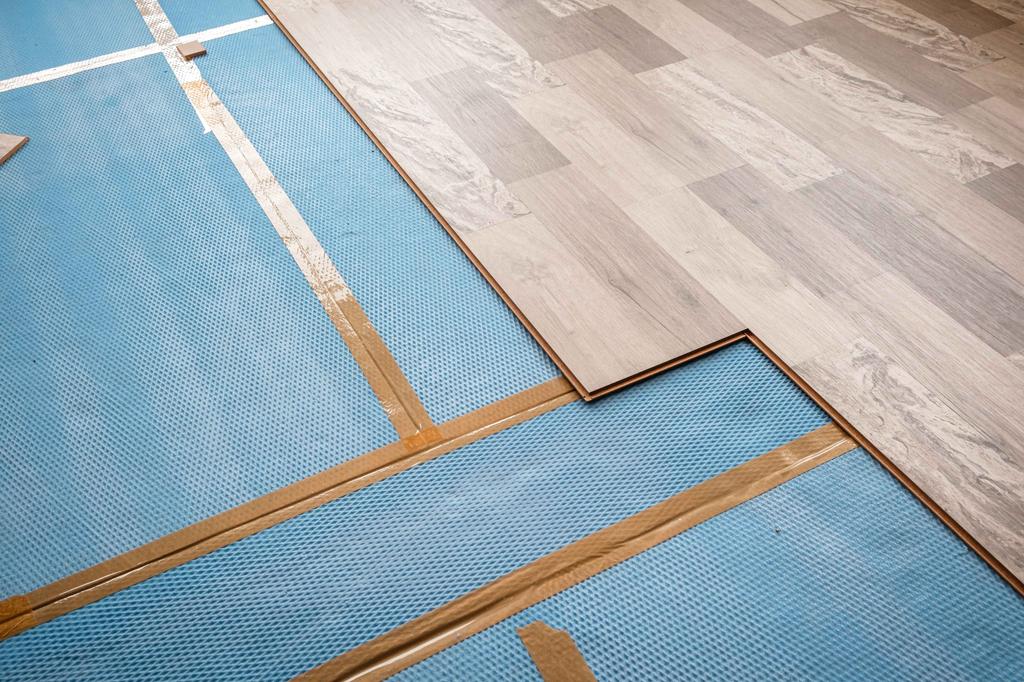
How to Fix Squeaky Floors: Easy DIY Solutions That Actually Work

Landscaping Gravel Types: Pros and Cons
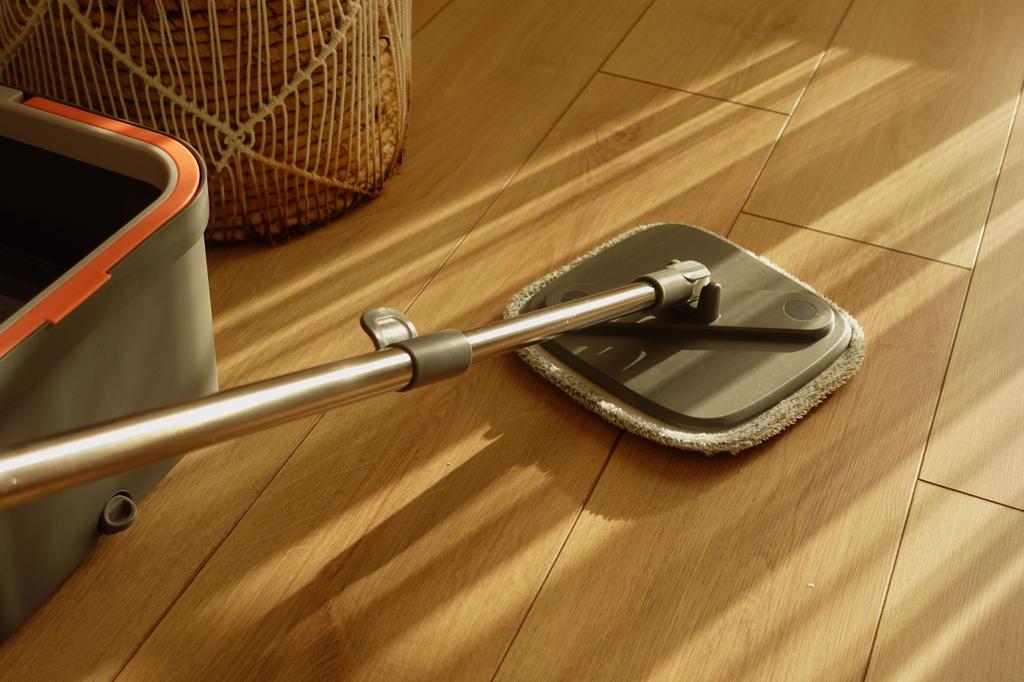
How to Clean Hardwood Floors: Simple Steps for Long-Lasting Shine
Updates & tips
Skin closure suture techniques: Everything you should know
📞+86-17701700232 📫info@medicosutures.com Nowadays, surgeons and wound care experts focus on outcomes, time saved, and patient satisfaction when applying skin closure suture techniques, rather than it is about appearance. In every type of surgery, choosing and performing the right suturing techniques can lead to a good recovery. Therefore, all medical professionals should know how to properly close the skin using sutures to reduce scarring and prevent the wound from opening. With innovations like the buried suture or inverting suture pattern, today's closure options are smarter and more specialized. And yes, figuring out whether a cut requires stitches can also guide the approach and its urgency. This guide explores different skin closure suture techniques at length and provides valuable data and suggestions that can benefit you and your patients. Fundamentals of Suturing: The Foundation of All Skin Closure Suture Techniques Beginning with the basics is important when learning how to master skin closure suture techniques. To close wounds, one must understand the suture definition anatomy, i.e, how tissues come together when the skin is stitched. Suture Definition and Purpose By definition, a suture is a sterile thread that helps bind injured or surgical skin and tissue. However, it looks somewhat different in real life. Through sutures, bleeding is controlled, the wound edges are brought close, and proper healing can occur without complications. When working with professionals, deciding on appropriate suture techniques relies on the nature of the skin wound and the type of tissue involved. Types of Sutures Sutures should be chosen based on their make and design. Basically, there are only two categories: Absorbable Sutures: These types of sutures dissolve slowly in the body once they have been used. Since they are not easy to remove, they are suitable for internal stitches such as subdermal suture or buried suture, where taking them out would not be ideal. Non-Absorbable Sutures: Doctors apply them for cuts on the skin and in areas where a lot of tension is found. While you will need to remove them, they add much strength to the fabric. Another thing to keep in mind: Monofilament Sutures: They are resistant to infections, but they can be less flexible than other types of sutures. Multifilament Sutures: Such stitches create very strong knots, but they are not recommended for wounds heavily contaminated. Common Suture Materials The choice of material relies on the time required to heal, the chances of infection, and the type of tissue involved. The commonly used materials are: Polyglycolic acid (PGA)is an absorbable type of braided material. Polydioxanone (PDS)– a material that is slowly absorbed for a long time. Nylon and polypropylene – are not absorbed, and they are often used for tension sutures Catgut is an old material that is still applied when there are not enough resources. Different skin closure suture techniques are important to consider when closing surgical wounds and improving your results in various cases. Essential Suturing Techniques: Building Expertise in Skin Closure Suture Techniques To succeed in closing skin with skin closure suture techniques, you need to first learn the basic methods. Many emergency departments, ORs, and outpatient clinics use these techniques every day. The proper selection and use of sutures help achieve faster healing, reduce scarring, and prevent infections. Here are the most common techniques used: Simple Interrupted Suture Simple interrupted stitching is considered one of the top skin closure suture techniques, as it is very precise. It's ideal for lacerations under low to moderate tension. The stitches are done by hand, giving the wound some flexibility if one stitch comes loose, especially in cases where swelling might occur. Continuous (Running) Suture The technique helps to complete long and straight cuts more efficiently and quickly. With one long thread and minimal knots, there's less foreign material, which may reduce infection risk. Yet, if the suture separates, the entire wound may open—extra care is necessary in areas that move a lot. Vertical Mattress Suture Usually, the vertical mattress is used on wounds that have tension and require both deep and superficial stitches. It pulls the skin edges up so scars are less likely to sink, and it can be applied together with different types of inverting suture patterns when it is difficult to approximate the edges. Horizontal Mattress Suture It is suitable for the skin around joints and helps to move tension from the edges of the wound evenly. It's useful when you're dealing with short, wide wounds or thin dermal layers. Watch out for ischemia around the skin edges if you have tied the cord too tightly. Running Subcuticular Suture When making clean and straight incisions, such as for cosmetic surgery, the best method is the intradermal suture or running subcuticular technique. It's placed within the dermis, avoiding punctures through the skin’s outer surface. For this reason, the marks left are small, and the final results look very nice when buried sutures are put underneath the skin. Buried Suture Sometimes, buried sutures are combined with other methods and placed underneath the skin, ensuring there is no visible knot on the skin. It helps relieve tension, improve scars, and reduce their appearance on the outer skin. Each technique is important in oozing wounds; applying them based on wound location, type, and depth helps close the damaged area efficiently. Gaining control of these skills allows a surgeon to move on to more advanced skin closure suture techniques that follow. Advanced and Specialized Techniques in Skin Closure Suture Techniques After mastering the basics, many experts start learning how to use advanced skin closure suture techniques for handling more complicated wounds and reducing tension on the skin. These methods are mainly beneficial in procedures such as reconstructive, trauma, and high-tension surgeries. They include: Progressive Tension Sutures (PTS) They are used more regularly during plastic surgery and abdominoplasty. Progressive tension sutures close the gap in the wound and help distribute pressure over the area. By doing so, they not only minimize fluid accumulation (like seromas) but also eliminate the need for drains in many cases, boosting patient comfort and reducing infection risk. According to the National Institute of Health,PTS can prevent many issuesin large surface closures, and they are becoming popular among surgeons. They are generally put in deeper and resemble modified buried sutures, effective for both plastic and reconstructive surgery. Barbed Sutures Barbed sutures have become popular in modern skin closure suture techniques since they do not require knots. The small hooks in a suture prevent the tissue from becoming too tight. When performing laparoscopic and other minimally invasive surgeries, they are effective as they take less time and use fewer foreign materials, which is useful when working with intradermal sutures in the deeper layers of the skin. Kuwait Stitch The Kuwait stitch is a unique method not often heard of, but it is commonly used for trauma care. By adding a tension-relieving loop to the vertical mattress, it supports areas of the body that move a lot, such as the shoulder or neck. This procedure is very useful for wounds where the edges are not properly aligned. Pulley Suture It works much like a winch, gently pulling the edges of the wound together bit by bit. This form of suture is used for a short time to shrink the wound before closing it with the usual methods. Sometimes, surgeons use this technique on wounds where the edges have pulled apart, such as a triangular bayonet wound, to bring them together without tearing. Each of these skin closure suture techniques focuses on challenges of tension management, depth, and shape, and also allows surgeons to match the needs of each patient. If you use them properly, your outcomes at the end of your case will be much better. Technique Selection Based on Clinical Scenarios in Skin Closure Suture Techniques Sometimes, using the best skin closure suture techniques still does not guarantee success without the appropriate method. To be successful, you need to adapt your treatment based on the location of the injury, its appearance, and the patient’s factors. Here are some factors to consider: Anatomical Considerations The body has various regions that require specific exercises. How much the skin can stretch, its thickness, and the blood vessels play a role in your decision. For instance: In general, doctors use intradermal sutures and running subcuticular techniques on the face to reduce scarring. Over joints (e.g., knees, elbows), horizontal mattress sutures or tension sutures reinforce mechanical stress. When stitching high-tension areas such as the back or shoulders, it is better to lay several buried sutures underneath the skin to reduce dehiscence risk. Knowing the connection between the suture definition anatomy, and the layers allows you to choose the type of closure, style, and depth. Wound Characteristics Depending on how the wound looks, different types of suture are used. For instance: Linear, neat cuts can be closed using either interrupted or running subcuticular sutures. If a wound is wide and has irregular borders, vertical mattress or pulley sutures may be needed to straighten the tissues. In cases like a triangular bayonet wound, combining techniques (e.g., interrupted deep sutures followed by superficial subcuticular stitches) ensures both tension control and aesthetic alignment. It is also very important to consider depth. Light injuries can be closed with simple stitches, but for severe wounds, the doctor should use several types of sutures, including subdermal sutures and buried sutures. Patient Factors Patient age, skin type, and comorbidities (like diabetes or smoking) affect healing: Horizontal mattress or support programs are suitable for elder patients with fragile skin. Skin in infants is more flexible, so it may respond well to less complex surgery, but attention should be given to scarring. Since diabetic and immunocompromised patients are at greater risk of infection and weak scar tissue, they should be sutured carefully, andnon-absorbable stitches are preferred. Risk is also based on the details in a patient’s history. If a person is likely to get keloids, intradermal sutures with little tension and careful eversion are necessary. Picking the best skin closure suture technique should be determined by the condition of the tissue, not solely by your preference. Post-Suturing Care and Management in Skin Closure Suture Techniques Getting skilled in skin closure suture techniques is not the only talent needed in surgery. After all the knots are tied, how you handle the situation is also important. Proper care after surgery contributes to complete healing, low infection levels, and makes the patient comfortable. That is when a strong medical routine leads to great care for patients. Suture Removal Timelines Timing matters. If you do not remove sutures on time, they may leave noticeable scars. If you remove it too fast, the wound may split. Here's a general guide: Face: 5 to 7 days Scalp: 1 week to 10 days Trunk and upper limbs usually recover in between 10 and 14 days. The healing time for the lower limbs and joints is 14 to 21 days. Note: When closing deep wounds with subdermal sutures or buried sutures, it may not be necessary to remove any external sutures if the intradermal suture technique was applied to the skin. Wound Care Best Practices After tying the wound, apply a clean dressing and inform the patient about how to look after it. For instance, the patient should: Keep the wound dry for at least 24 hours and up to 48 hours, unless using waterproof bandages. Check for any signs of infection, such as redness, pus, swelling, or a fever. Avoid exposing their recently healed skin to direct sunlight to minimize any darkening of skin and the formation of scars. You should also tell your team: tension can be deadly. Even when the skin closure suture techniques is effective, it can still fail if the wound is put under stress while healing. Managing Complications Even when everything is tied up nicely, difficulties may still develop. Be prepared for: Dehiscence: This issue can happen when the wound is opened too early or when there is too much tension. Try to reclose the wound by tying tension sutures or applying a pulley suture. Infection: Do not use braided sutures when stitching wounds that are contaminated. For some patients at high risk, make sure to use monofilament materials and give prophylactic antibiotics. Scarring: It matters particularly in cosmetic surgery. Adopt inverting suture patterns and try to avoid placing too much tension on the skin. Silicone sheets or scar gels can aid the body in its recovery during the first weeks after surgery. Also, remember to educate your patients. Guiding patients on how to know if a cut needs stiches and on how to watch their cut heal helps them and ensures better care. Taking care of a patient after surgery is not something to be overlooked. This is the last step in achieving excellent results in skin closure suture techniques. Are barbed sutures safe for all skin types? In most cases, yes, usually this is the case with small incisions or techniques that use few cuts. At the same time, wires should not be used on infected wounds or in areas where bending, pressure, or motion can injure the tissue. By discussing these issues often, it becomes easier to use skin closure suture techniques in a clear and standard manner each day. How Do I Know Which Suture Technique to Use? Selecting the correct skin closure suture technique involves more than technical knowledge; it requires a smart approach. Typically, four aspects are considered in making this decision: the depth of the wound, the amount of tension, its position, and how much improvement in appearance is needed. This is how professionals make their decisions: 1. Wound Depth and Layering Shallow, clean cuts (like minor surgical incisions): A simple interrupted or running subcuticular suture is usually ideal. When the fascia or subcutaneous tissue is involved, ensure you close the wound in several layers. Use buried or subdermal sutures to close up the deeper areas to lower the surface tension. 2. Tension Across the Wound Treat wounds with high tension by using vertical matrix, horizontal matrix, or tension sutures. They reinforce the edges to prevent anything from tearing. When a wound is low-tension, using running or intradermal sutures is fast and leaves a cosmetically better scar. 3. Anatomical Location If the stitches are on the face or hands, perform intradermal sutures or use subcuticular running stitches to decrease scarring. Joints, the back, and parts of the body that move a lot: Use mattress sutures, pulley sutures, or buried sutures for added support. Irregular wounds (e.g., a triangular bayonet wound): May require combination techniques—deep interrupted sutures for structure, then subcuticular closure for aesthetics. 4. Cosmetic and Functional Goals In areas where the stitches will be easily seen, try to use an inverted pattern and ensure there is no tension when closing the wound. In emergency situations, you should focus on getting the job done quickly and ensure it lasts: a simple interrupted, or vertical mattress is the best choice. Summary Table SituationRecommended TechniqueShallow, clean incisionRunning subcuticularDeep woundBuried + superficial closureHigh tensionVertical/horizontal mattress, pulleyFacial/cosmetic closureIntradermal or inverted suture patternIrregular/lacerated shapeInterrupted + subcuticularFragile or aged skinHorizontal mattress Selecting the right skin closure technique is a decision made by the doctor, since every patient is different. It is important to achieve a good balance of structure, better health, and a nice appearance for every patient’s wound. Conclusion Mastering skin closure suture techniques is more than a procedural skill—it's a clinical art rooted in anatomical understanding, precision, and thoughtful decision-making. Applying the best technique for your wound, such as a buried suture, an inverting suture pattern, or a subdermal suture, can determine its healing from the very first stitch. Through using advanced materials such as tension sutures and barbed threads, the field is improving its outcomes and making surgeries more efficient. When doctors combine skills with knowledge of tissues and experiences with current research, they can help patients in every way and earn their trust. When situations get more complex, it becomes necessary to adapt every closure to the specific needs of the patient. This is what truly shows the surgeon has mastered skin closure suture techniques. Trusted Closure Starts with Medico Sutures If accuracy, dependability, and recovery are important, Medico Sutures has you covered. Our advanced range ofsurgical suturesis suitable for every layer, method, and amount of tension needed; therefore, clinicians can feel confident while operating. From intradermal sutures to tension sutures, our products are loved by leading hospitals and surgical centers worldwide. Regardless of whether you practice in a major hospital or a small clinic, Medico provides sutures that have been tested and approved by the CE and ISO13485. Go for Medico Sutures—since every stitch is important. Look through our catalog and request a quote by visiting medicosutures.
How to Hire Mobile App Developers in UK : 2025 Complete Guide
Mobile apps have become essential for businesses aiming to provide seamless customer experiences. In the competitive UK market, hiring skilled mobile app developers can significantly impact your app’s success. Whether you're looking for a dedicatedmobile app development companyor individual experts, this guide will help you navigate the hiring process effectively. Why Hire Mobile Developers in the UK? The UK boasts a robust tech ecosystem with skilled developers well-versed in modern programming languages, UI/UX design, and app deployment. By collaborating with amobile app development company, you gain access to professionals who can deliver scalable, innovative, and market-ready solutions tailored to your business needs. Steps to Hire Mobile Developers in the UK1. Define Your Project Scope Start by outlining your project’s goals, features, and budget. This clarity will help you identify whether to work with a freelancer or amobile app development company. 2. Choose the Right Hiring Model Freelancers:Best for short-term projects or small budgets. Dedicated Developers:Ideal for long-term collaborations. Mobile App Development Companies:Perfect for end-to-end solutions, including design, development, and support. 3. Look for Relevant Experience Ensure the developers or company have experience in creating apps for your target industry. Ask for portfolios to assess their previous work. 4. Check Technical Expertise UK developers are skilled in platforms like iOS, Android, and cross-platform tools. Ensure they’re proficient in languages like Swift, Kotlin, Flutter, or React Native. 5. Evaluate Communication and Collaboration Skills Effective communication ensures the timely delivery of your project. Choose a team that offers regular updates and aligns with your time zone for seamless collaboration. Top Platforms to Hire Mobile Developers in the UK Freelance Websites:Upwork, Toptal, and Fiverr. Tech Communities:GitHub and Stack Overflow. Professional Networks:LinkedIn and Clutch. Referrals:Recommendations from your business network. Benefits of Partnering with a Mobile App Development Company Working with amobile app development companyensures: Access to a team of skilled developers, designers, and QA specialists. Comprehensive project management and post-launch support. Faster delivery and adherence to quality standards. Cost of Hiring Mobile Developers in the UK The cost varies based on experience, project complexity, and engagement model: Freelancers: £20–£50/hour. Dedicated Developers: £40–£100/hour. Mobile App Development Companies: £60–£150/hour. Tips to Successfully Hire a Mobile Developer Conduct thorough interviews to assess skills and cultural fit. Sign a detailed contract, including timelines and deliverables. Opt for developers who provide post-launch maintenance. Final Thoughts Hiring mobile developers in the UK requires careful planning and evaluation. Whether you choose a freelancer or amobile app development company, prioritize expertise, communication, and a proven track record to ensure your app's success. Ready to bring your app idea to life? Start your search today and hire amobile developerwho aligns with your vision and business goals!
diaminyaesthetics.com
Diaminy Medical Aesthetics is a premier supplier of medical aesthetic products, committed to providing comprehensive procurement solutions for our professional clients. We specialize in offering a wide range of high-quality products, including advanced skincare devices, filler cannulas, PDO threads, PCL threads, dermal fillers,microneedling pen and mesotherapy treatment supplies. Our mission is to streamline the purchasing process for aesthetic professionals by delivering reliable, efficient, and cost-effective solutions. We pride ourselves on our extensive product knowledge and exceptional customer service, ensuring that our clients receive the best possible support. At Diaminy Aesthetics, we understand the dynamic nature of the medical aesthetics industry, and we continuously update our inventory to include the latest innovations and technologies. Our goal is to empower clinics and practitioners with the tools they need to deliver outstanding results to their patients. Partner with Diaminy Aesthetics for a seamless, one-stop shopping experience and elevate your practice with our expert solutions. Medical Aesthetics Products