Prefer to talk to a pro?
Call today, and let us connect you with the perfect merchant!
Call today, and let us connect you with the perfect merchant!
About Lawrenceville, GA
Lawrenceville is located in Gwinnett County, Georgia. It is the county seat and also has six zip codes. The population of the city is around 29,000 people with an average household income of about $48,500. Major attractions include the Aurora Theater and the Lawrenceville Ghost Tours. Gwinnett Medical Center, which is located in Lawrenceville, is one of the states premiere medical centers. The biggest schools here include the Georgia Gwinnett and Gwinnett Technical Colleges. The Gwinett Braves, the city's minor league baseball team, plays at CoolRay Field. Famous people from Lawrenceville include Darius Walker and Courtland Winn.
Best Businesses in Lawrenceville, GA





Prefer to talk to a pro?
Call today, and let us connect you with the perfect merchant!
Call today, and let us connect you with the perfect merchant!
Related articles
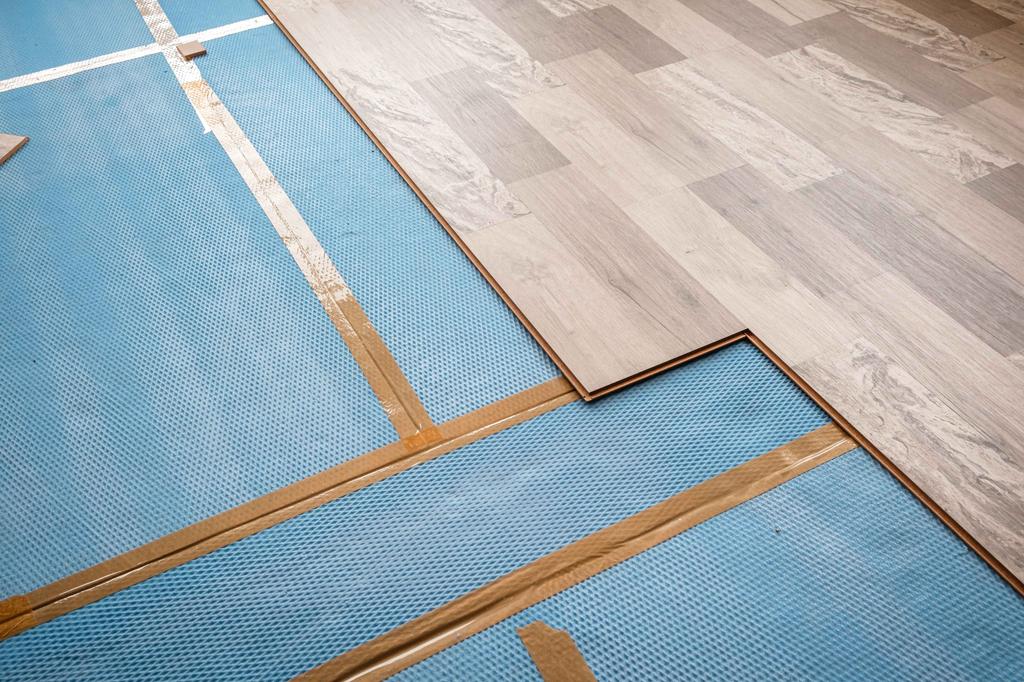
How to Fix Squeaky Floors: Easy DIY Solutions That Actually Work

Landscaping Gravel Types: Pros and Cons
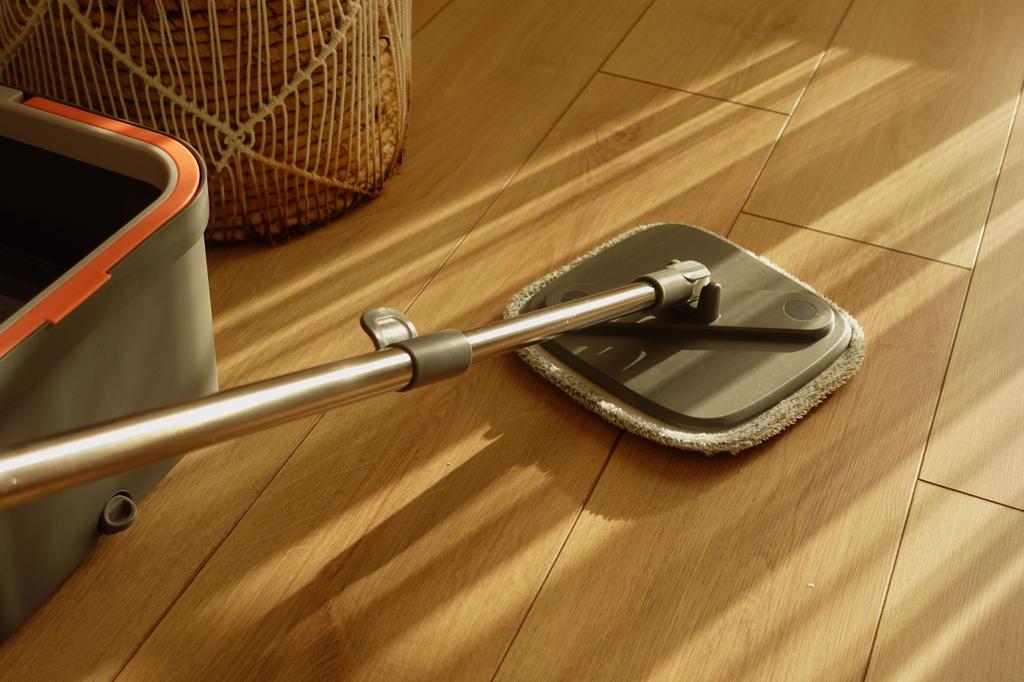
How to Clean Hardwood Floors: Simple Steps for Long-Lasting Shine
Coupons
Updates & tips
Air Sealing Experts Explain How to Stop Drafts for Good
Feeling a cold draft is a common annoyance for homeowners, often leading to a weekend trip for weatherstripping and caulk. While these efforts can help, they rarely solve the problem for good. That’s because the most significant drafts don’t come from obvious places like windows and doors. According to building science experts, the real culprits are hidden air leaks in a home's structural shell, primarily in the attic and the basement or crawl space. Stopping drafts permanently requires a systematic approach of finding and sealing these gaps to create a continuous air barrier around the living space. This is the only way to truly control the flow of air in and out of a home. To develop a permanent fix, it's useful to understand why a comprehensive approach works, where to find the biggest leaks, and how professionals tackle the job. The information here is based on the day-to-day experience ofair sealing expertswho specialize in making homes more comfortable and energy-efficient. The Real Engine Driving Drafts: The Stack Effect To understand where drafts come from, you need to think of your house as a system. During the colder months, the warm, buoyant air generated by your heating system rises. It pushes its way out of the house through any available gaps in the upper levels, especially in the attic. This outflow of air creates a slight negative pressure in the lower levels of the home, which in turn pulls cold replacement air in through cracks in the foundation, rim joists, and around windows. This natural phenomenon is called the "stack effect," and it’s the primary engine behind a drafty house. It's the same principle that makes a chimney draw smoke up and out. In the summer, the process can reverse, pulling hot, humid air from the attic and outdoors into the cooler, conditioned living space. This is why simply sealing a window might not stop the drafty feeling in a room; the air is still being pulled into the house from somewhere else. Where the Biggest Leaks Are Actually Located While a leaky window is easy to feel, it contributes only a small fraction of a home’s total air leakage. The largest holes are almost always hidden from view, connecting the living space to the attic or the foundation. Top-Level Leaks in the Attic The boundary between your ceiling and the attic is often full of penetrations made during construction. Each one is a pathway for warm air to escape. Common spots include: Recessed Can Lights:Older models are notoriously leaky and can be a major source of heat loss. Plumbing Stacks and Vents:The pipes running through your attic floor are rarely sealed properly. Wiring Holes:Every wire that goes through the top plate of a wall into the attic is a small but significant air leak. The Attic Hatch:Without proper weatherstripping and insulation, an attic access panel is like a huge hole in your ceiling. Chimney Chases:The enclosure built around a masonry or metal chimney is often a massive, unsealed pathway from the basement all the way to the attic. Low-Level Leaks in the Basement or Crawl Space As warm air escapes through the top, cold air is pulled in at the bottom. The most critical area to seal is the rim joist (also called a band joist). This is the wooden perimeter that sits on top of the concrete foundation walls. Gaps and cracks in this area provide a direct route for cold air to enter the home. Other problem areas include gaps around plumbing pipes, electrical conduits, and dryer vents where they pass through the foundation wall. Bonus Tip:You can visualize some of these hidden air leaks with a smoke pen or an incense stick. On a cool, windy day, hold it near electrical outlets on exterior walls, along baseboards, and around window frames. Where the smoke wavers or is drawn into the wall, you have an air leak. Sealing a Home Like a Professional Fixing these leaks requires more than a tube of caulk. Professionals use a combination of diagnostic tools and specialized materials to create a durable and effective air barrier. The Diagnostic Process The first step is often a blower door test. This involves mounting a powerful, calibrated fan in an exterior doorway. The fan pulls air out of the house, lowering the air pressure inside. This pressure difference makes it easy to find leaks, as outside air whistles through them. An energy auditor can use the blower door along with an infrared camera to pinpoint the exact location and severity of every leak in the home's envelope. This data-driven approach takes the guesswork out of air sealing. Materials and Methods Professionals use different materials for different types of leaks. The goal is to choose the right product for the job to ensure a permanent seal. Good to Know:Professionals always use the right kind of caulk for the job. For gaps between two different materials, like wood trim and drywall, a flexible, paintable acrylic latex caulk is best. For outdoor use or gaps that might get wet, a durable silicone or polyurethane caulk is a better choice. What to Consider Before You Begin Air Sealing A whole-home air sealing project is a serious undertaking. Homeowners should think about their goals and the condition of their house before they start. Scope of the Problem Is your goal to fix one particularly drafty room, or do you want to improve the overall comfort and efficiency of your entire house? Small DIY projects can help with the first goal, but the second usually requires a more comprehensive, professional approach. Your Home's Ventilation As a home gets tighter, it's important to think about mechanical ventilation. A very tight home, usually one that has undergone professional air sealing to meet specific airtightness targets, might need a system like an Energy Recovery Ventilator (ERV) to ensure a steady supply of fresh air. This might sound counterintuitive, but it’s about controlling air exchange, not stopping it completely. A leaky house has uncontrolled ventilation; a tight house can have controlled, healthy ventilation. Safety First Working in attics and crawl spaces can be hazardous. These areas can have exposed wiring, sharp nails, and poor air quality. For large-scale projects, especially those involving the removal of old insulation, it’s often safest and most effective to hire a professional crew with the right training and safety gear. Your Air Sealing Questions AnsweredWhy should I air seal before adding insulation? They are equally important because they do different jobs. Air sealing stops air from moving, while insulation stops heat from moving. You need to do both for a truly efficient home. In fact, air sealing should always be donebeforeadding new insulation. How much can I really save by air sealing my home? The Department of Energy estimates that the average homeowner can save 10-20% on their annual heating and cooling costs by completing a thorough air sealing project combined with adding insulation. Will sealing my house cause moisture problems? No, when done correctly, it helps control moisture problems. By stopping the uncontrolled flow of humid outside air into your home, air sealing helps your HVAC system manage indoor humidity levels more effectively. Can I do a blower door test myself? Blower door equipment is expensive and requires training to operate and interpret the results correctly. This is a diagnostic service that is best performed by a certified building analyst or home performance contractor. What are the main benefits of air sealing besides stopping drafts? A properly sealed home is not just more comfortable. It’s also quieter, has better indoor air quality because it keeps pollutants out, and has lower utility bills. A Permanent Solution to a Common Problem Chasing drafts around your house with a caulk gun is a battle you are unlikely to win. The real solution is to address the underlying physics of how your home operates. By focusing on the major air leakage points at the top and bottom of the house, you can stop the stack effect from driving those drafts in the first place. A comprehensive air sealing project is an investment that pays off with a more comfortable, healthier, and less expensive home to live in. Get a Professional Home Performance Audit The most effective way to develop a plan for your home is with a professional energy audit. An expert can use tools like a blower door and an infrared camera to show you exactly where your home is losing energy and create a prioritized list of improvements. For homeowners looking for this kind of detailed assessment, service providers like the team atMakeover Insulationspecialize in this diagnostic work. They can be reached at (470) 664-5300 or by email atsales@makeoverinsulation.comfor more information. Reviewer: Ava Clark shared her input based on 6 years of working with spray foam insulation teams. Her focus on customer trust and communication helped shape key parts of this post.
Spray Foam Myths Homeowners in Grayson, GA Should Stop Believing
Many homeowners are consideringspray foam insulation in Grayson, GAfor its energy-saving benefits, but misinformation often gets in the way of a clear decision. The most common myths suggest that spray foam is a simple DIY project, that it's inherently unsafe, that all types are the same, and that the cost is too high for the average family. In reality, spray foam requires professional installation to be safe and effective, comes in different formulas for different applications, and often provides a strong return on investment through significant energy savings. This article will break down the facts behind these and other common misconceptions. The information is drawn from insulation professionals who have worked directly with homeowners, addressing their concerns and ensuring installations are done right. Understanding the truth about spray foam helps you make a better choice for your home's comfort and efficiency, especially in Georgia's mixed-humid climate. Myth 1: Spray Foam Installation is an Easy DIY Project One of the most dangerous myths is that spray foam insulation can be handled with a kit from a hardware store. Professional spray foam application is a chemical process, not just a physical one. It involves mixing two liquid components at precise temperatures and pressures. If this ratio is even slightly off, the foam may not cure correctly. Improperly cured foam can lead to several problems. It might shrink, crack, or pull away from the studs, creating gaps that defeat its purpose as an air barrier. More seriously, it can continue to release chemical odors, sometimes called off-gassing, long after the job is done. Certified installers use specialized equipment that monitors and controls the mixture, ensuring the foam cures into a stable, inert, and effective insulator. Bonus Tip:When vetting an insulation contractor, ask about their equipment and certification. Professional rigs are expensive and a good indicator of a serious, well-trained team. Myth 2: Spray Foam is Harmful to Your Health The idea that spray foam is toxic often stems from stories of installations gone wrong. When installed correctly and given adequate time to cure, modern spray foam is perfectly safe. The initial spray process does release volatile organic compounds (VOCs), which is why homeowners and pets are required to vacate the premises during installation and for a recommended period afterward, typically 24 hours. Once fully cured, the foam becomes solid and chemically stable. It doesn't release particulates into the air like some other insulation materials can over time. For Grayson homeowners, this is a significant benefit. The humid Georgia climate can promote mold and mildew growth in traditional insulation. Because closed-cell spray foam is non-porous and doesn't absorb water, it creates an environment where mold cannot thrive, which can actually lead to better indoor air quality. Myth 3: All Spray Foams Are the Same Thinking all spray foam is identical is a common mistake. The two main types, open-cell and closed-cell, have very different properties and are suited for different parts of a home. Choosing the right one is essential for performance and budget. Open-cell foam is lighter, more flexible, and has a spongy texture. It’s an excellent air barrier and provides good sound dampening. Closed-cell foam is dense, rigid, and has a higher R-value per inch. It also acts as a vapor barrier, which is a major advantage in moisture-prone areas. Here’s a direct comparison of their key features: For a home in Grayson, a professional might recommend closed-cell foam for a damp crawl space to block moisture from the ground, while using open-cell foam in the attic rafters for its air-sealing and cost-effectiveness. Myth 4: Spray Foam is Unaffordable for the Average Homeowner There's no denying that spray foam has a higher upfront cost than materials like fiberglass or cellulose. Looking only at the initial price tag is misleading. Spray foam should be viewed as a long-term investment in a home's energy performance. Because it creates a superior air seal, it dramatically reduces the workload on HVAC systems. Industry data shows that homes with a complete spray foam envelope can see energy bill reductions of 40% or more. Over several years, these savings can offset the initial installation cost. Furthermore, a well-insulated home is more attractive to buyers, potentially increasing its resale value. It’s not just an expense; it's an upgrade that pays for itself over time through lower utility bills and improved home comfort. Bonus Tip:Ask an insulation professional for an energy savings projection based on your home's size and current energy usage. This can help put the upfront cost into perspective. Things to Consider Before Making a Decision Even with these myths cleared up, there are a few practical factors to think about before you decide on spray foam. First, get a complete home assessment. A professional should identify all areas of air leakage and evaluate your existing insulation and ventilation. Spray foam makes a house very airtight, so your HVAC system must be able to provide adequate fresh air exchange. Second, carefully vet your installer. Ask for references, proof of insurance, and details about the specific product they use. A reputable contractor will be transparent and happy to answer all your questions. Finally, think about your project's scope. You don't have to insulate the entire house at once. Many Grayson homeowners start with the attic or crawl space, as these areas typically offer the biggest return on investment. Addressing the most problematic areas first can make the project more manageable and affordable. Questions About Spray Foam InsulationHow long does spray foam last? When installed properly, spray foam insulation is expected to last for the life of the building. It doesn't sag, settle, or degrade over time like some other insulation materials, meaning it maintains its performance for decades. Can spray foam be installed in an existing home? Yes, spray foam is frequently used in retrofit projects. Installers have techniques to inject foam into existing wall cavities or apply it to open surfaces like attic rafters and crawl space walls. Does spray foam make a home too airtight? It makes a home very airtight, which is the goal of modern building science. This prevents uncontrolled air leaks. A properly sized and functioning HVAC system then takes over the job of managing indoor air quality and providing fresh air, making the home both efficient and healthy. Is spray foam environmentally friendly? The primary environmental benefit of spray foam comes from the massive reduction in energy consumption it provides over a building's lifetime. Many modern foam products are also made with renewable resources like soy or castor oil and use blowing agents with low global warming potential. Do I need to remove old insulation first? It depends on the condition of the old insulation. If it's damp, moldy, or infested with pests, it absolutely must be removed. In some cases, clean and dry insulation in walls can be left in place, but it's usually best to remove old attic insulation to allow for a complete air seal on the attic floor or roof deck. Making the Right Choice for Your Grayson Home Ultimately, choosing aprofessional insulation contractorcomes down to understanding the facts, not the myths. Spray foam insulation is a sophisticated product that offers outstanding performance when installed by a trained professional. It provides a powerful air seal, resists moisture, and delivers long-term energy savings that often justify the initial cost. Before moving forward, homeowners should get a professional assessment of their specific needs. By weighing the long-term benefits against the upfront investment, you can make an informed decision that improves your home's comfort and value for years to come. Getting Professional Guidance on Spray Foam Navigating the details of a spray foam project can feel complicated, but a qualified expert can simplify the process. A professional consultation is the best way to get accurate information tailored to your home's specific layout and your energy-saving goals. For homeowners in the Grayson area looking for a reliable assessment, the team atMakeover Insulationoffers detailed consultations. They can be reached at (470) 664-5300or via email atsales@makeoverinsulation.comto help clarify project specifics and provide a clear quote. Reviewer: Ava Clark shared her input based on 6 years of working with spray foam insulation teams. Her focus on customer trust and communication helped shape key parts of this post.
Considering a Tiny Home? Air Sealing Maximizes Space and Efficiency
For anyone considering a tiny home, effective air sealing is more than a building detail; it's the key to making the small space both efficient and comfortable. In a structure with a very small air volume, every uncontrolled leak has a magnified effect. Drafts are more noticeable, temperatures can swing wildly, and moisture becomes a serious problem.Professional air sealing serviceseffectively address these issues by establishing an airtight building envelope, enabling the home’s climate systems to operate as intended. Unlike in a traditional house where a small draft might go unnoticed, in a tiny home, there's nowhere to escape it. A proper seal transforms the structure from a leaky box into a high-performance shell. This article, with practical input from building science professionals, will explain why this single step directly contributes to a more livable, durable, and cost-effective dwelling. The Amplified Effect of Air Leaks in Small Spaces In a tiny home, the ratio of exterior surface area to interior volume is much higher than in a conventional house. This means that any heat loss or gain through the walls, floor, and roof has a much faster and more dramatic impact on the indoor temperature. When you add air leaks to the equation, the problem gets worse. An air leak is any unintended gap in the building envelope that allows unconditioned outside air to get in and conditioned inside air to get out. In a tiny home of just a few hundred square feet, even minor leaks around windows, electrical outlets, or structural seams can cause the indoor air to be completely replaced in a very short amount of time. This makes it nearly impossible to maintain a stable temperature. The heater or air conditioner is forced to run almost constantly, fighting a losing battle against the infiltrating outside air. This not only drives up energy costs but also creates an environment of persistent drafts and discomfort. Sealing these leaks is the first and most critical step in taking control of the indoor environment. Gaining Inches with High-Performance Insulation Every square inch matters in a tiny home. The thickness of the walls directly impacts the amount of usable living space. This is where air sealing works together with modern insulation to maximize the interior footprint. Traditional insulation methods, like thick fiberglass batts, require deeper wall cavities to achieve a high R-value (a measure of thermal resistance). A 2x6 wall might be needed instead of a 2x4 wall, stealing precious inches from the floor plan. Air sealing allows for a different approach. Using a material that is both an insulator and an air barrier, like closed-cell spray foam, makes it possible to achieve a very high R-value in a standard wall thickness. Because spray foam fills every crack and stops air movement, its effective performance is much higher than that of fibrous insulation that allows air to pass through it. This means a builder can get the needed thermal performance in a thinner wall, directly translating to more interior space. Bonus Tip:When designing a tiny home that will use spray foam, plan the routes for all plumbing and electrical wiring carefully. Once the foam is applied and hardened, it is very difficult to make changes, so getting the layout of these utilities right beforehand is essential. Managing Moisture in a High-Occupancy Space Beyond maximizing space, proper air sealing is also the frontline defense for managing moisture, a critical concern in any tiny home. A tiny home has a high density of occupants relative to its air volume. Everyday activities like breathing, cooking, and showering release a significant amount of water vapor into a very small space. If this moisture isn't managed, it can lead to condensation on windows and, more dangerously, inside wall cavities. Trapped moisture is the primary cause of mold, mildew, and rot, which can destroy a home's structure and create an unhealthy living environment. Airtight construction is the foundation of good moisture management. By creating a continuous air barrier, you control how air and the moisture it carries move through the building envelope. Materials like closed-cell spray foam are particularly effective because they also act as a vapor barrier, stopping water vapor from passing through and condensing on cold surfaces within the walls. This robust seal prevents moisture problems before they can start. Comparing Air Sealing and Insulation Options For a tiny home, an all-in-one product that insulates, air-seals, and manages vapor is often the most effective choice for maximizing performance and saving space. Things to Consider Before Building Building an airtight tiny home requires a holistic approach. It’s not just about choosing one material, but about designing a complete system. Mechanical Ventilation is Mandatory:An airtight home is a healthy home only if it has a way to get fresh air. You can't rely on random leaks. A high-efficiency mechanical ventilator, like an energy recovery ventilator (ERV) or heat recovery ventilator (HRV), is essential. These devices constantly exchange stale indoor air for fresh outdoor air while transferring the heat or coolness, so you don't waste energy. The Entire Envelope Matters:Air sealing needs to be continuous. This means paying attention to the connections between the walls and the floor, the walls and the roof, and sealing around every penetration for windows, doors, vents, and utilities. For Tiny Homes on Wheels (THOWs):The constant movement and vibration of a THOW can create new leaks over time. A durable and flexible air sealing method is important. The rigidity of closed-cell spray foam can actually add structural strength to the frame, helping it withstand the stresses of travel. The DIY Approach:While many tiny homes are built by their owners, spray foam installation is a job best left to professionals. It involves a chemical reaction that requires specific temperatures, pressures, and safety equipment. For DIY builders, using high-quality tapes and sealants designed for air sealing is a more accessible, though labor-intensive, alternative. Bonus Tip:Before the interior walls are finished, a blower door test can be performed. This test measures the airtightness of the structure and helps pinpoint the exact location of any remaining leaks, allowing them to be sealed before they are covered up. Questions People Ask About Tiny Home ConstructionCan you make a tiny house too airtight? No, you can't make it too airtight, but you can definitely under-ventilate it. The goal is to build tight and ventilate right. Sealing all the uncontrolled leaks and then adding a controlled, mechanical ventilation system gives you complete authority over your indoor air quality. Does air sealing add a lot of cost to a tiny home build? While high-performance materials like spray foam have a higher upfront cost, the investment pays off quickly. The ability to use a much smaller, less expensive HVAC system, combined with significant long-term energy savings, often makes it a cost-effective choice. How does air sealing help with soundproofing? By sealing all the air gaps, you also block a primary path for sound to travel. Materials like spray foam are also excellent at dampening sound vibrations, which can make a big difference in a small space, especially if the tiny home is in an urban area or near a road. What is the most common mistake people make with tiny home insulation? The most common mistake is focusing only on R-value while ignoring air sealing. A tiny home with thick, high R-value insulation that is full of air leaks will still be uncomfortable and inefficient because the insulation's performance is being bypassed by the moving air. Does the climate I live in affect my air sealing strategy? The principles of air sealing are universal, but the specific strategy for moisture control might change. In a very cold climate, the vapor barrier is critical on the warm (interior) side of the insulation. In a hot, humid climate, you may want the vapor barrier closer to the exterior. An expert can advise on the right wall assembly for a specific climate zone. A Foundation for Tiny Living Ultimately, air sealing is what allows a tiny home to deliver on its promise of simplicity and efficiency. It helps create a comfortable, durable, and healthy living space that requires very little energy to operate. By controlling the movement of heat, air, and moisture, a properly sealed envelope is the most important factor in a tiny home's success. For anyone starting this kind of project, prioritizing the performance of the building shell is the best decision they can make. Consulting with Building Performance Experts Building a high-performance tiny home involves a lot of specialized knowledge. For those who want to ensure their project is designed and executed to the highest standards of efficiency and durability, consulting with professionals is a wise step. The team atMakeover Insulationhas experience with specialized projects and can provide expert advice on air sealing and insulation strategies. They can be reached for a consultation by calling (470) 664-5300 or by sending an email tosales@makeoverinsulation.com. Reviewer: Ava Clark shared her input based on 6 years of working with spray foam insulation teams. Her focus on customer trust and communication helped shape key parts of this post.