Prefer to talk to a pro?
Call today, and let us connect you with the perfect merchant!
Call today, and let us connect you with the perfect merchant!
About Jeffersonville, IN
Jeffersonville is a city in Clark County of Indiana. It is the county seat. Major attractions include Howard Steamboat Museum, Crystal Springs Recreation Center, Golf to Go Miniature Golf Course and Historic Landmarks Foundation of Indiana. Among the biggest companies in Jeffersonville are Allison Lane Animal Hospital, and Carpet-Rx of Louisville. The biggest schools here are Ottawa University and Jeffersonville High School. One of the best places to visit when you are in Jeffersonville is the Elks Country Club or the Sylvan Park. Famous persons from Jeffersonville include athlete Detroit Tigers Walt Terrell and musician Travis Meeks.
Best Businesses in Jeffersonville, IN







Prefer to talk to a pro?
Call today, and let us connect you with the perfect merchant!
Call today, and let us connect you with the perfect merchant!
Related articles
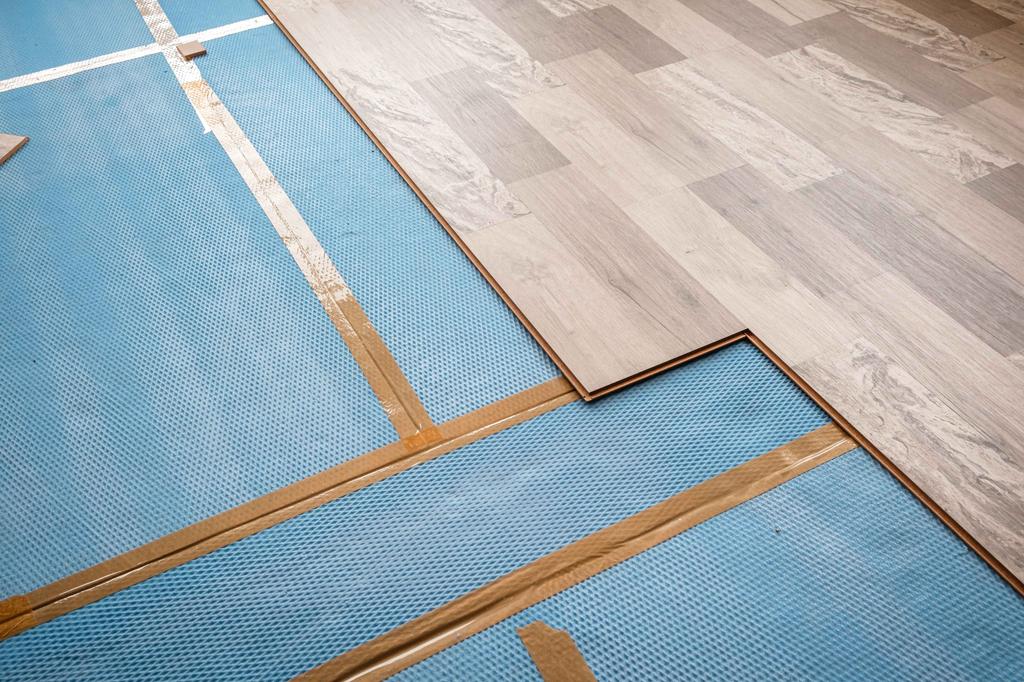
How to Fix Squeaky Floors: Easy DIY Solutions That Actually Work

Landscaping Gravel Types: Pros and Cons
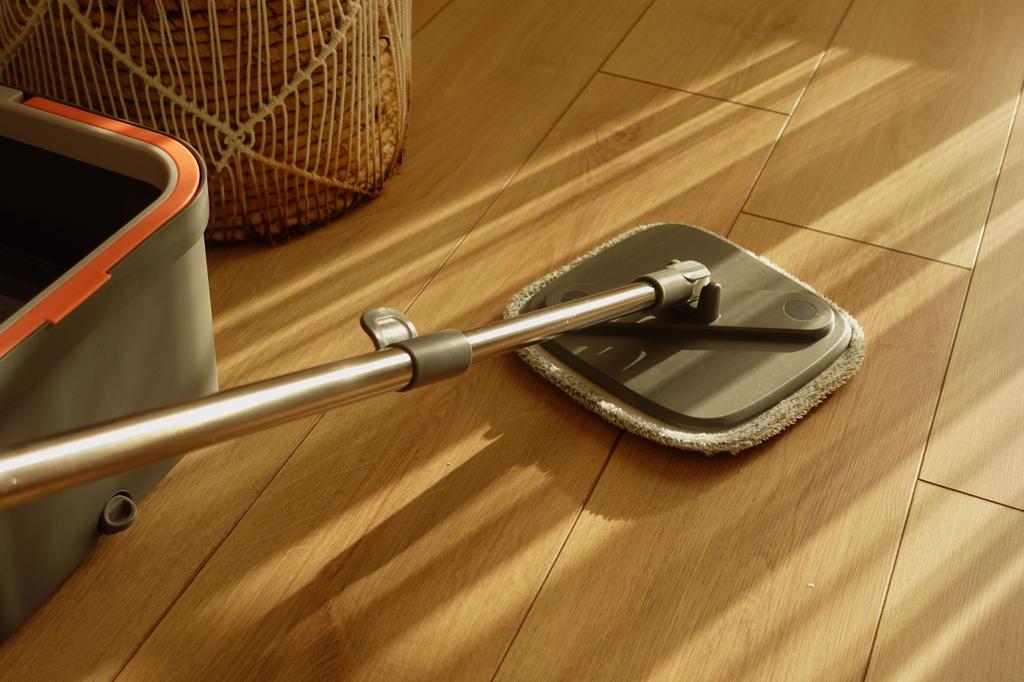
How to Clean Hardwood Floors: Simple Steps for Long-Lasting Shine
Updates & tips
Thinking About a New Roof?
Click For Financing Options So, your roof is looking a little tired? Maybe you've noticed a leak, or perhaps you're just thinking about boosting your home's curb appeal and protection. Whatever the reason, one of the first things that pops into your head is likely:how much is this going to cost me? Getting a precise roof replacement or repair quote requires a professional inspection, but let's break down the approximate costs in simple terms so you can get a general idea. Think of this as your friendly neighborhood guide to ballpark roofing figures. The Big Factors That Influence Price: Imagine buying a car – a basic sedan will cost less than a luxury SUV. Roofing is similar! Several things significantly impact the final price tag: Size of your roof: This is a big one! More square footage means more materials and more labor. Roofs are often measured in "squares," where one square equals 100 square feet. Asphalt shingles: Generally the most affordable option. Think of them as the reliable sedan of roofing. Complexity of your roof: A simple, straightforward roof will be cheaper to work on than one with lots of angles, dormers (those little windowed protrusions), chimneys, and skylights. These features require more intricate work and flashing (waterproofing around openings). Labor costs: This varies depending on your location and the roofing contractor you choose. Areas with a higher cost of living generally have higher labor rates. Getting multiple quotes is crucial here! Underlayment and other materials: Besides the visible shingles or tiles, there are other essential layers like underlayment (a protective barrier), drip edges, and ventilation components, all of which add to the cost. Removal and disposal of the old roof: If you're getting a replacement, the old materials need to be removed and disposed of, which has an associated cost. Any necessary repairs to the roof deck: Sometimes, the wooden structure underneath your old roof might have rot or damage that needs to be fixed before the new roof can be installed. This will add to the overall expense. Ballpark Figures (Keep in Mind These Are Very General!): It's tough to give exact numbers without knowing the specifics of your roof and location. However, here are some very rough estimates for thetotal cost of aroof replacement for an average-sized house in the United States (these are subject to significant variation): Asphalt shingles: You might be looking at a range of roughly $5,000 to $12,000 or more. Metal roofing: Expect a wider range, potentially from $10,000 to $25,000 or higher. Important Takeaways: These are just very rough estimates. Your actual cost could be significantly higher or lower. Don't just focus on the lowest price. Consider the contractor's experience, reviews, and the quality of materials they use. A slightly higher price for better quality and workmanship can save you money in the long run. Factor in potential unexpected costs. Sometimes issues are discovered once the old roof is removed, so having a small contingency fund is a good idea. In Conclusion: While it's impossible to give you an exact roof cost in a simple blog post, understanding the factors that influence pricing and having a general idea of the ballpark figures can help you prepare. The next step? Get those professional inspections and quotes! This will give you a clear picture of the investment needed to keep your home safe and dry. Good luck with your roofing project!
Click The Link To See Our Service Area Map
Why Choosing a Local Southern Indiana Roofing Business Matters When the skies over Southern Indiana turn dramatic – and we all know they can – the integrity of your roof becomes paramount. Whether it's a sudden downpour, a bout of hail, or the relentless humidity, your roof is your first line of defense against the elements. And when it comes to protecting your home or business, choosing alocal roofing business likeJeffersonville Roofing offers significant advantages that you simply won't find with out-of-town or larger, less personalized companies. Here in Southern Indiana, we understand the unique challenges our weather presents. We've seen the damage caused by intense summer storms and the wear and tear from harsh winters. That local knowledge isn't just anecdotal; it's ingrained in how we approach every roofing project. Google Maps https://www.google.com/maps/d/u/0/edit?mid=1iSFFAaAIgdkKytuX178w__mHJcO6zVA&usp=sharing Facebook <iframe src="https://www.facebook.com/plugins/post.php?href=https%3A%2F%2Fwww.facebook.com%2Fpermalink.php%3Fstory_fbid%3Dpfbid0oSfciMRZhFf9JB7U4kPRGq3CW2couxszdVm9EmRCq9jJ796FrnN9pNtXx4kU3kARl%26id%3D61559517637557&show_text=true&width=500" width="500" height="539" style="border:none;overflow:hidden" scrolling="no" frameborder="0" allowfullscreen="true" allow="autoplay; clipboard-write; encrypted-media; picture-in-picture; web-share"></iframe>
When to replace your gutters
Your gutters: they're the unsung heroes of your home's defense system. They diligently channel rainwater away from your foundation, protecting it from costly water damage, preventing soil erosion, and even keeping your basement dry. But like any hardworking component of your house, gutters don't last forever. Ignoring signs of wear and tear can lead to significant problems down the line. So, how do you know when it's time to bid farewell to your old gutters and invest in a new set? Here's a guide to help you make the call: The Obvious Red Flags: Visible Damage Sometimes, the signs are glaringly obvious. If you spot any of the following, it's a strong indication that replacement is likely necessary: Visible Cracks or Holes:These are direct pathways for water to escape and wreak havoc on your fascia boards, siding, and foundation. Even small cracks can worsen over time due to temperature fluctuations and the weight of water. Sagging or Misaligned Gutters:Gutters that are pulling away from the roofline or sagging in the middle are unable to effectively channel water. This can be caused by damage, improper installation, or years of accumulated debris. Separated Seams:The points where gutter sections connect are vulnerable. If you notice gaps or separations, water can leak through and damage the surrounding areas. Attempting to patch these repeatedly is often a temporary fix. Rust and Corrosion:For metal gutters, rust is a major red flag. Once rust takes hold, it can weaken the material and eventually lead to holes and structural failure. Significant corrosion indicates the end of their lifespan. The Less Obvious Clues: Functional Issues Sometimes, the problem isn't immediately visible, but the performance of your gutters will tell a story: Frequent Clogging:While occasional clogs are normal, if you find yourself cleaning your gutters constantly, even after installing gutter guards, it could indicate that the gutters are too narrow for the amount of rainfall your area receives, are improperly pitched, or have internal damage trapping debris. Water Overflowing:If rainwater consistently overflows the sides of your gutters during storms, it means they aren't effectively channeling the water away. This could be due to blockages, but it can also signal that the gutters are no longer the right size or are damaged. Water Damage Around Your Home:Keep an eye out for signs of water damage to your foundation, siding, fascia boards, or landscaping near your home. Dampness in the basement, peeling paint, or soil erosion can all be consequences of failing gutters. Mold or Mildew Growth:Persistent dampness caused by leaking or overflowing gutters can create an environment conducive to mold and mildew growth on your home's exterior. Considering the Age of Your Gutters Even if your gutters appear to be in decent shape, their age can be a factor. Different gutter materials have varying lifespans: Aluminum:Typically lasts 20-30 years. Vinyl:Can last 15-25 years. Steel:With proper maintenance, can last 30-50 years. Copper:Can last upwards of 50 years or even a century with proper care. If your gutters are nearing the end of their expected lifespan, it might be a good time to consider replacement as a preventative measure, even if you haven't noticed significant problems yet. When to Repair vs. Replace? Minor issues like a loose bracket or a small, isolated crack might be repairable. However, if you're dealing with multiple problems, extensive damage, or aging gutters, replacement is often the more cost-effective and long-term solution. Repeated repairs can become costly and may only delay the inevitable. The Bottom Line Don't wait until a major downpour causes significant water damage to your home. Regularly inspect your gutters, both visually and by observing their performance during rain. If you notice any of the signs mentioned above, it's time to consider calling a professional for an inspection and a replacement estimate. Investing in new gutters is an investment in protecting your home and preventing costly repairs down the road. So, keep an eye on those unsung heroes – they're working hard to keep your home safe and dry!