Prefer to talk to a pro?
Call today, and let us connect you with the perfect merchant!
Call today, and let us connect you with the perfect merchant!
About Stanton, KY
Located at the starting point of the Red River Gorge Byway, Stanton, KY is situated in the heart of Powell County and is the seat of it as well. The town advertises itself to visitors as a place where one can enjoy a true adventure. There are miles of hiking and biking trails that are all very exciting and geographically interesting. The town also has many natural wonders hidden in the Red River Gorge like the nearly 100 stone arches and waterfalls that line the rocky cliffs. Also there is the historic Nada Tunnel where over 70 million years of wind and water has created on of the most geographically distinct locations in the continental US. Every year Stanton holds events such as the Cycle the Gorge Bicycle Rally and Family Fun Ride, the Meadowgreen Park Fall Festival, Crafts for a Cure and the Hope Fest. Another place to visit while in Stanton would be the Kentucky Reptile Zoo which has all sorts of critters from venomous snakes to alligators and it is filled with educational opportunities as well. There is one elementary school and it is called the Stanton Elementary School and the rest of schools are part of the Powell County School System.
Best Businesses in Stanton, KY


Prefer to talk to a pro?
Call today, and let us connect you with the perfect merchant!
Call today, and let us connect you with the perfect merchant!
Related articles
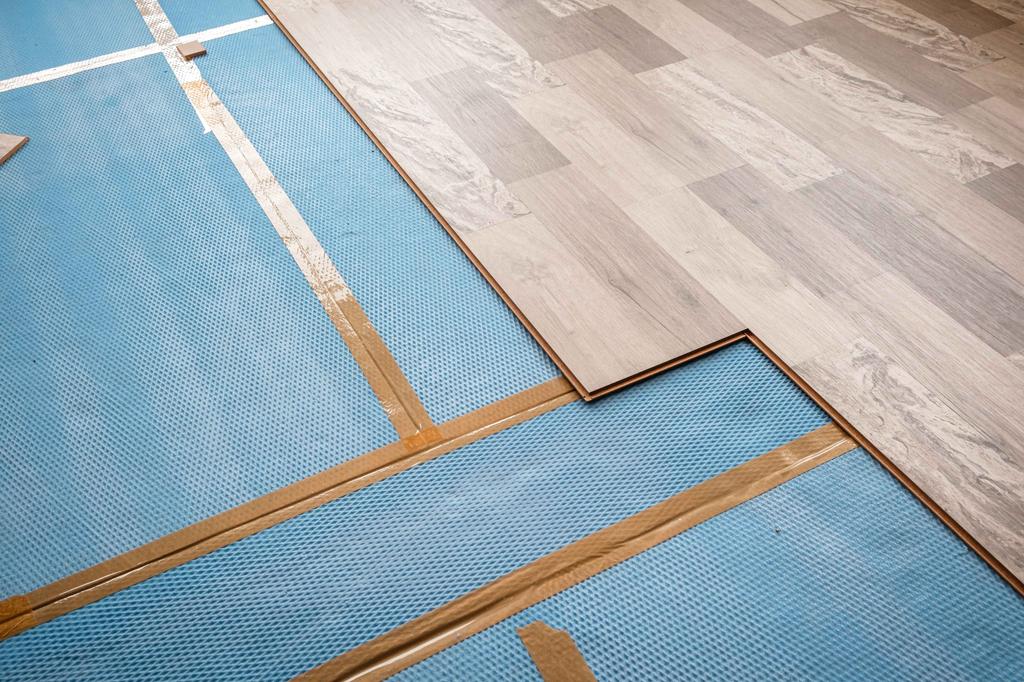
How to Fix Squeaky Floors: Easy DIY Solutions That Actually Work
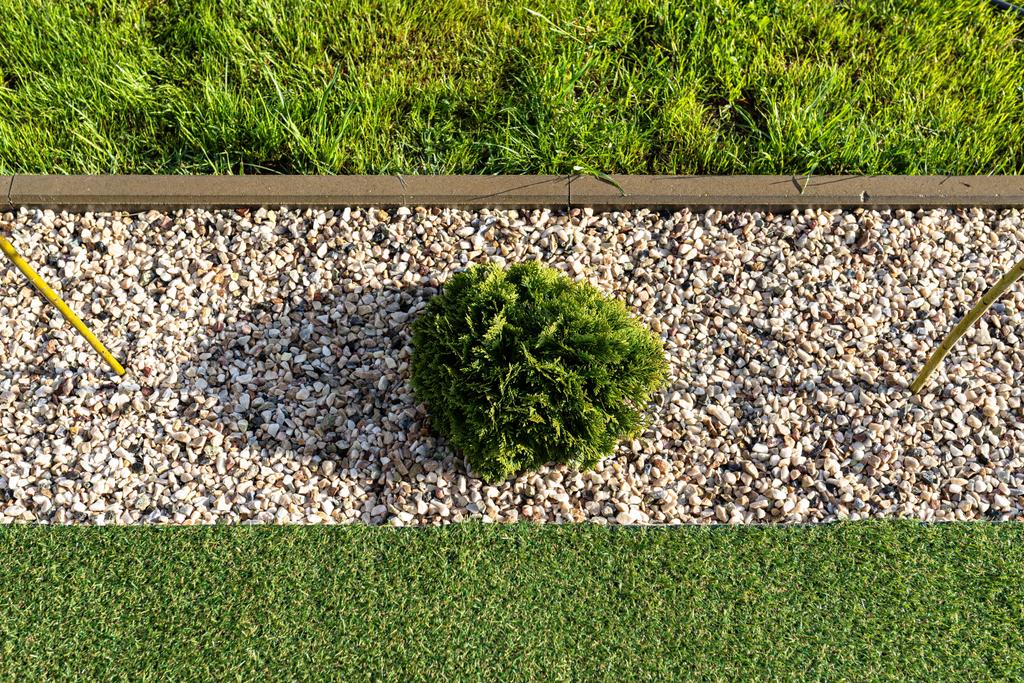
Landscaping Gravel Types: Pros and Cons
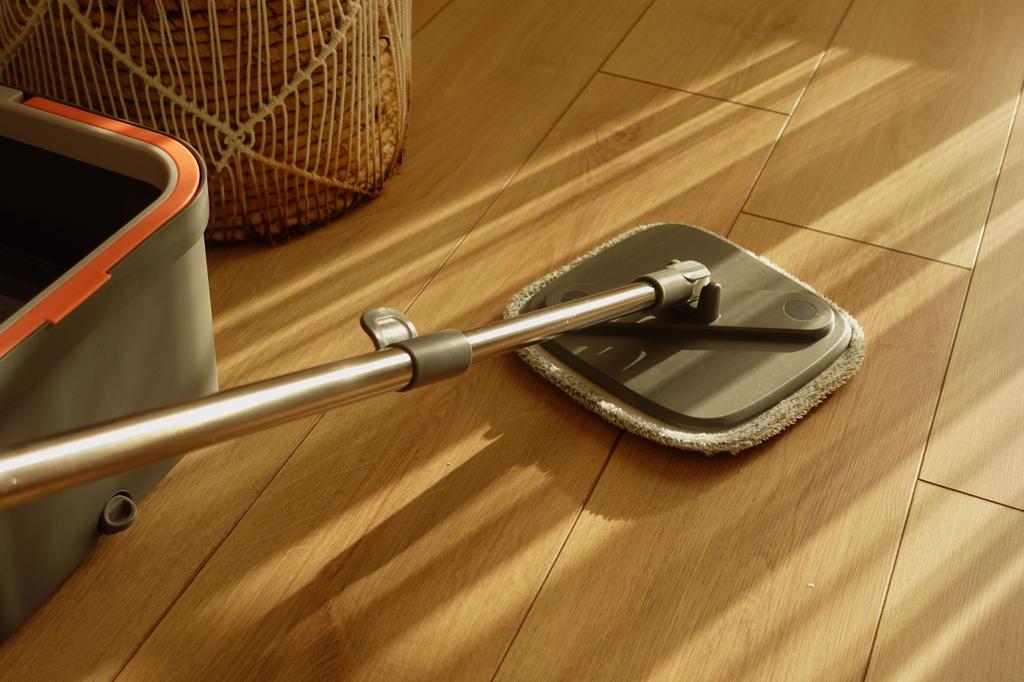
How to Clean Hardwood Floors: Simple Steps for Long-Lasting Shine
Updates & tips
How to choose the most suitable material
Gemstones Pearl: Natural Beauty & Decoration Temperament enhancement: The soft luster of pearls can effectively add a unique charm and enhance one's temperament. Pearls can also soften the sharpness of women in power, making them appear more approachable. Versatility: Pearl jewelry can be matched with various styles of clothing. Whether it's a formal evening dress or casual wear for daily life, it can showcase different charms. Diverse styles: Pearls come in various shapes, sizes, and colors, such as round, oval, teardrop-shaped, Baroque, etc., as well as white, gold, black, pink, and other colors, which can meet the aesthetic needs and wearing occasions of different consumer groups. Health & Wellbeing Mind calming: The trace elements in pearls can clear heat, nourish Yin, improve eyesight, detoxify, and promote muscle growth. For those who suffer from long-term insomnia or neurasthenia, wearing pearls can have a calming and soothing effect, stabilize anxious and restless emotions, and calm complex moods. Body massaging: Wearing pearls for a long time, their round and smooth bodies can have a massaging effect, which helps to relieve tense muscle tissues and relax your body. Complexion improvement: Pearls are rich in organic substances and trace elements. Women who often wear pearls usually have fair, tender, and smooth skin. Cultural meanings Prosperity and wealth: Pearls represent the power of protection in both Chinese and foreign cultures, possessing a powerful energy magnetic field. Moreover, pearls are extremely water-related and are the essence of water in nature. Water brings wealth, wearing pearls also has the good meaning of attracting wealth and good fortune. Cultural inheritance: Pearls hold an important position in many cultures. For example, in ancient China, pearls were regarded as auspicious items and were often used to craft imperial jewelry and noble ornaments. In Western culture, pearls also symbolize purity, beauty, and nobility, and are often used in important occasions such as weddings. Wearing pearls can pass on and promote these cultural traditions. Lab-grown diamonds: Competitive price: The production cost of lab-grown diamonds is relatively low, and their price is usually only 30% - 40% of that of natural diamonds. This makes more consumers own diamond jewelry at relatively low prices, meeting the public's demand for diamonds. Controllable quality: In a laboratory environment, diamond experts can precisely control the growth conditions of diamonds, such as temperature, pressure, and gas composition, thereby producing diamonds with specific shapes, colors, clarity, and cuts. This makes lab-grown diamonds more stable and consistent in quality and can meet the diversified requirements of consumers. Eco-friendly: Compared with the mining of natural diamonds, the production process of lab-grown diamonds does not require large-scale underground mining, reducing the damage to natural resources and the impact on the ecological environment. Meanwhile, the production process of lab-grown diamonds generates less waste and causes less pollution to the environment. Superior performance: Lab-grown diamonds are very similar to natural diamonds in physical and chemical properties, featuring high hardness, high refractive index, and high dispersion. This makes lab-grown diamonds have good decorative and ornamental value in the field of jewelry. Moissanite: Shining appearance: The refractive index of moissanite is between 2.65 and 2.69, which is higher than that of diamond at 2.417, enabling it to reflect more light and appear more shining. High hardness: The Mohs hardness of moissanite is 9.25, second only to diamond and higher than that of common gemstones such as ruby and sapphire. This makes moissanite less likely to be scratched during daily wear. Moissanite also has good durability, and the luster and integrity of its surface can last for a long time. Affordable price: Moissanite is a synthetic gemstone with relatively low production costs, and its price is only 10% or even lower than that of diamonds. For those with a limited budget who still want to own jewelry with a diamond-like appearance, moissanite is always a perfect choice. High chemical stability: Moissanite has high chemical stability and is not easily eroded by acids, alkalis, and other chemical substances, nor is it prone to discoloration. It can maintain its original quality and appearance for a long time. Hetian Jade & Jadeite: Soft luster: Hetian jade has a unique oily luster, which is soft yet not dazzling, showcasing a sense of simple and restrained beauty that is inspired by the aesthetic concept of restraint and introversion in traditional Chinese culture. When exposed to light, the luster of Hetian jade will showcase a unique charm, as if there is a mysterious power contained within the jade. Rich in color: The colors of Hetian jade are rich and diverse, including but not limited to white, cyan, yellow, black, red, etc. Each color has its unique charm and beauty. Long history: Hetian jade has a long history in China. As early as the Neolithic Age, the ancestors at the foot of the Kunlun Mountains discovered Hetian jade, transported and exchanged it as a cultural treasure and a symbol of friendship between the East and the West, forming the ancient jade transportation route "Jade Road" in China, which was the predecessor of the "Silk Road". Diversified symbolic meaning: Hetian jade holds rich symbolic meanings in traditional Chinese culture. It is regarded as a symbol of good fortune, wealth, peace, and health, and also represents the fine virtues of a gentleman, such as benevolence, righteousness, wisdom, courage, and purity. Therefore, Hetian jade is often used to craft various mascots, jewelry, ornaments, etc., to express people's aspirations for and pursuit of a better life. Health benefits: Hetian jade contains a variety of trace elements beneficial to the human body, such as selenium, zinc, nickel, cobalt, manganese, iron, calcium, etc. These trace elements can penetrate into the human body through the skin, promote blood circulation in the human body, and enhance immunity and resistance. In addition, Hetian jade also has a calming and soothing effect. Wearing it for a long time can relieve stress and relax your body and mind. Ornament: Hetian jade can be crafted into various exquisite ornaments, such as necklaces, bracelets, earrings, rings, pendants, etc. These ornaments not only enhance one's appearance but also elevate the wearer's temperament and taste. The ornaments made of Hetian jade are exquisitely designed and crafted. Each piece is a work of art, possessing high ornamental and collection value. Crystal: Rich in color: Crystals come in various colors such as colorless, light pink, dark pink, light yellow, dark yellow, purple, and special colors like rainbow crystals, which can meet the aesthetic needs of different people. High transparency: High-quality crystal has a very high transparency, even as clear as water, showcasing a sense of purity and transparency. For instance, colorless crystal is often used to craft high-end jewelry and ornaments. Unique texture: Some crystals contain unique textures or inclusions inside, such as golden and green hair-like inclusions in hair crystals. These unique textures and inclusions make the crystals more ornamental and artistic. Good symbol: In many cultures, the crystal is regarded as a symbol of good fortune, happiness, and well-being. For example, amethyst symbolizes honesty, kindness, amity, peace, good fortune, and calmness. Rose quartz is a stone of love, pure and simple, which can enhance the wearer's attraction and bring good luck in love. Cultural inheritance: Crystal has a long cultural history. Many existing literary books have relevant records about it. For example, the Classic of Mountains and Seas contains references to crystal. Crystal conveys people's yearning and pursuit for a better life and is also an important carrier of cultural inheritance. Maintain beauty and keep young: According to scientific studies, the trace elements contained in crystals can help replenish moisture, improve skin condition, inhibit melanin production, fade spots, and smooth wrinkles. Physical fitness enhancement: Crystals can promote blood circulation, boost your immunity, and improve physical fitness. Sleep improvement: Some crystals are believed to have the effect of calming the nerves and helping sleep. For instance, amethyst can alleviate the trouble of insomnia, help people relax both physically and mentally, and finally have a good sleep. Turquoise: Rich in color: Turquoise comes in a rich variety of colors, ranging from light blue to dark blue, from light green to dark green, yellow, white, and other colors, as well as intermediate colors like blue-green and green-blue. Each color has its unique beauty and can meet the aesthetic needs of different people. Unique texture: Turquoise often contains black, brown, yellow, and other colored patterns inside. These patterns are natural and smooth, with various shapes, such as spider web-like patterns, wave-like patterns, etc., making each piece of turquoise have a unique texture, increasing its ornamental and artistic value. Diverse shapes: Turquoise can be carved into various forms, such as beads, pendants, bracelets, ornaments, etc. It can also be combined with other gemstones or metals to create exquisite jewelry, showcasing different styles and charms. Long history: Turquoise has a long history of use. As early as 6,000 years ago, it was used to make ornaments and sacrificial offerings. In ancient China, turquoise was regarded as an auspicious item and was often used to make jade and imperial ornaments. In the West, turquoise was also regarded as a precious gemstone and was often used to make jewelry and ornaments. Cultural symbolization: Turquoise holds different symbolic meanings in various cultures. In China, it symbolizes auspiciousness, happiness, and longevity. In the West, it is regarded as a lucky stone that can bring good luck and success. In India, it is regarded as a symbol of deities and possesses sacred power. Anti-radiation: Turquoise has a certain radiation protection effect. For people who are exposed to electronic devices such as computers and mobile phones for a long time, wearing turquoise jewelry can provide a certain level of protection and reduce the harm of radiation to the body. Calming the nerves and helping sleep: The unique sky blue color of turquoise makes people calm down and less prone to impatience, helps relieve stress and anxiety, as well as improves the quality of your sleep. Accessories 925 Sterling Silver 925 sterling silver refers to the silver alloy with a silver content of 92.5% and is the standard silver for making silver jewelry worldwide. Composition: In addition to 92.5% silver, 925 sterling silver also contains 7.5% copper alloy. The mix of other metals such as copper is mainly to enhance the hardness and strength of silver, making it more suitable for creating various jewelry and less prone to deformation and damage. Hardness: Compared with pure silver, the hardness of 925 sterling silver is significantly improved. It can withstand more daily wear and tear and is less likely to have scratches, deformations, and other problems. 925 sterling silver is suitable for making complex and exquisite jewelry. Luster: After polishing, 925 sterling silver jewelry presents an extremely beautiful metallic luster. Its brightness and luster are closer to those of platinum, showcasing a high level of aesthetic appeal. Advantages: Affordable price: 925 sterling silver has a high silver content and other metals are usually mixed to enhance its performance, making its price relatively affordable. Diverse styles: Due to its hardness and plasticity, 925 sterling silver can be crafted into various complex and diverse jewelry, such as necklaces, bracelets, earrings, rings, etc., to meet the needs of different consumers. Non-allergenic: The copper content in 925 sterling silver is relatively low and it has undergone special treatment, so it is skin-friendly for most people and is less likely to cause allergic reactions. Disadvantages: Oxidation: Though the anti-oxidation performance of 925 sterling silver is relatively improved compared to pure silver, oxidation reactions may still occur after long-term wearing or exposure to air, moisture, and other environments, causing the surface to turn black or lose its luster. Tibetan Silver Tibetan silver refers to alloy and is also known as white copper (copper-nickel alloy). Traditional Tibetan silver: Traditionally, Tibetan silver consists of 30% silver and 70% copper. Modern Tibetan silver: Currently, most Tibetan silver ornaments on the market are made of 30% silver and 70% alloy. Some ornaments contain no silver at all and are replaced with white copper. Miao Silver Miao silver originally referred to pure silver and has long been an important jewelry and wedding item in the Miao ethnic area. However, the Miao silver available on the market nowadays is not pure. Its main component is copper and the silver content is relatively low. 10k Gold 10k gold is an alloy formed by melting gold with other metals. Gold content: The gold content of 10k gold is 41.66%. Composition: 10k gold is mainly composed of metals such as gold, silver, and copper. Apart from gold, the proportion of other metals such as silver and copper vary depending on the specific formula. The mix of these metals is mainly to improve the hardness, color, and other properties of gold. Hardness and properties: Compared with high-purity gold, 10k gold has a higher hardness, better wear resistance, and anti-deformation ability, and is not easily scratched or damaged. 10k gold is suitable for creating some complex-shaped jewelry that requires high hardness, such as rings and necklaces set with gemstones. However, due to its relatively low gold content, its color may be lighter than that of high-purity gold, presenting a pale yellow or light yellow hue. 14k Gold 14k gold is an alloy formed by melting gold with other metals. Gold content: The gold content of 14k gold is 58.5%. Hardness and resilience: Compared with pure gold, the hardness and resilience of 14k gold have both been improved. Pure gold is relatively soft and is difficult to craft into exquisite jewelry, especially when set with precious gemstones such as pearls, gemstones, and jadeite, it is prone to fall off. 14k gold is relatively hard, highly resilient, and elastic. It can be set with various gemstones and is suitable for creating all kinds of complex jewelry. Color: 14k gold has a golden yellow color, is not prone to rust or corrosion, and has a long-lasting luster. Depending on the other metal components mixed, 14k gold can also present a variety of colors such as red, red-yellow, deep yellow, light yellow, dark yellow, and green-yellow. 18k Gold 18k gold is a common type of alloy gold. Gold content: The gold content of 18k gold is 75%. Composition: In addition to 75% gold, 18k gold also contains 25% of other metals such as silver, copper, zinc, nickel, palladium, etc. Different proportions of metal mix will make 18k gold present different colors and properties. Common ones include 18k yellow gold, 18k white gold, 18k rose gold, etc. Features: 18k gold combines the precious value of gold with the excellent properties of alloys, featuring strong ductility, high hardness, and rich colors. Its hardness is higher than that of pure gold, and it is not prone to deformation or wear and tear. 18k gold is suitable for creating various complex and exquisite jewelry, especially for setting precious items such as gemstones and pearls. It can better protect the inlaid objects and prevent them from falling off.
Why our foods have the nutritional value of cardboard
Today's agricultural practices are wearing out the soil and in the course of the last 70 years the nutritional value of our food has declined significantly. Why? Because of the loss of topsoil due to erosion, overuse of caustic anhydrous ammonia and potassium chloride fertilizers, and other farming practices that have destroyed the soil. The end result is "food grown in nutrient deficient soil lacks the nutrients needed to keep people healthy." Consider the following: In less than 20 years the parts-per-million content of iron in tomatoes went from 1938 to under 5; spinach has gone from 1584 to less than 31. The mineral content in corn in the 1920s was 5%; today it is less than 1%. Wheat has dropped in protein and mineral content by more than half. Recent studies that compared the mineral content of soils today with soils 100 years ago found that agricultural soils in the United States have been depleted of eighty-five percent of their minerals. Today more than 80% of the diseases that plague this planet have their roots in nutritional deficiencies and "without adequate nutrition, especially minerals, research has shown that people develop chronic health conditions. More and more nutritional studies have linked many of today's most prevalent, life threatening chronic diseases – diabetes, heart disease, stroke, obesity, high blood pressure, macular degeneration, bone loss, and dementia to nutritional deficiencies." The good news is that we don't need to accept nutrient deficient soil and nutrient deficient food as something we are powerless to change. Back in the 1920's and 30's some individuals that saw where the trend of conventional agriculture was leading. Some of these individuals were Dr. Charles Northern, Dr. Carey Reams, and Dr. William Albrecht. As voices crying in the wilderness, few have given them heed, but decades of research revealed that with proper cultivation, the soil could again become remineralized and biologically alive. They also proved that the nutrient quality of produce could be increased 10 fold. These men were able to increase the sugar content of produce by up to three or four times and the sweeter the produce the tastier it is; and generally speaking, the sweeter it is, the greater the mineral content. This is because sugars are bound to phosphates in the plant and when phosphates come into the plant it brings along other minerals with it. So having all the minerals available is very important. The key to achieving flavorful, nutrient rich food is to restore your depleted soil. We need to rebuild and/or establish the four main components of healthy, biologically active soil: Major minerals like calcium, phosphorus, magnesium, and potassium need to be added in appropriate amounts. Carbon needs to be added to the soil through compost, manures or other humic matter. The soil probably needs to be activated with biologicals through microbial and mycorrhizal (soil fungi) inoculants. Add your trace minerals like boron, iron copper, and zinc as needed in the soil. Especially consider that the chief mineral needed in soil is calcium. Soils deficient in calcium simply cannot produce sweet, top quality produce. Calcium acts as the base in which all other minerals react and give off energy, which directly affects plant growth and quality. Additionally, to take a plant to its greatest potential a good foliar feeding program should be established. A plant will absorb 80% of what it needs through the air, so supplying a good nutrient spray will definitely increase the plant's mineral and sugar content. Knowing the quantity of each soil amendment to add is important, and balance is necessary, so we shouldn't run out to the garden and dump a ton of lime (calcium) thinking it's going to produce super sweet corn. Start by having your soil tested. It usually costs less than $50. Once you know the deficiencies in your soil, concentrate on how to build up the deficiences. Today we don't have to settle for poor quality, poor tasting produce if we will take an active part in growing our own food and fortifying our soil. We can return to a diet of nutrient rich food that contains the vitamins and minerals needed for optimal health. It may require a bit of effort, but it is truly a rewarding field of study that will repay us and our families with better health and fewer medical bills for years to come. Written by: Steve Day, Director of Home for Health in Stanton, Kentucky References w1. John B. Marler and Jeanne R. Wallin, Nutrition Security Institute, Human Health, the Nutritional Quality of Harvested Food and Sustainable Farming Systems,http://www.nutritionsecurity.org/PDF/NSI_White%20Paper_Web.pdf, page 2, (2006) w2. John D. Hamaket and Donald A. Weaver, The Survival of Civilization, Michigan (1982) w3. Albrecht, William, The Albrecht Papers Vol. 1&2 w4. Ibid. w5.http://www.nutritionsecurity.org/PDF/NSI_White%20Paper_Web.pdf, page 4 w6.http://www.nutritionsecurity.org/PDF/NSI_White%20Paper_Web.pdf, page 3 w7.http://www.nutritionsecurity.org/PDF/NSI_White%20Paper_Web.pdf, page 3. http://www.homeforhealth.net
Great Winter Deals
Hello everybody. Just wanted to let you know this is the season for deals. Just a few samples: Tee's 6.00 each, Long Sleeve Tee's 7.00, Sweat shirts 8.00, Hoodies 13.50 each. That's PRINTED one side. Lots of colors available. Just call or e-mail for a quote.