Prefer to talk to a pro?
Call today, and let us connect you with the perfect merchant!
Call today, and let us connect you with the perfect merchant!
About Auburn Hills, MI
Auburn Hills is a part of the Oakland County area of Michigan known as the world headquarters for Chrysler. Major attractions include Great Lakes Crossing Shopping Center and All Saints Catholic Church. Each year in the Fall season there is a Annual St. Patrick's Festival. Among the biggest companies in Auburn Hills are Chrysler, and . The biggest schools here are Baker College of Auburn Hills and Great Lakes University. One of the best places to visit when you are in Auburn Hills is The Palace of Auburn Hills.
Best Businesses in Auburn Hills, MI









Prefer to talk to a pro?
Call today, and let us connect you with the perfect merchant!
Call today, and let us connect you with the perfect merchant!
Related articles
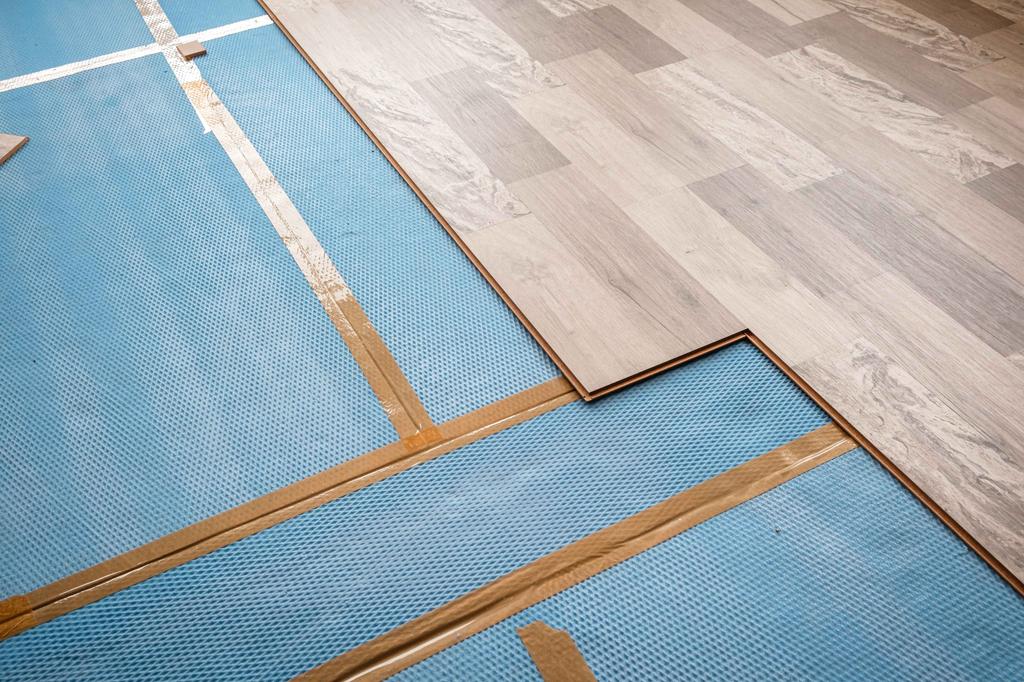
How to Fix Squeaky Floors: Easy DIY Solutions That Actually Work

Landscaping Gravel Types: Pros and Cons
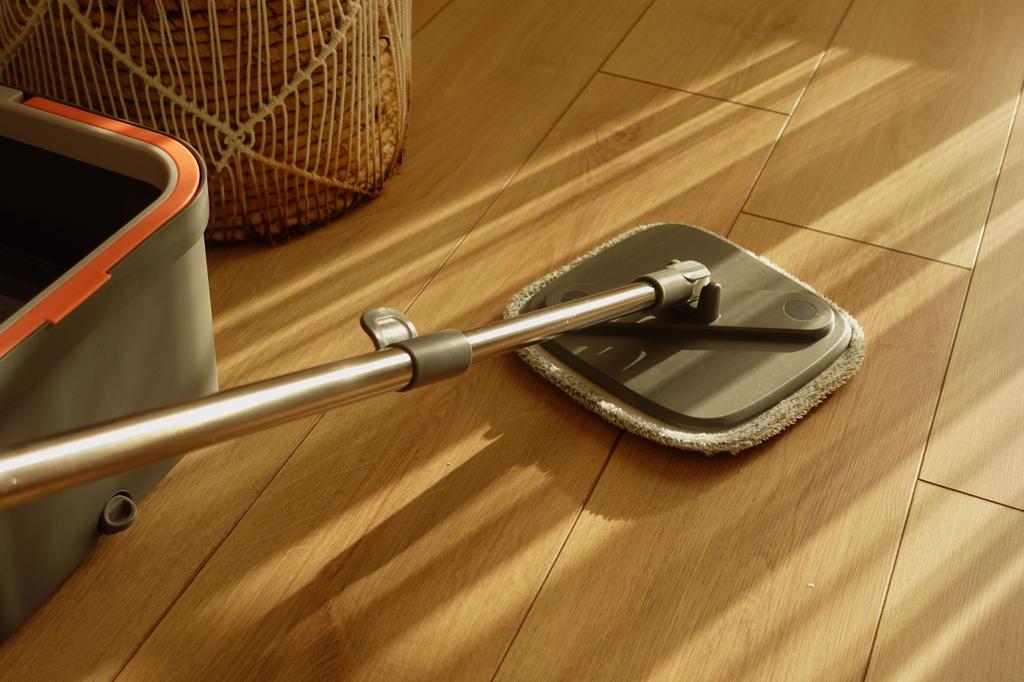
How to Clean Hardwood Floors: Simple Steps for Long-Lasting Shine
Coupons
Updates & tips
Additive Manufacturing and Aerospace: Innovations
Introduction Additive manufacturing, often called 3D printing, is transforming the way industries make parts and products. One of the sectors benefiting greatly from this technology is aerospace, where every improvement in weight, strength, and efficiency counts. In this blog, we will explore how additive manufacturing is driving innovations in aircraft engine parts, helping to make air travel more sustainable, efficient, and cost-effective. What is Additive Manufacturing? Additive manufacturingis a process that builds objects layer by layer. Instead of cutting or shaping materials from a larger block (which is traditional manufacturing), it adds material only where it’s needed. This technology allows engineers to design complex shapes that would be very hard to create with other methods. In aerospace, this means lighter, stronger, and more efficient parts can be made for aircraft engines. The Importance of Additive Manufacturing in Aerospace The aerospace industry has strict requirements for materials and parts. Aircraft components need to withstand high temperatures, pressure, and constant movement. Traditionally, making engine parts required heavy materials and complex manufacturing processes. However, additive manufacturing allows for lighter and more precise designs, which are essential for modern aircraft engines. Here are some key benefits ofadditive manufacturing for the aerospaceindustry: Weight Reduction: Additive manufacturing allows engineers to create lightweight parts, which can help reduce the overall weight of an aircraft, leading to fuel savings. Improved Strength and Durability: 3D-printed parts can be made stronger by using materials like titanium and high-performance alloys, which handle stress well. Faster Production: Traditional manufacturing can be slow and costly. Additive manufacturing reduces production time, allowing faster creation and testing of new designs. Innovations in Aircraft Engine Parts Let’s look at how additive manufacturing is specifically improving aircraft engine parts. Fuel Nozzles Fuel nozzles in aircraft engines must be strong and heat-resistant. General Electric (GE) is one of the first companies to use additive manufacturing to make fuel nozzles for its engines. By 3D printing fuel nozzles, GE was able to create a part that is 25% lighter and five times more durable than traditional ones. This part also combines several pieces into one, reducing the need for assembly and maintenance. Combustor Liners Combustor liners are parts of the engine that withstand extreme heat and stress. Additive manufacturing allows engineers to create liners with intricate cooling channels. These channels help to manage the heat in the engine more efficiently, leading to a longer-lasting engine with improved fuel efficiency. For airlines, this means engines that need less fuel and are better for the environment. Turbine Blades Turbine blades are one of the most critical components of an aircraft engine. These parts spin at very high speeds and are exposed to intense heat and pressure. With additive manufacturing, engineers can create hollow turbine blades that are both lightweight and heat-resistant. This helps improve engine efficiency and allows aircraft to burn less fuel, reducing carbon emissions. Heat Exchangers Heat exchangers play a key role in controlling engine temperature. Using 3D printing, engineers can design heat exchangers with complex structures that help cool engines more effectively. This improves engine efficiency and durability, contributing to more eco-friendly and cost-effective flights. Sustainability and Cost Savings One of the biggest advantages of additive manufacturing in aerospace is its positive impact on sustainability. With traditional manufacturing, a lot of material is wasted when cutting and shaping parts. In additive manufacturing, almost all the material is used, reducing waste. Plus, lighter parts mean less fuel consumption, which is good for both airlines and the environment. From a cost perspective, additive manufacturing also reduces the need for assembly, as it can create complex parts in a single step. Fewer parts and faster production mean lower costs for manufacturers, which can result in more affordable air travel in the future. Challenges and Future of Additive Manufacturing in Aerospace While additive manufacturing has many benefits, there are still challenges to overcome. Some of these include: Material Limitations: Not all materials are suitable for additive manufacturing, especially in high-stress applications like aerospace. Certification: Every part used in an aircraft must meet strict safety standards. Certifying 3D-printed parts can be a long and costly process. Production Speed for Large Parts: For larger components, additive manufacturing can still be slower compared to traditional methods. Despite these challenges, additive manufacturing is set to play a big role in the future of aerospace. As technology advances, we can expect to see even more 3D-printed parts in aircraft, leading to greener, faster, and more efficient air travel. Conclusion Additive manufacturing is changing the way we think about designing and building aircraft engine parts. With the ability to create lightweight, strong, and complex parts, this technology is helping the aerospace industry make flights more efficient and environmentally friendly. As 3D printing continues to improve, it will bring more innovations to aerospace, shaping a future where air travel is safer, more sustainable, and cost-effective.
Types of Metal Additive Manufacturing & Advantages
Metal additive manufacturing (MAM), also known as 3D printing metals, is revolutionizing the manufacturing industry. This technology allows for the creation of complex, three-dimensional metal structures directly from digital models. Unlike traditional subtractive manufacturing techniques, which remove material from a solid block, MAM builds objects layer by layer, offering unparalleled design freedom and customization. A Range of Metal Additive Manufacturing Techniques There are several metal additive manufacturing techniques, each with its own advantages and applications. Here’s a closer look at some of the most common methods: Directed Energy Deposition (DED): This technique uses a focused energy beam, such as a laser or electron beam, to melt metal powder or wire, fusing it layer by layer to create the desired shape. Direct energy deposition additive manufacturing is known for its ability to produce high-strength parts with excellent mechanical properties. Binder Jetting: A liquid binder is selectively deposited onto a bed of metal powder, bonding the particles together. The unbound powder is then removed, leaving behind the desired 3D structure. Binder jetting is a cost-effective option for producing complex geometries. Selective Laser Melting (SLM): A high-powered laser beam selectively melts metal powder, fusing it layer by layer to create a solid object. SLM is known for its high precision and ability to produce intricate details. Electron Beam Melting (EBM): Similar to SLM, but uses an electron beam in a vacuum chamber to melt metal powder. EBM is particularly well-suited for producing parts from reactive metals, such as titanium and tantalum. Unleashing the Potential of Metal Additive Manufacturing Metal additive manufacturing offers a multitude of benefits for manufacturers across various industries. Here are some key advantages: Design Freedom: MAM enables the creation of complex geometries that are impossible to achieve with traditional manufacturing methods. This opens doors for innovative product design and functionality. Lightweighting: Metal AM allows for the creation of lightweight structures with high strength-to-weight ratios, making them ideal for applications in aerospace, automotive, and other weight-sensitive industries. Reduced Waste: Unlike subtractive manufacturing, MAM generates minimal waste material. This translates to cost savings and a more environmentally friendly production process. Rapid Prototyping: The ability to quickly create prototypes from digital models allows for faster product development cycles and reduced time-to-market. Mass Customization: MAM facilitates the production of customized parts and products on demand, catering to individual needs and preferences. Choosing the Best Metal 3D Printing Service for Your Needs With the growing popularity of metal additive manufacturing, numerous companies offer 3D printing services. Here are some factors to consider when choosing a metal 3D printing service provider: Expertise: Look for a company with extensive experience in metal AM and a proven track record of success in your specific industry. Technology: Consider the type of metal AM technology that best suits your project requirements. Different techniques offer varying advantages in terms of precision, material compatibility, and cost. Quality Control: Ensure the service provider has robust quality control procedures in place to guarantee the dimensional accuracy and mechanical properties of the printed parts. Post-Processing: Some metal AM processes require post-processing steps such as heat treatment or support removal. Inquire about the post-processing capabilities offered by the service provider. Metal additive manufacturing is a powerful technology with the potential to transform your manufacturing processes. If you’re considering incorporating MAM into your operations, contact DM3D Technology today to discuss your project requirements and explore how our expertise can help you bring your vision to life.
Directed Energy Deposition: Pathway to Large Format Metal 3D Printing
While AM has been dubbed as the 4th industrial revolution, it has made minimal in-roads into the arena of large part manufacturing. Among all the metal AM technologies, Directed Energy Deposition (DED) technologies are more easily scalable than others. Therefore, DED is well suited for manufacturing large parts. Surprisingly, the adoption of DED technologies has been much slower than other well-known 3d printing technologies, such as Powder Bed Fusion (PBF), Material Jetting (MJ) or Fused Deposition Modeling (FDM). However, this is changing. Aerospace and defense industries are leading the way in exploring and adapting large format metal printing. DED has come a long way. Baker’s 1935 patent on ‘Method of Making Decorative Articles’ is arguably the first known patent using a directed energy technique. While the process was not digitally driven, it, nonetheless, demonstrated the potential of tool-less manufacturing using a layer wise approach. Today’s DED technologies are far more sophisticated and fully driven by digital manufacturing methodologies. However, there remains some significant barriers to its widespread adoption for large part manufacturing. Enhanced build rate, consistent build process, real time process monitoring and control, stress & distortion mitigation strategies are some of the essential requirements to reach the dream of producing large metal AM parts that can journey to outer space, fly in an aircraft around the earth, explore the deep seas or produce energy at a power station with 24/7 reliability. Figure1. Complex geometries printed using DMD technology. (a) A hollow elbow, (b) A hemisphere, © a rocket engine nozzle (courtesy NASA MSFC) and (d) Turbine engine part DM3D Technology LLC, a leadingDED Metal Additive Manufacturing service provider, has taken on the mission tomake large-scale metal AM partsa reality. DM3D’s proprietary Direct Metal Deposition (DMDâ) is one of the DED technologies that uses high power laser as a heat source and metal powder/wire as feedstock to 3D print metal parts layer-by-layer directly from the CAD data (Fig. 1). We realize that developing large format AM technology is a task that we cannot realize alone. The process starts with identifying candidate parts, analyzing technical and commercial challenges, and laying out potential integrated solutions to these challenges to maximize our chances of being successful. For the past five years, our team has been working tirelessly with our customers and suppliers towards achieving this goal. Figure 2 DMD Multi-nozzle system. Left top insert shows the dual nozzle technology for rapid 3D deposition Like in any product development, a key mantra to success is cheaper, better, and faster. Enhanced build rate is a must-have factor to make the cost of large parts affordable and to reduce lead time. Some DED processes have reached this target by using high energy input and large beam size. However, these advancements have come at a cost, such as a reduction in complex feature capability and process resolution while introducing very large distortions in the part. In order to overcome this challenge, our team at DM3D took a different approach. We designed, fabricated, and commissioned a new generation multi-nozzle DMD system (Figure 2). Some features of this Multi-nozzle DMD system are: Build envelope of 10ft diameter and 10ft height Doubled the throughput using two simultaneously operating process heads with capability to add two more process heads Patented closed-loop feedback control for the process stability and quality of the build Coaxial nozzle with local shielding of melt pool to provide high quality material A large rotary table with tiltable process heads (±45°) allow for printing overhang structures Large capacity high feed rate pre-heated powder hoppers Figure 3 Simulation showing radial distortion of the part (courtesy NASA ARC team) Figure 4. DMD built full-scale RS-25 nozzle liner Figure 5. 3D scanned data overlayed on the CAD of the part The next critical step in maturing a large part printing process is candidate part selection and build process optimization. We worked with NASA on the RS-25 engine nozzle liner (with 97in or base diameter and 111in height) as a candidate part. The build approach started with design of experiments (DOE) based process recipe optimization followed by a thermal, stress and distortion simulation of the build process using ANSYS software (Fig. 3) and subsequent compensation of the distortion to print geometry. This was followed by a successful build process (Fig. 4) and finally, a structured light geometric inspectional (from Hexagon) scan on completion of the build (Fig. 5). Replacing conventional manufacturing with AM for a RS-25 engine liner is estimated to result in 2X to 10X schedule reduction and a significant cost savings (up to 50%). There is significant technological and commercial benefit of printing such large parts using DED technology as indicated by Paul Gradl, a Principal Engineer at NASA MSFC and a world-renowned AM expert, “NASA has established these public-private partnerships with industry and academia to advance new approaches, process build volumes, novel alloys, and component demonstrations using additive manufacturing,” he said. “The goal is to increase the technology readiness level to allow infusion into future NASA missions and commercial space applications.” We hope that this successful demonstration of printing large rocket engine parts will open doors for large-scale metal AM and directly benefit the fast-growing commercial space industry which is in constant need of large structures. Rapid manufacturing speed, along with the ability to incorporate new design changes with minimum effort, will be a perfect tool for current and future design & manufacturing engineers and accelerate innovation to a greater benefit of our society. Source : https://3dprint.com/297077/directed-energy-deposition-the-pathway-to-large-format-metal-3d-printing/