Prefer to talk to a pro?
Call today, and let us connect you with the perfect merchant!
Call today, and let us connect you with the perfect merchant!
About Cedar Grove, NJ
Cedar Grove is a city located in Essex County, New Jersey. It was voted the fourth best place in the county and the seventeenth best place in the state to live in 2008 by New Jersey Monthly Magazine. Students here attend the Cedar Grove Public Schools which consist of one elementary school, one middle school and one high school. The city is also home to two private schools, The Washington Academy and Saint Catherine's. Most of the businesses in Cedar Grove are located along route 32. Some of the businesses here include CVS, Bank of America, and Lay-Z-Boy. Major attractions in the city include Mills Reservation, Hilltop Reservation and the Cedar Grove Community Pool. Famous people with ties to Cedar Grove include originator of the Batman movies Michael Uslan and CNN commentator Jack Cafferty.
Best Businesses in Cedar Grove, NJ






Prefer to talk to a pro?
Call today, and let us connect you with the perfect merchant!
Call today, and let us connect you with the perfect merchant!
Related articles
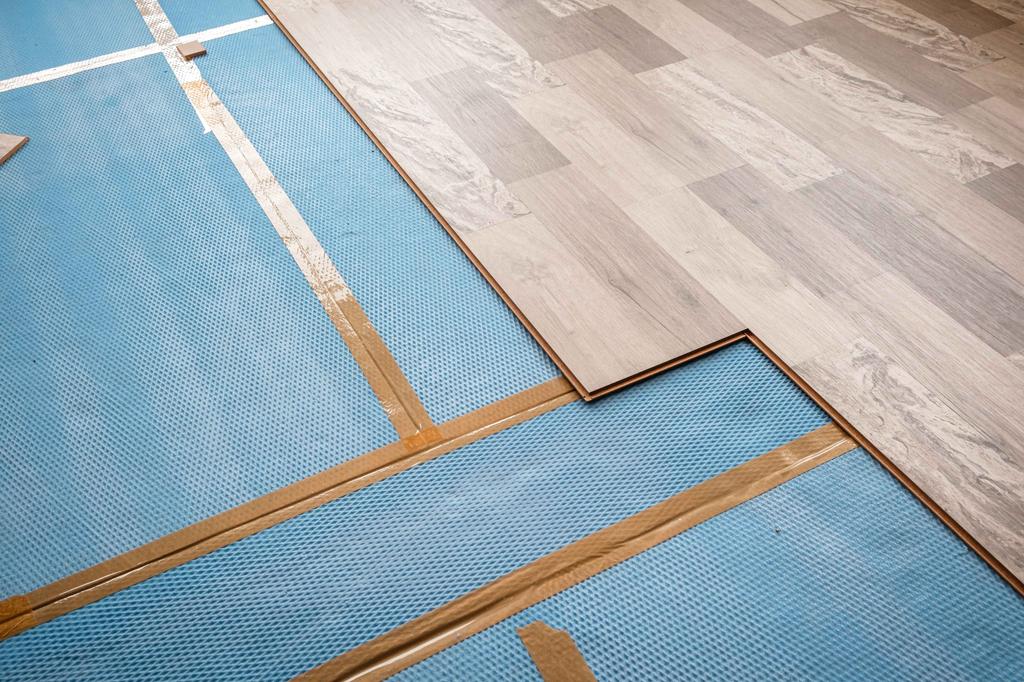
How to Fix Squeaky Floors: Easy DIY Solutions That Actually Work

Landscaping Gravel Types: Pros and Cons
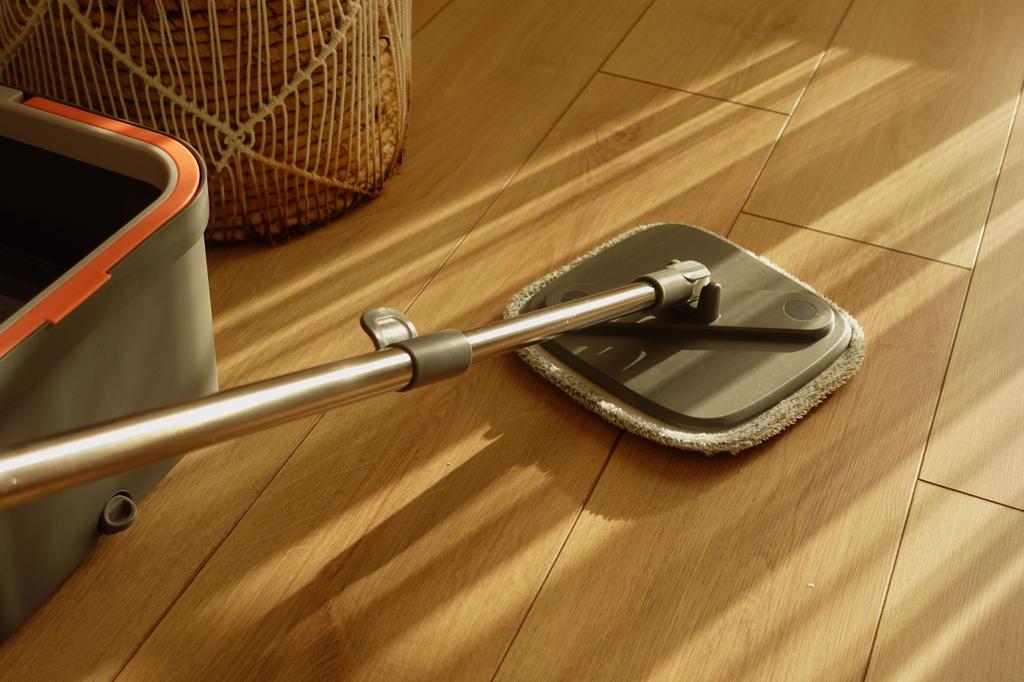
How to Clean Hardwood Floors: Simple Steps for Long-Lasting Shine
Updates & tips
Laser Cutting for Small Businesses affordable Solutions
In the intricate dance of entrepreneurship, small businesses are often challenged with finding the delicate balance between cost-effectiveness and quality in their fabrication processes. Fortunately, the advent of laser cutting technology has heralded a new era, offering small businesses affordable solutions without sacrificing precision or versatility. Let's delve deeper into how laser cutting is revolutionizing custom fabrication for small enterprises. Laser cuttingoperates on the principle of utilizing a high-powered laser beam to precisely cut or engrave materials such as wood, metal, plastic, and more. This technology offers unparalleled precision, enabling the creation of intricate designs and fine details that were once unimaginable through traditional methods. Its ability to deliver consistent results across large production runs ensures that small businesses can maintain high-quality standards without compromise. Versatility is a hallmark of laser cutting, making it an indispensable tool for small businesses with diverse fabrication needs. Whether crafting custom signage to adorn storefronts, intricate jewelry pieces to captivate discerning customers, or functional prototypes to test innovative ideas, laser cutting accommodates a wide range of materials and applications. This adaptability empowers entrepreneurs to explore various markets and cater to a broad spectrum of customer demands, thereby expanding their business horizons. Moreover,laser cuttingis synonymous with efficiency, enabling rapid prototyping and streamlined production cycles. Unlike traditional fabrication techniques that may entail extensive setup and tooling, laser cutting requires minimal preparation, reducing both time and labor costs. This efficiency not only enhances productivity but also facilitates quick turnaround times—a crucial advantage in today's fast-paced business landscape where agility is key to success. Cost-effectiveness is a paramount consideration for small businesses, and laser cutting excels in this regard. While the initial investment in laser cutting equipment may seem daunting, the long-term savings are substantial. Unlike traditional fabrication methods that incur recurring expenses for tool maintenance, consumables, and labor, laser cutting minimizes overhead costs and maximizes return on investment over time. Furthermore, the option to outsource laser cutting services has become increasingly viable for small businesses seeking to minimize upfront investment. Many specialized firms offer affordable laser cutting services on a contract basis, allowing entrepreneurs to access cutting-edge technology without the burden of ownership. This outsourcing model not only reduces capital expenditure but also provides access to expertise and resources that may otherwise be beyond the reach of small businesses. In addition to its affordability and versatility, laser cutting empowers small businesses to differentiate themselves through customization. In today's market, consumers are drawn to personalized products that reflect their individuality and preferences. Laser cutting enables businesses to meet this demand by offering bespoke solutions tailored to each customer's unique requirements. Whether engraving personalized messages on gifts or creating one-of-a-kind designs for home decor, the ability to customize sets small businesses apart from competitors and fosters customer loyalty. Moreover, laser cutting facilitates sustainable practices by minimizing material waste and energy consumption. Unlike traditional machining methods that generate significant scrap material, laser cutting produces precise cuts with minimal kerf, maximizing material utilization. Additionally, laser cutting is inherently energy-efficient, consuming less power than conventional cutting techniques. By embracing laser cutting technology, small businesses can reduce their environmental footprint while simultaneously enhancing operational efficiency. Despite its numerous advantages, integrating laser cutting into a small business requires careful planning and consideration. Adequate training and familiarity with the technology are essential to harness its full potential and ensure optimal results. Additionally, businesses must assess their specific needs and objectives to determine the most suitable laser cutting equipment and materials for their operations. Collaborating with experienced suppliers and service providers can also streamline the integration process and facilitate knowledge transfer. In conclusion,laser cuttingoffers small businesses a cost-effective and versatile solution for custom fabrication. With its unparalleled precision, efficiency, and customization capabilities, laser cutting empowers entrepreneurs to compete in diverse markets and meet evolving consumer demands. By embracing this transformative technology, small businesses can unlock new opportunities for growth, innovation, and sustainability in the ever-evolving landscape of custom fabrication.
Explore How Acrylic Sheets and Rods Are Reshaping Modern Design
In the realm of modern design, the creative landscape is constantly evolving, driven by advancements in materials and technologies. Among the forefront contributors to this evolution are acrylic sheets and rods, two versatile materials that have been gaining substantial traction in reshaping the way we approach design. With their transparency, durability, and adaptability, acrylic sheets and rods are finding their way into a diverse range of industries, from architecture to art, and from interior design to healthcare. The Versatility of Acrylic Sheets and Rods Acrylic, also known as polymethyl methacrylate (PMMA), is a transparent thermoplastic material that offers a unique combination of properties. It boasts exceptional optical clarity, rivaling that of glass, while being significantly lighter and more impact-resistant. These characteristics makeacrylic sheetsan ideal alternative to traditional glass in various applications. One of the prime qualities of acrylic is its versatility in shaping and forming. Sheets can be molded into a variety of shapes, from curved displays to intricate sculptures. This malleability enables designers to realize their visions without the limitations often associated with other materials. Acrylic's adaptability to heat and pressure allows for the creation of complex forms, contributing to the artistic freedom of designers. Reshaping Modern Architecture Acrylic sheets are making their mark on modern architecture by offering innovative design solutions. In urban environments, they are employed to create striking façades that play with light, shadow, and transparency. From towering skyscrapers to avant-garde museums, architects are exploring the unique aesthetics and functionality thatacrylic sheetscan bring to their creations. The material's lightweight nature also facilitates efficient construction, reducing the load on structures while maintaining structural integrity. This advantage is particularly important in sustainable and eco-friendly building designs where energy consumption and materials' environmental impact are critical considerations. Interior Design and Decor Within interior design, acrylic sheets and rods are elevating the concept of transparency and minimalism. Furniture pieces made from acrylic appear to float effortlessly in a space, giving a sense of openness and airiness. Coffee tables, chairs, and shelves made from acrylic sheets create an illusion of space, making them especially popular in small living areas. Moreover, the ability to customize acrylic sheets by adding colors, patterns, or textures has opened new avenues for artistic expression. Designers can tailor these materials to fit specific themes or brand identities, enabling a harmonious integration of design elements within a space. Artistic Expression and Beyond Artists are also harnessing the potential of acrylic sheets and rods to create captivating installations that blur the boundaries between art and design. The interaction between light and acrylic can lead to mesmerizing visual effects, making these materials a staple in contemporary art installations. Acrylic's clarity and vibrant colors amplify the impact of light, resulting in dynamic and immersive experiences for viewers. Beyond aesthetics, acrylic's durability and resistance to fading make it a suitable medium for outdoor sculptures and installations. Its ability to withstand the elements while retaining its optical qualities ensures that art can be enjoyed in various environments without compromising on longevity. As the design world embraces innovation and pushes the boundaries of creativity,acrylic sheets and rodshave emerged as transformative materials. Their unique blend of transparency, adaptability, and durability has revolutionized various industries, from architecture to art and beyond. By reshaping modern design paradigms, acrylic materials are not only shaping physical spaces but also redefining the very concept of what is possible in the world of design. Whether in the form of architectural marvels, contemporary artworks, or stylish interior elements, acrylic sheets and rods continue to leave an indelible mark on the evolution of design.
Introduction to Plastic Welding Techniques: A Comprehensive Guide
Plastic welding is a specialized process that involves joining two or more plastic components together to create a strong and durable bond. This technique has gained immense popularity in various industries due to its versatility and effectiveness. In this comprehensive guide, we will explore the different plastic welding techniques and their applications. Hot Gas Welding: Hot gas welding, also known as hot air welding, is a widely used technique for joining thermoplastic materials. It involves heating a stream of hot air and directing it onto the plastic surfaces to be joined. The heat softens the plastic, allowing it to fuse together when pressure is applied. Hot gas welding is commonly used in the automotive, construction, and packaging industries. Ultrasonic Welding: Ultrasonic welding utilizes high-frequency vibrations to create friction and heat between plastic parts. The parts are pressed together, and the ultrasonic vibrations generate enough heat to melt the plastic at the joint interface. As the plastic cools, a solid and durable bond is formed. This technique is particularly suitable for small and intricate components in industries such as electronics, medical, and automotive. Laser Welding:Laser weldingis a precise and efficient technique that uses a focused laser beam to melt and join plastic components. The laser beam delivers energy to the joint area, creating a localized heat source. As the plastic melts, the components are brought together, and upon cooling, a strong bond is formed. Laser welding is commonly used in industries where high precision and minimal heat-affected zones are required, such as medical, electronics, and aerospace. Vibration Welding: Vibration welding, also known as friction welding, involves rubbing or vibrating two plastic parts together to generate heat through friction. The heat softens the plastic, and when pressure is applied, the parts fuse together. Vibration welding is particularly suitable for large and irregularly shaped components in industries such as automotive, appliance manufacturing, and construction. Spin Welding: Spin welding is a technique used to join cylindrical plastic parts. One part is held stationary, while the other part is rotated at a high speed. The friction generated between the two parts melts the plastic at the joint interface, creating a strong bond when the spinning stops. Spin welding is commonly used in industries such as automotive, medical, and consumer goods manufacturing. Solvent Welding: Solvent welding involves using a chemical solvent to dissolve the plastic surfaces being joined. The solvent softens the plastic, allowing the molecules to intermingle and create a bond as it evaporates. Solvent welding is commonly used in industries such as plumbing, construction, and model making. Eachplastic welding techniqueoffers its own advantages and is suitable for specific applications. Factors such as material type, joint design, component size, and production requirements need to be considered when choosing the appropriate technique. In conclusion, plastic welding techniques provide effective solutions for joining plastic components in various industries. Whether it is hot gas welding, ultrasonic welding, laser welding, vibration welding, spin welding, or solvent welding, each technique offers unique benefits and finds applications in different sectors. By understanding these techniques, manufacturers can select the most suitable method to ensure strong and reliable bonds, resulting in high-quality and durable plastic products.