Prefer to talk to a pro?
Call today, and let us connect you with the perfect merchant!
Call today, and let us connect you with the perfect merchant!
About Cranbury, NJ
Cranbury is a part of the New York region/metro area of New Jersey known as Washington's headquarters during the Battle of Monmouth. Major attractions include Cranbury Museum and Village Park. Each year in the summer season there is the Because your Dog is Worth it too Day. Among the biggest companies in Cranbury are Monday Morning Flower and Balloon Company and Algorx. The biggest schools here are Princeton High School and Gentle Healing School of Massage. One of the best places to visit when you are in Cranbury is Rowland Park. Famous person from Cranbury include: Tod A., Jan Morris, and Todd Beamer.
Best Businesses in Cranbury, NJ




Prefer to talk to a pro?
Call today, and let us connect you with the perfect merchant!
Call today, and let us connect you with the perfect merchant!
Related articles
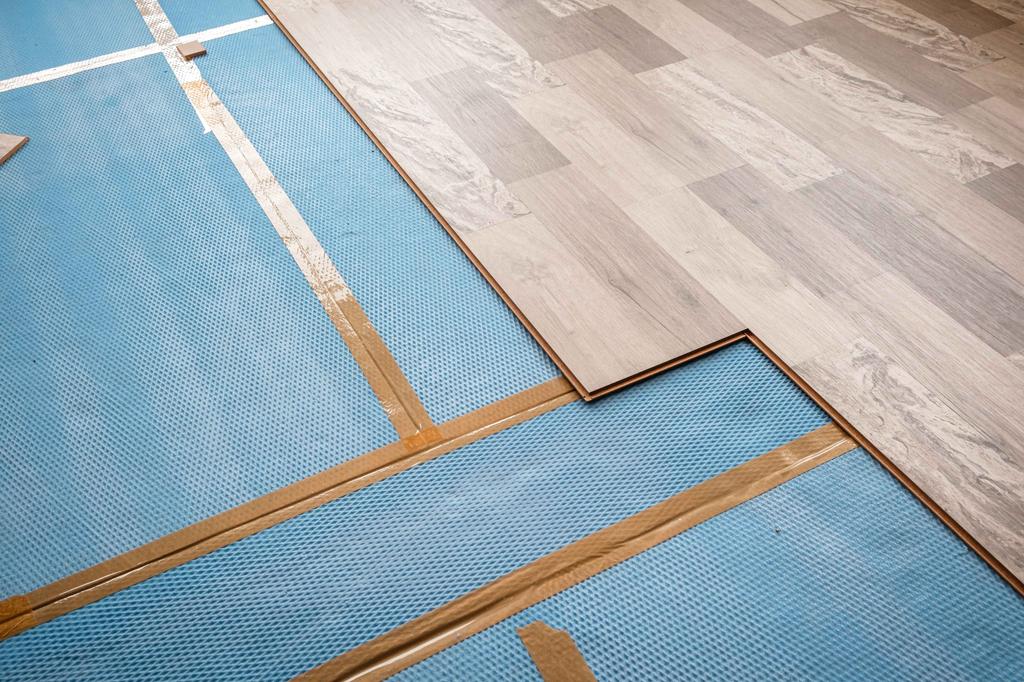
How to Fix Squeaky Floors: Easy DIY Solutions That Actually Work

Landscaping Gravel Types: Pros and Cons
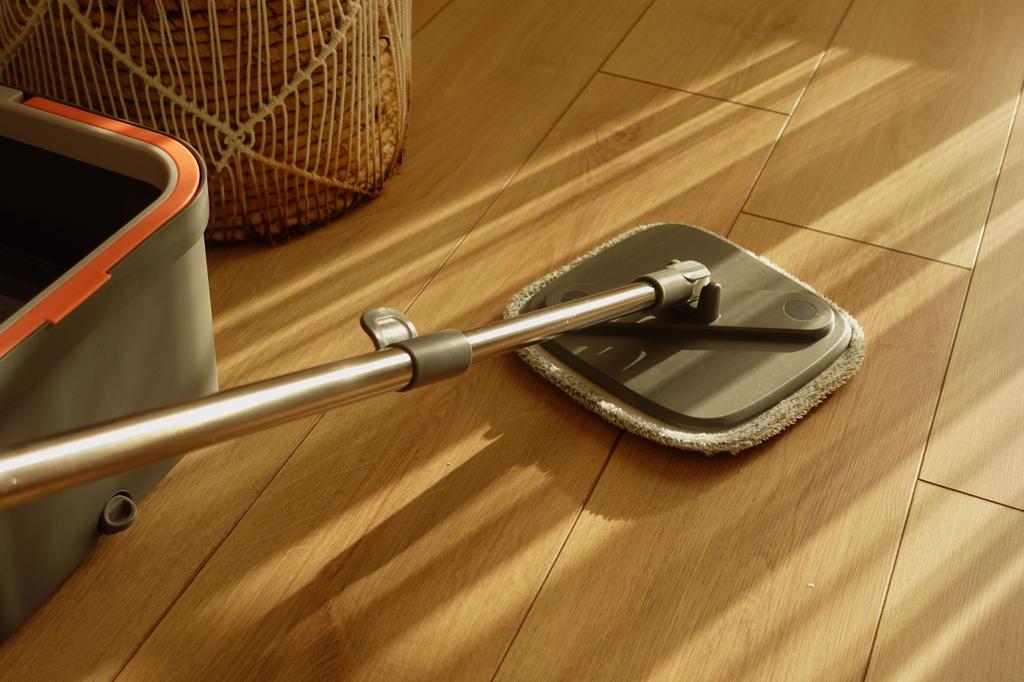
How to Clean Hardwood Floors: Simple Steps for Long-Lasting Shine
Updates & tips
The Evolving Landscape of Retail Supply Chains in 2023
The retail industry is in a constant state of transformation, and perhaps nowhere is this change more evident than in the realm of supply chains. As consumer expectations, technology, and market dynamics evolve,retail supply chainsmust adapt and innovate to remain competitive. In this blog, we'll explore the ever-changing landscape of retail supply chains and the key factors driving this evolution. Customer-Centric Supply Chains: One of the most significant shifts in the retail supply chain landscape is the move towards customer-centricity. Retailers now focus on understanding customer preferences and behavior to tailor their supply chains accordingly. This approach ensures products are available when and where customers want them. In turn, this not only boosts customer satisfaction but also increases efficiency by reducing excess inventory. Omnichannel Retailing: The rise of e-commerce has necessitated the development of omnichannel retail supply chains. Retailers are no longer just managing brick-and-mortar stores; they're also managing online marketplaces, mobile apps, and more. This shift requires supply chains to seamlessly integrate and manage inventory across various channels, ensuring a consistent customer experience. Technology's Pivotal Role: The integration of technology is at the heart of the evolving retail supply chain landscape. From inventory management systems and data analytics to blockchain and IoT devices, technology is being harnessed to enhance visibility, traceability, and efficiency. Real-time data analytics, in particular, is helping retailers make informed decisions and respond swiftly to changing market conditions. Supply Chain Resilience: Recent global disruptions, such as the COVID-19 pandemic, have highlighted the importance of supply chain resilience. Retailers are now actively working to build more resilient supply chains that can adapt to unforeseen challenges. Diversifying sourcing, reevaluating inventory strategies, and enhancing risk management practices are all on the agenda. Sustainability and Ethical Considerations: Consumers increasingly demand sustainable and ethical practices from retailers. This has led to a shift in supply chains towards eco-friendly sourcing, packaging, and transportation. Retailers are also focusing on ethical labor practices and fair trade. These changes not only meet consumer expectations but also contribute to brand image and long-term sustainability. Last-Mile Delivery Innovations: The last-mile delivery has become a hotbed of innovation. Companies are experimenting with autonomous vehicles, drones, and even crowd-sourced delivery options. The goal is to reduce delivery times, costs, and environmental impact while enhancing the overall customer experience. Conclusion: The retail supply chain landscape is undergoing a fundamental transformation driven by customer-centricity, omnichannel retailing, technology integration, resilience, sustainability, and innovative last-mile delivery solutions. Retailers that embrace these changes and adapt to the evolving landscape will not only meet current market demands but also position themselves for success in the future. Staying attuned to the evolving needs of consumers and leveraging the latest technologies will be key in staying competitive in the ever-changing world of retail supply chains.
How do I clean a food processor?
A food processor is a great tool for any kitchen. It makes chopping, slicing and pureeing food simple and quick. But like any other appliance in your home, it needs to be cleaned from time to time to keep it running smoothly. If you follow these steps for cleaning your food processor, you'll never have to worry about that pesky layer of grease again. Remove the lid. Remove the lid. Remove the blade from inside of the food processor. If it is stuck on, use a dull butter knife or other blunt object to help pry it off (be careful not to cut yourself). Remove any large pieces of food that are stuck in the blades and clean them off with a damp cloth or sponge if necessary. Read more:https://www.merchantcircle.com/blogs/molto-bene--cranbury-nj/2022/10/How-long-does-a-gas-grill-last-/2329782 Remove the blades. Remove the lid, blade insert and blade. Rinse out the bowl with hot water to remove any stuck-on food particles. Soak in hot water and soap. Soak the food processor in hot water and dish soap for 30 minutes to remove any stuck-on bits of food. Use a bottle brush to clean the blade, as well as any other small parts on your food processor that might be harder to reach with your hands. Then run it through the dishwasher or wash by hand with warm water and soap again! Wash by hand or in the dishwasher. You should always hand wash the blade assembly, but you can put the bowl in the dishwasher. If you choose to hand wash, place your food processor parts in a large bowl and fill with hot soapy water. Use a soft sponge or cloth to scrub away any stuck-on food particles and rinse well with clean water before drying. See more:http://moltobeneonlines.bravesites.com/ Place all parts of the food processor back together. Once you've cleaned the food processor thoroughly, it's time to put it all back together. Here are a few tips: Make sure all parts of the food processor are clean. If there's any residue left on them, they may not be able to sit properly when they're put together and could cause damage or leaks when you use your appliance again. Check the lid and bowl for cracks. If either has even a small crack in it, you should immediately throw out that part because liquid can begin leaking into your food when using an appliance with cracks in its parts. Make sure all blades are dry before putting them back into their proper places inside of your appliance's housing unit (the base). This will help prevent rusting—and ensure smooth operation! Finally, make sure that everything is secure before using your appliance again—especially if there were any leaks during cleaning or assembly of its parts! Cleaning a food processor is easy. Cleaning a food processor is easy. There are two ways you can clean it, by hand or in the dishwasher. The first thing to do is remove the lid and wash it by hand or in the dishwasher. After that, you should remove the blades and wash them separately before placing them back into their slots. Then soak your lid and blades in hot water with soap for at least five minutes to loosen any stuck-on bits of food or grease from previous uses. Finally, wash out your bowl by hand or place it on a gentle cycle with some warm soapy water if you have an automatic dishwasher (or use vinegar as an alternative). Why is it important to clean my food processor? Your food processor is probably one of the most valuable tools in your kitchen, so it's important to take care of it. Food processors can harbor bacteria and germs that you don't want in your food. And let's be honest: It's a lot easier (and more fun!) to make things like hummus or pesto when you're not worried about whether or not your machine is full of moldy grime. What's the best way to clean removable blades and discs? The best way to clean removable blades and discs is by hand washing them with hot soapy water and drying them immediately afterward. It is not recommended that you put these items in the dishwasher because they may become warped over time due to heat exposure and will no longer fit properly into the housing unit of your food processor. How often should you clean a food processor? The FDA recommends cleaning your food processor after each use; however, many people choose to do this before every use instead because it's easier than cleaning afterward if something goes wrong (like a lemon slice gets stuck in there or something). You can also just do it once per week for good measure! How do you clean a food processor after making nut butter or dough? Cleaning your food processor properly is important for keeping it in good working order and for preventing the spread of germs. Make sure to clean the bowl, lid and blade thoroughly after every use—especially if you're making something like pesto or hummus that's bound to be messy. Conclusion A food processor is an essential tool for any kitchen, and you're sure to find it handy in yours. By following these steps and keeping your kitchen clean, you'll be able to enjoy the convenience of having a food processor without worrying about cleaning up after yourself.
How long does a gas grill last?
Grills can last for decades, but how long yours lasts depends on many factors. The key question is, how well has the grill been maintained over the years? You might have bought a brand new grill and kept it in pristine condition for 10 years—or you may have bought a used model that was already 20 years old when you got it. However, even brand new grills can wear out quickly if they're not taken care of properly. Gas grills last longer than charcoal grills If you’re looking to get the most bang for your buck, or just prefer convenience and ease of use, a gas grill is the way to go. They tend to be more expensive than charcoal grills, but they also last longer and are easier to maintain. Gas grills use a small propane tank that feeds fuel into a burner where it ignites for cooking purposes. The advantage of this design is that there is less need for other components (such as vents and valves), which makes them easier to clean and maintain over time. click here to read Age isn't the only factor affecting grill longevity. The age of your grill is not the only factor that affects its longevity. The quality of the unit will also play a role in how long it lasts. More expensive grills tend to be more durable and last longer than cheaper models. In addition, you must be conscientious about how well you take care of your grill and how often you use it. If you're using it daily or even weekly and neglecting to clean it properly (or worse, leaving food lodged between the grates), then this can cause structural damage over time as well as rusting on all metal parts. On the other hand, if you're using your grill once a month or less and making sure that food particles are removed from between grates after each use, then there's no reason why your gas grill won't last for years to come! Stainless steel doesn't stay stainless forever. Stainless steel is a great material forgrills, and it's the most common material for gas grills. Stainless steel doesn't rust like other metals do, which makes it easier to clean and maintain. But stainless steel still rusts if not properly cared for. Even with proper care and maintenance, eventually your grill may need to be replaced due to rusted parts or other damage that can't be repaired easily or economically. If your grill's stainless-steel surface becomes damaged through corrosion or wear, then you can usually polish off the rust and restore its shine! You'll want to start by cleaning away any dirt first with soap or water (and maybe some elbow grease). Then wipe down the surface with rubbing alcohol to remove any remaining oils leftover from cooking food on the grill during its lifetime thus far as well as any leftover soap residue from washing dishes off in this manner before moving on towards polishing off all traces of oxidation left behind after cleaning off any remaining gunk left behind after washing these surfaces down thoroughly using warm soapy water followed by rinsing everything thoroughly under running cold tap water prior. Keeping your grill in good shape can prolong its life span. To ensure your grill lasts as long as possible, you should clean it regularly and check the burner tubes and heat plates for cracks or damage. Make sure to cover the grill when not in use, and don't leave it on if you are not cooking. If you store fuel inside the grill, make sure there is no chance of an explosion by keeping it away from open flames or other sources of heat (like microwaves). The quality of your grill and how well you take care of it matter more than how old it is. When it comes to how long your grill will last, the quality of your gas grill, and how well you take care of it are more important than its age. A high-quality grill will last longer than a low-quality one, no matter when it was manufactured. Secondly, there is more to longevity than just being an old model or having been in use for many years. The way you take care of your grill makes a big difference as well. If you’re not careful about cleaning it after each use or storing it properly in between uses (not letting moisture get inside), then this could shorten its lifespan significantly. FAQs about How long does a gas grill last?How should I place my gas grill? Place your gas grill in an area that gets plenty of sunlight. Heat from the sun helps to keep the burners clean and promotes faster cooking times. You can also place your grill under a canopy as long as it's away from anything flammable (like trees). How do I cook on my gas grill? Turn on all of the burners and preheat them for 10-15 minutes until they glow red hot. Then turn off all but one burner and adjust its temperature to medium heat. Place food on the grate directly over this burner (not under any kind of hood). Place food under a hood that will cause it to steam rather than sear correctly—so don't do that! Why is my grill already rusting? Rusting is caused by moisture inside the burners, which can lead to leaks or corrosion that eventually causes rusting. The best way to prevent this from happening is to make sure there's no moisture in your burners before lighting them! Conclusion We think it's safe to say that your grill should last as long as you take care of it. If you're willing to learn how to clean and maintain your grill properly, it can last for decades. If you buy a cheap model made with inferior materials and don't look after it properly, however - well then all bets are off! But we hope this article has given you some ideas on how best to protect your investment in outdoor cooking equipment so that someday when the next generation comes along they'll be able to enjoy their own backyard BBQs too!