Prefer to talk to a pro?
Call today, and let us connect you with the perfect merchant!
Call today, and let us connect you with the perfect merchant!
About Hibernia, NJ
Hibernia is a part of the Morris County region/metro area of New Jersey. Major attractions include The Tourne and Park Lake Gazebo. Each year in the fall season there is the Annual Jefferson 5K Race. Among the biggest companies in Hibernia are Tutor Doctor and Hypertrophic Cardiomyopathy Association. The biggest schools here are Rockaway Township High School and Rockaway Township Middle School. One of the best places to visit when you are in Hibernia is Hedden Park.
Best Businesses in Hibernia, NJ



Prefer to talk to a pro?
Call today, and let us connect you with the perfect merchant!
Call today, and let us connect you with the perfect merchant!
Related articles
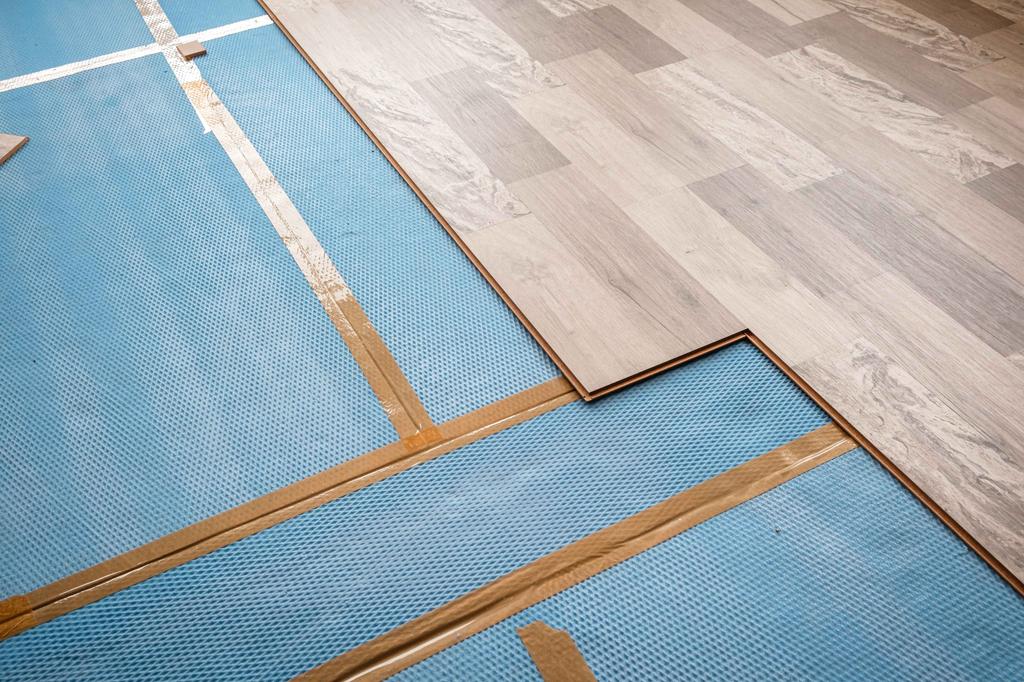
How to Fix Squeaky Floors: Easy DIY Solutions That Actually Work

Landscaping Gravel Types: Pros and Cons
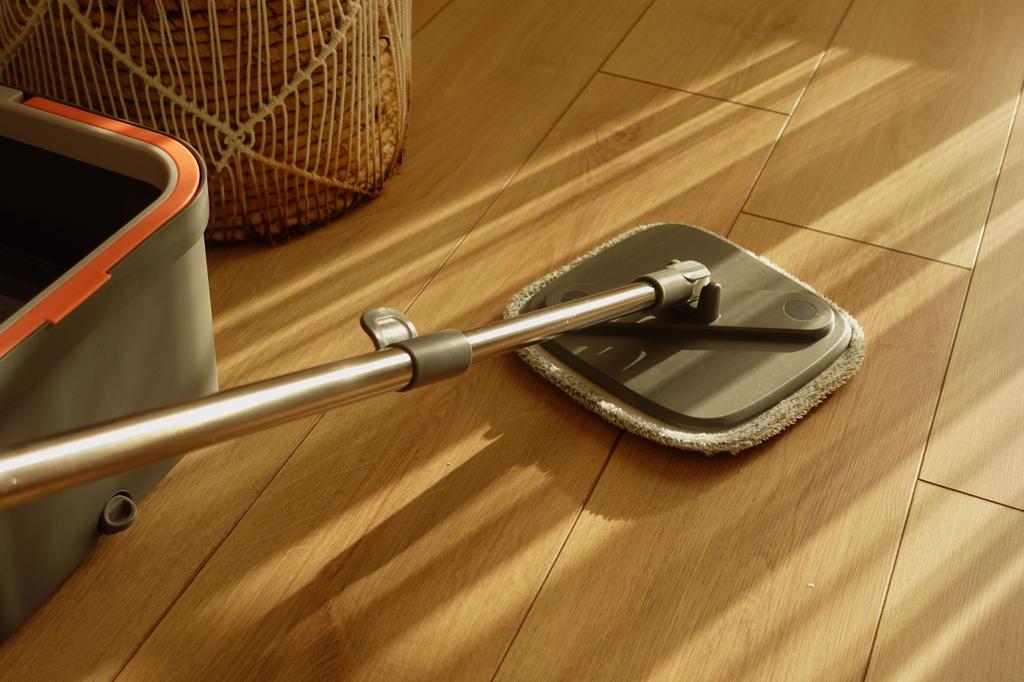
How to Clean Hardwood Floors: Simple Steps for Long-Lasting Shine
Updates & tips
K12 IT Administrators Rethinking Chromebooks After Crash?
Google Chrome OS long seemed like a solution looking for a problem. In a world dominated by Microsoft and Apple, it was hard to find a purpose for a lightweight platform that was mostly for basic applications like word processing and spreadsheet usage - and an OS that required internet access to function. ThenK12 came calling. Chromebooks - lightweight, durable, cheaper than their Apple and Microsoft alternatives - caught on with school districts looking for a suitable vehicle as 1:1 programs took on steam. However, school districts across America got a wake-up call on the potential hazards of putting all their eggs in Google’s basket when a network policy update pushed by the search giant’s administrators caused devices to temporarily lose internet connectivity. This would be a headache for any notebook computer, of course, but in a Chromebook environment, this is mission critical: without internet access, a Chromebook becomes a paperweight. Google won’t say how many users were affected, but one school district alone believes that all 20,000 devices in its network were impacted. The issue was fixed on the same day, and Google posted a series of steps that districts could take to solve the problem. But many IT professionals are now concerned, especially if Google pushes a major update that isn’t rolled back easily. As school districts seek to facilitate active learning, they turn to Silicon Valley in ever greater numbers seeking to adopt the right technology. But even mighty Google isn’t immune to technical difficulties. (Source: EdSurge)
Reduce the Stress: Four Elements to Consider in a Modern Office Design
In an effort to attract millennials, many companies are looking to incorporate features toimprove workplace engagementand decrease stress. It̢۪s an ongoing challenge for many employers, with studies showing less than one out of three millennials being engaged at work. Moreover, workplaces that are designed to be visually appealing can contribute to employee trust and performance. The more famous examples of relaxation areas in the workplace tend to come from Silicon Valley, where tech companies are known to provide their employees with game rooms, indoor gardens and even in-house bowling alleys. But even if these sorts of perks are out of scope for your project - and they almost certainly are - there are a number of things that you can do when designing your new office workspace to generate a more pleasant working atmosphere. Use natural materials such as wood and stone rather than concrete and laminates. This, plus the use of cool colors and attractive details, is shown to increase creativity. Include indoor plants and/or views of greenery. Exposure to nature can help lower heart rate, blood pressure and cortisol, a stress hormone. Workplace greenery is also shown to improve perceptions of air quality, concentration, productivity and satisfaction. You may not have the budget for a Silicon Valley-style lounge for your employees - after all, very few companies do - but you may very well be able to set aside an area for a relaxation space. Properly outfitted with relaxing furniture and good acoustics, this can give employees a place to control noise and distraction. Put some thought into the visibility and the visuals. Appropriate lighting levels, access to pleasant views such as art and outdoor scenery, and feature installations such as fireplaces have been shown to have highly positive effects on an office environment. There are additional steps that designers can take, such as selecting the right kind of technology furniture to empower employees to work most effectively. Putting together a pleasant office environment conducive to creativity can take a good deal of effort, but should pay for itself in short order. (Source: The Conversation)
Creating the Perfect Office Space
Does office space have animpact on an organization and its people? A report by World Green Building Council indicates that there is a significant relationship between productivity and office design. Modest improvements to indoor air quality can boost productivity by between 8 to 11%. Another research conducted in 2016 by the same body shows that distracting noise can reduce staff performance by up to 66%. With the above in mind, it is important to have an office design that supports the best working environment, one that makes employees relaxed, comfortable, and productive. Experts agree that a perfect office should have a diverse array of workspaces, meeting rooms, stand up desks, quiet zones, and space for active movement within the office. Over the recent past, there has been an increased focus on office aesthetics with a majority of media outlets glamorizing cool office setups. The battle for the coolest office space might have gotten out of hand. Nevertheless, it does not underscore the benefits of having a proper office space. This guide provides a deep dive into how to create the perfect space to boost productivity. Why Having a Good Office Matters While technology has an influence on the way people conduct business in the digital era age, an office still plays a crucial role in most organizations. It has a direct influence on two of your most valuable assets; people and property. Employees are the biggest asset an organization has. In some sectors such as the service industry, employees contribute to business competitiveness. Your employees work hard to build the organization, so it makes much sense to ensure they do so in a space that makes them comfortable. In most cases, the office is where a majority of staff spend most of their time. Uninspiring old and noisy cubicles without a direct source of light have a negative impact not only on productivity but also the health and emotional well-being of employees. Prospective talent will research your organization to have a clue about how it would be to work in your organization. There is a risk of losing out on top talent. These professionals may lose interest in your organization if they feel the office space will not support them deliver their best. Apart from the staff, your clients and partners have expectations. You need to live up to the promise. Some prospective clients generate their first impression based on the appearance of your office. Make sure yours matches the message you are sending out. Your office space should reflect your values and support a purpose-driven culture, for instance, having an office that values a work-life balance for employees. If your culture put more emphasis on teamwork, then your office space should feature a design that allows for collaboration. Likewise, if creativity is a priority, your office should inspire the same. Take Control to Design a Perfect Office Space to Boost Staff Productivity There is no straightforward answer to what is considered the best office space. Each office environment features a unique role, size, and goal. One area that has generated a lot of debate is closed cubicles versus open plan. The latest trend, where office spaces discourage isolations and allow for more interaction, seems to favor an open environment. With that said, there are employees who feel that an open plan take away their privacy, which might cause dissatisfaction at work. Every workplace is made up of different personalities, so it essential to take into considerations what work best for both introverts and extroverts to create a thriving workplace. While there is ambiguity surrounding what is described as best offices space, there are several aspects of office space that have proven to boost productivity levels. Facilitate Movement with Smart Desks Several studies have proven that breaking up work time with rest while moving around boosts the productivity of employees. A research study by Texas A&M University found out that standing desks can boost employee productivity by 46%. Employees on regular desks sit for one and a half hours more than employees on smart desks. Besides this, a majority of staff working on standing desks are more comfortable. ScienceDirect found that breaks and movements during work have a positive impact on individual health and lowers stress levels. Providing your employees with stand-to-sit desks will enable them to move around and change positions as they wish. Besides providing smart desks, you can also create other opportunities that encourage employees to refuel occasionally. For example, having a water cooler in a central point or placing the phone and photocopy machine on the opposite side of their PCs. Windows and Lighting There is a significant relationship between good performance and lighting. Unfortunately, most office environments give little priority to this aspect. In one study published in Psychology Today, researchers found out that offices with windows have a significant impact on productivity in the workplace. Daylight exposure boosts the sleep and quality of life of workers. On top of this, natural light enhances the growth of office plants. The present of office plants has been found to lower workplace stress. As you design your office space, pay attention to the amount of natural light that gets to the office and if there are ways of improving the flow of natural light. One way to optimize on natural light is to position your desks to the source of light. If you have minimal natural light flow or operating in a windowless space, consider using artificial lighting that mimics natural lighting. To achieve this, use spectrum bulbs to keep the light warm and soft. Using spotlights may be a good option. Other options you can use to compensate for the lack of direct natural light are using reflective furniture and growing plants. Spider or ferns are good options since they do well in low light. Indoor Air Quality & Thermal Comfort There are notable benefits to having a well-ventilated office. Low levels of pollutants and carbon dioxide improve productivity and well-being of staff. Reduce pollutants at source rather than just diluting them. Strategies that might help to minimize the concentration of pollutants are setting up exhaust ventilation on photocopy and printing rooms and using zero to low emission carpets. Natural ventilation is the best way to provide fresh air. You can complement this with air conditioning. Ceiling heights influence the natural ventilation and temperature gradient. The greater the height, the bigger the space available for the temperature gradient, which has a positive impact on both low-level air supply and natural ventilation. Thermal comfort is one of the hottest topics in the workplace. There are differences in individuals consider as too low or too hot. The surrounding surface temperature, air temperature, humidity, and airspeed make up the thermal environment. People’s perception of thermal comfort is, therefore, influenced by clothing, metabolic rate, and personal preference. Taking this issue into consideration, personal control over thermal comfort is important. Interior Layout For the interior, there are many issues you need to consider to boost productivity. These include the density and configurations of workstations, social space, and breakout space among others. These factors affect creativity, confidentiality, and collaborations at the workplace. Increasing workspace in terms of the ratio of desks to occupants and square meters is a growing trend in most western workspaces. This has not been adopted in the workplace culture in the Asia-Pacific and Middle East regions. Density may be harmful to productivity and well-being of staff if they feel they lack personal space. Another area that relates closely to interior layout is noise distractions. In today knowledge-based office setting, noise can provide an unnecessary distraction, which inhibits productivity. In fact, one of the top causes of dissatisfaction in the workplace is noise. Good acoustic are essential if you want a conducive working environment. Background sound is necessary to counter distraction. For instance, in an open office plan, foreground noise is expected, so a background sound level of 45dBA is often used. Note that not all sound is noise; otherwise, the office will be too quiet. The ‘look and feel’ also has a potential of boosting the bottom line since it has a positive impact on the mindset and well being of both the visitors and the occupiers. Bearing in mind that ‘look and feel’ is highly subjective, people of different gender, age, and culture will most likely experience it differently. Include Tools that Help Staff Work (or Relax) If your workspace is focused on personal productivity or creativity, consider adding tools such as interactive smart boards, mobile whiteboards, charging ports, and ergonomic tools for tablets and laptops. If your workplace culture values fun and celebrations, consider adding fun games, a drink station, a dartboard or even a small basketball hoop. These additions might inspire creativity. Conclusion Make sure you have everyone on board as you embark on setting up a perfect office space. Here, the most important stakeholders are your staff. Before making any changes, let them give you their input. For instance, do they like space where they will collaborate? Do they prefer having an area to relax? By asking such questions, you will not only create a balanced office space but also a personalized one. Also, put trust in the occupiers by including personal control over the working environment, for instance, regulating indoor temperature. By considering all these, you will soon notice remarkable improvements in employee satisfaction and productivity.