Prefer to talk to a pro?
Call today, and let us connect you with the perfect merchant!
Call today, and let us connect you with the perfect merchant!
About River Edge, NJ
River Edge, New Jersey, in Bergen county, is just a few miles northeast of Passaic, New Jersey and a few miles north of New York, New York. It is considered to be a part of the surrounding Bergen-Passaic metro area and is home to over 11,000 people. Originally named Riverside, River Edge was officially named and incorporated in June 1984. Nearby attractions include the Steuben House, the Bergen County Zoological Park, the George Washington Bridge, and the Campbell-Christie House. In addition to local attractions, visitors can go to numerous parks with gardens, baseball, softball, and tennis courts. The nearest colleges and universities are Bergen Community College, Fairleigh Dickinson University, and Manhattan College.
Best Businesses in River Edge, NJ






Prefer to talk to a pro?
Call today, and let us connect you with the perfect merchant!
Call today, and let us connect you with the perfect merchant!
Related articles
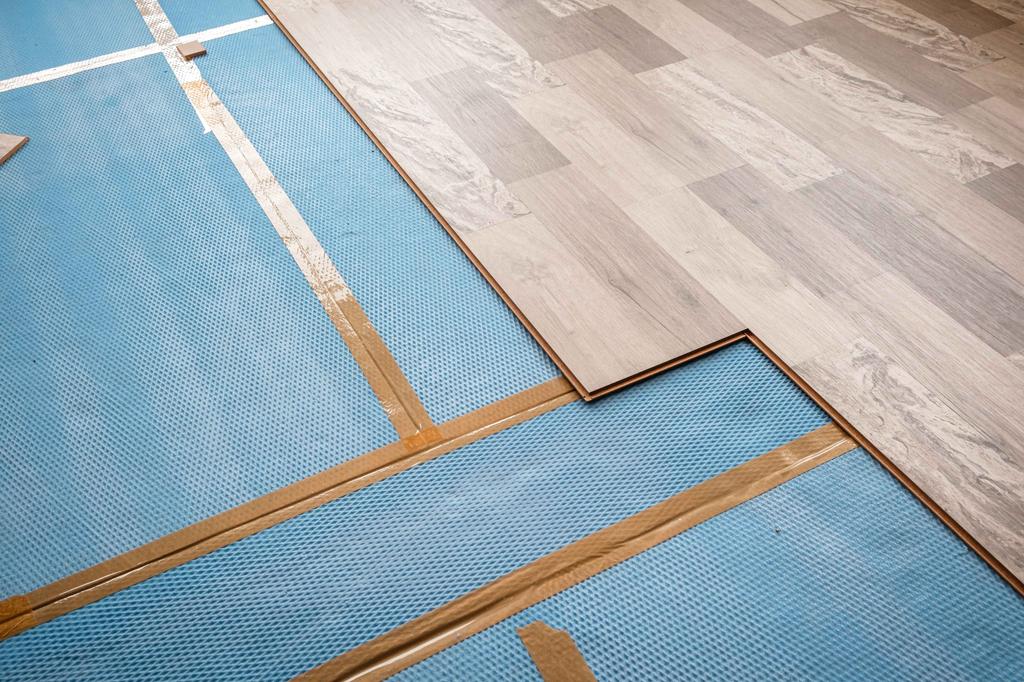
How to Fix Squeaky Floors: Easy DIY Solutions That Actually Work

Landscaping Gravel Types: Pros and Cons
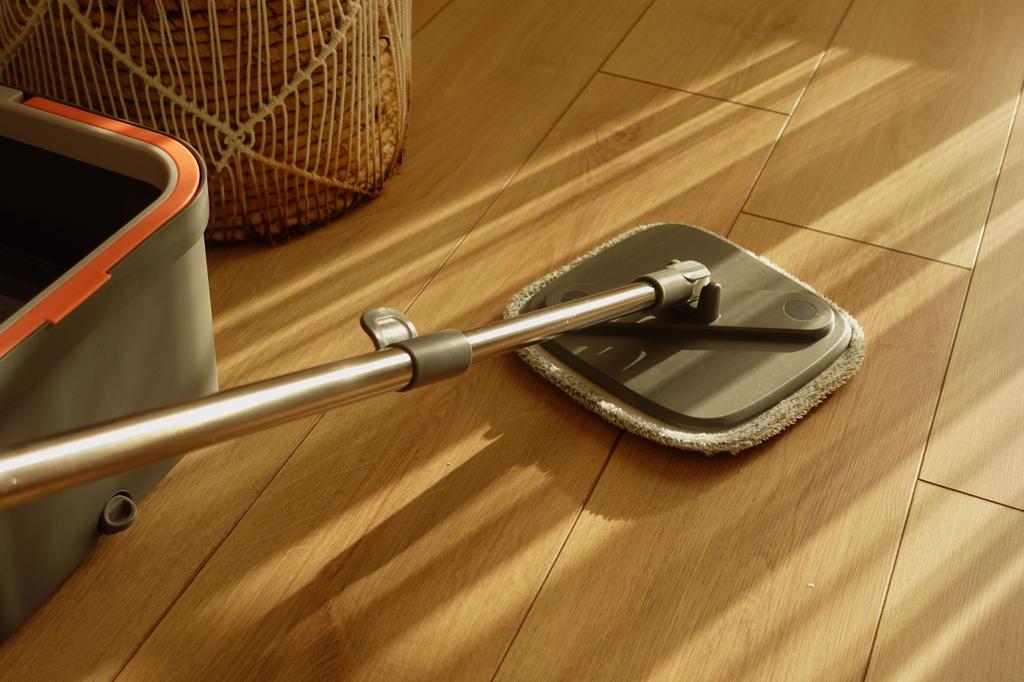
How to Clean Hardwood Floors: Simple Steps for Long-Lasting Shine
Updates & tips
Full Mouth Dental Implants
Although many patients have no problem wearing an upper denture, some people find it difficult to wear and eat with lower dentures. Several implant-supported replacement options are available if you are missing all of your lower teeth. Ball Attachment Denture One option is to have two implants placed in your lower jaw, and a denture made that snaps onto these implants. This option allows your lower denture to be more stable while chewing than without implants. However, your lower denture will still move, and sore spots will occur if any food particles, especially seeds, are caught under it. As with all removable replacement teeth, you still will need periodic appointments for denture adjustment. Bar Attachment Denture Another option involves placing four to six implants into your lower jaw, depending on your jaw size or shape. After healing is complete, the implants are connected with a custom-made support bar. Your denture will be made with special internal retention clips that attach to the support bar, enabling the denture to snap firmly into place. This is called an “overdenture.” The advantage of this option is that it is much more stable than the first option and allows very little denture movement. Your denture is still removable for easy cleaning and maintenance. Screw Retained Denture A third option involves placing five or more implants in your jaw and attaching a permanent denture. Your denture is held in place by screws or clasps that secure it to the support posts or bar. It doesn’t touch the gum tissue, which allows you to clean under the denture without removing it. This denture will replace all your missing lower teeth and will not be removed except at maintenance visits. Although cleaning under your denture without removing it is more time-consuming and requires more dexterity, many patients who want a permanent denture prefer this option. Individual Implants The final option is to have all your teeth individually replaced so that they will appear to be growing out of your gum tissue and will most closely resemble the appearance of your natural teeth. This option usually requires eight or more implants. Separate abutments or support posts for each one of these implants will be made, and crowns for each missing tooth will be placed. The teeth are often joined together for sinus grafting to replace bone height strength and support. Overall, this is the most costly option, because it requires the most implants and individual replacement tooth fabrication. Your replacement options may also be limited by the current size and shape of your jawbone. What If I’m Missing All Of My Upper Teeth? A similar range of treatment options is also available for your upper jaw. However, because the bone is not as hard as that in the lower jaw, people often need more implants to support their new replacement teeth. Depending upon the number of implants to be placed, it may be possible to eliminate the need for covering the roof of your mouth with a complete denture. This option allows you to fully taste your food and gives you a better sense of its temperature. Your denture will feel more natural. You will still have a removable denture, which makes cleaning the support bar and denture much easier. Read more: https://www.riversideoralsurgery.com/dental-implants/missing-all-upper-or-lower-teeth/ Directions to Riverside Oral Surgery in Bergen County: https://maps.app.goo.gl/CCacJsVtmbB5YKvK7 https://plus.codes/87G7WX67+PC Nearby Locations: Teaneck, Paramus, Hackensack, Fair Lawn, Bergenfield, New Milford, Oradell, Englewood, Tenafly 07605, 07666, 07653, 07601, 07602, 07603, 07606, 07644, 07410, 07621, 07628, 07670, 07646, 07630, 07649, 07631 Working Hours: Monday-Friday: 9am - 5pm Payment: cash, check, credit cards. Riverside Oral Surgery 130 Kinderkamack Rd #204 River Edge, NJ 07661 (201) 487-6565 https://www.riversideoralsurgery.com/
Bone Grafting for Implants
Dental implants are a popular solution for replacing lost teeth but require a strong jawbone foundation. When jawbone loss has occurred, a dental bone graft is often necessary before implant placement. A dental bone graft is a surgical procedure that adds bone to the jaw. Grafting may be necessary if there is insufficient bone to support a dental implant. Bone grafts can be performed using bone from the patient̢۪s body or a donor. What Is a Dental Bone Graft? Bone grafting is a surgical procedure that adds density and volume to the jawbone in areas where the bone may be naturally thinner or where bone loss has occurred. Bone grafts are often used to prepare the jaw for dental implants. There are three main types of bone grafts: Autogenous bone graft: The bone grafting material can be taken from another site in your body, known as an autogenous graft. The advantage of having this type of graft is that your body will readily accept it, and it should integrate well with your jawbone, but it does mean an additional procedure to harvest the bone from a suitable site. Allograft or Xenograft bone graft: Alternatively, bone can be sourced from a donor, human (allograft) or animal (xenograft). It is quite usual to use donor bone, and there is no need to worry as the bone is treated and sterilized extensively to ensure it is completely safe for use. Alloplast: Another alternative is to have a synthetic bone graft material, and this type of graft is called an alloplast. Synthetic bone grafting materials are extremely sophisticated and can often contain growth mediums to encourage your bone to deposit new bone cells onto the graft. Platelet-rich plasma (PRP) treatment is a treatment that uses platelets from your own blood to promote healing. PRP can be used in conjunction with bone grafting to help the bone graft heal faster and promote better tissue regeneration. How bone grafting works During a bone grafting procedure, your surgeon will make an incision in the gum tissue and expose the jawbone. The surgeon will then place the bone graft material in the area where bone needs to be added. The bone graft will provide a scaffold for your own bone cells to grow onto. Once the bone graft is in place, the surgeon will close the incision with sutures. The bone graft will need to heal for several months before dental implants can be placed. Read more: https://www.riversideoralsurgery.com/dental-implants/bone-grafting-for-implants/ Directions to Riverside Oral Surgery in Bergen County: https://maps.app.goo.gl/CCacJsVtmbB5YKvK7 https://plus.codes/87G7WX67+PC Nearby Locations: Teaneck, Paramus, Hackensack, Fair Lawn, Bergenfield, New Milford, Oradell, Englewood, Tenafly 07605, 07666, 07653, 07601, 07602, 07603, 07606, 07644, 07410, 07621, 07628, 07670, 07646, 07630, 07649, 07631 Working Hours: Monday-Friday: 9am - 5pm Payment: cash, check, credit cards. Riverside Oral Surgery 130 Kinderkamack Rd #204 River Edge, NJ 07661 (201) 487-6565 https://www.riversideoralsurgery.com/
Wisdom Teeth Removal in River Edge, NJ
Why Should I Have My Wisdom Teeth Removed? If you do not have enough room in your mouth for your third molars to fully erupt, a number of problems can happen. Impacted wisdom teeth should be removed before their root structure is fully developed. In some patients, it is as early as 12 or 13; in others, it may not be until the early twenties. Problems tend to occur with increasing frequency after the age of 30. Some of the possible problems related to not removing your wisdom teeth include: Infection The most frequent clinical problem we see is pericoronitis, (a localized gum infection). Without enough room for total eruption, the gum tissue around the wisdom tooth can become irritated and infected, resulting in recurrent pain, swelling, and problems with chewing and/or swallowing. Cyst Formation Non-infectious diseases may also arise in association with an impacted wisdom tooth. Cysts are fluid-filled “balloons” inside the jaw bone that develop as a result of impacted teeth and slowly expand, destroying adjacent jaw bone and occasionally teeth. They can be very difficult to treat if your wisdom teeth are not removed in your teenage years. Although rare, tumors can be associated with the delayed removal of wisdom teeth. Possible Crowding Impacted wisdom teeth may contribute to the crowding of your teeth. This is most noticeable with the front teeth, primarily the lower front teeth, and is most commonly seen after a patient has had braces. There are a number of factors that cause teeth to crowd after braces or in early adulthood. Retained, impacted wisdom teeth may be a contributing factor. Unless you have an active problem when you see the oral surgeon, the reason for removal is primarily to prevent long-term damage to your teeth, gums, and jaw bone. Damage to Adjacent Teeth If there is inadequate room to clean around the wisdom tooth, the tooth directly in front, the second molar, can be adversely affected, resulting in gum disease, bone loss around the tooth, and/or decay. What If I Don’t Have My Wisdom Teeth Removed As A Teenager Or Young Adult? As wisdom teeth develop, the roots become longer, and the jaw bone becomes denser. When it is necessary to remove impacted wisdom teeth in your thirties, forties, or beyond, the post-operative course can be prolonged, and there is a higher complication rate. Treating these complications is often more difficult and less predictable than with a younger patient. Healing may be slower, and the chance of infection can be increased. If your impacted wisdom teeth are not removed in your teenage years or early in your twenties, and they are completely impacted in bone, it may be advisable to wait until a localized problem (such as cyst formation or localized gum disease and bone loss) develops. In general, you will heal faster, and more predictably, and have fewer complications if treated in your teens or early twenties. Read more: https://www.riversideoralsurgery.com/wisdom-teeth/wisdom-teeth-removal/ Directions to Riverside Oral Surgery in Bergen County: https://maps.app.goo.gl/CCacJsVtmbB5YKvK7 https://plus.codes/87G7WX67+PC Nearby Locations: Teaneck, Paramus, Hackensack, Fair Lawn, Bergenfield, New Milford, Oradell, Englewood, Tenafly 07605, 07666, 07653, 07601, 07602, 07603, 07606, 07644, 07410, 07621, 07628, 07670, 07646, 07630, 07649, 07631 Working Hours: Monday-Friday: 9am - 5pm Payment: cash, check, credit cards. Riverside Oral Surgery 130 Kinderkamack Rd #204 River Edge, NJ 07661 (201) 487-6565 https://www.riversideoralsurgery.com/