Prefer to talk to a pro?
Call today, and let us connect you with the perfect merchant!
Call today, and let us connect you with the perfect merchant!
About Stillwater, NJ
Stillwater is a part of the Sussex County region/New York metro area of New Jersey. Major attractions include Stillwater Museum and Swartswood State Park. Each year in the summer season there is the Fourth of July Festival. Among the biggest companies in Stillwater are The Stillwater Inn and the Old Stillwater Garage. The biggest schools here are Stillwater Township Elementary School and Newton High School. One of the best places to visit when you are in Stillwater is the Bella Italia Restaurant.
Best Businesses in Stillwater, NJ

Prefer to talk to a pro?
Call today, and let us connect you with the perfect merchant!
Call today, and let us connect you with the perfect merchant!
Related articles
How to Fix Squeaky Floors: Easy DIY Solutions That Actually Work
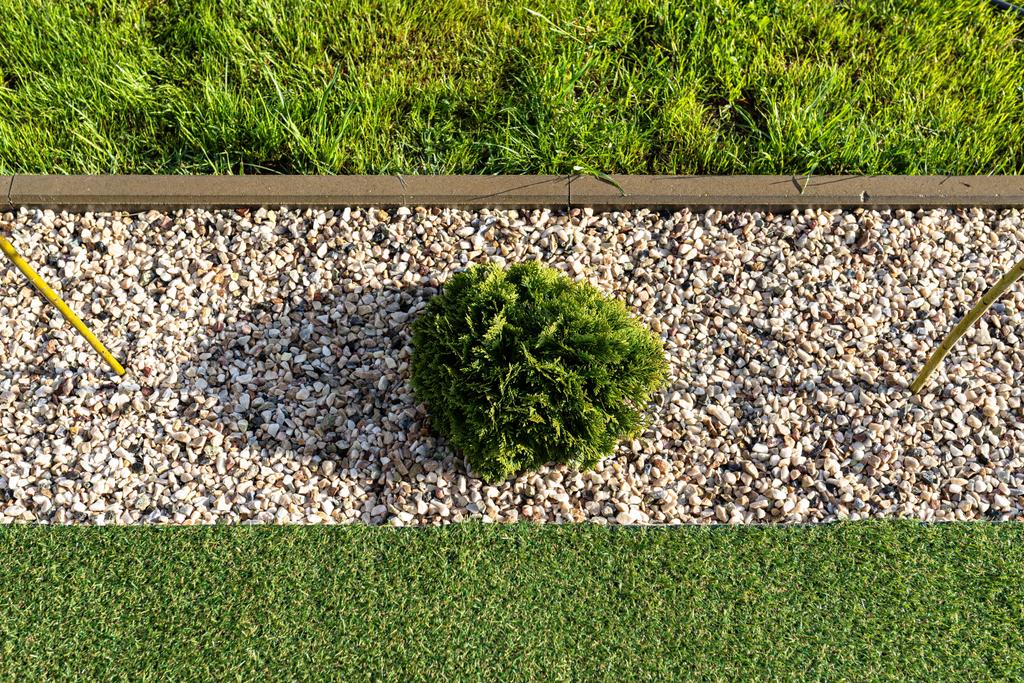
Landscaping Gravel Types: Pros and Cons
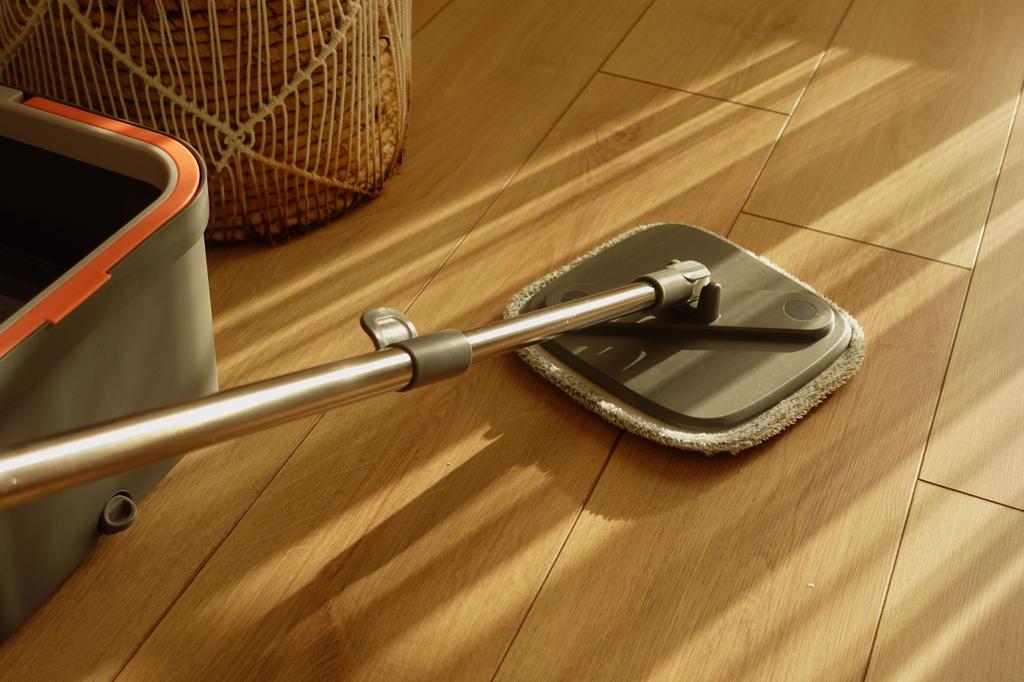
How to Clean Hardwood Floors: Simple Steps for Long-Lasting Shine
Updates & tips
The Importance of Chimney Inspection and Cleaning
When it comes to maintaining a safe and efficient home, one aspect that often gets overlooked ischimney inspection and cleaning. Many homeowners take for granted that their chimney is functioning properly, yet regular inspections and cleanings are crucial for ensuring safety, efficiency, and the longevity of your chimney system. Understanding Chimney Inspection Chimney inspection is the process of examining the interior and exterior of your chimney to ensure it is in good working condition. This inspection can help identify potential hazards, blockages, and structural issues. There are three levels of chimney inspections, categorized by the National Fire Protection Association (NFPA): Level 1 Inspection: This is the most basic inspection, usually recommended when you are using your chimney in the same manner as in previous years. A certified chimney technician will visually inspect the accessible areas of the chimney, including the flue and surrounding areas, to ensure everything is functioning as it should. Level 2 Inspection: This inspection is necessary when changes are made to the system, such as new appliances or renovations. It includes everything from a Level 1 inspection, with the addition of examining accessible components like the chimney cap, flashing, and other parts that may not be visible during a Level 1 inspection. Level 3 Inspection: This is the most comprehensive inspection, performed when serious issues are suspected. It involves the removal of parts of the chimney structure to gain a better understanding of its condition. Regular chimney inspections can prevent dangerous situations, such as chimney fires or carbon monoxide leaks. By having a trained professional examine your chimney, you can address any issues before they become severe. The Cleaning Process Chimney cleaning is a vital part of maintaining your chimney system. Over time, creosote and soot build up inside the chimney flue as you burn wood, which can create a fire hazard. Cleaning removes these deposits, reducing the risk of chimney fires. A professional chimney sweep uses specialized tools to clean the flue and remove creosote and debris. The cleaning process generally involves: Preparing the Area: The technician will protect your home by covering furniture and flooring to catch any soot or debris that may fall during the cleaning process. Inspection and Sweeping: The chimney sweep will first inspect the chimney and flue. They will then use brushes and vacuums to scrub the inside of the flue and remove built-up creosote. Final Inspection: After cleaning, the technician will conduct a final inspection to ensure that all debris has been removed and that the chimney is safe for use. It̢۪s generally recommended to have your chimney inspected and cleaned at least once a year, especially if you use your fireplace frequently. This ensures that any build-up is removed, and your chimney remains in optimal condition. Benefits of Regular Inspection and Cleaning Regular chimney inspection and cleaning come with numerous benefits. Safety: The primary benefit is safety. A clean chimney reduces the risk of fires and protects your home from dangerous gases like carbon monoxide. Efficiency: A well-maintained chimney improves the efficiency of your fireplace or stove. When the flue is clear of obstructions, it allows for better airflow, resulting in more efficient burning of fuel. Longevity: Regular maintenance extends the lifespan of your chimney system. By catching and addressing issues early, you can avoid costly repairs or replacements in the future. Peace of Mind: Knowing that your chimney has been inspected and cleaned provides peace of mind. You can enjoy your fireplace without worrying about potential hazards. Conclusion In conclusion, chimney inspection and cleaning are essential for maintaining a safe and efficient home. Regular inspections can identify potential hazards, while thorough cleanings remove dangerous creosote and soot build-up. Prioritizing these services not only enhances safety and efficiency but also extends the lifespan of your chimney system. Make sure to schedule your chimney inspection and cleaning annually to ensure a safe and enjoyable experience when using your fireplace.