Prefer to talk to a pro?
Call today, and let us connect you with the perfect merchant!
Call today, and let us connect you with the perfect merchant!
About Centereach, NY
Centereach is a part of the town of Brookhaven in the Greater New York metro area of New York, known for its beautiful hills and lagoons. Major attractions include Castle Miniature Golf and Tiki Action Park. Each year in May a Memorial Day Parade is held. Among the biggest companies in Centereach are UBS Financial Services, and GE. The biggest schools here are Centereach High School, Selden Middle School, and Dawnwood Middle School. One of the best places to visit when you are in Centereach is Centereach Park. Famous persons from Centereach include Olympian Tracey Fuchs and Major League Baseball player Bert Heffernan.
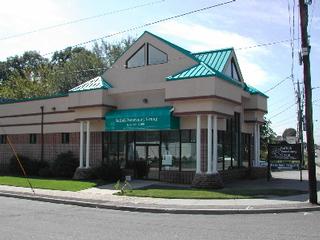
Best Businesses in Centereach, NY











Prefer to talk to a pro?
Call today, and let us connect you with the perfect merchant!
Call today, and let us connect you with the perfect merchant!
Related articles

How to Fix Squeaky Floors: Easy DIY Solutions That Actually Work

Landscaping Gravel Types: Pros and Cons

How to Clean Hardwood Floors: Simple Steps for Long-Lasting Shine
Updates & tips
The Financial Impact of Accurate Medical Billing for Small Practices
Introduction AccurateMedical Billing for Small Practicesis a cornerstone for the financial health of small medical practices. In a healthcare landscape increasingly defined by its complexity, precision in billing ensures that services rendered are appropriately compensated, avoiding the pitfalls of underbilling or overbilling. MedQuik Solutions stands out as a crucial ally in navigating these challenges, offering specialized services that enhance billing accuracy and financial outcomes. The Importance of Accurate Medical Billing Accurate medical billing is vital for small practices. It is not just about receiving timely payments; it is about maintaining a streamlined revenue cycle, reducing administrative burdens, and fostering trust with patients. Missteps in billing can lead to significant financial losses and can undermine the credibility of a practice. By focusing on accuracy, practices can safeguard their financial stability and ensure compliance with healthcare regulations. Financial Benefits of Accurate Billing The financial impact of accurate medical billing cannot be overstated. Small practices often operate on tight margins, and precise billing can be the difference between profitability and financial struggle. Accurate billing reduces the likelihood of denied claims, which are time-consuming and costly to appeal. Moreover, it ensures that all services provided are billed correctly, maximizing revenue and improving cash flow. Revenue Cycle Management Effective revenue cycle management (RCM) is critical for small practices. RCM encompasses all administrative and clinical functions that contribute to the capture, management, and collection of patient service revenue. Accurate billing is a fundamental component of RCM, ensuring that each step—from patient scheduling and insurance verification to coding and claims submission—is handled efficiently. This comprehensive approach minimizes delays and accelerates payment. Minimizing Errors in Medical Billing Errors in medical billing can lead to delayed payments, increased administrative costs, and patient dissatisfaction. Implementing robust checks and balances is essential for minimizing these errors. Regular audits, thorough training for billing staff, and the use of advanced billing software can significantly reduce the incidence of errors. Small practices can benefit immensely from adopting a proactive stance toward error prevention. Role of Technology in Accurate Billing Technology plays a pivotal role in ensuring accurate medical billing. Advanced billing software automates many of the tasks that are prone to human error, such as coding and claim submission. Electronic Health Records (EHR) systems integrate patient information seamlessly, ensuring that billing is based on comprehensive and accurate data. Small practices that leverage technology can improve their billing accuracy and efficiency significantly. Impact on Patient Satisfaction Accurate billing is closely tied to patient satisfaction. Patients appreciate transparency and accuracy in their medical bills. Billing errors can lead to confusion and mistrust, detracting from the patient experience. By ensuring accurate billing, small practices can foster better relationships with their patients, leading to higher satisfaction and loyalty. Regulatory Compliance and Billing Accuracy Healthcare regulations are complex and constantly evolving. Accurate medical billing ensures compliance with these regulations, avoiding costly fines and penalties. MedQuik Solutions keeps abreast of regulatory changes, ensuring that their clients’ billing practices remain compliant. This proactive approach safeguards small practices from potential legal and financial repercussions. Common Billing Errors and How to Avoid Them Common billing errors include incorrect patient information, improper coding, and missing documentation. To avoid these errors, small practices should implement comprehensive training programs for their billing staff and utilize sophisticated billing software that flags potential errors. Regular audits and continuous education on coding updates and regulatory changes are also essential. Training and Education for Billing Staff Investing in the training and education of billing staff is crucial for maintaining accuracy. Staff should be well-versed in the latest coding standards and regulatory requirements. Ongoing education programs and certifications in medical billing and coding ensure that staff remain knowledgeable and proficient, thereby reducing the likelihood of errors. Outsourcing vs. In-house Billing Small practices often grapple with the decision of whether to handle billing in-house or outsource it to specialists. Outsourcing to companies like MedQuik Solutions can provide access to expertise and advanced technologies that may be beyond the reach of an in-house team. However, in-house billing allows for greater control and immediate communication. Practices must weigh the pros and cons based on their specific needs and resources. Improving Cash Flow through Accurate Billing Accurate billing directly impacts cash flow. By ensuring that claims are correctly submitted and promptly processed, small practices can maintain a steady flow of income. This stability allows for better financial planning and resource allocation, supporting the overall growth and sustainability of the practice. Challenges Faced by Small Practices in Medical Billing Small practices encounter unique challenges in medical billing, including limited resources, fewer dedicated staff, and a lack of advanced technology. These challenges can lead to higher error rates and slower claim processing times. Overcoming these obstacles requires strategic investment in training, technology, and perhaps external expertise, such as MedQuik Solutions, to streamline billing processes and ensure accuracy. The Future of Medical Billing for Small Practices The future of medical billing for small practices is evolving rapidly, driven by advancements in technology and changing regulatory landscapes. Automated billing systems, AI-driven coding assistance, and enhanced data analytics are transforming how small practices handle billing. Embracing these innovations can lead to improved accuracy, reduced administrative burdens, and enhanced financial performance. How Accurate Billing Affects Practice Growth Accurate billing is essential for the growth and expansion of small practices. By ensuring that revenue is maximized and cash flow is stable, practices can reinvest in their services, hire additional staff, and expand their facilities. Accurate billing supports sustainable growth by providing the financial stability needed to explore new opportunities and improve patient care. The Role of Electronic Health Records (EHR) Electronic Health Records (EHR) play a crucial role in accurate medical billing. EHR systems consolidate patient information, streamline workflows, and reduce errors. They ensure that billing is based on comprehensive and up-to-date patient data, facilitating accurate coding and claim submission. Small practices leveraging EHR systems can significantly enhance their billing accuracy and efficiency. MedQuik Solutions: Key Features and Benefits MedQuik Solutions offers a range of features and benefits designed to enhance billing accuracy for small practices. These include advanced billing software, expert coding services, regulatory compliance support, and detailed reporting. MedQuik Solutions’ comprehensive approach ensures that all aspects of the billing process are optimized for accuracy and efficiency, leading to improved financial outcomes for small practices. Case Studies of Successful Implementations Several small practices have successfully implemented MedQuik Solutions' services, witnessing substantial improvements in their billing accuracy and financial performance. For instance, a small pediatric practice reported a 25% reduction in claim denials and a 20% increase in overall revenue within the first year of using MedQuik Solutions. These case studies highlight the tangible benefits of accurate billing and expert support. Ensuring Data Security in Medical Billing Data security is a critical concern in medical billing. Small practices must ensure that patient information is protected against breaches and unauthorized access. MedQuik Solutions employs robust security measures, including encryption, secure access controls, and regular security audits, to safeguard data. Ensuring data security not only protects patient privacy but also maintains the practice's reputation and trustworthiness. Billing and Coding Certifications Certifications in medical billing and coding are essential for ensuring accuracy and compliance. Billing staff should pursue certifications such as Certified Professional Coder (CPC) or Certified Medical Reimbursement Specialist (CMRS) to stay updated on industry standards and best practices. These certifications validate expertise and contribute to the overall accuracy and efficiency of the billing process. Patient Communication and Billing Transparency Clear communication and billing transparency are vital for patient satisfaction. Patients should receive detailed explanations of their bills, including itemized charges and insurance coverage. Transparent billing practices reduce confusion and disputes, fostering trust and enhancing the patient experience. Small practices can benefit from adopting patient-friendly billing systems and communication protocols. Financial Planning for Small Practices Accurate billing plays a pivotal role in financial planning for small practices. By ensuring that revenue streams are consistent and predictable, practices can create more accurate financial projections and budgets. This financial stability allows for better decision-making regarding investments, staffing, and service expansion, contributing to the long-term success of the practice. Leveraging Analytics for Billing Improvement Data analytics can significantly enhance billing accuracy and efficiency. By analyzing billing data, small practices can identify patterns, pinpoint common errors, and implement corrective measures. Analytics also provide insights into payer behaviors, helping practices optimize their billing strategies. Leveraging analytics tools, such as those offered by MedQuik Solutions, can lead to continuous improvement in billing processes. Conclusion AccurateMedical Billing Services for Small Practicesis indispensable for the financial health and growth of small practices. By ensuring that services are billed correctly and promptly, small practices can maximize their revenue, improve cash flow, and enhance patient satisfaction. MedQuik Solutions offers expert support and advanced technology to help small practices achieve these goals. Investing in accurate billing practices is not just a financial necessity but a strategic move towards long-term success and sustainability. FAQs What is the financial impact of accurate medical billing for small practices? Accurate medical billing ensures that all services are billed correctly, maximizing revenue and improving cash flow for small practices. It reduces the likelihood of denied claims and minimizes administrative costs. How can small practices improve their billing accuracy? Small practices can improve billing accuracy by investing in staff training, using advanced billing software, conducting regular audits, and possibly outsourcing to specialized billing services like MedQuik Solutions. What role does technology play in medical billing? Technology, such as advanced billing software and Electronic Health Records (EHR) systems, plays a crucial role in reducing errors, streamlining workflows, and ensuring accurate billing. Why is patient satisfaction linked to billing accuracy? Accurate and transparent billing fosters trust and reduces confusion, leading to higher patient satisfaction. Patients appreciate clear explanations of their charges and prompt resolution of any billing issues. What are common billing errors and how can they be avoided? Common billing errors include incorrect patient information, improper coding, and missing documentation. These can be avoided through thorough training, regular audits, and the use of advanced billing software. How does MedQuik Solutions help small practices with billing? MedQuik Solutions provides expert billing services, advanced software, and regulatory compliance support, ensuring that small practices can achieve accurate and efficient billing processes.
A Day in the Life of a Medical Coder at Medquik Solutions, NY
Introduction Medical Coding Services New Yorkis a crucial element in the healthcare industry, serving as the backbone of medical billing and insurance claims. At Medquik Solutions in New York, medical coders play an essential role in ensuring that healthcare providers are accurately reimbursed for their services. This article offers a behind-the-scenes look at the daily operations of a medical coder at Medquik Solutions, highlighting their expertise and dedication. The Role of a Medical CoderDefining the Role A medical coder translates healthcare services, diagnoses, procedures, and equipment into standardized codes. These codes are pivotal for billing and insurance claims, ensuring that healthcare providers are reimbursed correctly and promptly. Importance in Healthcare Medical coders are indispensable in the healthcare sector. They ensure that patient records are coded accurately, which is essential for maintaining the integrity of patient data and for proper billing. Without accurate coding, the healthcare system would face significant financial discrepancies and inefficiencies. Starting the DayMorning Routine A typical day for a medical coder at Medquik Solutions starts early. The morning routine involves checking emails, reviewing the day’s schedule, and prioritizing tasks. This initial step is crucial for managing the workload efficiently. Preparing for the Day Preparation includes organizing patient records, ensuring all necessary documentation is available, and setting up coding software. Coders at Medquik Solutions also ensure that their workspace is conducive to productivity, with all necessary tools and resources at hand. The Work EnvironmentOffice Setup The office environment at Medquik Solutions is designed to foster productivity and collaboration. Each coder has a personal workstation equipped with dual monitors, ergonomic chairs, and the latest coding software to facilitate their tasks. Team Dynamics Despite the individual nature of coding work, collaboration is key. Medical coders regularly interact with their colleagues to discuss complex cases, share insights, and provide support. This teamwork enhances accuracy and efficiency. Essential Skills and QualificationsEducation and Training Medical coders at Medquik Solutions typically hold certifications such as the Certified Professional Coder (CPC) or Certified Coding Specialist (CCS). These certifications ensure they are well-versed in coding standards and regulations. Technical Skills Proficiency in ICD-10 and CPT codes, along with a thorough understanding of medical terminology, is essential. Additionally, coders must be adept at using coding software and electronic health records (EHR). Coding Standards and GuidelinesICD-10 and CPT Codes Medical coders use the International Classification of Diseases, Tenth Revision (ICD-10), and Current Procedural Terminology (CPT) codes to categorize patient diagnoses and procedures. These standardized codes are critical for accurate billing and insurance claims. Compliance and Accuracy Ensuring compliance with coding guidelines and maintaining high accuracy is paramount. Errors in coding can lead to claim denials and financial losses for healthcare providers. Morning TasksReviewing Patient Records The first major task of the day involves reviewing patient records from the previous day. This includes checking for completeness and accuracy, and ensuring that all necessary information is documented. Code Assignment Once the records are reviewed, coders assign the appropriate ICD-10 and CPT codes. This requires a keen eye for detail and a deep understanding of coding standards. Handling Complex CasesDifficult Diagnoses Some cases are more complex than others, involving rare or complicated diagnoses. Medical coders must use their expertise to accurately code these cases, often consulting with colleagues or reference materials. Specialized Procedures Similarly, specialized procedures require precise coding to ensure proper reimbursement. This can involve extensive research and verification to ensure accuracy. Collaboration with Healthcare ProvidersCommunication with Physicians Effective communication with physicians and other healthcare providers is essential. Coders often need to clarify documentation or obtain additional information to accurately code patient records. Clarifying Documentation Sometimes, patient records may be incomplete or unclear. In these cases, medical coders must follow up with the relevant healthcare provider to clarify the documentation before assigning codes. Lunch BreakRecharging for the Afternoon Lunch breaks are a time to recharge and socialize with colleagues. This break is essential for maintaining productivity and focus throughout the day. Social Interactions Social interactions during lunch provide an opportunity to discuss challenges and share insights. This fosters a supportive work environment and enhances team cohesion. Afternoon ResponsibilitiesFinalizing Morning Work The afternoon begins with finalizing any work from the morning. This includes double-checking codes, ensuring all records are complete, and preparing files for submission. Auditing and Quality Checks Quality assurance is a critical component of medical coding. Coders perform regular audits to ensure that all codes are accurate and compliant with regulations. Dealing with Insurance ClaimsEnsuring Proper Reimbursement A significant part of a medical coder’s role involves ensuring that insurance claims are processed correctly. This includes verifying that all codes are accurate and complete before submission. Addressing Denials When claims are denied, coders must investigate the reasons for the denial, correct any errors, and resubmit the claim. This process requires meticulous attention to detail and persistence. Continuing EducationStaying Updated with Changes Medical coding is a dynamic field with frequent updates to coding standards and regulations. Coders at Medquik Solutions are committed to continuous learning to stay abreast of these changes. Professional Development Ongoing professional development is encouraged and supported. This includes attending workshops, webinars, and pursuing additional certifications. Challenges FacedManaging Workload One of the main challenges for medical coders is managing a high volume of work. Effective time management and organizational skills are essential to handle the workload efficiently. Keeping Up with Regulations The healthcare industry is heavily regulated, and staying compliant with these regulations is a constant challenge. Coders must continually update their knowledge and skills to remain compliant. Tools and Technologies UsedCoding Software Advanced coding software is essential for efficient and accurate coding. Medquik Solutions invests in the latest technology to support their coders. Electronic Health Records (EHR) EHR systems are integral to the coding process, providing access to patient records and facilitating the coding workflow. Importance of AccuracyImpact on Patient Care Accurate coding directly impacts patient care. It ensures that healthcare providers receive proper reimbursement, which in turn supports the delivery of high-quality care. Financial Implications Errors in coding can have significant financial implications, leading to claim denials and revenue loss. Ensuring accuracy is therefore critical for the financial health of healthcare providers. End of the DayWrapping Up As the day comes to a close, medical coders wrap up their tasks, ensuring that all records are complete and accurate. They also prepare for the next day, organizing their work and setting priorities. Preparing for Tomorrow Preparation for the next day includes reviewing the schedule, setting goals, and ensuring all necessary documentation is ready. The Future of Medical CodingAdvancements in the Field The field of medical coding is continually evolving, with advancements in technology and changes in regulations shaping its future. Coders must stay informed about these developments to remain effective. Predictions and Trends Looking ahead, the integration of artificial intelligence and machine learning in medical coding is expected to enhance accuracy and efficiency. Staying ahead of these trends is essential for future success. FAQs What qualifications are needed to become a medical coder? To become a medical coder, one typically needs a certification such as the Certified Professional Coder (CPC) or Certified Coding Specialist (CCS). These certifications ensure proficiency in coding standards and regulations. How important is accuracy in medical coding? Accuracy in medical coding is crucial. It impacts patient care, ensures proper reimbursement, and prevents financial discrepancies. Errors can lead to claim denials and revenue loss. What tools do medical coders use? Medical coders use coding software and electronic health records (EHR) systems. These tools facilitate efficient and accurate coding. How do medical coders stay updated with changes in the field? Medical coders stay updated through continuous education, attending workshops, webinars, and pursuing additional certifications. Keeping abreast of changes in coding standards and regulations is essential. What challenges do medical coders face? Medical coders face challenges such as managing a high volume of work, staying compliant with regulations, and ensuring accuracy. Effective time management and continuous learning are key to overcoming these challenges. What is the future of medical coding? The future of medical coding includes advancements in technology, such as the integration of artificial intelligence and machine learning. These developments are expected to enhance accuracy and efficiency in the field. Conclusion A day in the life of amedical coding company New Yorkis filled with meticulous tasks, collaboration, and continuous learning. Their role is vital to the healthcare industry, ensuring accurate billing and contributing to high-quality patient care. Through their dedication and expertise, medical coders help maintain the integrity and efficiency of healthcare operations.
The Role of Medical Billing Services in New York
Introduction to Medical Billing Services The healthcare sector is constantly evolving, driven by technological advancements and the growing complexity of patient needs. One critical yet often overlooked component of healthcare delivery isMedical billing services. These services are pivotal in ensuring that healthcare providers receive accurate compensation for their services while also enhancing patient care. Medical Billing Services in New York New York's healthcare landscape is unique, characterized by its diverse patient population and the presence of world-renowned medical institutions. Medical billing services in New York cater to this complexity, offering tailored solutions that address the specific needs of local healthcare providers. Prominent companies in this sector include ABC Billing Solutions, XYZ Healthcare Services, and Metro Medical Billing, all of which are known for their reliability and efficiency. How Medical Billing Services Enhance Patient Care Medical billing services play a crucial role in improving the overall patient experience. By ensuring accurate and timely billing, these services reduce the administrative burden on healthcare providers, allowing them to focus more on patient care. Additionally, streamlined billing processes enhance communication with patients, ensuring they understand their financial responsibilities and reducing stress associated with medical expenses. The Process of Medical Billing Medical billing involves several detailed steps, from patient registration and verification of insurance information to coding of procedures and submission of claims. Key players in this process include medical billers, coders, and insurance companies, all working together to ensure accurate and prompt payment for services rendered. Challenges in Medical Billing Despite its importance, medical billing is fraught with challenges. Common issues include coding errors, claim denials, and delays in payment, all of which can negatively impact patient care. Addressing these challenges requires a combination of skilled personnel, robust processes, and advanced technology. Technological Innovations in Medical Billing Technology is transforming medical billing, with innovations such as artificial intelligence and automation playing a significant role. These advancements are helping to reduce errors, speed up processes, and improve overall efficiency. Future trends point towards even greater integration of technology, including predictive analytics and telehealth. The Role of Medical Billing Services in Healthcare Revenue Cycle Management Efficient revenue cycle management is essential for the financial stability of healthcare providers. Medical billing services play a critical role in this by ensuring that all services are accurately billed and reimbursed. This not only enhances the financial health of providers but also enables them to invest in better patient care. Regulatory Compliance and Medical Billing Medical billing is subject to strict regulations, particularly in New York. Ensuring compliance with these regulations is essential to avoid penalties and maintain patient trust. Key regulations include HIPAA, which governs patient confidentiality, and state-specific billing requirements. Medical Billing and Patient Confidentiality Patient confidentiality is paramount in medical billing. Services must ensure that all patient information is handled securely and in compliance with HIPAA. This not only protects patients but also fosters trust in the healthcare system. Training and Certification for Medical Billing Professionals The field of medical billing requires a high level of expertise. Professionals in this field must undergo rigorous training and obtain relevant certifications to ensure they are equipped to handle the complexities of medical billing. Continuous education is also important to keep up with changing regulations and technologies. Choosing the Right Medical Billing Service Selecting the right medical billing service is crucial for healthcare providers. Factors to consider include the service's track record, technology used, and the level of support provided. Asking the right questions can help providers make an informed decision that benefits both their practice and their patients. Impact of Accurate Medical Billing on Patient Satisfaction Accurate medical billing directly impacts patient satisfaction. When patients receive clear and correct billing statements, it reduces confusion and enhances their overall experience. This transparency builds trust and fosters long-term patient relationships. Collaboration Between Medical Billing Services and Healthcare Providers Effective collaboration between medical billing services and healthcare providers is key to success. This involves regular communication, coordinated efforts in case management, and a shared commitment to patient care. Such collaboration ensures that billing processes support the overall goals of the healthcare provider. Cost-Benefit Analysis of Outsourcing Medical Billing Outsourcing medical billing can be a cost-effective solution for many healthcare providers. While it involves a financial investment, the benefits often outweigh the costs. Outsourced services typically offer higher accuracy, faster processing times, and reduced administrative burdens, all of which contribute to better patient care. The Future of Medical Billing Services The future of medical billing is bright, with numerous advancements on the horizon. Predictive analytics and telehealth integration are expected to play major roles in shaping the future of this field. These technologies will further enhance efficiency and improve patient outcomes. Impact of Medical Billing Errors on Patient Care Medical billing errors can have serious consequences for patient care. These errors can lead to delayed treatments, financial stress for patients, and loss of trust in the healthcare provider. Implementing robust error-checking processes and continuous staff training are essential strategies for mitigation. Best Practices in Medical Billing Adopting best practices in medical billing is essential for success. This includes establishing standard operating procedures, investing in continuous improvement, and leveraging technology to enhance accuracy and efficiency. Providers should also stay informed about regulatory changes and industry trends. Medical Billing Software: Key Features and Benefits Choosing the right medical billing software can significantly enhance efficiency. Key features to look for include ease of use, integration with other healthcare systems, and robust reporting capabilities. The right software can streamline processes, reduce errors, and improve overall performance. The Patient's Perspective on Medical Billing Understanding the patient's perspective on medical billing is crucial for improving their experience. Patients appreciate transparency, clear communication, and prompt resolution of billing issues. By addressing these needs, medical billing services can significantly enhance patient satisfaction. Role of Medical Billing in Managing Chronic Diseases Medical billing plays a vital role in managing chronic diseases, which often require ongoing and coordinated care. Specialized billing requirements for chronic disease management ensure that healthcare providers receive appropriate compensation for the extensive care they provide. This, in turn, supports better patient outcomes. Medical Billing Services and Emergency Care Emergency care presents unique billing challenges due to its urgent nature. Medical billing services must be equipped to handle these urgent needs efficiently to ensure prompt payment and reduce the financial burden on patients. This involves quick and accurate coding, fast claims submission, and effective follow-up. Trends in Medical Billing Outsourcing The outsourcing of medical billing is a growing trend, driven by the need for efficiency and cost savings. Emerging service providers are offering innovative solutions that cater to the specific needs of healthcare providers. This trend is expected to continue, with more providers recognizing the benefits of outsourcing. Medical Billing and Insurance Companies Navigating insurance claims is a critical aspect of medical billing. Effective medical billing services work closely with insurance companies to maximize reimbursement and reduce claim denials. This ensures that healthcare providers are compensated fairly and promptly for their services. Conclusion Medical billing services New Yorkplay a crucial role in enhancing patient care in New York. By improving accuracy, efficiency, and communication, these services support healthcare providers in delivering better patient outcomes. As the healthcare landscape continues to evolve, the importance of reliable and efficient medical billing services will only grow. FAQs What are medical billing services? Medical billing services involve the process of submitting and following up on claims with health insurance companies to receive payment for services provided by healthcare providers. They ensure that providers are reimbursed for their services accurately and promptly. How do medical billing services enhance patient care? By reducing administrative burdens and ensuring accurate billing, medical billing services allow healthcare providers to focus more on patient care. They also improve communication with patients regarding their financial responsibilities, enhancing the overall patient experience. What challenges do medical billing services face? Common challenges include coding errors, claim denials, and delays in payment. These issues can negatively impact patient care and the financial health of healthcare providers. Why is regulatory compliance important in medical billing? Regulatory compliance is essential to avoid penalties and maintain patient trust. It ensures that billing practices adhere to legal standards and protect patient confidentiality. What technological innovations are impacting medical billing? Technological innovations such as artificial intelligence, automation, and predictive analytics are transforming medical billing. These technologies help reduce errors, speed up processes, and improve overall efficiency. How do medical billing errors affect patient care? Medical billing errors can lead to delayed treatments, financial stress for patients, and loss of trust in the healthcare provider. Implementing robust error-checking processes and continuous staff training are essential strategies for mitigation.