Prefer to talk to a pro?
Call today, and let us connect you with the perfect merchant!
Call today, and let us connect you with the perfect merchant!
About Cross River, NY
Cross River, NY is located inside the town of Lewisboro, and is part of Westchester County, New York. The population is about 12,354 people. The largest school in the area is the John Jay High School. The actor Stanley Tucci was born here. He was made famous for his performance in the film The Lovely Bones. Camping, hiking and cross-country skiing are great outdoor activities that this area has to offer. There are several campgrounds and hiking trails to choose from. Two of the favorite businesses in the area are Ginny's Wine & Liquor and Cross River Wines. The Ward Pound Ridge Reservation is the largest park in Cross River. It is the home of the Trailside Nature Museum which hosts weekend nature programs year-round.
Best Businesses in Cross River, NY


Prefer to talk to a pro?
Call today, and let us connect you with the perfect merchant!
Call today, and let us connect you with the perfect merchant!
Related articles

How to Fix Squeaky Floors: Easy DIY Solutions That Actually Work

Landscaping Gravel Types: Pros and Cons
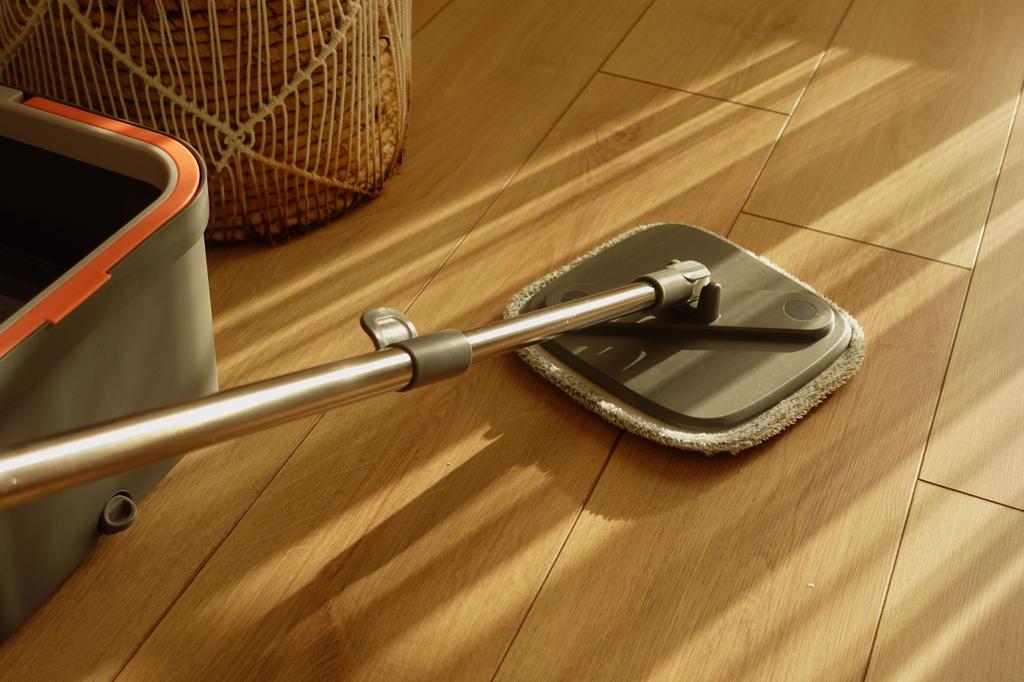
How to Clean Hardwood Floors: Simple Steps for Long-Lasting Shine
Updates & tips
What is Toenail Fungus?
Toenail fungusmay be an embarrassing condition, but it’s very common and highly treatable. For milder cases, treatment may not be necessary. However, toenail fungus rarely goes away on its own, and there’s always the likely chance of recurrence despite successful initial treatment. If left untreated, toenail fungus can worsen, and may become uncomfortable and painful. It’s also good to note there are other nail conditions – such as harmless lines and ridges, or innocuous discoloration – that mimic some symptoms of a fungal nail infection and can be easily mistaken for toenail fungus. So, what exactly is toenail fungus, and how do I know if I have it? What istoenail fungus? Medically known as onychomycosis or tinea unguium, toenail fungus is an infection that gets in through the cracks in your nails or cuts in your skin. It occurs due to the overgrowth of fungi in, under, or on the nail. Because fungi thrive in warm, moist environments, this type of environment can cause them to naturally overpopulate. The same fungi that cause jock itch, athlete’s foot, and ringworm can also cause fungal nail infections. Toenail fungus typically starts out as a white or yellow spot under the nail that grows over time. It can cause the affected nail to thicken, crumble, and discolor (yellow, off-white, red-brown, green, black). The discoloration is caused by debris build up under the nail, and can cause the nail to loosen or completely separate from the nail bed. Toenail fungus develops over time, so any immediate difference in the appearance of your nails may be too subtle to notice in the beginning. Toenail can affect a single toenail, or multiple toenails at a time, spreading to neighboring nails and even your fingernails if left untreated. The condition can also worsen due to multiple factors including toenail injuries, wearing the wrong type of footwear, and improper trimming of the toenails. What are the symptoms oftoenail fungus? Scaling under the nail (subungual hyperkeratosis) White or yellow streaks on the nail (lateral onychomycosis) A crumbling corner or tip of the nail (distal onychomycosis) Yellow spots on the bottom of the nail (proximal onychomycosis) Flaking white areas on the nail’s surface Distorted or oddly-shaped nail Foul-smelling odor coming from the nail A brittle or thickened nail Nail lifting from the nail bed Loosening or complete loss of the nail How common is toenail fungus? Toenail fungus is much more common than fingernail fungus. It accounts to 50% of all nail diseases, affecting between 35 to 36 million Americans at any given time. Only 6.3 million of those have actually been diagnosed by a podiatrist or medical practitioner, and only 2.5 million received treatment. An estimated 2 to 18% is affected by toenail fungus worldwide, with the number translating to around 35 million people worldwide. The number increases every year, with millions of dollars being spent annually for oral and topical antifungal prescriptions. The chances of getting toenail fungus increases as you age, with a reported 18.2% of patients between the ages of 60 to 79 experiencing some sort of toenail fungus, a relatively high number in comparison to the 0.7% of patients younger than 19 years old. People suffering from age-related conditions such as diabetes, weaker immune system, and lower/impaired blood flow are prone to toenail fungus as well. People with a genetic predisposition to toenail fungus, meaning those with family members who have it, are also prone totoenail fungusrecurrence.
Toenail Fungus Medications
Medically known as onychomycosis,toenail fungusaffects an estimated 40 million Americans. It can become painful and unsightly when left untreated for too long, with a chance of recurrence despite successful initial treatment. Fortunately, there are numerous toenail fungus medications that you can use to eliminate the infection completely. This list was created to help narrow down your options in hopes that you find the right solution to combatingtoenail fungus. Topical Nail Solutions The safest and most effective toenail fungus medication, topical solutions can easily be bought online and delivered right to your doorstep. It comes in an easy-to-carry bottle, and includes a brush applicator for easy application. The solution penetrates the nail bed, getting straight to the source of the infection, and eliminating the fungus. It utilizes a powerful formulation of all-natural ingredients with fungi-fighting abilities effectively combined with undecylenic acid. Undecylenic Acid An FDA-approved antifungal agent, undecylenic acid is typically used as an active ingredient in many topical over-the-counter (OTC) toenail fungus medication. However, it can be bought alone at a local drugstore in liquid form, and is typically applied like you would nail polish or topical nail solution. Undecylenic acid treats the raw, irritated skin caused by a fungal infection. Oral Antifungal Medication Oral antifungal medication is, by far, the most popular option for toenail fungus medications. They are known for their speed and efficacy in restoring nails and helping the new nail grow free from infection. These drugs usually need to be taken for 6 to 12 weeks, and may take longer than 4 months to completely eliminate an infection. It’s good to note that oral antifungal medication may cause adverse effects ranging from allergic reactions to liver damage. It’s recommended that you consult a medical professional prior to taking any medication. Terbinafine (Lamisil) Terbinafine, better known by its brand name, Lamisil is an antifungal antibiotic that can be bought OTC. It comes in various forms: cream, gel, spray, powder, or tablets. The tablets are taken once daily for 12 weeks. However, it may take longer to see results. Itraconazole (Sporanox) Another oral antifungal medication of choice, Itraconazole is generally used if the infection is caused by yeast or mold. However, it is advised that you do not take this toenail fungus medication if you have ventricular dysfunction or other cardiac disorders. Medicated Nail Polish Some doctors prescribe medicated nail polish which is relatively similar to topical nail solutions in terms of application process and packaging, coming in small bottles with a brush applicator. Simply paint the affected nail and surrounding skin once a day. The biggest downside is that you may need to use this product for almost an entire year to see any evident results. Ciclopirox (Penlac) This medication is used to treat fingernail and toenail fungus, and is also used as part of a treatment program that includes the removal of unattached, infected nails by a healthcare professional which is done as frequently as once a month. Medicated Nail Cream or Ointments Antifungal creams and ointments are also prescribed by doctors to treat toenail fungus. Rub the cream into the affected nail after soaking in water and drying completely. These creams work better on thinner nails, so you might need to file the surface of the affected nail prior to application. This ensures the product goes straight to the source of the infection. Clotrimazole This over-the-counter toenail fungus medication comes in cream form, and is used to treat various fungal infections including toenail fungus, vaginal yeast infections, athlete’s foot, jock itch, and pityriasis. Astudyin the U.K found that Clotrimazole worked for most of the patients who used it as toenail fungus medication in a 12-week trial, with an average improvement of 96.2%, with the infection in 80% of the nails being completely treated. Tolnaftate A staple OTC toenail fungus medication, Tolnaftate also treats other fungal skin infections, including athlete’s foot, ringworm, and jock itch. It comes in various forms such as cream, powder, spray, or liquid, all of which are topically applied.
Natural Toenail Fungus Home Remedy
Toenail fungusis an embarrassing condition that is also surprisingly common. Recurrence is also rather prevalent. Hence, there’s definitely no shame in getting treatment. Aside from oral prescriptions and over-the-counter medication, both of which could cause adverse effects, there are actually toenail fungus home remedies you can try in the comfort of your own home. 1.Topical Solutions Topical solutions are, by far, the safest and most effective toenail fungus home remedy – and the easiest to use. They usually come in small bottles that include a topical brush for easy application. Despite its usual packaging and certain active ingredients (such as Undecylenic Acid – don’t worry, it’s anti-fungal properties are FDA-recognized!), an effective and affordable topical solution should contain a potent combination of all-natural ingredients such as tea tree oil and sunflower seed oil. These powerful, all-natural formulation is specially designed to penetrate every area of the nail in which the fungus resides, and eliminating it completely. You can purchase topical solutions online, and they should come with instructions in the box or on the product label, informing you how often you should use the product for optimal efficacy, so make sure to read them carefully and thoroughly. Most directions would initially advise you to cut and file the infected nail, getting as close as possible to infection. This also helps the solution penetrate the nail bed much easier. Thoroughly wash the infected area, and then dry completely. Finally, apply the treatment to the entire infected nail, and allow the treatment to dry. 2.Common Household Products a.Vinegar This form of diluted acetic acid can easily be found in most households, and, while typically used for cooking and cleaning, a 2010 study found that the antifungal activity of vinegar is more powerful than other food preservatives. It was found to slow down the growth of some types of fungus, making it a safe toenail fungus home remedy to try. To use, simply soak your feet in vinegar for 10 to 15 minutes daily until the infection subsides. b.Baking Soda Laboratory studies show that baking soda, otherwise known as sodium bicarbonate, is effective against many fungal species that are commonly involved in toenail fungus. This makes baking soda an affordable and easily accessible toenail fungus home remedy. There are multiple ways to make use of this product. The easiest way to use baking soda is to put some of the product inside socks and shoes so that it can soak up the moisture. You can also make a paste out of water and baking soda, and spread it onto the affected nails, letting it sit for 10 minutes before rinsing completely. Finally, you can add baking soda to a warm bucket of water for a foot soak. Repeat this several times a day until the fungus clears. 3.Essential Oils Many essential oils have anti-fungal and antibacterial properties. However, there are some that are more effective than others. Some widely popular essential oils that effectively act as a natural toenail fungus home remedy include: tea tree essential oil cinnamon essential oil peppermint essential oil clove essential oil thyme essential oil oregano essential oil lavender essential oil manuka essential oil lemon essential oil lemongrass essential oil orange essential oil Remember: essential oils need to be diluted in a carrier oil before being applied directly onto the skin. Make sure to do a small skin patch test before further application. Here are some carrier oils that you can use to dilute your chosen essential oil: almond oil apricot kernel oil argan oil avocado oil blackseed oil castor oil coconut oil evening primrose oil flaxseed oil grapeseed oil hemp seed oil jojoba oil moringa oil neem oil olive oil peach kernel oil rosehip oil