Prefer to talk to a pro?
Call today, and let us connect you with the perfect merchant!
Call today, and let us connect you with the perfect merchant!
About Kingston, NY
In the heart of the scenic Hudson Valley, the city of Kingston, New York celebrates a heritage that goes back more than 350 years, to the time of the Dutch's arrival in the New World. Kingston, which is about 90 miles north of New York City and 60 miles south of Albany, has a vibrant, active arts scene and retains much of its early architecture. Lovers of the outdoors can enjoy activities like sailing, fishing and kayaking.
Best Businesses in Kingston, NY










Prefer to talk to a pro?
Call today, and let us connect you with the perfect merchant!
Call today, and let us connect you with the perfect merchant!
Related articles
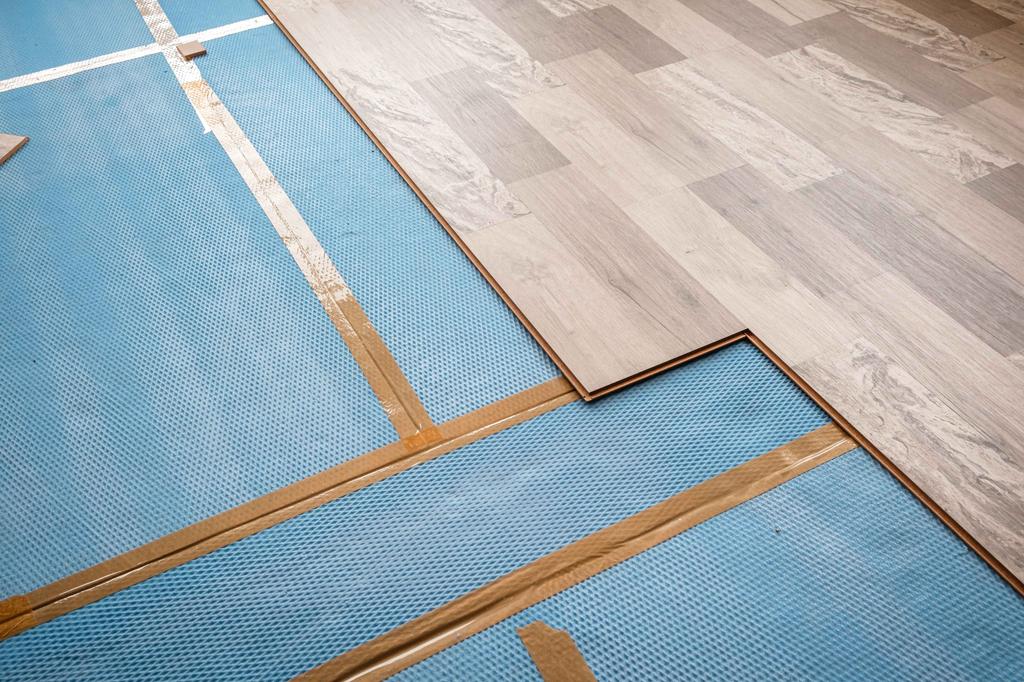
How to Fix Squeaky Floors: Easy DIY Solutions That Actually Work

Landscaping Gravel Types: Pros and Cons
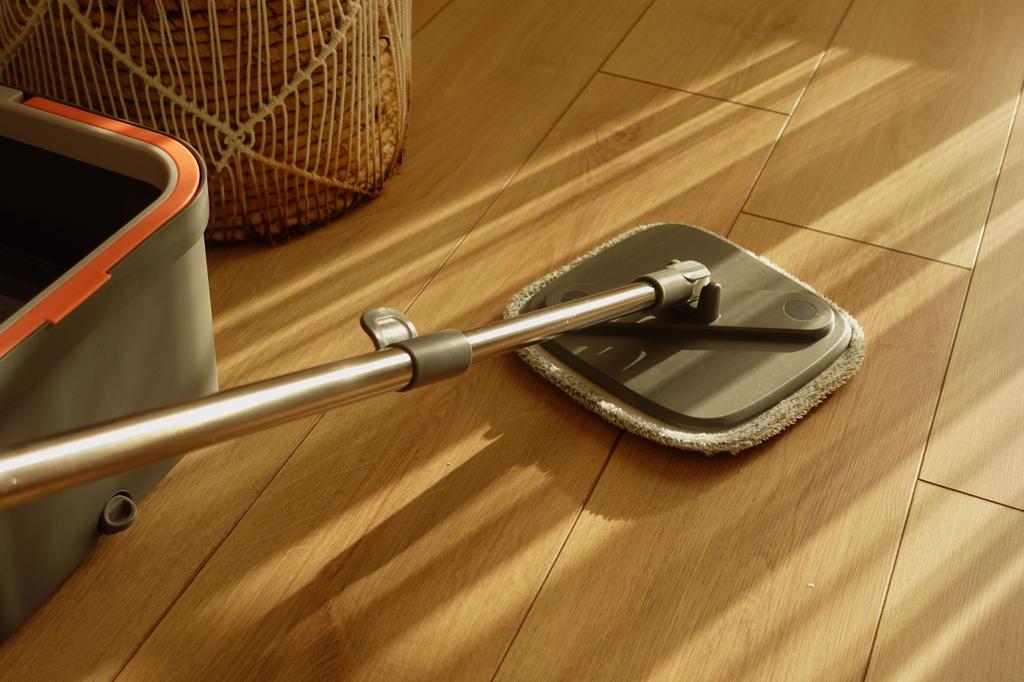
How to Clean Hardwood Floors: Simple Steps for Long-Lasting Shine
Updates & tips
How to Choose 3D Archery Targets That Match Your Skill Level?
Choosing 3D archery targets isn’t just about picking the coolest-looking deer or bear on the rack. It’s about finding a target that challenges you just enough to grow your skills without overwhelming you. Whether you’re a beginner working on consistent form or an experienced shooter refining shot angles, the right target makes all the difference between casual practice and measurable progress. Here’s how to match your3D archery targetto where you are right now and where you want your aim to be. 1. Start with Simplicity If you’re new to 3D archery, start with the basics. That means choosing targets with clear, easy-to-see scoring rings and broad vital zones. You’re not trying to simulate a high-stakes hunt on day one; you’re building consistency, confidence, and control. Basic deer or boar targets are ideal for practicing body alignment and release timing without distractions. Go for mid-size models made of durable foam that can handle repeated hits in the same area. You’ll get more feedback and fewer frustrating bounce-outs, which helps you stay motivated to keep practicing. 2. Match Target Size to Distance One common mistake new archers make is choosing targets that are too small, too soon. The target size should decrease only as your accuracy improves. If you’re shooting under 20 yards, full-body animal targets are ideal. They provide a generous surface area that builds muscle memory for aiming and anchoring. As your groups tighten and your confidence grows, gradually switch to smaller or more realistic models, such as turkeys, coyotes, or raccoons, to refine your focus at longer ranges. The rule is simple: start big to learn form, go smaller to learn precision. 3. Consider the Level of Realism 3D targets range from stylized designs to incredibly lifelike replicas that mimic anatomy, hide texture, and stance. For beginners, simpler models are most effective because they focus on shot placement and visibility, rather than complex mechanics. But as your skills progress, investing in realistic targets pays off. The advanced archers benefit from anatomical accuracy. It teaches you to visualize vital zones from different angles and develop better judgment on real-world shots. The more natural the target looks, the more instinctive your aiming becomes. 4. Focus on Core Quality No matter your level, the core of a 3D archery target is its heart. The foam quality and self-healing ability determine how long your target lasts and how consistent your feedback will be. Beginners can start with basic foam that’s affordable and easy to pull arrows from. However, once you begin practicing frequently, consider upgrading to high-density or layered foam with replaceable vital inserts. It might cost more upfront, but it’ll handle thousands of shots and save money in the long run. Durability means less time fixing gear and more time honing your shot. 5. Choose Realistic Challenges as You Advance As your aim improves, challenge yourself with variety. Instead of always shooting from ground level or straight on, mix it up. Pick targets that offer tricky shot angles that are quartering away, uphill, or partially obscured by brush. This doesn’t just build accuracy; it sharpens your judgment under different conditions. Advanced 3D targets are often designed for this — with sculpted shapes and lifelike stances that push you to analyze every shot. Remember: the goal isn’t just to hit the target, it’s to understand it. 6. Match Your Setup to Your Bow Type The draw weight, arrow type, and speed of your bow affect how much wear your target will take. High-poundage compounds or crossbows need denser foam and stronger cores, while recurve or traditional archers can use softer, lighter targets. If you’re upgrading your bow, it might be time to upgrade your target, too. Nothing slows training like a worn-out block that won’t stop your arrows or gives inconsistent depth readings. Think of it like tuning your equipment. Both the bow and target should support your current level, not limit it. 7. Think About Your Space and Storage Your practice space should guide your target choice as much as your skill level does. Larger3D archery targetsneed more distance and a safe backstop, while smaller portable options are great for backyard setups. If you’re practicing year-round, consider using weather-resistant materials that can withstand sun, rain, and temperature fluctuations. A lightweight, easy-to-move target also makes setup less of a chore. The less hassle, the more you’ll practice. Final Thoughts 3D Targetsare more than props — they’re training partners that evolve with you. The right one will challenge your accuracy, build confidence, and keep your practice engaging for years. Start with a target that meets your current ability, then let your progress lead the way. Before long, you’ll notice more than tighter groups; you’ll feel more control, more instinct, and more connection with every shot you take.
Archery Targets: What to Know Before You Buy
Archery targets always serve as a great medium for beginners or established bowhunters to learn how to aim, time, and take all technical approaches in archery. The only problem is that trying to figure out which target to use can be overwhelming — there are so many! Each type of block and bag targets, foam blocks, and 3D animal replicas have a specific purpose and perform differently, whether you are shooting recurve bows or want to practice bow hunting. Knowing what types, materials, and benefits to look for in different targets will help you make your gear work for what you need it to do and keep it in shape for the long haul. Why You Should Buy an Archery Target An English longbow target, instantly recognizable by appearances alone and proudly displaying its purpose; a product engineered to halt arrows in motion. But a good mark does a great deal more than that. This allows for countless ways to measure feedback between each arrow fired and also provides a safe environment for shooting. It helps prevent archers from causing damage to arrows when they miss the target by deflecting them away from hard surfaces. It allows you to train like it will be in a real-world scenario (perfect for someone looking forward to going hunting or even competing). Targets also encourage consistency. Shooting with a consistent target regularly helps you develop muscle memory, better control of your release, and overall shot groupings that will tell you over time if and when it's actually sighted correctly. With a better target, you will be more likely to increase your accuracy and confidence. Different Types of Archery Targets Choosing a target that accommodates your bow type and shooting style is one of your most critical decisions. Below is an overview of the most common types of targets and their corresponding utility: Bag Targets There is a reason bag targets are one of the most common choices for any shooter just starting out or who only shoots occasionally. They are stuffed with synthetic materials such as cotton or polyester and ready for field tips and easy arrow extraction. Bag targets are the simplest to use with a compound or recurve. However, they might not be the best choice for heavy-poundage bows. When kept in dry conditions, they are also relatively durable but may break down more quickly when exposed to the elements long-term. Foam Block Targets They are lightweight and portable block targets designed only out of high-density foam. Block Friction-Based Targets—This type of target can work for both field tips and broadheads, as it is intended to halt arrows through friction rather than power. It is great for compound bow users or individuals who want a lightweight and portable choice. 3D Targets 3D Targets are usually in the form of animals and made out of self-healing foam. Most of them will be hunting with a bow and using one of the targets where you can practice simulating real-life placements. Deer, turkey, bear, it does not matter. Archers are taking more lifelike forms to help prepare me mentally and physically for the kill. They are versatile in tuning and also popular among competitive 3D archery events. Paper and Target Faces Paper targets or target faces are generally used with foam backstops or bag targets, not as the sole material to withstand the force of the arrows. They are well-suited for precision practice, scoring, or competition shooting, such as Olympic-style archery. They are cheap and disposable plastic models perfect for one-time, lightweight drills. What Target Archery by Combat Flip Flops (Apr Choosing the Right Archery(Targets) Differentarchery targetsare different from one another at the same time. Which one is right for you just depends on what your bow is set up to do, how far you're shooting, and how much practice you put in. Layered foam and bag targets are especially good at stopping arrows with lighter draw weights (such is often the case with recurve or traditional archers). A block or 3D target with dense foam to use for repeatedly shooting a high-poundage compound bow they shoot. Crossbow shooters should look for higher FPS rated targets so as not to wear out a standard bag target that wasn't intended to be shot with the full force of a high-speed crossbow. Take into account how frequently you will be changing the target core, portability, and weather resilience. When you are going outside to use this for your table, you may want to look for one with a UV resistant coat or moisture-proof covers. Proper Target Maintenance Proper archery target maintenance will make your gear last longer and save you a bit of money in the long run. If you have foam targets, be sure to rotate them regularly so that the most commonly hit areas do not wear out unduly fast. When storing bag targets, they must be dry, and they are not (especially if they are kept outdoors for a long period). In fact, certain 3D vessels come with replaceable vital areas, so you don't have to purchase a whole body when those sections begin wearing out. It also helps a lot in preventing the arrows from wearing out too soon when you can remove it without jerking or twisting. An arrow puller or adding a little bit of arrow lube will cut down on the friction and help you avoid breakage. Practice with Purpose No matter how you slice it, your archery target is a direct improvement (or lack thereof) of how you shoot. Those big, flashy 3D targets are fantastic to watch an arrow punch through in slow motion, but the best target is the one that makes you better with every session. Yes, I would like to be able to take a 20-yard shot in the field and hit the line with it backed up to 80 yards, but when it comes down to shooting tight groups or putting on a matching t-shirt, all you need is something you can execute the same way every time. Smart archery targets are more than just another practice tool, and when chosen correctly, they can become your training partner for years to come. They rebound your bricks, log your transformation process, and refine each release.
Danner Boots and the Return of Purpose-Built Footwear
In a world where fast fashion has penetrated even the manliest zones of clothing (Canadian tuxedos, anyone?), Danner Boots have literally withstood decades. Constructed not just for show but for all-business performance, these boots are now a trusted standard for hikers, tradespeople, hunters, and anyone who needs their gear to show up daily. Of course, it’s the quality of the leather and the Vibram soles, as well as their philosophy. Danner sticks with the somewhat outmoded notion that boots should be made to last, perform, and, at least a little bit, matter. Crafted to Go the Distance Danner’s dedication to durability is evident in the details — stitched midsoles, reinforced eyelets, and uppers of full-grain leather that wear in, not out. These boots are not made for just one season. They’re built to last, whether that’s hundreds of miles on the trail or years of daily use in punishing work environments. Break-in periods are no joke, but neither is the reward. And once they form to your foot, they reach that elusive equilibrium of comfort and structure that cheap boots never quite achieve. For many owners, they stop being a purchase and start being a long-term investment in how you get around in the world. A Favorite Across Fields and Forests How easily they straddle the two realms has helpedDanner Bootsendure. One day, they’re on the jobsite, putting in a full day on the concrete. Next, they are slathered in mud two-thirds of the way up a mountain trail. You’ll see them on hunters walking up backcountry ridges, builders spending long days on site, and travelers who want one pair of boots to rule them all (and hopefully get to the airport on time). That crossover appeal isn’t just marketing — it’s built into the construction. Offering versions for wet-weather, rocky ground, snowy paths and miles of pavement, the boots shift and flex from kind of performance to another without sacrificing comfort or dependability. Not Flashy. Just Functional. The look of a Danner boot says a lot. It’s not there to stand out for the sake of it, but it still carries a certain weight. Something about clean lines, solid leather, and purpose-driven stitching sends a message. It’s gear, not a gimmick. Even boots designed for casual or urban use retain that sense of practicality. There is no unnecessary bulk, no weird trends, just solid materials and design choices that have proven themselves over decades. It’s the kind of footwear that earns compliments without trying to get them, because quality has a way of showing through. Built for Work, Refined for Everyday There was a time when work boots were left in the truck after hours. Now, thanks to improved design and better fit profiles, people wear them straight from the job to dinner without missing a beat. That’s especially true with models that balance a rugged build with more refined shaping and interior support. The result is a boot that doesn’t just look the part—it feels good during long wear, even when you’re off the clock. And when you wear a pair daily, you start to appreciate the little things: the padded collars that don’t bite into your ankles, the traction that doesn’t slip on slick mornings, the way the heel holds without pinching. Repair, Don’t Replace At a time of disposable fashion, Danner flies the flag for repairability. A bunch of its boots are recraftable, which means you can send your boots back in for resoling, new finishing, or even a structural rebuild. That says a lot for how they are constructed. Instead of selling you a new pair every year, the brand just lets you keep wearing your old pair another decade or so. For all of us done with cycling through inexpensive boots every few months, that’s a welcome (and more sustainable) alternative. Final Thoughts Danner Boots embody what you don’t find in enough of the rest of today’s gear: durability you can feel, craftsmanship you can see, performance you can count on, and a job done just right. They don’t attempt to keep up with the fast-paced fashion cycle. They are constructed to be solid and steady. Whether you’re using your hands to do the work, hiking miles into the backcountry, or just walking through your day a little more grounded, people show up and stay put when it comes to this type of footwear.