Prefer to talk to a pro?
Call today, and let us connect you with the perfect merchant!
Call today, and let us connect you with the perfect merchant!
About Tarrytown, NY
Tarrytown is a part of the Greenburgh Town in the Westchester County. The Tarrytown is actually a village and it is in the developing mode, where the real-estate development projects are converting the village into a town, gradually. The village is located at the banks of the Hudson River and it is known for its famous Governor Malcolm Wilson Tappan Zee Bridge. Major attractions of the village include the famous bridge and the sunset at the Hudson River makes this village look extremely beautiful. The village celebrates the annual Tarrytown Main Street Fair in the first week of June. The festival includes singing, partying and fireworks. Among the biggest companies in Tarrytown are Comview Corporation and MKR Group, Inc. The biggest school of the village is Hackley School. The major points of interest in the village are Tarrytown Music Hall, Temple Of Temple Beth Abraham, Christ Church of Tarrytown and Castle on the Hudson River. The Churches of the village make it a religious village of the state.
Best Businesses in Tarrytown, NY






Prefer to talk to a pro?
Call today, and let us connect you with the perfect merchant!
Call today, and let us connect you with the perfect merchant!
Related articles
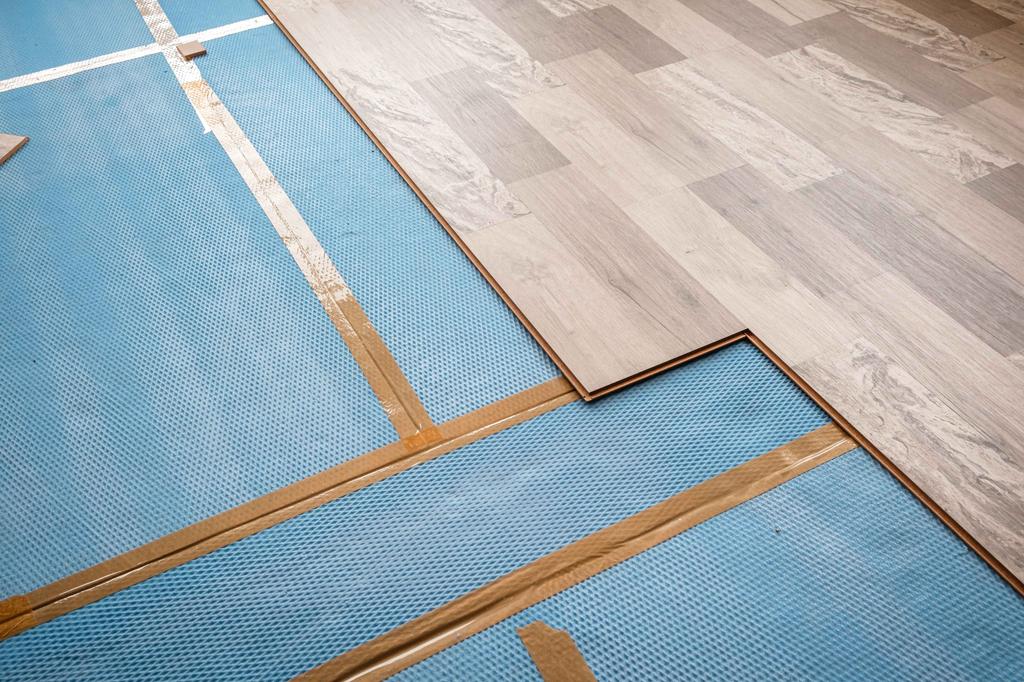
How to Fix Squeaky Floors: Easy DIY Solutions That Actually Work

Landscaping Gravel Types: Pros and Cons

How to Clean Hardwood Floors: Simple Steps for Long-Lasting Shine
Updates & tips
tarrytown taxi sevice
Title: Navigating Tarrytown with Ease: Your Trusted Taxi Service Tarrytown, a picturesque town nestled in the heart of New York, is known for its historic charm, scenic landscapes, and vibrant culture. Whether you're a resident or a visitor exploring the area, navigating Tarrytown's streets and attractions has never been easier, thanks to the reliable services of Jimmy's Taxi Service Inc. Discover Tarrytown's Treasures with Jimmy's Taxi Service When it comes to getting around Tarrytown, convenience and efficiency are paramount. That's where Jimmy's Taxi Service Inc comes into play. As the premier taxi service in Tarrytown, we take pride in offering top-notch transportation solutions that cater to your needs, be it a quick ride to a local hotspot or a timely airport transfer. Why Choose Jimmy's Taxi Service? 1. Reliable and Punctual: At Jimmy's Taxi Service, we understand the value of your time. Our fleet of well-maintained vehicles and experienced drivers ensures that you're never kept waiting. Whether you need a ride to a business meeting or a leisurely day out, we're committed to getting you to your destination on time, every time. 2. Local Expertise: Navigating through Tarrytown's charming streets requires more than just a GPS. Our drivers possess in-depth knowledge of the town's layout, traffic patterns, and hidden gems. Need recommendations for the best dining spots or the quickest route to a local attraction? Count on our drivers to provide you with valuable insights. 3. Safety First: Your safety is our priority. All our drivers undergo rigorous training and adhere to the highest safety standards. Our vehicles are equipped with the latest safety features, ensuring a secure and comfortable ride for you and your companions. 4. Easy Booking Process: Gone are the days of complicated booking procedures. With Jimmy's Taxi Service, booking a ride is a breeze. You can reserve a taxi through our user-friendly online platform or simply give us a call. Our streamlined process ensures that your ride is confirmed quickly, allowing you to focus on other aspects of your day. Exploring Tarrytown's Gems Tarrytown is a town that's rich in history and culture, with a variety of attractions that appeal to both locals and tourists. Here are a few must-visit spots that you can easily explore with Jimmy's Taxi Service: 1. Lyndhurst Mansion: Immerse yourself in the grandeur of the Gilded Age by visiting the Lyndhurst Mansion. With its stunning architecture and beautiful gardens, it's a destination that transports you to a bygone era. Our taxis will get you there with convenience and style. 2. Tarrytown Lighthouse: For those seeking a touch of maritime history, the Tarrytown Lighthouse is a gem not to be missed. Situated on the Hudson River, it offers panoramic views of the river and its surroundings. Let us take you on a scenic ride to this iconic landmark. 3. Historic Main Street: Stroll down Tarrytown's Main Street and experience the town's unique blend of boutiques, cafes, and galleries. Our taxis are the perfect solution for hopping between shops and savoring the local flavors without worrying about parking. Booking Your Ride is a Click Away Ready to embark on a seamless and enjoyable journey through Tarrytown? Booking your ride with Jimmy's Taxi Service Inc is as easy as 1-2-3: 1. Visit our Website: Head over to our website at https://jimmys.taxi/tarrytown-taxi/ and explore our services and fleet. 2. Choose Your Ride: Select the type of vehicle that suits your needs, whether it's a cozy sedan for solo travel or a spacious minivan for a group excursion. 3. Confirm and Ride: Provide your pickup location, destination, and preferred time. Once you're satisfied with your selections, confirm your booking, and get ready to experience Tarrytown like never before. Experience Tarrytown the Jimmy's Taxi Service Way
Questions to Ask When Designing Your Sustainable Home
There is nothing more exciting than the decision to design and build your own home. You have the opportunity to put who you are into a building and create your dream space. With any home, there are many things to think about, but when you add sustainability, it becomes another layer of things to consider and educate yourself about. When designing your sustainable home, it's important to ask yourself several key questions to ensure that your design choices align with your goals for energy efficiency, environmental impact, and overall sustainability. Here are some things to consider: What are your specific needs, lifestyle requirements, and how much space do you need? You'll want to consider your family size, long-term plans, hobbies, and daily routines. This will help you decide the overall layout, number of rooms(ie. bedrooms, living room, bathrooms, etc.), and overall functionality of your home. There are minimum standards for various room sizes. Evaluate the required square footage for each room and consider the future and any potential changes. You'll want to make certain that the overall size of your home fits within your budget and the available land. What is your budget? Determine how much you're willing to spend on the construction, materials, furnishings, and other aspects of your home. This will influence your design choices and help prioritize your needs. Very important to remember that whatever you budget, to set aside roughly and additional 20% of your budget for the unknowns. In construction, something always unexpected is bound to come up and the last thing you want to be is short on building funds. What style or architectural design appeals to you? Explore different architectural styles, such as modern, traditional, minimalist, or hygge, and determine the aesthetic you prefer. This will help with the decisions regarding exterior and interior design elements throughout the home. How can you optimize passive solar design, natural light, and ventilation? Lightingis often forgotten when designing a home. Where the sun rises and falls is a very important component when considering how your home is orientated. Consider the placement of windows and opportunities for incorporating skylights or other architectural features to maximize natural light and airflow. Explore strategies for maximizing solar heat gain, and natural ventilation to reduce reliance on artificial lighting, heating, and cooling. What are your privacy needs? Think about the level of privacy required in each area of your home, both from external sources (neighbors, streets) and internal sources (rooms, corridors). This will help determine the layout and placement of windows, walls, and landscaping. What are your energy efficiency goals? Decide if you want to incorporate sustainable features such as solar panels, energy-efficient appliances, insulation, or smart home technology. These choices can reduce your environmental impact and save on long-term energy costs. Assess your priorities regarding energy consumption and determine how you want your home to perform in terms of energy efficiency. What renewable energy sources can you incorporate? Consider the integration of solar panels, wind turbines, or geothermal systems to generate clean, renewable energy for your home. How will you utilize outdoor spaces? Determine how you want to use your outdoor areas Would you like to incorporate a garden, patio, or pool. Factor in the regional climate and local regulations that might impact these design choices. What are the local building codes and regulations? Research the building codes and regulations in your area to ensure compliance and avoid future issues. This includes understanding setback requirements, zoning restrictions, and any permits needed. It is also very important to know that the building material, especially any sustainable building materials are compliant. Do you have any specific design preferences or must-have features? Consider any unique preferences or special features you'd like to incorporate, such as a home office, entertainment room, gym, or a specific material or color palette. How can you minimize water consumption and promote water conservation? Use water-efficient fixtures and whole-home purification systems. For landscaping needs consider rainwater harvesting systems and landscaping techniques that reduce water usage and promote sustainability. What eco-friendly building materials are available? Research and select materials with low environmental impact, such as recycled or reclaimed materials, sustainably sourced wood, or eco-friendly insulation options. How can I optimize insulation and airtightness in my home? Explore insulation materials, techniques, and design strategies to minimize heat loss, drafts, and energy waste. What heating, cooling, and ventilation systems are the most efficient and sustainable? Options such as energy-efficient HVAC systems, radiant floor heating, or passive cooling techniques to maintain a comfortable indoor environment. How can I integrate smart home technology for energy management? Explore energy monitoring systems, programmable thermostats, and smart appliances to optimize energy usage and reduce waste. How can I promote healthy indoor air quality? Research low VOC (volatile organic compound) products and efficient ventilation systems. Also, incorporatingair-purifying indoor plantsare contribute greatly to indoor air quality. (ie. monstera, snake plant, mother in laws tongue, etc.) How can I design a sustainable landscape? Consider native plants, water-efficient irrigation systems, and permeable surfaces to minimize water usage and create an eco-friendly outdoor space. What recycling and waste management systems should I incorporate? Plan for efficient waste segregation, recycling stations, and composting systems to minimize landfill waste. Looking for Experts to Help You Design Your New House? BLOU INK offers a range ofdesign services– we're ready to help you realize your design vision. There is nothing more exciting than the decision to design and build your own home. You have the opportunity to put who you are into a building and create your dream space. With any home, there are many things to think about, but when you add sustainability, it becomes another layer of things to consider and educate yourself about. When designing your sustainable home, it's important to ask yourself several key questions to ensure that your design choices align with your goals for energy efficiency, environmental impact, and overall sustainability. Here are some things to consider: What are your specific needs, lifestyle requirements, and how much space do you need? You'll want to consider your family size, long-term plans, hobbies, and daily routines. This will help you decide the overall layout, number of rooms(ie. bedrooms, living room, bathrooms, etc.), and overall functionality of your home. There are minimum standards for various room sizes. Evaluate the required square footage for each room and consider the future and any potential changes. You'll want to make certain that the overall size of your home fits within your budget and the available land. What is your budget? Determine how much you're willing to spend on the construction, materials, furnishings, and other aspects of your home. This will influence your design choices and help prioritize your needs. Very important to remember that whatever you budget, to set aside roughly and additional 20% of your budget for the unknowns. In construction, something always unexpected is bound to come up and the last thing you want to be is short on building funds. What style or architectural design appeals to you? Explore different architectural styles, such as modern, traditional, minimalist, or hygge, and determine the aesthetic you prefer. This will help with the decisions regarding exterior and interior design elements throughout the home. How can you optimize passive solar design, natural light, and ventilation? Lightingis often forgotten when designing a home. Where the sun rises and falls is a very important component when considering how your home is orientated. Consider the placement of windows and opportunities for incorporating skylights or other architectural features to maximize natural light and airflow. Explore strategies for maximizing solar heat gain, and natural ventilation to reduce reliance on artificial lighting, heating, and cooling. What are your privacy needs? Think about the level of privacy required in each area of your home, both from external sources (neighbors, streets) and internal sources (rooms, corridors). This will help determine the layout and placement of windows, walls, and landscaping. What are your energy efficiency goals? Decide if you want to incorporate sustainable features such as solar panels, energy-efficient appliances, insulation, or smart home technology. These choices can reduce your environmental impact and save on long-term energy costs. Assess your priorities regarding energy consumption and determine how you want your home to perform in terms of energy efficiency. What renewable energy sources can you incorporate? Consider the integration of solar panels, wind turbines, or geothermal systems to generate clean, renewable energy for your home. How will you utilize outdoor spaces? Determine how you want to use your outdoor areas Would you like to incorporate a garden, patio, or pool. Factor in the regional climate and local regulations that might impact these design choices. What are the local building codes and regulations? Research the building codes and regulations in your area to ensure compliance and avoid future issues. This includes understanding setback requirements, zoning restrictions, and any permits needed. It is also very important to know that the building material, especially any sustainable building materials are compliant. Do you have any specific design preferences or must-have features? Consider any unique preferences or special features you'd like to incorporate, such as a home office, entertainment room, gym, or a specific material or color palette. How can you minimize water consumption and promote water conservation? Use water-efficient fixtures and whole-home purification systems. For landscaping needs consider rainwater harvesting systems and landscaping techniques that reduce water usage and promote sustainability. What eco-friendly building materials are available? Research and select materials with low environmental impact, such as recycled or reclaimed materials, sustainably sourced wood, or eco-friendly insulation options. How can I optimize insulation and airtightness in my home? Explore insulation materials, techniques, and design strategies to minimize heat loss, drafts, and energy waste. What heating, cooling, and ventilation systems are the most efficient and sustainable? Options such as energy-efficient HVAC systems, radiant floor heating, or passive cooling techniques to maintain a comfortable indoor environment. How can I integrate smart home technology for energy management? Explore energy monitoring systems, programmable thermostats, and smart appliances to optimize energy usage and reduce waste. How can I promote healthy indoor air quality? Research low VOC (volatile organic compound) products and efficient ventilation systems. Also, incorporatingair-purifying indoor plantsare contribute greatly to indoor air quality. (ie. monstera, snake plant, mother in laws tongue, etc.) How can I design a sustainable landscape? Consider native plants, water-efficient irrigation systems, and permeable surfaces to minimize water usage and create an eco-friendly outdoor space. What recycling and waste management systems should I incorporate? Plan for efficient waste segregation, recycling stations, and composting systems to minimize landfill waste. Looking for Experts to Help You Design Your New House? BLOU INK offers a range ofdesign services– we're ready to help you realize your design vision.
Long Term Benefits | LENS Neurofeedback Research in Tarrytown
LENS Neurofeedback is a clinically effective, drug-free alternative for helping people find lasting relief from neurological symptoms, clarity and balance in their lives. How LENS Neurofeedback can help Alleviate many neurological conditions associated with dysregulated brainwave patterns including: – Anxiety, Depression, Post Traumatic Stress Disorder, Panic Attacks, TBI – Children with ADD / ADHD, Autism Spectrum Disorder, Learning Disorders – Relieve Chronic Pain and Fibromyalgia, Migraines, Chronic Fatigue Syndrome, regain energy – Sleep Disorders, Addictions, by reducing the need to self-medicate Changes and improvements following a course of treatment with the LENS, once attained, tend to persist and endure. Gains can be seen in as little as 5-10 sessions: A study at Stone Mountain Center demonstrated a 50% improvement in 20 sessions and less over a range of symptoms. ( 100 Person Study, Journal of Neurotherapy, Winter,2006: issue devoted to the LENS. Conclusion: LENS therapy appears to be very efficient and effective in rapidly reducing a wide range of symptoms. It particularly produces rapid movements in the first 5-10 sessions.) In tracking gains during a course of LENS treatment, family members, friends, teachers and parents of younger children may notice and give positive ‘feedback’ on beneficial changes in function, behavior and relationships. Read More About Click Here : lens neurofeedback training Irvington Websites : https://mindcarecenter.net/ Contact Us : neurofeedback certification training Dobbs Ferry