Prefer to talk to a pro?
Call today, and let us connect you with the perfect merchant!
Call today, and let us connect you with the perfect merchant!
About Anita, PA
Anita is located in Jefferson County, Pennsylvania. Major attractions within minutes of Anita are the Du Bois Area Historical Society and the Punxsutawney Area Historical and Genealogical Society, which has an extensive museum complex with many rooms full of historical artifacts from the area such as Native American history and artifacts, early settler tools and utensils and radios and early televisions. Businesses in Anita include JC's Lawncare Service & Odd Jobs and Fastrak Inc. One of the best places to visit when you are in Anita is the 318-acre S.B. Elliott State Park, located less than an hour away in the heart of Moshannon State Forest and with hiking, picnicking, fishing, hunting, cross-country skiing, snowmobiling, cabins and camping.
Best Businesses in Anita, PA


Prefer to talk to a pro?
Call today, and let us connect you with the perfect merchant!
Call today, and let us connect you with the perfect merchant!
Related articles
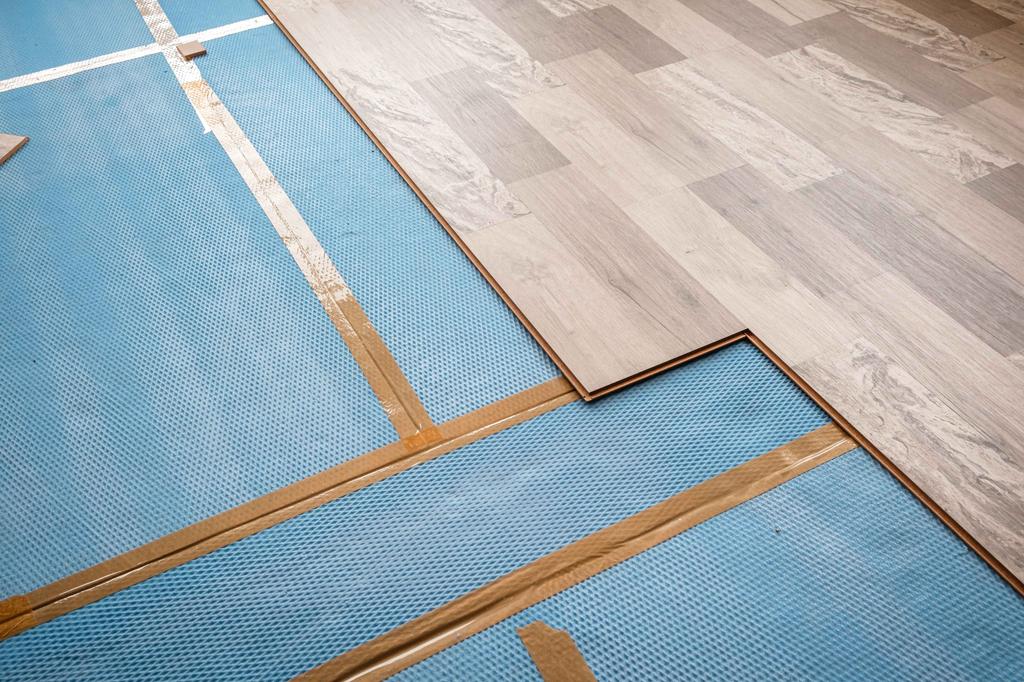
How to Fix Squeaky Floors: Easy DIY Solutions That Actually Work

Landscaping Gravel Types: Pros and Cons

How to Clean Hardwood Floors: Simple Steps for Long-Lasting Shine
Updates & tips
Understanding Casinos: An Overview
Casinos are facilities where people go to engage in various forms of gambling. These establishments offer a wide range of games and entertainment options, attracting visitors from around the world. While some see casinos as a place of excitement and potential fortune, others approach them with caution, aware of the risks involved. Here's a closer look at what casinos are, how they operate, and what you can expect when visiting one. What is a Casino? A casino is a venue that houses gambling activities, including slot machines, table games, and sometimes sports betting and poker rooms.카지노사이트are often part of larger complexes that include hotels, restaurants, shops, and entertainment venues, making them major attractions for both gamblers and non-gamblers alike. Common Casino Games Slot Machines Slot machines are the most popular and widely recognized form of gambling in casinos. They are easy to play, requiring no special skills or strategies. Players insert money, press a button or pull a lever, and wait for the reels to stop spinning. Winning combinations are typically indicated on the machine. Table Games 1. Blackjack: A card game where the goal is to have a hand value closest to 21 without exceeding it. Players compete against the dealer rather than each other. 2. Roulette: A game of chance where players bet on where a ball will land on a spinning wheel. Bets can be placed on individual numbers, groups of numbers, colors, or whether the number will be odd or even. 3. Poker: A popular card game with many variations, including Texas Hold'em and Omaha. Players bet based on the strength of their hands, and the player with the best hand wins the pot. 4. Craps: A dice game where players bet on the outcome of the roll, a series of rolls, or a pair of dice. It is known for its lively atmosphere and numerous betting options. Other Games - Baccarat: A card game where players bet on the outcome of two hands: the player's hand and the banker's hand. The goal is to have a hand value closest to nine. - Keno: A lottery-like game where players select numbers in hopes that their chosen numbers match the numbers drawn by the casino. How Casinos Operate Casinos make money by offering games that have a built-in advantage for the house, known as the "house edge." This edge ensures that over time, the casino will make a profit. Each game has a different house edge, and it is calculated based on the rules and probabilities involved. House Edge - Slot Machines: The house edge can vary widely, typically ranging from 2% to 10%. - Blackjack: With optimal strategy, the house edge can be as low as 0.5%. - Roulette: The house edge is 5.26% for American roulette and 2.70% for European roulette. - Craps: The house edge varies based on the bet, from less than 1% for certain bets to over 16% for others. Casino Etiquette and Rules When visiting a casino, it’s important to follow certain etiquette and rules to ensure a pleasant experience for everyone: - Dress Code: Some casinos have dress codes, especially in high-end areas or during special events. - Behavior: Be respectful to dealers and other players. Avoid disruptive behavior. - Tipping: It’s customary to tip dealers, servers, and other staff. - No Photography: Most casinos prohibit photography on the gaming floor to protect the privacy of patrons. The Economic Impact of Casinos Casinos can have a significant economic impact on their local communities. They create jobs, attract tourists, and generate tax revenue. However, there are also potential downsides, such as problem gambling and its associated social costs. Positive Impacts - Job Creation: Casinos employ a wide range of staff, from dealers and waitstaff to security and management. - Tourism Boost: Casinos attract visitors, which can lead to increased business for local hotels, restaurants, and shops. - Tax Revenue: Governments often tax casino revenues, providing funds for public services. Negative Impacts - Problem Gambling: Casinos can contribute to gambling addiction, which can have serious personal and social consequences. - Economic Dependency: Communities that rely heavily on casinos may face economic challenges if the casino's business declines. Responsible Gambling It's important for casino visitors to gamble responsibly. This means setting limits on time and money spent, understanding the odds, and recognizing the signs of problem gambling. Many casinos offer resources and support for those who need help managing their gambling habits. Conclusion Casinos are complex establishments that offer entertainment, excitement, and the chance to win money. However, they also come with risks that visitors should be aware of. By understanding how casinos operate and practicing responsible gambling, visitors can enjoy their experience while minimizing potential downsides. Whether you’re a seasoned gambler or a curious newcomer, casinos offer a unique and thrilling environment that continues to captivate people worldwide.
Vietnamese Culture: A Comprehensive Overview
Historical Background Vietnamese culture is one of the oldest in Southeast Asia, heavily influenced by a blend of indigenous traditions and external influences from China, India, and France. The history of Vietnam is marked by periods of Chinese domination, which left a lasting impact on its베트남 황제투어culture, language, and societal structure. French colonization introduced Western elements, further diversifying Vietnamese culture. Language - Vietnamese: The official language of Vietnam, Vietnamese is a tonal language with six distinct tones. It uses the Latin alphabet with additional diacritical marks. - Other Languages: Ethnic minorities in Vietnam speak various languages, and French and English are also commonly taught and spoken in urban areas. Religion and Beliefs - Buddhism: The predominant religion, with Mahayana Buddhism being the most widely practiced form. - Confucianism: Confucian values influence social structure and family life, emphasizing respect for elders and education. - Taoism: Often intertwined with Buddhism and Confucianism, focusing on harmony with nature and spiritual practices. - Catholicism: Introduced by French missionaries, it is practiced by a significant minority. - Ancestor Worship: A fundamental aspect of Vietnamese spirituality, involving rituals and offerings to honor deceased relatives. Traditional Practices and Festivals - Tet Nguyen Dan (Lunar New Year): The most important festival in Vietnam, marking the arrival of spring. It includes family reunions, ancestral worship, and traditional foods like Banh Chung (sticky rice cake). - Mid-Autumn Festival: Celebrated with lantern processions, mooncakes, and activities for children. - Hue Festival: A biennial cultural event held in Hue, featuring performances, exhibitions, and traditional crafts. Family and Social Structure - Family: The cornerstone of Vietnamese society, with extended families often living together or nearby. Filial piety and respect for elders are deeply ingrained values. - Gender Roles: Traditionally, men are seen as the primary breadwinners, while women manage the household. However, modern times have seen increasing gender equality and women's participation in the workforce. Cuisine Vietnamese cuisine is known for its balance of five taste elements (sweet, sour, salty, bitter, and umami) and the use of fresh ingredients. Some notable dishes include: - Pho: A noodle soup with beef or chicken, herbs, and spices. - Banh Mi: A baguette sandwich filled with various meats, vegetables, and condiments. - Goi Cuon: Fresh spring rolls made with rice paper, shrimp, pork, and vegetables. - Bun Cha: Grilled pork served with vermicelli noodles, fresh herbs, and dipping sauce. Traditional Arts and Music - Water Puppetry: A unique Vietnamese art form originating in the Red River Delta, where puppets perform on water to music and narration. - Ca Tru: A traditional genre of chamber music featuring female vocalists, lute, and drum. - Ao Dai: The national dress, a long, flowing tunic worn over trousers, symbolizing elegance and grace. Contemporary Culture - Literature and Film: Modern Vietnamese literature and cinema explore themes of war, identity, and social change. Renowned authors include Nguyen Du and Bao Ninh, while films like "The Scent of Green Papaya" have gained international acclaim. - Sports: Football (soccer) is the most popular sport in Vietnam, with a growing interest in martial arts such as Vovinam. Etiquette and Customs - Greetings: A respectful bow or handshake is common, often accompanied by the phrase "Xin chao" (Hello). - Dining Etiquette: Meals are communal, with dishes shared among diners. It is polite to wait for the eldest to start eating and to leave a small amount of food on your plate to show you are satisfied. - Gift Giving: Gifts are given to express respect and gratitude. Avoid giving handkerchiefs, hats, or anything black as they are associated with funerals and bad luck. Challenges and Changes Vietnamese culture continues to evolve with globalization and modernization. While urban areas see rapid development and Western influences, rural areas retain traditional customs and lifestyles. The challenge lies in balancing modernization with the preservation of cultural heritage. Vietnam's rich and diverse culture, shaped by its history, geography, and people, offers a fascinating blend of tradition and modernity. From its deep-rooted spiritual practices and vibrant festivals to its delicious cuisine and dynamic arts scene, Vietnamese culture provides a unique and enriching experience for anyone exploring this beautiful country.
Sweet Amy's Goodies
Contact us today at (888) 256-5811 in Anita, PA, for more information about our selection of soy candles.