Prefer to talk to a pro?
Call today, and let us connect you with the perfect merchant!
Call today, and let us connect you with the perfect merchant!
About Elizabeth, PA
Elizabeth is a borough in Allegheny County, Pennsylvania on the east bank of the Monongahela river, where PA Rte. 51 crosses, 15 miles upstreamof Pittsburgh and close to the county line. The keelboat used for the first stages of the Lewis and Clark Expedition was built in Elizabeth and from 1956 to 1963 Elizabeth was the location of a Nike anti-aircraft missile site. Major attractions include Fort Necessity, a National Battlefield that presents a year long exhibit on the Odawa in the French and Indian War. Elizabeth's major schools include an elementary, middle and high school.
Best Businesses in Elizabeth, PA






Prefer to talk to a pro?
Call today, and let us connect you with the perfect merchant!
Call today, and let us connect you with the perfect merchant!
Related articles
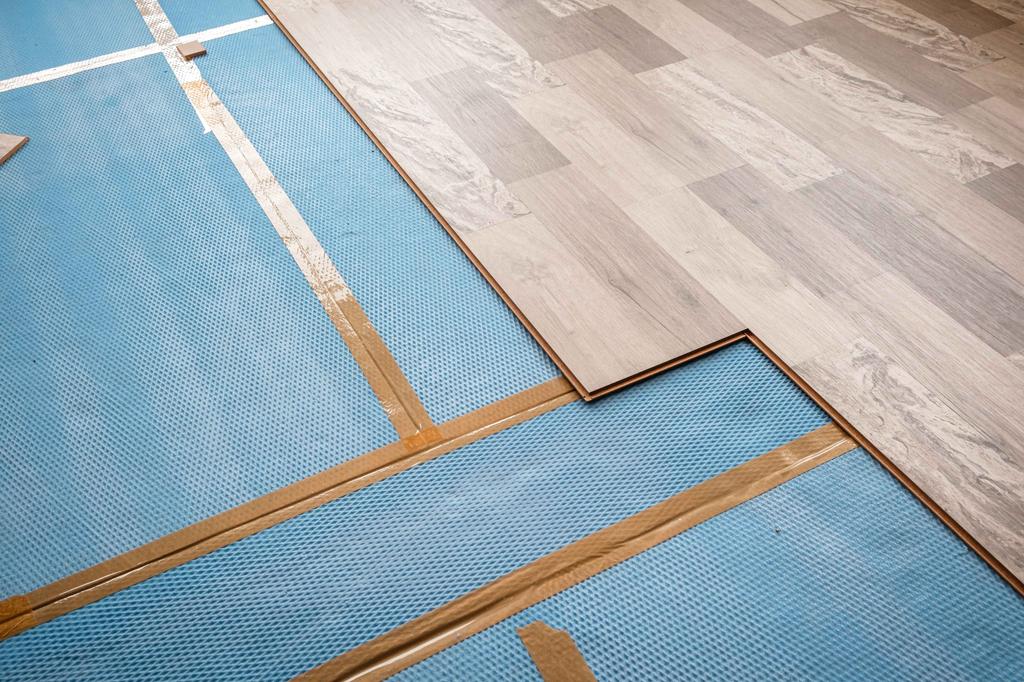
How to Fix Squeaky Floors: Easy DIY Solutions That Actually Work

Landscaping Gravel Types: Pros and Cons
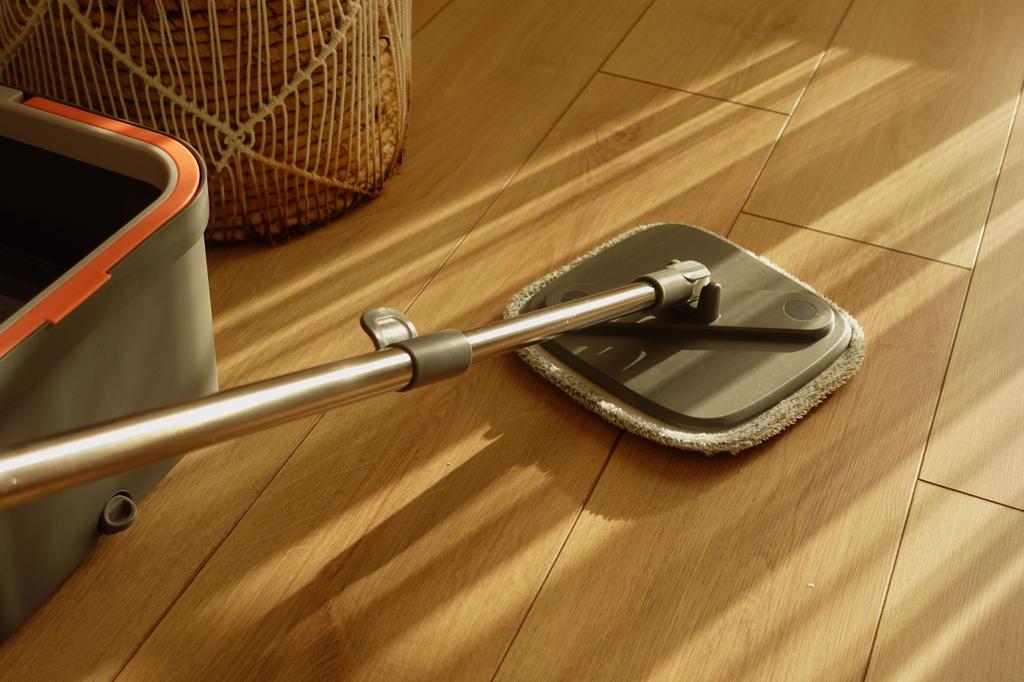
How to Clean Hardwood Floors: Simple Steps for Long-Lasting Shine
Updates & tips
Setting Up Your Home Pilates Studio
Creating an at-home Pilates studio is an investment in one's health and well-being. In order to cultivate a space that supports mind-body connection and physical fitness, selecting the properpilates equipment for homeuse is critical. The journey towards building an efficient and engaging home studio necessitates a blend of careful planning, understanding the various apparatus options, and ensuring that your space meets the specific requirements of Pilates workouts. Understanding Pilates and Its Equipment Pilates is a form of low-impact exercise that focuses on core strength, flexibility, and overall muscle conditioning. It involves precise movements and specific breathing techniques. Pilates can be performed using one's body weight or specialised equipment designed to challenge and support the body through various exercises. Importance of the Right Equipment When setting up a home Pilates studio, selecting the right equipment can greatly affect the quality of your workouts. It ensures that each exercise is performed with proper form and provides the necessary resistance or support to maximise benefit and minimise the risk of injury. Choosing Your Home Pilates Equipment For individuals embarking on their Pilates journey at home, there are several pieces of equipment that one might consider essential. These range from basic mats and accessories to more sophisticated apparatus like the Pilates reformer machines. Primary Pilates Apparatus At the heart of any well-equipped Pilates studio is thepilates reformer machine. This versatile piece of equipment provides a comprehensive workout experience, enabling a plethora of Pilates exercises to be performed. Its system of springs, straps, and a carriage offer resistance, which can be adjusted to suit different skill levels. Finding Space for Pilates Equipment Before purchasing any equipment, one must assess the available space in their home. Ideally, a home Pilates studio would be a dedicated room that offers enough space for equipment and free movement. However, not everyone has that luxury, so it's important to consider equipment that can fit into a more compact area or be stored easily when not in use. The Versatility of a Folding Pilates Reformer For those with limited space, a folding pilates reformer represents an excellent option. It embodies the functionality of a full-scale reformer while allowing for convenient storage after use. This type of equipment is also mobile, meaning it can be easily moved or taken on the go. Creating the Right Ambience Your home studio should be a sanctuary that encourages focus and peace. Opt for a room with good ventilation and natural light if possible. The aesthetic elements of the space, such as calming colours and minimal distraction, can contribute to a conducive workout environment. Additional Accessories for Your Home Pilates Studio Beyond the core equipment like reformer machines, there are additional accessories that can enhance your Pilates experience. These include resistance bands, Pilates rings, and stability balls, among others. These accessories are not only affordable but also versatile, providing numerous options in terms of exercises and levels of difficulty. Pilates Studio Flooring The flooring of your home studio also plays a critical role in the comfort and safety of your workouts. It should be firm enough to provide support but also offer sufficient cushioning. Many Pilates practitioners opt for high-quality mats or interlocking foam tiles. Cost Considerations When planning the financial aspects of setting up your home Pilates studio, it's important to balance cost with quality. While there are budget-friendly options available, investing in high-quality equipment may offer better durability and a more enjoyable experience in the long term. Safety and Durability With any form of exercise equipment, safety and build quality are of utmost concern. Well-crafted Pilates equipment should adhere to high standards, ensuring stability and user safety during every workout session. Before making a purchase, read reviews and research the reputation of the manufacturer or retailer. Maintaining Your Pilates Equipment Once set up, maintaining your home Pilates studio equipment is essential for ensuring longevity and performance. This includes regular cleaning, checking for wear and tear, and addressing maintenance needs promptly. Proper care will aid in providing a consistent workout experience and safeguarding your investment. Making the Most of Your Home Studio With your studio in place, make sure to utilise it regularly and incorporate a variety of exercises into your routine. Regular practice is key to reaping the full benefits of Pilates, such as improved posture, increased muscle strength, and enhanced flexibility. Seeking Professional Guidance Lastly, consider consulting with a certified Pilates instructor to ensure proper form and technique, especially if you are new to the practice. Professional guidance can not only help in maximizing the effectiveness of your workouts but also contribute to injury prevention. Setting up your home Pilates studio is a step towards a longer, healthier life. By choosing the right pilates equipment for home use and setting up an inviting space, you commit to a practice that nurtures both body and mind. Whether you invest in a Pilates reformer machine or a folding Pilates reformer for versatility, adhering to safety, quality, and maintenance standards will ensure a fulfilling home Pilates experience.
Caring for Your Horse Saddle: Proper Storage and Essential Saddle Bags
When it comes to equestrian activities, a well-fitted horse saddle is as important as the horse itself. The saddle provides the rider with comfort, support, and security, while ensuring the horse’s well-being. In addition to understanding how to fit a saddle correctly, it’s essential to know how to store it properly and make use of accessories like saddle bags. In this article, we’ll discuss the key points of storing your saddle, using saddle bags, and ensuring long-term care for both saddle and horse. Horse with Saddle: The Perfect Fit for Comfort and Performance A horse with a saddleserves as the foundation for nearly all equestrian activities. Whether you’re riding for leisure, participating in competitive sports, or working with cattle, the right saddle provides balance and support. However, ensuring a proper fit for both the horse and the rider is crucial. Fit for the Horse: A well-fitting saddle should distribute the rider’s weight evenly across the horse’s back to avoid pressure points and discomfort. A poorly fitted saddle can cause back pain, poor posture, and long-term physical issues for the horse, including muscle atrophy or even permanent damage. Fit for the Rider: The saddle must also be suitable for the rider’s size, posture, and riding discipline. English saddles, for example, tend to have a flatter seat, while western saddles provide a larger surface area for the rider, making them ideal for long rides and ranch work. It’s important to get professional advice or use a saddle fitter to ensure both horse and rider have a comfortable experience. Horse Saddle Bags: Practical Accessories for Long Rides Saddle bags are essential accessories for riders who spend long hours on the trail, need extra storage during competitions, or work on ranches. These bags attach to the saddle and provide convenient storage for gear, water, and other necessities. Types of Saddle Bags: Trail Saddle Bags: These are designed for long-distance riding and offer ample storage space. Trail saddle bags are usually lightweight, durable, and often come with multiple compartments to organize supplies such as water, snacks, grooming tools, and first aid kits. Western Saddle Bags: For riders using a Western saddle, these bags are often larger and more rugged. Western saddle bags are built to withstand tough conditions, with features like reinforced stitching and heavy-duty zippers or buckles. English Saddle Bags: Typically smaller than Western saddle bags, English saddle bags are compact and designed for more minimalist storage. They might hold a water bottle, a few energy snacks, and basic riding accessories. Choosing the Right Saddle Bag: When selecting saddle bags, consider the type of riding you’ll be doing, how much storage you need, and the weather conditions. Waterproof materials are ideal for outdoor riding in varying conditions, while lightweight designs help avoid unnecessary bulk. How to Attach Saddle Bags: Saddle bags are designed to easily attach to the saddle’s pommel (front) or cantle (back). The straps should be securely fastened to prevent them from swinging around and disrupting the rider’s balance. Be sure to adjust the straps properly to ensure the bags stay stable throughout the ride. Loading Saddle Bags: Keep weight distribution in mind when packing your saddle bags. Heavy items should be placed closer to the center of the saddle, while lighter items can go on the sides. This helps maintain balance and reduces strain on both the horse and rider. Best Way to Store a Horse Saddle for Storage Proper storage of your horse saddle is essential to maintain its shape, durability, and functionality. Whether you ride frequently or store your saddle during the off-season, here are the best practices for saddle storage: Clean Before Storing: Always clean your saddle thoroughly before storing it. Use a soft cloth to remove dust, dirt, and sweat from the saddle’s surface. If your saddle is leather, apply saddle soap or a specialized leather cleaner to keep it supple and prevent cracking. Condition the leather with a suitable leather balm or oil to maintain its flexibility and shine. Dry Properly: After cleaning, allow your saddle to dry naturally in a well-ventilated area. Never place your saddle in direct sunlight or use artificial heat sources like heaters or blow dryers, as this can damage the leather or cause it to shrink. Ensure that your saddle is completely dry before storing it to avoid mold growth or mildew buildup. Use a Saddle Rack: The best way to store a saddle is on a saddle rack. Ideally, the saddle should be hung with the seat facing up, which helps retain its shape. A saddle rack allows the saddle to rest evenly, avoiding unnecessary pressure on specific areas like the panels or the cantle. It’s important to choose a sturdy, adjustable rack that can support the saddle’s weight without tipping over. Storage Location: Store your saddle in a dry, cool environment that is free from excessive humidity. Too much moisture can lead to leather degradation, while too much heat can cause drying and cracking. A well-ventilated tack room or closet is the ideal space. Avoid storing the saddle in areas with extreme temperature fluctuations, such as garages or barns that are not climate-controlled. Cover the Saddle: To protect your saddle from dust and environmental factors, use a saddle cover. A breathable cloth cover will keep dirt and dust off the saddle while preventing moisture buildup. Avoid plastic covers as they can trap moisture and lead to mold growth. Avoid Storing on the Horse: Never leave the saddle on the horse for long periods when not in use. Over time, this can distort the shape of both the saddle and the horse’s back. It’s better to remove the saddle after each ride and store it properly. Best Way to Store a Horse Saddle for Long-Term Storage When storing a saddle for an extended period, additional care is required to ensure it remains in excellent condition: Remove Stirrup Leathers and Irons: If you plan on storing your saddle for a long time, remove the stirrup leathers and irons. This prevents unnecessary weight from being placed on the saddle and reduces the risk of deformation. Hang the stirrups separately to avoid any stress on the saddle’s components. Check for Damage: Before storing the saddle for a long time, inspect it for any signs of wear or damage, such as loose stitching or cracks in the leather. Address any repairs before storing to prevent worsening over time. Store in a Saddle Case: For added protection, you may want to invest in a high-quality saddle case. A case will protect the saddle from dust, moisture, and accidental damage. Look for a case with ample padding and ventilation to keep the saddle in prime condition. Condition Regularly: If your saddle is going to be stored for several months, it’s a good idea to condition the leather every few months to keep it supple and prevent it from becoming brittle. This is particularly important in areas with extreme weather conditions. Conclusion A well-cared-for horse saddle is an investment in both your riding comfort and your horse’s health. By properly fitting your saddle, utilizing saddle bags for convenience, and ensuring correct storage practices, you can ensure that your saddle remains functional and in great shape for years to come. Whether you’re an avid rider or someone who uses their saddle occasionally, taking the time to care for your saddle and store it properly is essential to maximizing its longevity and performance.
Everything You Need to Know About Buying Aggregates Online:
Aggregates that are necessary for construction projects and many other projects are available through many different sources. But the good news is that they are available online for your ease. It saves time and effort you put in buying the aggregates without losing your comfort level. This tutorial will help you in everything you need to know about purchasing aggregates. 2. Types of Aggregates There are several types of aggregates, and each has a distinct function. Now let's dissect the main groups. Dirt Topsoil Rich minerals are present in topsoil and it's perfect for gardening and landscaping. Fill Dirt Due to less organic matter in fill dirt it gives best stability to land as compared to other matters. Sand Utility Sand Coarse utility sand is mostly utilised in construction as a base for concrete, for backfilling, and while placing paving stones. Mason Sand Mason sand is used for plastering as well as masonry tasks like placing bricks and blocks. It is finer than utility sand. Beach Sand Playgrounds and leisure spaces benefit greatly from the smoother, finer sand found on beaches. Gravel Pea Gravel Small stones parts give an aesthetic view when used in gardening and landscaping. Its best use is in driveaways, paths and gardens. Crushed Stone One of the many uses for crushed stone in construction is as a base for driveways, roads, and the creation of concrete. River Rock Smooth and well shaped stones which are used in gardens and water fountains for a beautiful look. 3. Advantages of Buying Aggregates Online Buying aggregates online offers several advantages: Convenience You can order and peruse without leaving the comforts of your home by visiting multiple sources. Variety Online providers offer a broader selection of products compared to local businesses, guaranteeing you locate exactly what you need. Competitive Pricing Online competition often leads to better pricing, helping you save on your purchase. Delivery Services Delivery services are available for projects and they also offer discounts or even free services when buying in bulk. 4. How to Find the Best Supplier Supplier selection is an important task that must be done with full search for a smooth project. 5. Reputation and Reviews Must check the reputation of the seller and the best way to check it by viewing the rating and customer satisfaction level. 6. Product Quality Verify the source offers premium materials by looking over the product's specifications and details. 7. Customer Service Good customer service is essential to avoid any delay and misunderstanding in a project. 8. Delivery Options Make sure the supplier can deliver to your location by checking their delivery options. 9. Tips for Buying Dirt Online Determining Your Needs Before ordering your material use a reliable calculator tool that is available on many platforms to avoid any misjudgement in calculation and ordering too much or too less. Checking Soil Quality Ensure the soil is free from contaminants and suitable for your intended use. Different Types of Dirt to Analysis You must understand the different types available for dirt and then select the right product. 10. Tips for Buying Sand Online Identifying the Right Type of Sand Considering the specifications of your project, choose the right kind of sand. Checking Grain Size Ensure the sand grain size is suitable for your intended application. Ensuring Cleanliness of Sand Sand should be pure and devoid of any contaminants that can interfere with your endeavour. 11. Tips for Buying Gravel Online Choosing the Right Size Whether gravel is going to be used for driveways, walks, or decoration, choose the appropriate size accordingly. Understanding Different Uses Different types of gravel are suited for various applications; ensure you choose the right one. Verifying Source and Quality Make sure the gravel satisfies quality standards and comes from a reliable supplier. 12. Common Mistakes to Avoid Not Researching Suppliers To identify the greatest choice, take the time to investigate and contrast various sources. Overlooking Delivery Costs Take delivery costs into account to prevent unforeseen charges. Ignoring Material Specifications To guarantee that you receive the ideal result for your project, pay close attention to the material parameters. 13. Sustainable Sourcing Environmental Impact You must go with the environment friendly products and always select the seller that sells products that fall in the environment category. Eco-Friendly Aggregates Alternatives Recycled materials give you the best substitute for environment friendly products. 14. Conclusion Best place for online aggregates purchasinggives you many advantages that include various qualities and cost saving. You can make wise choices and steer clear of typical mistakes by being aware of the various aggregate types and paying attention to the advice given. Whether you're planning a little DIY project, starting a construction project, or just need supplies for a project, buying aggregates online can make the process easier and guarantee the best outcomes. 15. FAQs Which one is the best quality sand for our project? Depending on the particular requirements of your project, utility or mason sand is usually the appropriate kind of sand for building. How do I calculate the need/quantity for material? First check the gravel size and your area parameters. Calculators available online can be used to estimate the needed quantity. Can I use fill dirt for gardening? Yes, you can but it lacks the nutrients necessary for gardening.. A better option for gardening is topsoil. How can I ensure the quality of aggregates? Investigate vendors, read reviews, and verify material certifications and standards to ensure quality. What are the delivery options for online purchases? Although each provider has different delivery choices, many of them provide curbside, house, and occasionally even same-day delivery.