Prefer to talk to a pro?
Call today, and let us connect you with the perfect merchant!
Call today, and let us connect you with the perfect merchant!
About Nazareth, PA
Nazareth is a part of the Lehigh Valley region area of Pennsylvania known for its cement manufacturing industry. Major attractions include Among the biggest companies in Nazareth are Coplay Cement and Martin Guitar Company. Each year in June is the Great Nazareth Carnival. The biggest school is Nazareth Area Highschool. One of the best places to visit is the historical district that features architecture from the Moravian and Dutch settlers. Famous persons from Nazareth include Mario, Michael, and Marco Andretti.
Best Businesses in Nazareth, PA





Prefer to talk to a pro?
Call today, and let us connect you with the perfect merchant!
Call today, and let us connect you with the perfect merchant!
Related articles
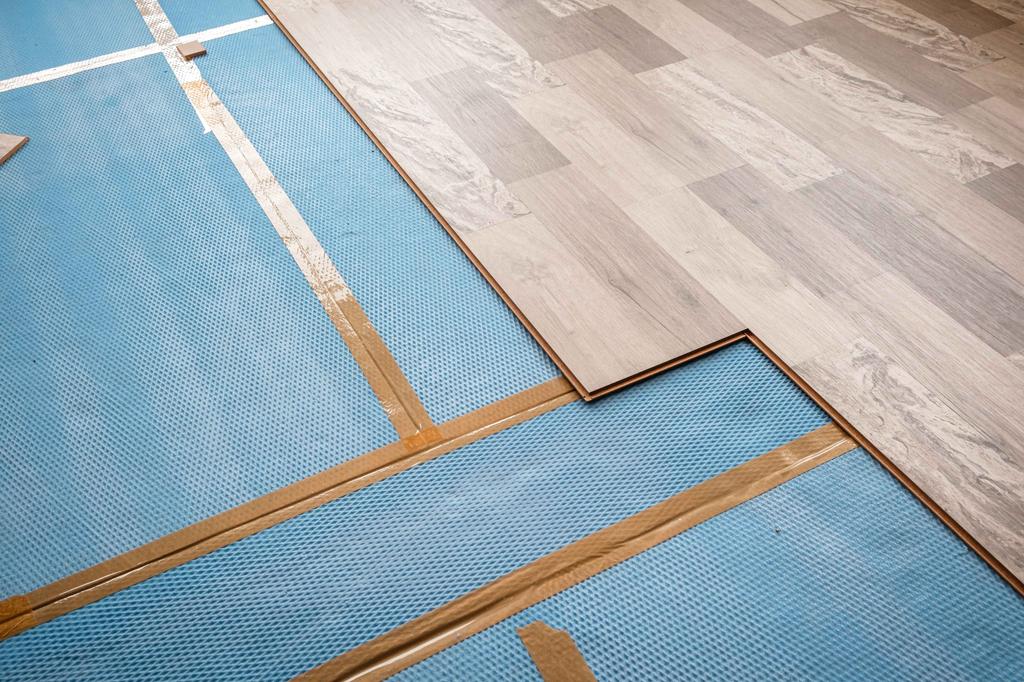
How to Fix Squeaky Floors: Easy DIY Solutions That Actually Work

Landscaping Gravel Types: Pros and Cons
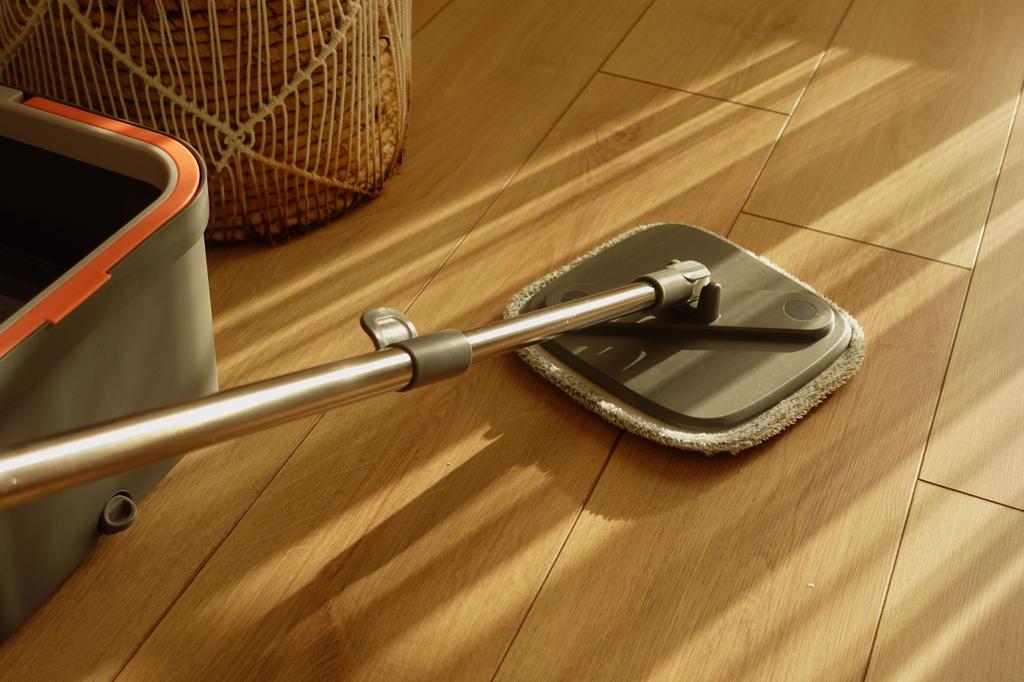
How to Clean Hardwood Floors: Simple Steps for Long-Lasting Shine
Updates & tips
Tracking Your Baby's Milestones - How to Use a Baby Growth Chart!
As parents, one of our primary considerations is ensuring that our children are growing and developing as they should. Tracking your baby's milestones is an essential part of this journey, and one invaluable tool to help you with this is the baby growth chart. In this guide, we will explore what a baby growth chart is, how to interpret it, and why it's crucial for your child's development. Understanding the Baby Growth Chart A baby growth chart, often referred to as an Infant growth chart or kids growth chart is a graphical representation of a child's physical growth in terms of height, weight, and sometimes head circumference. Healthcare professionals commonly employ these charts to evaluate a child's growth and progress. They serve as a standard reference to compare your baby's measurements to those of other children of the same age and sex. Why Is It Important? Tracking your baby's growth through a growth chart is essential for several reasons: . Early Detection of Developmental Issues: Regularly monitoring your baby's growth can help identify potential developmental problems or health concerns at an early stage. . Ensuring Adequate Nutrition: It allows you to gauge if your baby is receiving adequate nutrition and whether any dietary adjustments are necessary to support healthy growth. . Setting Realistic Expectations: Growth charts provide a realistic picture of what is considered typical growth for babies of the same age and sex. This can help parents set reasonable expectations for their child's development. How to Use a Baby Growth Chart . Consult Your Pediatrician: The first step in using a Baby Growth Chart is to consult your child's pediatrician. They can provide you with a growth chart specific to your child's age and sex. . Record Accurate Measurements: To track your baby's growth accurately, you need to measure their weight, length (height), and head circumference regularly. Utilize a properly calibrated weight scale for measuring weight, and employ a measuring tape to determine length and head circumference. . Plot the Data: On the growth chart provided by your pediatrician, you'll find percentiles. These lines illustrate the typical development patterns for children of a similar age and gender. Plot your baby's measurements on the chart to see where they fall in relation to these percentiles. . Monitor Trends: Focusing on the broader pattern is more crucial than examining isolated measurements. If your baby consistently follows a specific percentile curve, it suggests that their growth is on track. Interpreting the Baby Growth Chart Understanding the percentiles on the Baby Growth Chart is essential for proper interpretation. Here's how to read them: . Below 5th Percentile: If your baby's measurements consistently fall below the 5th percentile, it may indicate that they are smaller or lighter than most children their age. Your pediatrician will assess whether this is a cause for concern. . Between 5th and 95th Percentile: This range is considered typical and healthy growth. Most children fall within this range. . Above 95th Percentile: If your baby's measurements consistently exceed the 95th percentile, it may indicate that they are larger or heavier than most children their age. Again, your pediatrician will evaluate whether this is a concern. Keep in mind that personal development trajectories can differ greatly, and genetics also exert a substantial influence. What's most important is that your baby follows their own growth curve over time. When to Seek Help If you notice any of the following signs, consult your pediatrician, even if your baby's measurements fall within the percentiles: .Sudden Drop in Percentile: If your baby's growth significantly deviates from its established curve, it may warrant investigation. . Consistent Growth Faltering: If your baby consistently falls below their growth curve or doesn't gain weight, it could be a sign of an underlying issue. .No Growth over an Extended Period: If your infant's development seems to halt for an extended period, it's vital to consult with a healthcare expert for advice. Conclusion Tracking your baby's milestones using a baby growth chart is an essential part of parenting, providing you with valuable insights into your child's development. Remember that while the chart serves as a helpful tool, individual variations exist, and genetics play a significant role in growth patterns. Consult your pediatrician regularly to discuss any concerns you may have, and together, you can ensure your child is on a healthy growth trajectory. For a convenient and user-friendly way to access and utilize baby growth charts, consider visiting Dream Controller. We offer a comprehensive collection of growth charts and tools to help you monitor your child's growth effectively. With our resources, you can stay informed about your baby's development and make informed decisions to support their health and well-being. Embrace the journey of parenting with confidence, and let Dream Controller be your trusted partner in tracking your baby's growth.
7 Tips and Ideas for Your DIY Cardstock and Scrapbooking Paper Project
If you’re looking for the next big idea for your cardstock and scrapbooking paper project, look no further than this article. Presenting, 7 tips and ideas to create a personalized keepsake that you can share with friends and family for years to come. Tip # 1 Cut Boring Rectangular Photos into Shapes You don’t have to stick all your photos as they are. To add a twist to otherwise boring uniformly cut photos, cut your photos into interesting shapes and sizes. Cut your photos into a circle, a triangle, an octagon, or even a star, if that’s what your creative juices are telling you. Just don’t line them up on your cardstock paper army formation-like with the same shapes and sizes. Tip # 2 Use Specialty Envelopes Envelopes aren’t just for letters. Do you have small memorabilia items you’d rather not stick? No problem! Paste an envelope instead and put little items inside that won’t stick or you don’t want to glue on the scrapbooking paper permanently. You can label the envelopes or you can keep the flap open as an invitation for fingers to dip in and get surprised. Tip # 3 Washi Tape Is the New Black Use Washi tapes. Washi tapes are decorative adhesive tapes that add creative value to your scrapbook page. They come in different designs and colors to match your page design. You can use them as borders for your photos, borders for your scrapbook page, or use them to form words on your scrapbook. The possibilities are endless. Tip # 4 Print on Cardstock Directly It’s the digital age. Why not showcase your photoshop design prowess by printing your photos directly on cardstock? This will also eliminate the use of glue and all you have to do is add embellishments around the page. Tip # 5 Ribbons and Bows Use ribbons to create colorful borders, or make ribbon bows and glue them on the corners, the tops, bottoms, and all other areas that are just begging for a ribbon. Tip # 6 Add Dried or Pressed Flowers For an instant flower design, pick a flower from your backyard, put it in between wax paper, and press it using heavy objects like books or laptops. Once it’s looking dried and pressed, glue it onto your scrapbook for a real, textured flower design. Tip # 7 Use Maps and Travel Postcards for Background and Design Have travel photos and stories to go with each? Use maps and postcards to tell some parts of the story. You can use maps as backgrounds to paste your photos on and use postcards as embellishments on the sides. Get Creative Today! Scrapbooking is the process of preserving the personal and significant memories of one's life. It's a creative art form that lets you tell your story through photos, memorabilia, words, and other unique objects that tell your story in different ways. If you needcardstock and scrapbooking paper, envelopes, washi tapes, and other scrapbooking supplies, visit Cardstock Warehouse. It’s a scrapbooking haven for all scrapbookers out there.
How to Address Your Wedding Invitation Envelopes
Because the envelope is the very first thing guests will see, every bride needs aninvitation envelopethat will compliment the invitation cards and inserts inside. First impressions are everything! Although deciding on an envelope may be the easiest part when it comes to sending out invitations, addressing your guests properly on the envelope can be even trickier. So, here are the basics in addressing envelopes for one of the most important events in your lifetime . Addressing Married Couples For married couples with the same surname: Mr. and Mrs. John Vanderbilt [Address Line 1] [Address Line 2] If you want to include the first name of the woman: Mr. John Vanderbilt and Mrs. Grace Vanderbilt [Address Line 1] [Address Line 2] If the names are too long to fit on one line, you can separate them into two lines with each name on its own line. For married couples with different last names: Mr. John Vanderbilt and Ms. Grace Williams Take note that instead of Mrs., you should use Ms. to refer to the wife. If the wife hyphenates her last name, she can be addressed as either Ms. or Mrs. Mr. John Vanderbilt and Ms. Grace Williams-Vanderbilt Again, if the names are too long, separate the husband’s and the wife’s name, but be sure to use the conjoining word “and.” For unmarried couples living together, don’t use the word “and” between their names. Each name gets its own line, but without an “and.” Mr. John Vanderbilt Ms. Grace Williams [Address Line 1] [Address Line 2] If you’re hosting an informal wedding, you can address your invitation envelope informally too. John and Grace Williams [Address Line 1] [Address Line 2] Remember that your invites set the tone for the wedding, so if your wedding is going to be laid back and you want to make sure your guests understand that, here are some tips to think about when you’re writing your invitations. No name titles Don’t use the Mr. and Mrs. to let your guests know that you’re having an informal wedding. For guests with titles, you may still want to include it out of respect. Choose a less formal calligraphy style Instead of the traditional calligraphy style, use a less formal style to indicate that your wedding is not going to be formal. Color You can go loud with colors and pick the brightest pink or purple, for example, especially if that’s the theme of your wedding. Formal weddings, on the other hand, should stick with black, white, silver, and/or gold color schemes. Ready to Pick Your Invitation Envelopes? If you don’t have an invitation supplier yet and you’re thinking of DIYing your invites, check out Cardstock Warehouse for specialty papers and envelopes. They have a wide selection of brands and colors to choose from, whether you're hosting a formal or an informal wedding. Cardstock Warehouse accepts retail and wholesale orders. Contact them now.