Prefer to talk to a pro?
Call today, and let us connect you with the perfect merchant!
Call today, and let us connect you with the perfect merchant!
About Warminster, PA
Warminster, PA is a suburb of Philadelphia, PA which is the sixth largest city is the United States. Philadelphia is home to many national historical sites that relate to the founding of the United States. Independence National Historical Park is the center of these historical landmarks. Independence Hall, where the Declaration of Independence was signed, and the Liberty Bell are the city's most famous attractions. Philadelphia's economic sectors include manufacturing, oil refining, food processing, health care and biotechnology, tourism and financial services. The city is one of 13 U.S. cities to have all four major professional sports including Baseball, Football, Hockey and Basketball.
Best Businesses in Warminster, PA


Prefer to talk to a pro?
Call today, and let us connect you with the perfect merchant!
Call today, and let us connect you with the perfect merchant!
Related articles
How to Fix Squeaky Floors: Easy DIY Solutions That Actually Work
Landscaping Gravel Types: Pros and Cons
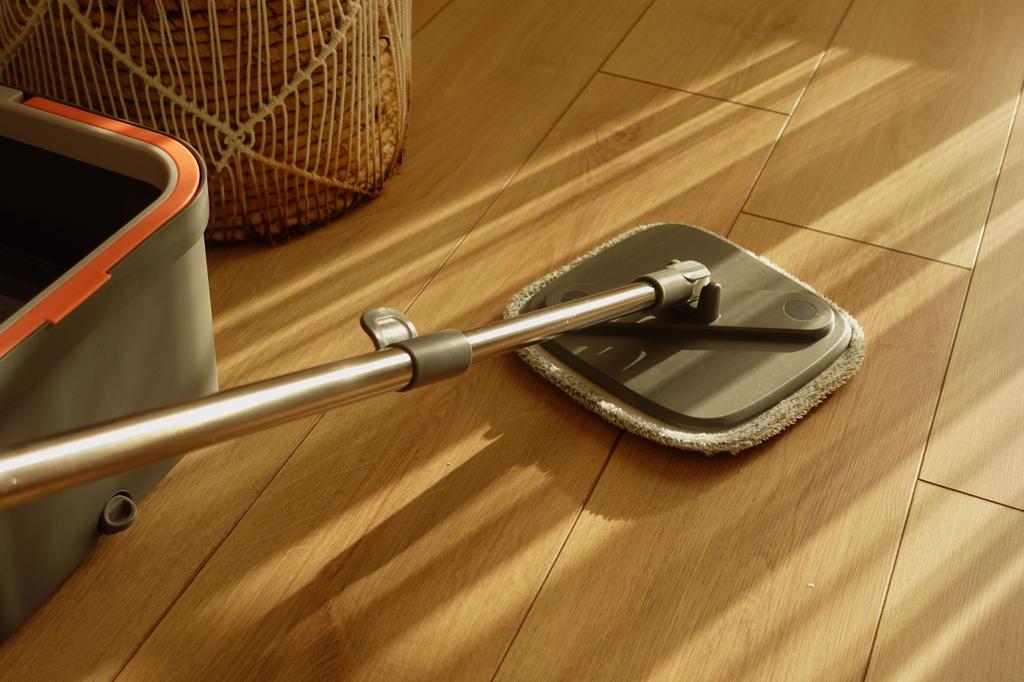
How to Clean Hardwood Floors: Simple Steps for Long-Lasting Shine
Updates & tips
The Ultimate Guide to Roof Leak Repair
Introduction Aleaking roofis more than a nuisance—it can damage insulation, framing, drywall, and even your home’s foundation if left unchecked. This guide walks you through spotting leaks early, diagnosing the cause, and fixing them effectively. Recognizing the Signs of a Roof Leak Water Stains on Ceilings or Walls – Brown rings or bubbling paint. Drips or Puddles in the Attic – Especially after rain or snow melt. Musty Odor – Persistent damp smell indicates hidden moisture. Missing or Damaged Shingles – Curling, cracked, or displaced materials. Mold Growth – Around skylights, vents, or roof valleys. Common Causes of Roof Leaks Damaged or Missing Shingles: Storms, age, or improper installation. Cracked Flashing or Sealant: Around chimneys, vents, or skylights. Clogged Gutters: Water backs up under shingles. Ice Dams: Frozen water forcing under theroofcovering. Improper Roof Slope or Poor Ventilation: Traps moisture. Safety First Work on a dry, clear day. Use a sturdy extension ladder and wear non-slip shoes. Harness and spotter recommended for steep roofs. If theroofis too steep or damage is extensive, call a professional. Temporary Emergency Fixes Tarp Cover: Secure a heavy-duty tarp over the leak until permanent repair. RoofingTape or Patch Kits: For small punctures. Bucket in the Attic: To collect dripping water and protect insulation. Preventing Future Leaks Inspectroofand attic twice a year. Clean gutters every spring and fall. Trim overhanging branches. Maintain attic ventilation and insulation. Schedule professional inspections after severe storms. When to Call a Professional Multiple leak points or widespread water damage. Roof nearing the end of its lifespan. Steep or highroofswhere DIY is unsafe. Conclusion Quick detection and promptrepairare key to preventing costly damage. With proper safety measures, small leaks can be a manageable DIY job, but don’t hesitate to hire a licensed roofer for complex issues. A well-maintained roof safeguards your home’s value and keeps you dry for years to come.
Average Cost of Bathroom Remodeling in Philadelphia: What to Expect
Remodeling a bathroom is one of the most effective ways to improve a home’s functionality, safety, and overall value. In a city like Philadelphia, where many houses are older and have unique layouts, bathroom renovations require careful planning and budgeting. Homeowners often wonder:How much should I expect to spend on a bathroom remodel in Philadelphia?The answer depends on the scope of the project, the materials you choose, and whether accessibility upgrades are part of the plan. This article explores the average costs of bathroom remodeling in Philadelphia, what factors influence pricing, and how you can make informed decisions before starting your project. Average Cost Range for Bathroom Remodeling in Philadelphia In Philadelphia, the cost of bathroom remodeling typically ranges between $10,000 and $30,000 for a mid-range project, while high-end renovations can exceed $40,000 or more. Small updates, such as replacing fixtures, repainting, or updating lighting, may fall in the $3,000 to $7,000 range. Several factors influence where your project lands on this spectrum, including the bathroom’s size, the quality of materials, labor rates, and whether structural changes are required. Factors That Influence Bathroom Remodeling Costs1. Bathroom Size and Layout The square footage of the bathroom is one of the biggest cost drivers. A half-bath or powder room requires fewer materials and less labor than a master bath with multiple fixtures. In Philadelphia’s older rowhomes, compact bathrooms may be cheaper to remodel, but unexpected plumbing or electrical updates can raise costs. 2. Material Choices Tile, countertops, and fixtures vary widely in price. For example: Ceramic tile may cost $2–$5 per square foot, while natural stone can exceed $15 per square foot. Standard vanities might be $500–$1,500, but custom cabinetry can run $3,000 or more. Your choices here can significantly change the overall budget. 3. Plumbing and Electrical Work Many Philadelphia homes have aging plumbing and wiring. Updating these systems is often necessary for safety and code compliance. Relocating plumbing fixtures such as toilets or showers also adds to the cost since it requires rerouting pipes. 4. Labor Costs Labor typically accounts for 40–60% of total remodeling expenses. Philadelphia contractors may charge between $50 and $150 per hour, depending on their expertise and the project’s complexity. 5. Accessibility and Safety Upgrades With more families planning to age in place, accessibility is a growing priority. Adding features such as walk-in showers, grab bars, or non-slip flooring increases upfront costs but provides long-term value. For instance, installing safe bathroom upgrades for aging at home (like reinforced grab bars or comfort-height toilets) ensures safety and independence for older adults. Breakdown of Typical Bathroom Remodeling Costs Here’s a rough breakdown of common expenses for a mid-range bathroom remodel in Philadelphia: Demolition and Disposal:$1,000–$3,000 Plumbing and Electrical Updates:$2,000–$6,000 Flooring:$1,500–$4,000 Cabinetry and Vanity:$2,000–$5,000 Countertops:$1,500–$3,500 Shower/Tub Installation:$3,000–$8,000 Toilet and Fixtures:$1,000–$2,500 Painting and Finishing:$500–$1,500 These numbers reflect averages, but every remodel has unique challenges that affect the final cost. Bathroom Renovations in Philadelphia: Balancing Cost and Value When planning a remodel, it’s important to balance cost with long-term value. A bathroom upgrade can improve both daily comfort and resale potential. According to Remodeling Magazine’s Cost vs. Value Report, bathroom renovations often recover 60–70% of their cost at resale. If you’re considering a project, researchingBathroom Renovations in Philadelphiacan help you understand what local homeowners are prioritizing and how much they’re investing. Hidden Costs to Watch Out For Renovations often reveal surprises, especially in historic Philadelphia homes. Some common hidden costs include: Water damage repairfrom leaks or poor ventilation. Mold remediation, which requires specialized treatment. Asbestos removalin older flooring or insulation. Permit fees, which can range from $100 to $500 depending on the project. Planning a contingency budget of10–20%of the total project cost is wise to cover these unexpected expenses. Budget-Friendly Tips for Bathroom Remodeling If you’re concerned about costs, here are a few strategies to stay within budget: Retain the existing layout:Keeping plumbing in place saves thousands. Mix high and low materials:Combine premium finishes in focal areas (like the shower) with budget-friendly options elsewhere. Refinish instead of replace:Reglazing a bathtub or repainting cabinets can refresh the space without full replacement. Prioritize safety features:Installing non-slip flooring and grab bars early prevents future costly renovations. Accessibility as a Long-Term Investment For households with seniors or people with mobility challenges, integrating accessibility features into a remodel is essential. Even if these needs aren’t immediate, preparing the bathroom for aging in place can save on future renovations. Simple features such as wider doorways, roll-in showers, and strategically placed grab bars make a bathroom safer and more functional for everyone. This aligns with practical advice found in resources likesafe bathroom upgrades for aging at home, which highlight affordable yet impactful changes. Philadelphia Trends: What Homeowners Are Choosing Recent bathroom remodeling trends in Philadelphia show a preference for: Walk-in showerswith frameless glass doors. Matte black or brushed gold fixturesfor a modern touch. Large-format tilesthat reduce grout lines and make cleaning easier. Eco-friendly upgrades, such as low-flow toilets and LED lighting. These choices may raise initial costs but add style, efficiency, and long-term value to the home. Conclusion: What to Expect When Remodeling a Bathroom in Philadelphia The average cost of bathroom remodeling in Philadelphia varies widely, from small cosmetic updates at a few thousand dollars to full-scale luxury renovations exceeding $40,000. Size, materials, plumbing, and accessibility upgrades are the key factors that shape the budget. By planning carefully, getting multiple quotes, and prioritizing both safety and long-term value, homeowners can make smart decisions that fit their needs and budget. Whether it’s upgrading fixtures, addressing structural issues, or preparing for aging in place, a well-planned remodel ensures your bathroom is functional, safe, and built to last.
The Best Whiteboard Surface For Your Environment
Whiteboards and/or dry erase board surfaces should be durable, have stain resistance including guarantees, are easy to clean and made with solid construction resulting in lower lifetime cost. Wondering what the difference is between a whiteboard and a dry erase board surface? The terms today are used interchangeably in practically all websites and major search engines. Whiteboards and Dry Erase Boards almost always refer to framed boards. Sometimes dry erase surfaces may be referring to a surface used on other non-framed substrates. The main difference for all boards no matter what you call them is the surface material and construction described below. When making your choice for the best whiteboard start with your intended use and environment. Educational settings normally include boards that are in constant use, erased often, need to made of durable construction, normally require standard sizes and may call for projection. In the case of sports teams,custom printed boardswith logo’s or replicated sports venue’s for coaching may be best. Healthcare environments require quality construction as well withcustom printsto match the communications needs for a certain room or nursing environment etc. In these situations the highest quality boards are those where the designed print is under the surface guaranteeing its protection when writing or erasing the board. Business and/or manufacturing environments may want to consider interior design, space planning, wood frame options, tough construction, use magnets for organization or planning and include custom or large sizes. These environments may need a board that has more flexibility including mobile boards and perhaps projection surfaces for production meetings, brainstorming etc. Whiteboard surface material options include proprietary hard-coats over films,melamine, porcelain and glass. Which is the best material for your whiteboard surface? Here’s a look at each dry erase material surface type: Nonporous Hard Coat Surface Nonporous hard coat surfaces stand up to heavy use, usually have a guarantee, require little maintenance, clean easily, stay white without ghosting, include the use of film and other layers all adhered to a substrate. The structure can be magnetic or non-magnetic. EVERWhite has a 9 step process all made in the USA to create the most durablewhiteboardin the industry. This process includes but not limited to; a nonporous hard coat cured to a film and if desired attached to a high gauge steel for magnetism (non-magnetic is available), a corrugated backer with additional support materials to strengthen the overall construction and framed with anodized aluminum. Combined with aguaranteed surfaceagainst ghosting this combination makes the EVERWhite surface best in class. EVERWhite also offers this award winning surface whenresurfacingold whiteboards/chalkboards or when the job calls for large whiteboard wall installations. EVERWhite also offers UltÍmatte which has a projection friendly surface and is 5’ tall to aid in projection. Melamine Dry Erase Surface Melamine boards cost the least, but require the greatest amount of regular maintenance and have short lifespans. So use of melamine boards can be more costly for a school, business, hospital or other organization in the long run. The surface of these boards is very porous, leading to staining from regular use of dry erase markers. If permanent markers are accidentally used, the ink cannot be cleaned off because it has soaked into the surface pores. Another disadvantage of melamine boards is that the material is not magnetic, so papers and posters can’t easily be displayed on them. Based on those issues, melamine boards are not the best whiteboard option for most users. If you have a stained melamine board, you can cover the surface with cut-to-size sheets of dry erase material, such as EVERWhite’s EverEZ resurfacing panels, or products from our sister company Everase such as dry erase resurfacing film. Porcelain Dry Erase Surface Porcelain boards are common, offering many advantages over melamine surfaces, but still with issues that could frustrate users. Porcelain boards are manufactured with an enamel surface with varying degrees of ink resistance. They can become stained over time with regular use depending upon the type of porcelain, and require frequent use of whiteboard cleaners. On some of these boards, removal of permanent marker ink is difficult. Most porcelain boards have steel backing so these boards are mostly available in magnetic versions. These boards have a longer life than melamine but are often heavier than Melamine boards. So if you need the quality of a non-staining surface but not magnetism, porcelain boards may not be the best option. (Non-magnetic whiteboards cost less, so if you don’t need to magnetically attach documents to a board, you might not want to pay for that magnetic feature.) Glass Surface Marker boards made of tempered glass are another option, but have limitations. Because the surface is not white, it can be difficult to view presentations made on them. It’s also difficult to take pictures of what’s written or drawn due to high reflectivity. Words and drawings on a glass board can appear less than sharp due to the very slick nature of glass surfaces. Glass marker boards can be made magnetic by adding a steel backing, but that can cause reflective problems. Because of the strength of glass, these boards do not need framing. Glass marker boards tend to be more expensive than whiteboards. They are very easy to clean. Cleaning Dry Erase Surfaces: EVERWhite boards are the simplest to clean because the patented surface is non-porous. For regular use, all that is needed is a cloth; microfiber cloths work best. For occasional cleaning, water or any standard window cleaner, such as Windex®, can be used without harming the surface. So, when you are wondering what the best whiteboard is for your needs, pay special attention to the type of surface. Shop our selection of standard magnetic and non-magnetic wall-mounted whiteboards, in aluminum and wood frames.