Prefer to talk to a pro?
Call today, and let us connect you with the perfect merchant!
Call today, and let us connect you with the perfect merchant!
About Palmersville, TN
Palmersville is a small town in Weakley County located in the state of Tennessee. The population of the town is approximately 1450 people. Palmersville was one of the first settlements in Weakley County. The one automobile dealership in Palmersville is Newtech Auot Sales. The Station House Restaurant inc and the M & G Slaughter House are two great restaurants in Palmersville. The Weakley County Bank in Palmersville closed many years ago, and now houses Palmersville Historical Society and Museum. One of the oldest structures in the community is the two story (former) Primitive Baptist Church, which now is used as a meeting place for the Masonic Lodge.
Best Businesses in Palmersville, TN

Prefer to talk to a pro?
Call today, and let us connect you with the perfect merchant!
Call today, and let us connect you with the perfect merchant!
Related articles
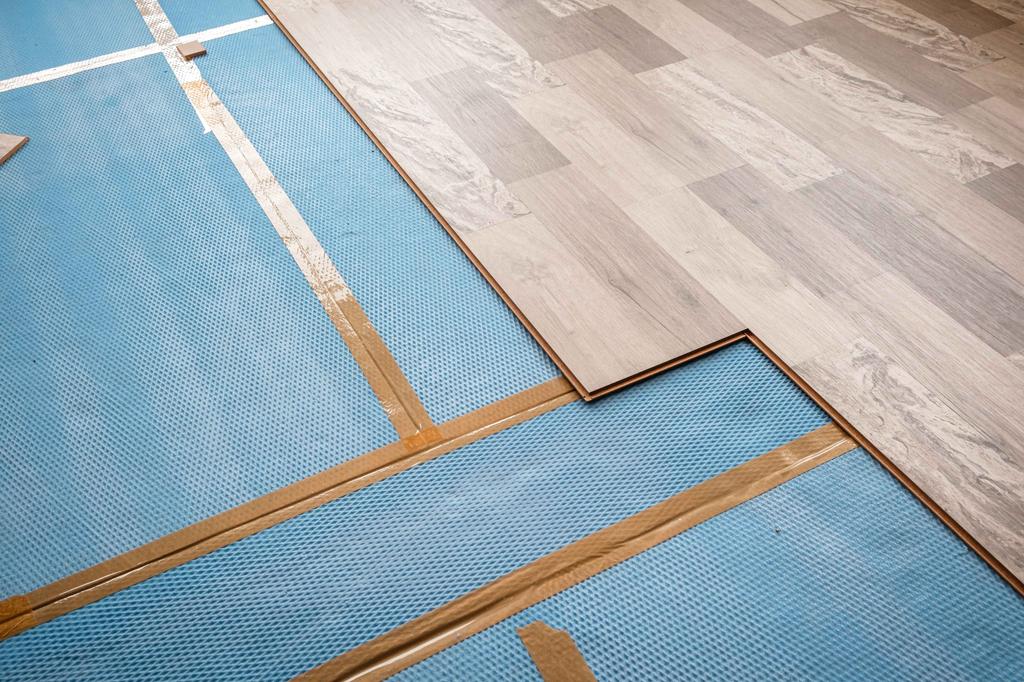
How to Fix Squeaky Floors: Easy DIY Solutions That Actually Work

Landscaping Gravel Types: Pros and Cons
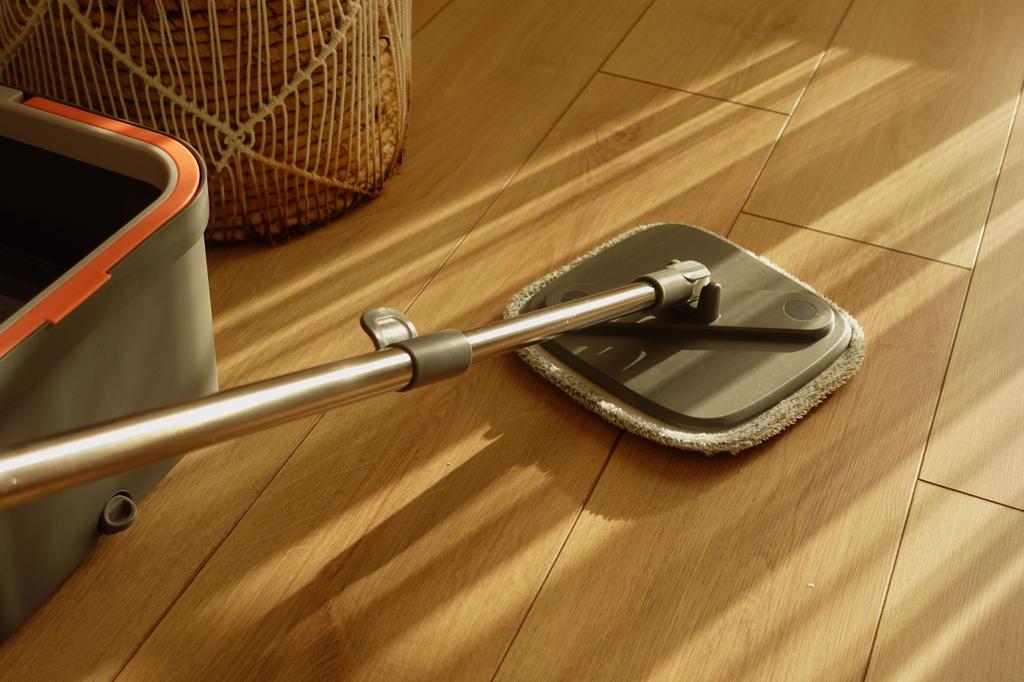
How to Clean Hardwood Floors: Simple Steps for Long-Lasting Shine
Updates & tips
What are the Best Exercises for Normal Delivery
If you’re pregnant and hoping for a smooth, normal delivery, you might be wondering what exercises can help. The good news is, that there are many safe, gentle exercises you can do during pregnancy to prepare your body for labor and delivery. These exercises strengthen your muscles, improve flexibility, and help you stay relaxed — all important for a smoother birth experience. Let’s break down the best exercises you can try and how they help. Why exercise matters during pregnancy Staying active during pregnancy offers many benefits: Stronger muscles: Helps your body handle the extra weight and physical demands of pregnancy. Better flexibility: Prepares your body for the movements needed during labor. Improved stamina: Helps you manage the intensity and length of labor. Better posture: Reduces common aches like back pain or hip pain. Lower stress: Exercise releases feel-good hormones that keep you calm. Remember, you should always check with your doctor before starting any new exercise routine, especially during pregnancy. Top exercises for a normal delivery Here are some of the best exercises that are gentle, safe, and useful for preparing your body: 1. Walking Walking is one of the simplest and safest exercises during pregnancy. It keeps you active, improves circulation, and helps with endurance. A daily 20–30 minute walk at a comfortable pace is a great habit. 2. Pelvic tilts Pelvic tilts strengthen your lower back and abdominal muscles. To do them: Lie on your back with your knees bent and feet flat (or do it on hands and knees). Gently tilt your pelvis upward, flattening your lower back against the floor or rounding your back slightly. Hold for a few seconds, then release. This helps with back pain and prepares your pelvis for labor. 3. Squats Squats help open your pelvis and strengthen your legs and pelvic floor. Stand with your feet shoulder-width apart, slowly bend your knees and lower your hips as if sitting in a chair, then rise back up. Keep your back straight and go only as low as feels comfortable. 4. Butterfly stretch This simple stretch improves flexibility in your hips and inner thighs. Sit on the floor with your feet together and knees bent out to the sides. Hold your feet and gently press your knees toward the floor. Hold for 20–30 seconds. 5. Prenatal yoga Prenatal yoga combines gentle stretching, breathing exercises, and relaxation techniques — all key for preparing your body and mind for delivery. Many women joinonline prenatal yoga classes, where trained instructors guide them through safe routines right from home. These classes focus on hip openers, breathing, and mindfulness, helping you stay calm and flexible. 6. Cat-cow stretches This yoga move helps keep your spine flexible and relieves back tension. Start on your hands and knees. Inhale as you arch your back (cow pose), lifting your head and tailbone. Exhale as you round your back (cat pose), tucking your chin and tailbone. Move slowly with your breath. 7. Kegel exercises Kegels strengthen the pelvic floor muscles, which support your uterus, bladder, and bowels. To do them: Squeeze the muscles you would use to stop urinating. Hold for a few seconds, then release. Repeat 10–15 times, several times a day. Strong pelvic floor muscles can help you push more effectively during labor and recover faster afterward. Online support makes it easy If you can’t make it to in-person classes, many providers offeronline pregnancy yoga classesthat you can follow at home. These classes are designed for different pregnancy stages and focus on safe, effective movements to get you ready for delivery. Plus, you can do them on your schedule, making it easy to fit exercise into your busy day. Important reminders Always warm up before exercising. Drink plenty of water. Stop if you feel pain, dizziness, or shortness of breath. Listen to your body and rest when needed. Final thoughts Gentle exercises during pregnancy can make a big difference in preparing your body for a smooth, normal delivery. From walking and squats to prenatal yoga and Kegels, you have plenty of safe, helpful options. Whether you join local classes or followonline pregnancy yoga classes, staying active will help you feel strong, confident, and ready for the big day. So take it slow, stay consistent, and enjoy the journey — your body (and baby) will thank you! Source :https://amazonseoservices.com/what-are-the-best-exercises-for-normal-delivery/
How to Manage Back Pain During Pregnancy
Pregnancy is an exciting time, but it also comes with a lot of changes in your body. One of the most common complaints among pregnant women is back pain. As your belly grows, your posture shifts, your muscles stretch, and your back takes on extra stress. But the good news is — there are simple and safe ways to manage back pain during pregnancy. Let’s explore some helpful tips to ease that discomfort and keep you feeling good throughout your pregnancy journey. Why does pregnancy cause back pain? Back pain during pregnancy happens for a few key reasons: Weight gain: As you gain weight, your lower back carries more load. Posture changes: Your center of gravity shifts forward, making you lean back slightly, which strains your back muscles. Hormonal changes: Pregnancy hormones like relaxin loosen the joints and ligaments, especially around your pelvis, which can affect your back support. Muscle separation: As your uterus expands, the abdominal muscles stretch and weaken, putting extra pressure on your back. The good news is that you can manage most of this discomfort with simple steps. Tip 1: Keep good posture Stand tall with your shoulders back and relaxed. Avoid slouching or leaning backward too much. When you sit, use a chair that supports your lower back, or place a small pillow behind you. If you stand for long periods, shift your weight often and rest one foot on a low stool to take pressure off your lower back. Tip 2: Try gentle exercises Gentle exercises help strengthen your back, stretch tight muscles, and improve flexibility. Many women find relief by joiningpregnancy yoga classes, which are designed specifically for pregnant bodies. These classes focus on safe stretches, balance, and breathing techniques that help ease muscle tension and improve posture. Tip 3: Watch your sleeping position As your belly grows, sleeping on your back becomes uncomfortable and can strain your lower back. Try sleeping on your side (especially your left side) with a pillow between your knees. You can also place a small pillow under your belly or behind your back for extra support. Tip 4: Wear the right shoes Skip high heels and stick to flat or low-heeled shoes with good arch support. Shoes with cushioned soles help absorb shock and reduce strain on your back. If you need extra support, consider getting shoe inserts designed for pregnancy. Tip 5: Use heat or cold Applying heat or cold to your back can help relieve soreness. A warm (not hot) heating pad or a cold pack on your lower back can soothe tight muscles and reduce pain. Always wrap the pack in a cloth and avoid putting it directly on your skin. Tip 6: Don’t be afraid to ask for help If back pain is making it hard to move, lift, or carry things, ask for help. Avoid heavy lifting, and if you must pick something up, bend at your knees and lift with your legs, not your back. Tip 7: Consider prenatal yoga If you’re looking for guided exercise near home, search forprenatal yoga classes near me. These classes are led by trained instructors who understand the unique needs of pregnant women. They can teach you safe stretches and relaxation techniques to help reduce back pain, improve balance, and keep you feeling calm and centered. When to call your doctor Mild to moderate back pain is common, but sometimes it can signal a bigger problem. Call your doctor if: The pain is severe or sudden. You have pain that comes in regular waves (this could be a sign of preterm labor). You have numbness, tingling, or weakness in your legs. You have difficulty walking. It’s always better to check in with your doctor if you’re unsure. Final thoughts Back pain during pregnancy is very common, but you don’t have to just suffer through it. With good posture, gentle exercises, supportive sleep positions, and help from pregnancy-focused classes, you can manage the discomfort and stay active. So take care of your body, stay mindful of how you move, and explore helpful resources like prenatal yoga classes. You deserve to feel as comfortable and supported as possible during this special time! Source :https://amazonseoservices.com/how-to-manage-back-pain-during-pregnancy/
How do I Deal with Morning Sickness?
Morning sickness is one of the most common pregnancy symptoms. If you’re in your first trimester and feeling nauseous, you’re not alone. Around 70% of pregnant women experience nausea, and about half also deal with vomiting. But here’s the good news—it usually fades by the end of the first trimester. And until then, there are simple ways to feel better. Let’s talk about what causes morning sickness and what you can do to manage it every day. What is morning sickness, really? Despite the name, morning sickness can happen at any time of the day—not just in the morning. It usually starts around the 6th week of pregnancy and may last until week 14. For some women, it goes on a bit longer. Doctors aren’t fully sure what causes it, but it’s linked to rising pregnancy hormones, especially hCG (human chorionic gonadotropin). A sensitive stomach, stress, or strong smells can also trigger it. Common symptoms include: Nausea with or without vomiting Feeling tired or dizzy Sensitivity to smells Trouble eating or keeping food down These symptoms can be tough—but they’re also a sign that your pregnancy hormones are rising, which usually means the pregnancy is progressing well. Simple tips to manage morning sickness Eat small, frequent meals:Don’t let your stomach go completely empty. Try eating something every 2–3 hours. Go for light, bland foods like dry toast, crackers, or plain khichdi. Start your day with a snack:Keep dry snacks like biscuits or murmura next to your bed. Eat a few bites before getting up. This helps ease that early-morning nausea. Stay hydrated:Sip water, coconut water, or lemon water throughout the day. If plain water makes you queasy, try sucking on ice cubes or adding a slice of lemon or ginger. Avoid strong smells:Certain smells—like onions, perfumes, or fried food—can make nausea worse. Try to stay in well-ventilated areas and avoid cooking if the smell bothers you. Eat what you can tolerate:Don’t stress about eating perfectly. If all you can manage is curd rice or bananas for a few days, that’s okay. Focus on keeping something down. Try ginger—it works! Ginger is known to reduce nausea. You can sip ginger tea, chew on a small piece of ginger, or add it to your meals. Some women find that ginger candies or ginger water help a lot. Just keep the quantity small, and always check with your doctor before trying anything new. Use your breath and movement to feel better Deep breathing and gentle movement can help ease nausea. When you breathe slowly and calmly, it tells your brain to relax, which can reduce queasiness. That’s why some moms look forprenatal yoga classesto help with nausea, fatigue, and stress. These classes are designed for your body during pregnancy and often include breathing exercises that calm the stomach and mind. Even gentle stretching or a short walk can boost digestion and help you feel better. Just avoid anything too intense—listen to your body. Rest when you need it Fatigue can make nausea worse. If you’re feeling low-energy, take a short nap or just lie down and close your eyes. Even 20 minutes of rest can make a big difference. Don’t feel guilty for needing more sleep. Your body is working overtime right now, and rest is part of healing. Stay mentally calm Sometimes nausea gets worse when you’re anxious or worried. Try to do small things that make you feel good—like listening to soft music, reading a light book, or watching a comforting show. Many women find comfort in meditation, journaling, or guided relaxation. If you're exploring “maternity yoga classes near me,” check if they include guided breathing or mental relaxation sessions. These classes often create a calm, supportive space that helps both physically and mentally. When to call your doctor Morning sickness is normal—but there are times when you should get medical help. Call your doctor if: You can’t keep any food or drink down You lose weight You feel dizzy or faint You’re showing signs of dehydration (dry lips, dark urine, dry skin) Your doctor may suggest safe medicines or supplements to help you manage the symptoms better. In conclusion Morning sickness is tough, but it usually doesn’t last forever. By making a few small changes—like eating often, staying hydrated, resting, and doing gentle breathing—you can manage it better. Support from prenatal yoga classes ormaternity yoga classes near mecan also bring relief. These spaces offer movement, rest, and calm—all the things your body craves right now. Hang in there. This phase will pass, and brighter, nausea-free days are coming soon. You’re doing great, and your body is doing something amazing. Source :https://amazonseoservices.com/how-do-i-deal-with-morning-sickness/