Prefer to talk to a pro?
Call today, and let us connect you with the perfect merchant!
Call today, and let us connect you with the perfect merchant!
About Big Spring, TX
Big Spring is the county seat of Howard County, Texas. It is the crossroad of U.S. Highway 87 and I-20. Teh population of Big Springs is 25,233. Popular attractions in Big Springs include the Big Spring Heritage Museum. The city has also been the site of the U.S. Hang Gliding Nationals. The economy of Big Spring is primarily based on agriculture(cotton) and petroleum refinement. The biggest schools in the area include Goliad Intermediate School and Big Spring High School. The nearest Division 1 college is Texas Tech University, 97 miles away in Lubbock TX. Some famous people from Big Spring include Green Bay Packer Bubba Franks and notable writer and scholar Larry Amhart.
Best Businesses in Big Spring, TX






Prefer to talk to a pro?
Call today, and let us connect you with the perfect merchant!
Call today, and let us connect you with the perfect merchant!
Related articles

How to Fix Squeaky Floors: Easy DIY Solutions That Actually Work

Landscaping Gravel Types: Pros and Cons
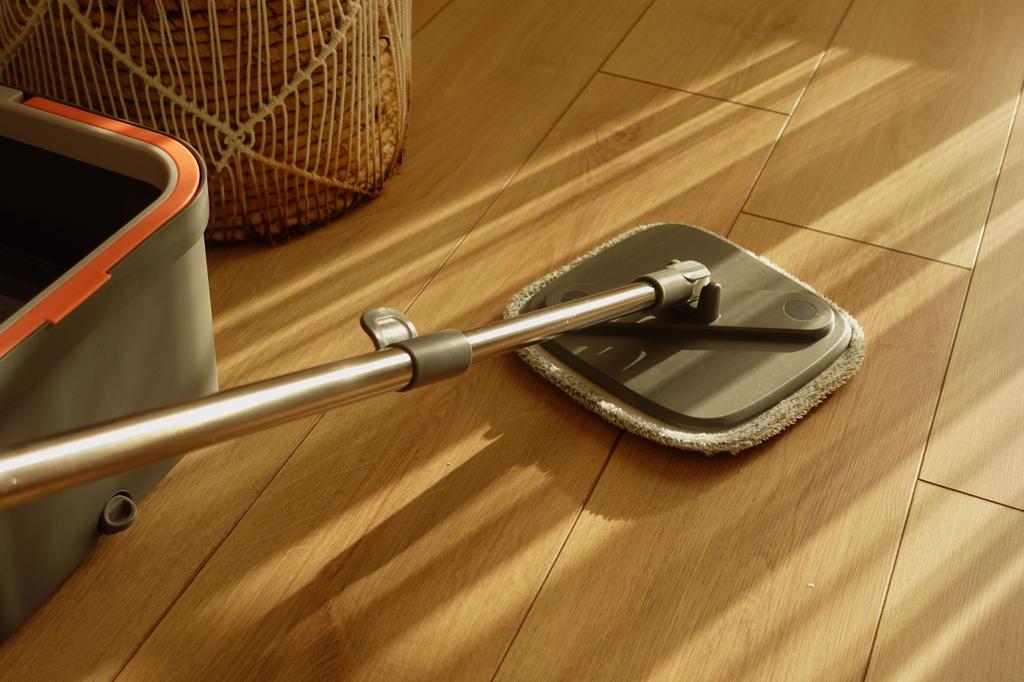
How to Clean Hardwood Floors: Simple Steps for Long-Lasting Shine
Updates & tips
The Best Barrier Gate for Driveway
Abarrier gate for driveway is no longer just an optional accessory—it has become an essential security and traffic management tool for residential homes, gated communities, commercial properties, and even private estates. Choosing the rightbarrier gate can significantly enhance security, improve convenience, and increase property value. However, with so many options available on the market, how do you know which one is the best fit for your driveway? In this guide, we'll break down the key factors you should consider when selecting the best barrier gate for driveway use. Why Install a Barrier Gate for Driveway? Before diving into the selection criteria, it's important to understand the benefits of installing a driveway barrier gate: l Enhanced Security: Prevents unauthorized vehicle entry and deters intruders. l Controlled Access: Perfect for properties with multiple vehicles or frequent visitors. l Convenience:Many models come with remote controls, RFID systems, or even smartphone apps. l Professional Appearance: Adds a modern and organized look to your property entrance. l Long-Term Value: Improves both property value and the sense of safety for residents or business owners. Key Factors to Consider When Choosing a Driveway Barrier Gate 1. Type of Barrier Arm The first step is choosing the barrier arm that best suits your driveway: l Straight Arm: Ideal for wide and open driveways with no height restrictions. l Folding Arm:Designed for low-ceiling areas like underground parking or short driveways. l Fence-Type Arm: Provides extra security by preventing pedestrians from sneaking through. l Telescopic Arm: Adjustable length for driveways with varying widths. * If you want to learn more about the different types of barrier arms, you can read our previous blog post “What are the barrier arm types” 2. Driveway Size and Space Measure the width of your driveway carefully. Barrier gates come in different arm lengths (typically 2–6 meters). If space is limited, a folding or telescopic arm is often the best choice. 3. Power Supply Options l AC-Powered Barrier Gates: Reliable and stable, suitable for homes with direct electricity supply. l DC or Solar-Powered Gates:Eco-friendly, energy-saving, and ideal for areas without consistent power access. 4. Automation & Access Control Modern barrier gates for driveways can integrate with various access systems: l Remote control or keypad access for personal homes. l RFID or card readers for gated communities. l License plate recognition systems for commercial properties. l Smartphone apps for convenient, touch-free access. 5. Security Level Required If you only need basic traffic control, a simple straight-arm barrier may be sufficient. However, for higher security environments, such as estates or corporate offices, consider fence-type or heavy-duty barrier arms with anti-collision features. 6. Durability and Weather Resistance Your driveway barrier gate will be exposed to outdoor conditions year-round. Look for: l Waterproof and rust-resistant materials (aluminum alloy, galvanized steel). l High-performance motors designed for frequent opening and closing cycles. l Temperature-resistant systems if you live in areas with extreme hot or cold weather. 7. Speed of Operation Nobody wants long waiting times. For residential driveways, a standard opening speed is usually enough. For busy commercial areas, opt for fast-opening barrier gates that reduce vehicle queues. 8. Budget and Maintenance Prices for driveway barrier gates vary depending on design, motor power, and added technology. Beyond initial costs, also consider: l Installation expenses l Maintenance needs (lubrication, motor servicing, replacement parts) l Long-term durability to ensure cost-effectiveness The Best Barrier Gate for Driveway: Our Recommendation There is no single “one-size-fits-all” answer—the best barrier gate for driveway depends on your property type and specific requirements: l For residential driveways: A standard straight arm or folding arm gate with remote access is usually the most practical. l For gated communities: An RFID-enabled or license plate recognition system ensures seamless entry for multiple vehicles. l For commercial driveways: Heavy-duty, fast-operating barrier gates with advanced access control provide maximum efficiency and security. l For eco-conscious users: Solar-powered models reduce energy costs and are environmentally friendly. Kapaisi Barrier Gate For residential driveways: Kapaisi KPS-DZ-8003 This compact barrier gate is designed with a straight or folding arm option and comes with reliable remote control access. It's quiet, efficient, and perfect for homes or small residential driveways where convenience and easy installation matter most. For gated communities: Kapaisi KPS-DZ-8003 + KPS-CP-6002 Equipped with KPS-CP-6002 license plate recognition system, it can more efficiently manage and control vehicles entering and leaving the vehicle, ideal for communities with high traffic flow. It ensures seamless entry for residents while maintaining strict security standards. For commercial driveways: Kapaisi KPS-DZ-8002 A heavy-duty, fast-operating barrier gate built for continuous use in busy commercial areas. With advanced access control integration and a high-performance motor, it can handle frequent operations without compromising durability. For eco-conscious users: Kapaisi KPS-DZ-8001 This barrier gate is equipped with solar-powered functionality, making it energy-efficient and environmentally friendly. It's the perfect solution for properties seeking sustainable driveway access control without relying on grid electricity. Final Thoughts Choosing the right barrier gate for driveway involves more than just picking a style—it's about balancing security, convenience, durability, and budget. By considering the type of barrier arm, access control features, power options, and long-term maintenance, you can ensure you select the best gate for your needs. At Kapaisi, we specialize in providing a wide range of driveway barrier gates with customizable options, OEM/ODM services, and one-stop solutions to meet your specific project requirements. Whether for residential, commercial, or industrial driveways, we can help you find the perfect fit.
What is a Barrier Gate Opener?
If you've ever driven into a parking lot and a long arm lifted smoothly to let you in, you've already met a barrier gate opener in action—though you might not have realized it. For most people, it's just “that parking gate,” but for property managers, facility owners, or anyone handling access control, the opener is actually the heart of the whole system. Let's take a closer look atwhat a barrier gate opener is, why it matters, and how to choose one that won't give you headaches later. What Exactly Is a Barrier Gate Opener? Think of the barrier gate itself as the muscle—the arm that blocks or allows vehicles. The barrier gate opener is the brain and engine combined. It's the motorized mechanism that lifts and lowers the boom arm when a vehicle needs to pass, usually after an access system (like a card swipe or license plate scanner) says, “Yes, this car is allowed.” No opener, no movement. Without it, you'd basically have a metal stick blocking traffic. What's Inside a Barrier Gate Opener? Even though the box looks simple on the outside, there's a lot going on under the hood. The main parts include: l Motor unit – does the heavy lifting (literally). l Control board – the logic system that talks to RFID readers, ticket machines, or sensors. l Connector & arm joint – transfers the motor's power to the barrier arm. l Sensors – these prevent accidents by making sure the arm doesn't crash down on a car. l Weatherproof housing – keeps rain, dust, and curious hands out. l Manual release – your backup plan when the power cuts out. Each part works together to make something that looks simple actually run very smoothly day after day. How Does a Barrier Gate Opener Work? Here's the usual sequence: 1. A vehicle approaches and “asks” for entry (swipe card, RFID tag, license plate recognition, or even a guard pressing a button). 2. The access system signals the control board inside the opener. 3. The motor spins up and raises the arm. 4. Sensors confirm the vehicle has passed safely. 5. The motor lowers the arm back into place, blocking the lane until the next vehicle arrives. The whole thing takes just a few seconds. And in high-speed models—like at toll stations—it can happen in under one second. Where You'll See Barrier Gate Openers You've probably passed by thousands of them without noticing. Common places include: l Parking garages at malls, offices, and airports l Toll booths on highways l Gated residential communities l Industrial zones and warehouses with restricted access l Event venues and stadiums (great for crowd traffic control) Basically, anywhere someone needs to say, “Cars can go here, but only if we approve.” Different Types of Barrier Gate Openers Not all openers are built the same. Some examples: l Standard barrier gate openers – the everyday workhorse you'll see at most parking lots. l High-speed models – lightning-fast arms for toll plazas and high-traffic entrances. l Heavy-duty openers – designed for oversized arms or wide roadways (think industrial sites). l Smart/IoT-enabled units – integrate with mobile apps, cloud systems, and license plate recognition. l Solar-powered openers – perfect for remote areas without reliable electricity. Why Use a Barrier Gate Opener? A few reasons they've become standard in modern access control: l Security: keep out unauthorized vehicles. l Convenience:no guard needed 24/7. l Efficiency: faster vehicle flow, less traffic backup. l Durability: designed to run thousands of cycles per day. l Integration: works with RFID, ANPR, QR code scanners, and more. l Cost savings:fewer staff required for gate management. In other words, it's cheaper, smarter, and safer than manual checks. What to Consider About Before Buying One If you're in the market for a barrier gate opener, don't just buy the first one you find online. Here are a few key factors: l Traffic flow – how many vehicles per hour? High volume means you'll want a fast opener. l Arm length – the wider your entry lane, the longer the boom arm (and the stronger the opener must be). l Opening speed – slower is fine for residential, but commercial and toll areas need quick response. l Power options – standard AC, DC brushless motors, or even solar-powered. l System compatibility – make sure it works with your existing access system. l Weather resistance – outdoor models need IP-rated casings to withstand rain, heat, or even snow. l Budget – don't just look at the upfront cost. Maintenance and repair matter too. How Much Do Barrier Gate Openers Cost? Prices vary depending on factors such as style, material, and functionality, but the approximate range is as follows: l Basic model: $300–700 l Quick opener: $800–1200 l Heavy-duty/long-arm model: Starting at $1,500 l IoT/smart system: $1,000–2,000 Please allow for installation costs and integration with the access control system. *Prices are for reference only; actual prices may vary depending on brand, material, and features. Conclusion After reading this article, you may notice that barrier gate opener actually is just another name of barrier gate, or boom barrier. Indeed barrier gate opener is mostly call in the US, and they also call by many other name in different country. If you are interested what other name they called, you can read from our blog post “What is a barrier gate”. Barrier gate openers are a crucial component of a security system, serving as the primary gatekeeper. They are highly efficient and cost-effective, eliminating the need for manual gate opening and closing (an inefficient and labor-intensive method). Barrier gate opener are not only suitable for public parking lots, but also effectively control vehicle access in corporate parks, factories, residential communities, and other settings. They enhance facility security while significantly improving access efficiency. As a device with great future application prospects, if you are not familiar with it yet, please believe me, you will in the future.
What is an RFID Boom Barrier?
Have you ever driven into a residential community, an office parking lot, or a toll plaza and noticed that the barrier just magically lifts for some cars—while others have to stop and wait? That's not magic. It's technology. More specifically, it's anRFID boom barrier at work. Are you interested in RFID boom barrier? Want to know what it is, how it works, and what benefits it has? After reading this article, you will have a more comprehensive understanding of it and clear up your doubts. What Exactly is an RFID Boom Barrier? In simple words, an RFIDboom barrier is a gate with a boom arm that uses Radio Frequency Identification (RFID) technology to decide who gets in and who doesn't. Instead of arranging security guards to stop every car and check IDs or parking tickets, the RFID system can read the tiny RFID tag placed on your vehicle—usually on the windshield—and automatically lift the barrier if you're authorized. It is contactless, more efficient, and more convenient—don’t you think? How Does It Work? Let's say you live in an apartment complex that uses an RFID boom barrier. Here's what happens when you pull up to the gate: 1. Your Car Has an RFID Tag – Think of it like a digital “access card” stuck on your windshield. 2. The Reader Spots You – As you approach, the RFID reader scans your tag. 3. Quick Check in the System – The system matches your tag with its database. 4. Barrier Goes Up– If you're approved, the boom arm lifts automatically. 5. Barrier Stays Down – If the system doesn't recognize your tag, you'll have to stop. You don't roll down your window, you don't hand over a card, and you definitely don't wait in long lines. The process takes just seconds. Why Are RFID Boom Barriers Getting Popular? Here's the thing: once people experience an RFID boom barrier, they rarely want to go back to old-school gates. Here are a few reasons why: l Smooth Flow of Vehicles – No more traffic jams at entry and exit points. l Better Security – Only registered vehicles can get in. Outsiders? No chance. l Less Human Involvement– You don't need multiple guards checking cars. l Automatic Records – Every entry and exit is logged—super useful for tracking. l Contactless Access – No touching buttons or tickets, which is especially helpful in today's world. Where Do You See RFID Boom Barriers in Action? Chances are, you've already used an RFID boom barrier without realizing it. They're everywhere: l Residential Apartments & Gated Communities – Residents get instant access, while visitors are checked separately. l Office Buildings & Corporate Campuses – Ensures only staff and authorized vehicles can enter. l Parking Lots – Speeds up the process, especially in high-traffic areas. l Airports & Metro Stations – Controls entry to restricted zones. l Toll Plazas – Vehicles pass through quickly without manual payments. If you've ever breezed past a toll gate while others were stuck fishing for cash, thank RFID technology for that. RFID Boom Barrier vs. Traditional Barriers: Which Wins? Let’s play a quick comparison game: Feature Traditional Barrier RFID Boom Barrier Speed Slow, manual checks Fast, automated Security Medium High Records Often missing Automatic logs Contactless? Nope Yes Staff Needed Always Minimal It's clear why so many places are switching to RFID-based systems. They save time, increase safety, and make the whole experience smoother. Thinking of Installing One? Here's What to Consider If you're managing a property, you might be wondering: “Should I get an RFID boom barrier for my place?” Here are some things to keep in mind: l Traffic Volume – Do you need it for a small apartment or a busy toll road? l Boom Arm Size – Choose the right length for your entry lanes. l Integration – Does it need to connect with other systems, like license plate recognition or parking software? l Durability – Outdoor barriers should be weather-resistant. l Supplier Support – Pick a reliable manufacturer with after-sales service. What's Next for RFID Boom Barriers? Technology doesn't stand still, and neither do RFID boom barriers. In the near future, expect to see: l Integration with mobile apps (open the gate straight from your phone). l Smarter systems that combine AI and IoT for predictive security. l Faster, more accurate RFID readers. l Seamless link-ups with ANPR (Automatic Number Plate Recognition) cameras. Basically, we're looking at even more convenience and smarter security. Final Thoughts So we know that RFID boom barrier actually is a boom barrier connect with a RFID system, make it a smarter, faster, and safer way to manage vehicle access. It's clear a more efficient and save manpower way for vehicle access control, Whether for apartment, office, or commercial parking lot, this system takes away the hassle of manual checks and replaces it with seamless automation. So the next time you glide past a gate without stopping, you'll know the secret: it's the RFID boom barrier doing all the work for you.