Prefer to talk to a pro?
Call today, and let us connect you with the perfect merchant!
Call today, and let us connect you with the perfect merchant!
About Tolar, TX
Tolar is a large urban establishment that is located within the county of Hood in Texas. Major attractions for the Tolar area include the Rattler Pit Stadium and the Dinosaur Valley Park Store. Tolar is known for being included in the Granbury, Texas Micropolitan Statistical Area. Among the biggest companies in Tolar are Lone Star Accessibility and The Gathering Place. The biggest schools to be found within the Tolar region are the Tolar High School and the Tolar Junior High School. One of the best places to visit when you are in the Tolar locale is the Starr Hollow Golf Club.
Best Businesses in Tolar, TX






Prefer to talk to a pro?
Call today, and let us connect you with the perfect merchant!
Call today, and let us connect you with the perfect merchant!
Related articles

How to Fix Squeaky Floors: Easy DIY Solutions That Actually Work

Landscaping Gravel Types: Pros and Cons
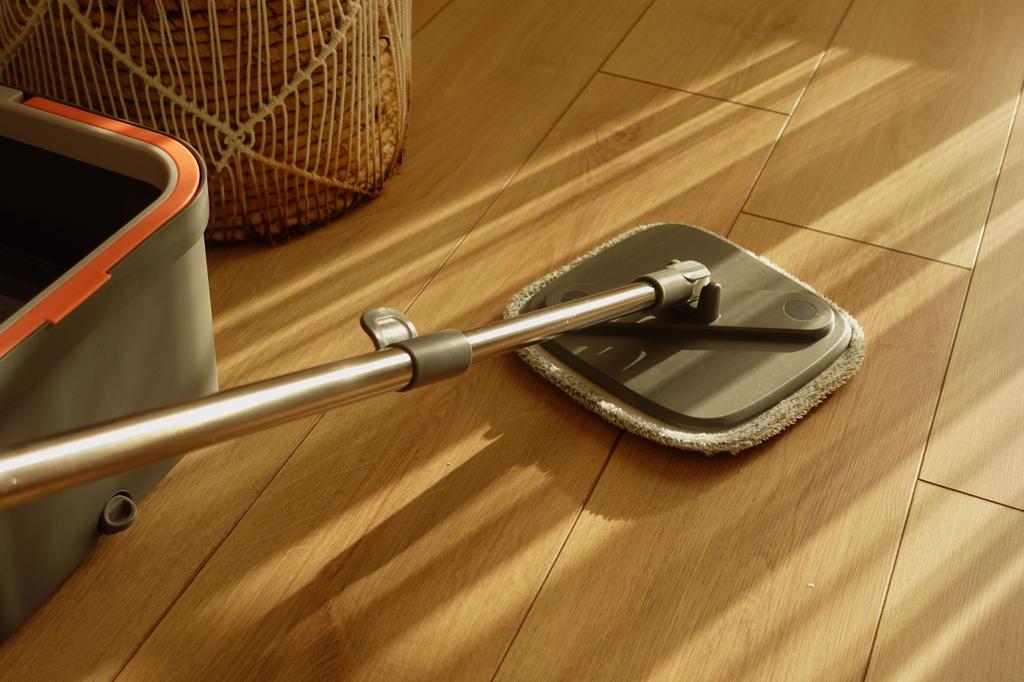
How to Clean Hardwood Floors: Simple Steps for Long-Lasting Shine
Updates & tips
10 Signs You Need a Plumbing Upgrade in Your Home
Your home’s plumbing system plays a crucial role in daily comfort, but as time goes by, it may start showing signs of wear that require attention. Many homeowners overlook small plumbing issues that, if left unaddressed, can lead to more severe and costly problems down the road. Knowing when it’s time for an upgrade can save you time, stress, and repair costs. If you're noticing persistent issues, consulting a professional Plombier Saint Jean sur Richelieu can help assess and upgrade your plumbing system efficiently. Here are ten signs indicating it might be time for a plumbing upgrade in your home. 1. Low Water Pressure Low water pressure in your home can be frustrating and usually points to underlying issues such as sediment buildup, leaks, or corroded pipes. Upgrading your plumbing system can restore optimal water flow and improve your daily routines. Tip: Check if low water pressure affects only one fixture or the entire house. Widespread low pressure often requires a comprehensive system upgrade. 2. Frequent Leaks A minor leak might seem like a small inconvenience, but recurring leaks indicate that your pipes are aging or deteriorating. Regular leaks can lead to structural damage and mold growth, making it essential to consider an upgrade. Tip: Address leaks promptly, as even small drips can escalate and cause water damage. 3. Rusty or Discolored Water If your tap water appears rusty or has a brown tint, it’s likely due to corroded pipes. Rust can not only affect water quality but also shorten the lifespan of your plumbing fixtures. Newer pipes made from corrosion-resistant materials can resolve this issue. Tip: If only hot water appears discolored, it could indicate an issue with your water heater. 4. Consistently Clogged Drains Occasional clogs are normal, but if your drains frequently get blocked, it’s often a sign of underlying issues. Old pipes can accumulate buildup that standard drain cleaners won’t solve. An upgrade to newer, smoother pipes can improve drainage. Tip: Avoid harsh chemical drain cleaners, as they can damage pipes over time. A plumber can provide more effective, lasting solutions. 5. Unpleasant Odors Persistent foul odors emanating from your drains can signal problems within your pipes or sewer line. These smells often indicate blockages, leaks, or damage in your sewer line that may require a system upgrade. Tip: Regular drain cleaning and inspections can help identify and prevent odor issues. 6. Water Stains or Damp Walls If you notice damp spots or water stains on your walls or ceilings, it’s often due to hidden leaks. Aging pipes are prone to developing cracks, leading to slow leaks and moisture damage over time. Upgrading to more durable piping can prevent this from worsening. Tip: Check regularly around fixtures, under sinks, and on walls near plumbing for any signs of water damage. 7. Outdated Pipes If your home was built before the 1980s and still has its original pipes, it’s likely time for an upgrade. Older homes often have galvanized steel or polybutylene pipes, which are prone to corrosion and leaks. Upgrading to modern piping materials like PEX or copper ensures safer, longer-lasting plumbing. Tip: Have a professional inspect the material and condition of your pipes to confirm if a replacement is necessary. 8. High Water Bills An unexpected increase in your water bill could indicate a hidden leak or inefficiency in your plumbing. Upgrading your system can help you avoid wasting water and lower your monthly costs by installing more efficient fixtures and addressing any leaks. Tip: Regularly monitor your water bills to catch potential issues early on. 9. Slow Draining Sinks and Showers If your sinks and showers are draining more slowly than usual, it could indicate buildup or pipe deterioration. Older pipes accumulate minerals and debris that restrict water flow over time, signaling that it’s time for a replacement. Tip: Scheduling regular pipe inspections can help catch these issues before they require full replacements. 10. Constant Need for Repairs If you’re frequently calling a plumber to fix issues, it may be more cost-effective to invest in an upgrade. Repeated repairs are a clear sign that your plumbing system is reaching the end of its lifespan. A comprehensive upgrade can save you money and reduce the stress of unexpected repairs. Tip: Track the frequency and cost of repairs; if they’re becoming too frequent, an upgrade may be a wise investment. Conclusion Upgrading your plumbing system may seem like a big project, but it can significantly improve your home’s functionality, safety, and water efficiency. Recognizing these signs early can help prevent more extensive and costly damage down the line. For homeowners in the Saint Jean sur Richelieu area, consulting a skilled Plombier Sorel-Tracy can make the upgrade process smooth and ensure your system meets modern standards. Don’t wait until a minor issue becomes a major expense—keep an eye out for these signs and consider a plumbing upgrade to keep your home running efficiently and safely.
Plomberie d'urgence 101 : Que faire avant l'arrivée du plombier
Les urgences en matière de plomberie peuvent survenir à tout moment, souvent au moment où on s’y attend le moins. Savoir comment gérer la situation peut éviter d’autres dégâts et réduire le stress jusqu’à l’arrivée des secours. En attendant un professionnel, vous pouvez prendre certaines mesures clés pour gérer le problème en toute sécurité. Pour les services d’urgence experts,Plombier La Prairiefournit une assistance fiable pour vous aider à restaurer votre plomberie le plus rapidement possible. 1. Coupez l'alimentation en eau L’une des premières étapes en cas d’urgence en matière de plomberie consiste à arrêter l’écoulement de l’eau. Pour des problèmes localisés, comme un robinet qui fuit ou des toilettes qui coulent, recherchez et fermez le robinet d'arrêt d'eau le plus proche de l'appareil. En cas de fuites ou d’éclatements graves, localisez le robinet d’eau principal de votre maison et fermez-le pour empêcher l’eau de pénétrer complètement dans votre maison. 2. Éteignez le chauffe-eau Si l'urgence implique une fuite importante ou un éclatement de tuyau, éteignez le chauffe-eau pour éviter une surchauffe ou une accumulation de pression à l'intérieur du réservoir. Ceci est particulièrement important si vous avez coupé l’alimentation principale en eau. Localisez le robinet d'arrêt ou l'interrupteur du chauffe-eau, généralement situé à proximité de l'appareil, et éteignez-le jusqu'à l'arrivée du plombier. 3. Égoutter l’excès d’eau Drainer l’excès d’eau des tuyaux peut aider à soulager la pression et à prévenir d’autres fuites. Après avoir fermé le robinet d'eau principal, ouvrez tous les robinets et tirez la chasse d'eau pour évacuer l'eau restante dans les tuyaux. Cette étape peut minimiser les dégâts d’eau et permettre au plombier d’évaluer plus facilement la situation une fois arrivé. 4. Contenir la fuite Si de l’eau s’échappe d’un tuyau, essayez de la contenir autant que possible pour éviter qu’elle ne se propage et ne cause des dommages supplémentaires. Placez des seaux ou des serviettes autour de la fuite pour absorber l'eau et éviter les inondations dans la zone. Vous pouvez également utiliser du ruban adhésif ou un collier de serrage comme mesure temporaire pour réduire le débit d'eau d'un tuyau fissuré. 5. Vérifiez les risques électriques Dans les cas où de l'eau s'est répandue à proximité de prises électriques ou d'appareils, coupez l'alimentation de la zone concernée au niveau du disjoncteur. L’eau et l’électricité sont une combinaison dangereuse, alors soyez toujours prudent et évitez de pénétrer dans l’eau stagnante à proximité de sources électriques. 6. Utilisez des correctifs temporaires pour les petites fuites Pour les petites fuites, vous pourrez peut-être utiliser quelques solutions temporaires pour gérer le problème jusqu'à l'arrivée d'un plombier : Ruban adhésif pour tuyaux: Enrouler du ruban adhésif étanche autour de la zone affectée peut créer un joint temporaire. Mastic pour tuyaux: Ce mastic malléable peut aider à sceller les petites fissures ou fuites sur les tuyaux jusqu'à ce qu'elles puissent être correctement réparées. Gardez à l’esprit que ces solutions ne sont que temporaires et ne doivent pas remplacer les réparations professionnelles. 7. Supprimer les objets de valeur de la zone Si l'urgence de plomberie a provoqué une inondation ou une accumulation d'eau, éloignez tous les objets de valeur ou sensibles, tels que les appareils électroniques ou les meubles, de la zone pour éviter les dégâts d'eau. Utilisez des serviettes ou des revêtements imperméables pour protéger les objets qui ne peuvent pas être déplacés facilement. 8. Gardez un chemin clair pour le plombier Lorsqu’un plombier arrive, il aura besoin d’un accès rapide et facile à la zone à problèmes. Éliminez tous les objets ou encombrements autour de l'urgence de plomberie afin que le plombier puisse évaluer et résoudre le problème rapidement. Cela peut faire gagner du temps et permettre un processus de réparation plus fluide. Se préparer aux futures urgences Prendre des mesures préventives dès maintenant peut aider à éviter davantage d’urgences de plomberie à l’avenir. Voici quelques mesures simples : Inspecter régulièrement la plomberie: Vérifiez régulièrement les signes d'usure, de rouille ou de petites fuites pour détecter rapidement les problèmes potentiels. Connaissez vos vannes d'arrêt: Familiarisez-vous avec l'emplacement de votre vanne d'eau principale, de l'arrêt du chauffe-eau et de toute autre commande de plomberie essentielle. Gardez les fournitures d’urgence à portée de main: Avoir du ruban adhésif étanche, une clé, des seaux et des serviettes à portée de main peut vous aider à résoudre les problèmes mineurs de plomberie. Quand appeler un professionnel Bien que ces étapes puissent aider à gérer une urgence de plomberie, contacter un professionnel est essentiel pour une solution permanente.Plombier Magogest là pour fournir des services de plomberie d’urgence rapides et efficaces, garantissant que la plomberie de votre maison est restaurée de manière sûre et efficace. En suivant ces étapes, vous pouvez minimiser les dommages et rester en sécurité en cas d’urgence de plomberie. N’oubliez pas qu’une action rapide et une assistance professionnelle sont essentielles pour résoudre efficacement tout problème de plomberie.
Plombier Cowansville
Water Pressure Issues: Causes and Solutions Experiencing low or inconsistent water pressure can be frustrating, whether it affects your shower, faucets, or the overall water supply in your home. Water pressure issues can stem from a variety of causes, ranging from simple clogs to more complex plumbing problems. Understanding the root of the issue can help you find the right solution and restore normal water flow. If you’re dealing with persistent water pressure problems, Plombier Cowansville is here to help with expert diagnosis and repair services. At Plombier Cowansville, we specialize in resolving water pressure issues, ensuring that your plumbing system operates at its best. Here are some common causes of water pressure problems and their solutions: 1. Clogged Pipes or Fixtures Cause: Mineral buildup, debris, or corrosion inside pipes can restrict water flow, leading to reduced pressure. Faucet aerators and showerheads can also become clogged with mineral deposits over time. Solution: Clean or replace clogged fixtures. In more severe cases, pipe descaling or replacement may be needed to restore proper water flow. 2. Leaks in the Plumbing System Cause: Undetected leaks in your pipes can significantly reduce water pressure. Even small leaks divert water away from where it’s needed, affecting the overall pressure in your home. Solution: Check for signs of leaks, such as damp spots or unexplained increases in your water bill. For professional leak detection and repairs, call Plombier Cowansville to prevent further damage and restore water pressure. 3. Corroded or Old Pipes Cause: Older homes with aging plumbing systems, particularly those with galvanized steel or iron pipes, are prone to corrosion. Corroded pipes reduce the diameter of the waterway, causing low pressure. Solution: If corrosion is severe, replacing old pipes with newer materials like PEX or copper is often the best long-term solution. 4. Faulty Pressure Regulator Cause: The pressure regulator (if your home has one) controls the water pressure entering your home. If it malfunctions, it can cause either excessively high or low pressure. Solution: A professional plumber can test the pressure regulator and replace it if necessary to ensure consistent water pressure. 5. Municipal Water Supply Issues Cause: Sometimes, water pressure problems are due to issues with the local municipal water supply. Construction, maintenance, or high demand in your area can temporarily reduce water pressure. Solution: Contact your local water provider to see if they are experiencing issues. If the problem is external, it should resolve once the water supply is back to normal. 6. Partially Closed Valves Cause: If the main shutoff valve or water meter valve is not fully open, it can restrict water flow, resulting in low pressure throughout the home. Solution: Ensure that both the main shutoff valve and the water meter valve are fully open to allow maximum water flow into your home. 7. Water Heater Issues Cause: If the water pressure issue only occurs with hot water, the problem could be with your water heater. Sediment buildup in the heater or problems with the hot water line can reduce pressure. Solution: Flushing the water heater to remove sediment may solve the problem. If not, have a professional inspect your water heater and plumbing system for any additional issues. If you’re experiencing low water pressure or other plumbing issues, don’t hesitate to contact Plombier Cowansville andPlomberie Deux-Montagnes for fast and effective solutions. We’ll identify the cause and provide the necessary repairs to get your water pressure back to optimal levels. Reach out today for expert plumbing services!