Prefer to talk to a pro?
Call today, and let us connect you with the perfect merchant!
Call today, and let us connect you with the perfect merchant!
About American Fork, UT
American Fork is a part of Utah County area of Utah known for its location at the base of Mount Timpanogos and for the American Fork River which runs through the town. Major attractions include Timpanogos Cave National Monument and Mount Timpanogos. Each year in July enjoy Steel Days. Among the biggest companies in American Fork are Bank of American Fork and JackMorris Company. The biggest schools here Provo College and Mountainland Applied Technology College. One of the best places to visit when you are in American Fork is Tri City Golf Course. Famous persons from American Fork include Governor of Utah Gary Herbert. The movie The Sandlot's carnival scene was filmed in American Fork.
Best Businesses in American Fork, UT





Prefer to talk to a pro?
Call today, and let us connect you with the perfect merchant!
Call today, and let us connect you with the perfect merchant!
Related articles
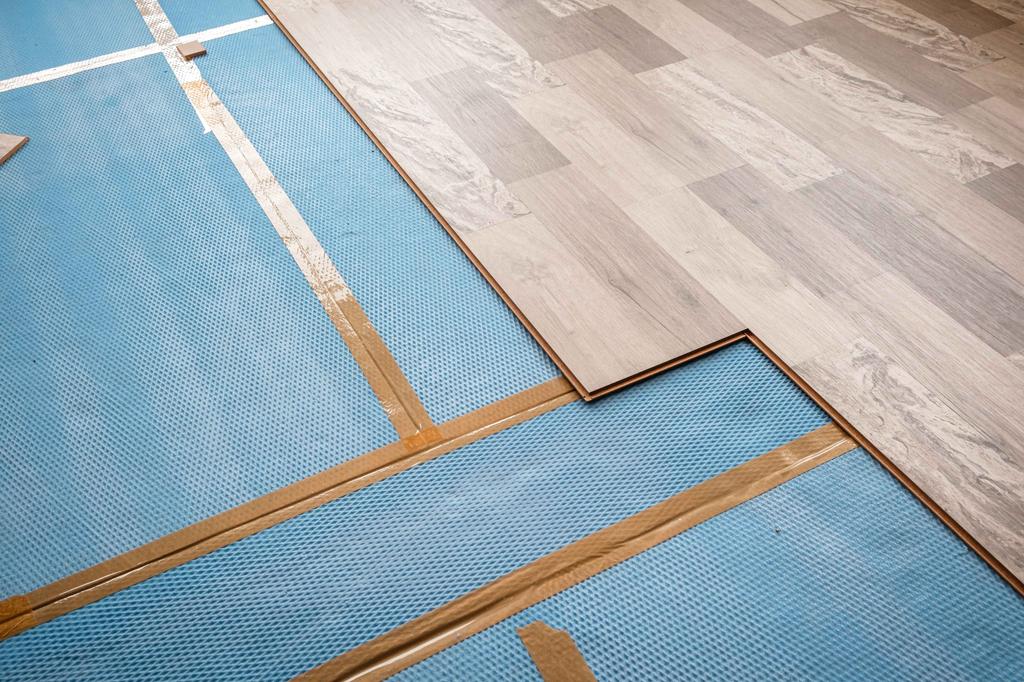
How to Fix Squeaky Floors: Easy DIY Solutions That Actually Work
Landscaping Gravel Types: Pros and Cons
How to Clean Hardwood Floors: Simple Steps for Long-Lasting Shine
Updates & tips
Understanding Safe and Effective Acne Scar Removal Options in Utah
Acne can leave more than just temporary blemishes—it often results in lingering scars that affect self-confidence and skin health. For residents in Utah, exploring safe and effective acne scar removal options is crucial to achieving smooth, clear skin. With advances in dermatology and cosmetic procedures, there are now multiple treatment approaches that cater to various skin types and scar severities, ensuring results are both safe and lasting. Types of Acne Scars Before exploring treatment options, it’s important to understand the types of acne scars. The most common include: 1. Atrophic Scars – These are depressions in the skin, often appearing as ice-pick, boxcar, or rolling scars. They occur when the skin fails to produce enough collagen during the healing process. 2. Hypertrophic Scars – Raised scars caused by excess collagen formation. They can be firm and may grow larger than the original acne lesion. 3. Post-Inflammatory Hyperpigmentation (PIH) – Dark spots left behind after acne heals. While not technically scars, they can affect skin tone and appearance. Identifying the type of scar is essential, as each responds differently to treatments. Non-Invasive Treatments For mild to moderate acne scarring, non-invasive options are often the first line of treatment. These include: ● Chemical Peels: Using carefully formulated acids, chemical peels exfoliate the top layers of skin, reducing discoloration and promoting new skin growth. ● Microneedling: Tiny needles create controlled micro-injuries that stimulate collagen production, improving skin texture and reducing the appearance of depressed scars. ● Laser Therapy: Fractional lasers or non-ablative lasers target damaged skin, promoting collagen remodeling while leaving surrounding tissue intact. These treatments typically require multiple sessions for optimal results and are effective for improving both texture and pigmentation. Minimally Invasive Options For more pronounced or stubborn scars, dermatologists may recommend minimally invasive procedures: ● Dermal Fillers: Injectable fillers can lift depressed scars, creating a smoother skin surface. The results are often immediate, though temporary, requiring maintenance treatments. ● Subcision: This procedure involves inserting a small needle under the skin to release fibrous bands that tether scars downward. When combined with other treatments like microneedling or fillers, results can be significantly improved. ● Punch Excision or Grafting: For deep ice-pick scars, dermatologists may surgically remove the scar tissue and either close it with stitches or graft healthy skin from another area. These procedures are performed under medical supervision to ensure safety and minimize the risk of complications. Skincare and Maintenance Even after professional treatments, proper skincare is essential to maintain results. Gentle cleansing, regular use of sunscreen, and incorporating products with ingredients like retinoids or vitamin C can support skin regeneration and prevent further scarring. Avoiding picking or squeezing active acne lesions is also crucial to minimize the formation of new scars. Choosing a Qualified Provider in Utah Selecting a skilled and licensed dermatologist or cosmetic specialist is one of the most important steps in acne scar removal. Look for providers with experience in treating all types of scars, access to advanced technologies, and a track record of successful patient outcomes. A personalized consultation can help determine the best combination of treatments for your skin type and scar severity. Conclusion Acne scar removal in Utahoffers a variety of safe and effective options for individuals seeking to restore smooth, healthy-looking skin. From non-invasive treatments like chemical peels and microneedling to more advanced procedures such as dermal fillers or laser therapy, there are solutions tailored to every need. Coupled with a strong skincare routine and professional guidance, these treatments can significantly improve skin appearance and boost confidence. For anyone struggling with persistent acne scars, consulting a licensed specialist is the first step toward achieving lasting results and healthier skin.
Reveal Clearer Skin with Acne Scar Removal Treatments Nearby
Acne is one of the most common skin conditions affecting people of all ages. While breakouts can be frustrating, the lingering scars they leave behind often have a lasting impact — both on your skin and your self-confidence. Fortunately, modern dermatology offers several effective treatments designed to fade acne scars and help you achieve smoother, clearer skin. If you’ve been searching for solutions to regain your glow and reduce the appearance of scars, exploringacne scar removal treatments nearby could be your next best step. Understanding Acne Scars: What Causes Them? Acne scars are the result of inflammation within the dermis that damages the skin tissue. When a breakout penetrates deeply into the skin, it destroys healthy skin cells. As the acne heals, your body tries to repair the damage, but the healing process isn't always perfect. This can lead to the formation of: ● Atrophic scars (depressed scars), such as ice pick, boxcar, and rolling scars ● Hypertrophic scars (raised scars), which are more common in body acne ● Post-inflammatory hyperpigmentation, which leaves behind dark spots Each type of scar may respond differently to treatment, so understanding the specific scarring pattern is key to choosing the right option. Popular Acne Scar Removal Treatments Advancements in skin care and dermatology mean that acne scars don’t have to be permanent. Here are some of the most effective professional treatments available today: 1. Laser Resurfacing Laser treatments, such as fractional CO2 lasers or erbium lasers, work by removing damaged skin layers and stimulating collagen production. This helps smooth out depressed scars and improve overall skin texture. Downtime varies depending on the depth of the treatment, but results can be long-lasting with proper care. 2. Microneedling Microneedling involves using tiny needles to create controlled micro-injuries in the skin. This process triggers the body’s natural healing response and promotes collagen production. When combined with serums or platelet-rich plasma (PRP), microneedling can be especially effective for reducing acne scarring and evening out skin tone. 3. Chemical Peels Chemical peels use acids (like glycolic, salicylic, or TCA) to exfoliate the top layers of the skin. For those with mild to moderate scarring, peels can fade discoloration and smooth out the skin’s surface over a series of sessions. This treatment is often used in conjunction with other procedures for enhanced results. 4. Dermal Fillers In cases of deep, indented scars, dermal fillers can be used to temporarily lift the skin and create a smoother appearance. Though not permanent, fillers offer immediate improvement and can be a good solution for special occasions or as part of a long-term skin plan. 5. Subcision Subcision is a minor surgical procedure where a dermatologist inserts a needle beneath the skin to break up fibrous scar tissue. This helps release the depressed area and promotes healing from within. It’s often combined with microneedling or fillers for optimal results. Finding the Right Treatment Nearby With so many options available, choosing the right treatment often comes down to your specific skin type, scar severity, and budget. A consultation with a board-certified dermatologist or licensed medical aesthetician is essential. They’ll evaluate your skin, recommend the most suitable treatments, and tailor a plan just for you. For convenience and consistency in care, many people start by looking upacne scar removal near me to find reputable local clinics. This approach not only saves time but allows you to build a relationship with a trusted skincare professional. Final Thoughts You don’t have to live with the scars of your past breakouts. Thanks to modern treatments, revealing clearer, smoother skin is more achievable than ever. Whether you opt for laser therapy, microneedling, or a combination of methods, investing in your skin can lead to renewed confidence and lasting results. Start your journey today by consulting a local expert — clearer skin is just around the corner.
Revitalize Your Skin: Top Laser Resurfacing Clinics Near You
In today’s fast-paced world, glowing, youthful skin isn’t just a luxury—it’s a confidence booster. Whether you're dealing with acne scars, sun damage, wrinkles, or uneven texture, laser skin resurfacing is a powerful solution that can dramatically improve your complexion. But with so many clinics claiming to offer the best services, finding a reputable provider near you can be overwhelming. This guide will walk you through the benefits of laser resurfacing and help you identify what makes a clinic truly top-tier. What is Laser Skin Resurfacing? Laser skin resurfacing is a non-invasive cosmetic procedure that uses focused beams of light to remove damaged skin layers. This process promotes the natural healing response, stimulating the growth of new, healthier skin. The result? A smoother, brighter, and more even-toned complexion. Depending on your skin concerns, different types of lasers—ablative and non-ablative—can be used. Ablative lasers are more aggressive and deliver more dramatic results, while non-ablative lasers require less downtime and are suitable for mild skin imperfections. Benefits of Laser Skin Resurfacing Before diving into how to choose the right clinic, it’s important to understand why this procedure is so popular: ● Reduces Fine Lines and Wrinkles: Particularly around the eyes and mouth. ● Fades Acne Scars and Blemishes: Helps smooth out uneven skin texture caused by scarring. ● Evens Out Skin Tone: Great for treating hyperpigmentation and sunspots. ● Boosts Collagen Production: Encourages tighter, firmer skin over time. ● Minimal Downtime: Most patients resume normal activities within a few days. What to Look for in a Laser Resurfacing Clinic With the demand for laser treatments on the rise, clinics are popping up in nearly every neighborhood. But not all providers are created equal. Here’s how to find a clinic you can trust: 1. Board-Certified Professionals Ensure the clinic is staffed by board-certified dermatologists or licensed medical professionals. This certification guarantees that the provider has the necessary training and experience to perform the procedure safely. 2. Advanced Equipment Technology plays a major role in treatment outcomes. Look for clinics that use FDA-approved, state-of-the-art laser systems. These tools are more precise, effective, and safer for various skin tones and conditions. 3. Customized Treatment Plans Every person’s skin is unique. A reputable clinic will perform a thorough consultation, evaluate your skin type and concerns, and recommend a personalized treatment plan—not a one-size-fits-all approach. 4. Before-and-After Portfolio Visual proof of success can go a long way. Ask to see before-and-after photos of real patients who’ve undergone similar treatments. This will help set realistic expectations for your own results. 5. Positive Reviews and Ratings Customer reviews are invaluable. Search for “laser skin resurfacing near me” on Google or Yelp and check out what others are saying. A high rating and positive testimonials are strong indicators of a trustworthy clinic. Recovery and Aftercare Laser resurfacing isn’t a lunchtime procedure—you’ll need a few days of downtime, depending on the intensity of the treatment. Common side effects include redness, peeling, and mild swelling. Post-treatment care is crucial and typically involves: ● Avoiding direct sun exposure ● Using a gentle, hydrating cleanser ● Applying a medical-grade moisturizer ● Following your provider’s recovery instructions closely Final Thoughts Your skin is your body’s largest organ and deserves the best care. Laser skin resurfacing is a transformative treatment that can help you reclaim a radiant complexion—but only when done by skilled hands using the right equipment. If you’re ready to begin your skincare journey, start by searching“laser skin resurfacing near me” and shortlist clinics based on their credentials, reviews, and technology. A healthier, more confident you could be just one appointment away.