Prefer to talk to a pro?
Call today, and let us connect you with the perfect merchant!
Call today, and let us connect you with the perfect merchant!
About Ashland, VA
The town of Ashland, named for Henry Clay's estate in Kentucky, is located in Hanover County, Virginia, in the Richmond metro area and is known as a college town affectionately called the “Center of the Universe” by its residents because of its location in the state. A major attraction is Kings Dominion, a 400-acre amusement park. Each year in July, the Hanover Tomato Festival is held here and in June, the Ashland Strawberry Faire. The biggest school here is Randolph-Macon College. One of the best places to visit when you are in Ashland is nearby, 57-mile long New River Trail State Park, where you can enjoy camping, biking, horseback riding, fishing, boating and interpretive programs.
Best Businesses in Ashland, VA













Prefer to talk to a pro?
Call today, and let us connect you with the perfect merchant!
Call today, and let us connect you with the perfect merchant!
Related articles

How to Fix Squeaky Floors: Easy DIY Solutions That Actually Work

Landscaping Gravel Types: Pros and Cons
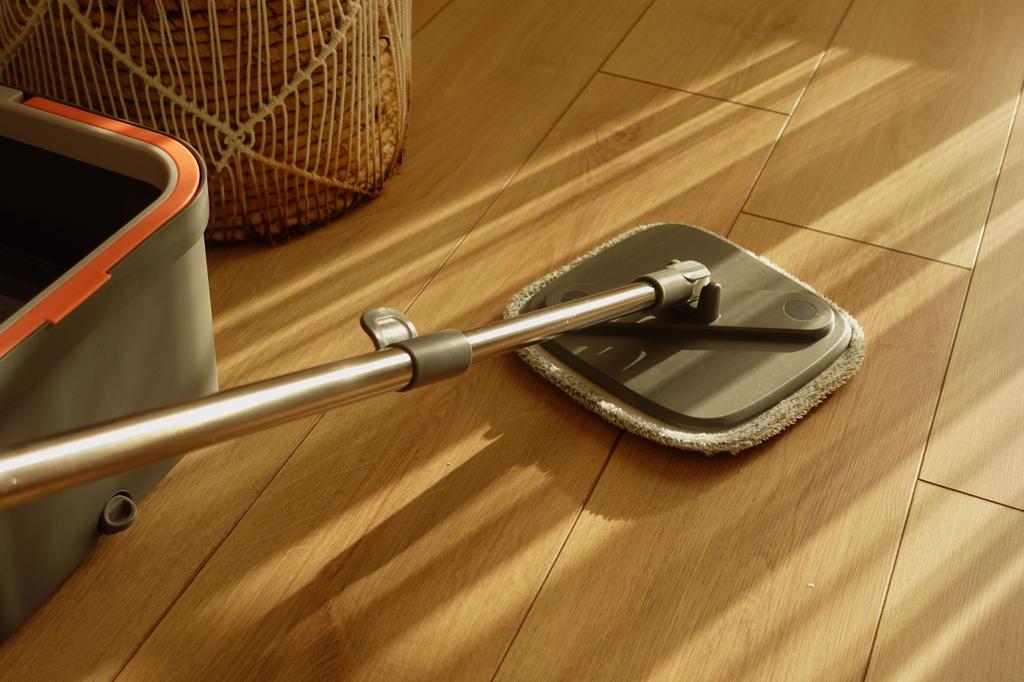
How to Clean Hardwood Floors: Simple Steps for Long-Lasting Shine
Updates & tips
What Is A Backer Rod Used For?
What Is A Backer Rod Used For? A backer rod is used for sealing joints and gaps in various construction projects. It is a round, flexible foam inserted into the joint before an adhesive or sealant is applied. It is also known as pre-formed foam sealant backing or pre-compressed foam backer rod. Using a quality backer rod helps maintain the integrity of the sealant and provides a watertight seal. This article will discuss what a backer rod is and what it is used for. What Is a Backer rod? Backer rods are flexible polyethylene foam rods used to seal joints and gaps in construction projects. The foam is inserted into the joint before an adhesive or sealant is applied. It is designed to provide a watertight seal and maintain the integrity of the sealant. They are usually available in various sizes, ranging from 2mm to 50mm in diameter. They are also easy to install and can be cut to fit the exact size of the joints. What are the Applications of Backer Rods? A backer rod is a versatile and useful tool for professional contractors and DIYers alike. It is most commonly used for creating a closed-cell foam sealant backing for joints in various applications. It also works great for filling in cracks, gaps, and voids. Since it is made from closed-cell foam, it is highly compressible and water-resistant. Available in various sizes, backer rods are suitable to fill small to large joints and gaps. A backer rod is a great way to ensure the sealant forms a uniform layer across the entire joint. At the same time, it provides a backing that prevents the sealant from sagging or running. By providing a uniform backing, a backer rod will also help ensure that the sealant adheres correctly and that the joint remains sealed over time. It also helps keep joints from becoming clogged with dirt and debris. Benefits of Using a Backer Rod This rod type is made from a closed-cell foam material that is highly durable and capable of withstanding various weather conditions. It also has several benefits, making it an ideal choice for waterproofing and sealing projects. Here are seven of the most important benefits of using a backer rod: Easy to Install: Installing a backer rod is easy, making it a great choice for DIYers and professionals. All you need to do is cut the rod to the desired length and then place it into the joint or area that needs to be sealed. Low Maintenance: A backer rod requires very little maintenance once installed. This makes it ideal for those looking for a low-maintenance waterproofing solution. Affordable: Backer rods are relatively inexpensive, making them an affordable option for those on a budget. Durable: The closed-cell foam material that the rods are made of is highly durable and can withstand various weather conditions. This makes it an ideal choice for those who need a long-lasting waterproofing solution. Flexible: The rods are highly flexible, making them suitable for various applications. This makes them an excellent choice for sealing any joint or crack, regardless of size or shape. Versatile: Backer rods are also highly versatile and can be used in various applications, including waterproofing, sealing, and insulation. Environmentally Friendly: The materials used to make the rods are eco-friendly, making them the perfect choice for those looking for an environmentally friendly waterproofing solution. How to Install a Backer rod A Backer rod is a flexible foam rod that cushions between two materials, brick and mortar. It’s a great way to ensure a durable and lasting installation, so it’s essential to do it right. Here are some tips for installing a Backer rod. Measure Twice: Before you begin the installation, measuring the space where the backer rod will be installed is crucial. You want to ensure the backer rod is the right length and size for the space. Measure twice to make sure you get an accurate measurement. Clean the Area: Before you begin the installation, clean the area where the backer rod will be installed. This will help ensure that the backer rod sticks properly. Use a damp cloth or brush to remove any dirt, debris, or other materials stuck to the area. Use Adhesive: Use the right adhesive when installing a Backer rod. Read the instructions on the adhesive’s packaging to ensure you use the right product.
How Sealant Works
How Sealant Works How Sealant Works Sealants are an essential component in many industries, providing an effective solution to protect surfaces, fill gaps, and prevent leaks., we will explore how sealants work, the different types available, and their applications. So, let’s dive into the world of sealants and discover how they contribute to our daily lives. What is a Sealant? A sealant is a viscous material that, when applied to a surface or joint, forms a barrier that prevents the passage of air, water, and other substances. It has adhesive properties, allowing it to bond to various materials while maintaining its flexibility, even after curing. Sealants are used in a wide range of industries, from construction and automotive to aerospace and marine applications. Types of Sealants There are several types of sealants available, each with their unique properties and applications. Some of the most common sealants include: Silicone Sealants Silicone sealants are highly flexible and resistant to temperature changes, making them ideal for both indoor and outdoor applications. They are commonly used in glazing, waterproofing, and sealing joints in buildings. Polyurethane Sealants Polyurethane sealants offer excellent adhesion to various surfaces, such as wood, metal, and concrete. They are widely used in construction, automotive, and marine applications due to their durability and resistance to chemicals and abrasion. Polysulfide Sealants Polysulfide sealants provide excellent resistance to chemicals and solvents, making them ideal for use in industrial environments. They are commonly used for sealing joints in chemical storage tanks, fuel systems, and wastewater treatment facilities. Acrylic Sealants Acrylic sealants are water-based and easy to apply, making them a popular choice for DIY enthusiasts. They are suitable for sealing gaps and joints in interior applications such as doors, windows, and baseboards. How Do Sealants Work? Sealants work through two primary mechanisms: adhesion and cohesion. Adhesion Adhesion is the ability of a sealant to bond to the surface it is applied to. The sealant forms a strong bond with the substrate, preventing the passage of substances between the sealant and the surface. Cohesion Cohesion refers to the internal strength of the sealant itself. A cohesive sealant has enough strength to maintain its integrity and resist deformation, even under pressure or when subjected to external forces. Sealant Application Techniques Proper application of sealants is crucial for achieving the desired results. Some common techniques include: Cleaning and preparing the surface to ensure proper adhesion Using a caulking gun or applicator to dispense the sealant evenly Applying masking tape to protect adjacent surfaces from excess sealant Tooling the sealant to ensure proper contact with the surface and remove air bubbles Allowing the sealant to cure fully before exposing it to any external forces or substances Common Uses of Sealants Sealants are used in a variety of industries, with some of the most common applications including: Construction Sealants are used in construction to seal joints, gaps, and cracks in buildings, ensuring that they remain watertight and airtight. They also provide thermal insulation and can enhance the building’s overall aesthetic appearance. Automotive In the automotive industry, sealants are used to seal engine components, fuel systems, and body panels. They provide protection against leaks, corrosion, and vibrations, contributing to the vehicle’s overall performance and longevity. Aerospace Aerospace applications often require sealants with specific properties, such as resistance to extreme temperatures and exposure to chemicals. Sealants are used in aircraft to seal joints, prevent leaks in fuel systems, and protect sensitive electronics from moisture and contaminants. Marine Marine sealants must withstand constant exposure to water and salt, making them essential for sealing joints in boats and ships. They are used for waterproofing, corrosion protection, and bonding components in marine applications. Benefits of Using Sealants Some key benefits of using sealants include: Providing a barrier against the ingress of water, air, and other substances Enhancing the durability and lifespan of materials Reducing maintenance costs by preventing leaks and corrosion Improving energy efficiency through insulation Enhancing the aesthetic appearance of surfaces and joints Selecting the Right Sealant for Your Project To choose the right sealant for your project, consider the following factors: The type of material you need to bond or seal The environmental conditions the sealant will be exposed to The required performance characteristics, such as flexibility, adhesion, and chemical resistance The ease of application and curing time The cost and availability of the sealant Safety Precautions When Using Sealants When using sealants, it’s essential to take the necessary safety precautions, including: Wearing appropriate personal protective equipment, such as gloves and safety goggles Ensuring proper ventilation when working with solvent-based sealants Following the manufacturer’s instructions for application, curing, and storage Keeping sealants away from open flames and heat sources Properly disposing of used sealant containers and waste materials Conclusion Sealants play a vital role in many industries, providing protection, insulation, and aesthetic enhancements. By understanding how sealants work and selecting the appropriate type for your project, you can ensure the longevity and effectiveness of your applications. Remember to follow safety precautions and consult manufacturers’ guidelines when working with sealants. FAQs How long does it take for a sealant to cure? The curing time for a sealant can vary depending on the type, environmental conditions, and the manufacturer’s recommendations. It can range from a few hours to several days. Can I paint over a sealant? Some sealants are paintable, while others are not. Always check the manufacturer’s instructions to determine if the sealant you are using can be painted over. How often should I reapply sealant? The frequency of reapplication depends on the type of sealant, the environmental conditions it is exposed to, and the wear of the substrate as well as type of sealant used.
Who Invented Sealant?
Who Invented Sealant? Who Invented Sealant? Sealants play a vital role in our everyday lives, from construction and automotive industries to personal care products and electronics. They provide solutions for sealing, bonding, and protecting surfaces against moisture, chemicals, and other environmental factors. Who invented sealant, and how did it evolve over time? In this article, we will explore the history of sealants, their various types, and their impact on modern life. The Evolution of Sealants Natural Sealants in Ancient Times Sealants have been in use since ancient times, with early civilizations using natural materials to seal and protect structures. For example, the Egyptians used beeswax and resin to seal tombs and pottery, while the Romans used a combination of animal fats and oils to create waterproof seals for their ships and buildings. The Emergence of Synthetic Sealants The 19th and early 20th centuries saw the development of synthetic sealants, such as asphalt, rubber, and tar-based compounds. These materials were used extensively in the construction and transportation industries, and their invention paved the way for the development of modern sealants. The Invention of Modern Sealants Polymer-Based Sealants The invention of modern sealants can be attributed to the development of polymer chemistry in the mid-20th century. Scientists and engineers discovered that they could create synthetic polymers with specific properties, which led to the development of a wide range of sealant products. Silicone Sealants Silicone sealants, one of the most versatile and widely used types of sealants, were invented by two chemists: Earle Warrick and Frederick Kipping. Earle Warrick and Frederick Kipping Frederick Kipping, a British chemist, first synthesized silicone in the early 20th century. However, it was Earle Warrick, an American chemist working for Dow Corning, who developed the first commercially viable silicone sealant in the 1940s. The Development of Silicone Sealants Warrick̢۪s initial silicone sealant formulation had impressive adhesion, flexibility, and resistance to temperature fluctuations. Over the years, silicone sealants have been improved and diversified, leading to the wide range of products available today. Different Types of Sealants and Their Applications Acrylic Sealants Acrylic sealants are popular for their ease of use, flexibility, and paintability. They are commonly used in construction for sealing gaps, joints, and cracks in walls, ceilings, and doors. Polyurethane Sealants Polyurethane sealants are known for their excellent adhesion, durability, and resistance to chemicals and abrasion. They are widely used in the automotive, construction, and marine industries for sealing, bonding, and insulating various materials, including metal, wood, and concrete. Epoxy Sealants Epoxy sealants are two-component systems that cure to form a strong, rigid bond with excellent adhesion to a variety of substrates. They are commonly used for heavy-duty applications, such as industrial flooring, concrete repair, and structural bonding in construction. Butyl Sealants Butyl sealants are known for their excellent adhesion to a wide range of materials, flexibility, and resistance to moisture and UV exposure. They are often used in roofing, window glazing, and HVAC applications. The Impact of Sealant Technology on Modern Life Sealant technology has had a profound impact on modern life, enabling the construction of more durable and energy-efficient buildings, safer transportation systems, and a wide range of consumer products. Sealants have also played a crucial role in the development of new technologies, such as solar panels, smartphones, and medical devices. Future of Sealants: Sustainable and Eco-friendly Innovations As environmental concerns become increasingly important, the sealant industry is focusing on developing sustainable and eco-friendly products. This includes using bio-based materials, reducing volatile organic compound (VOC) emissions, and developing sealants that are recyclable or biodegradable. These innovations will help to reduce the environmental impact of sealants and contribute to a more sustainable future. Conclusion The invention of sealants can be traced back to ancient civilizations, but it was the development of polymer chemistry and the work of chemists like Earle Warrick and Frederick Kipping that led to the creation of modern sealants. Today, sealants play an essential role in various industries, providing solutions for sealing, bonding, and protecting surfaces. As we look to the future, sustainable and eco-friendly innovations will help to shape the future of the sealant industry, ensuring that it remains a vital part of modern life. FAQs Who invented the modern sealant? Earle Warrick and Frederick Kipping are credited with the invention of modern silicone sealants. What were some of the earliest sealants used in ancient times? Early civilizations used beeswax, resin, animal fats, and oils as natural sealants for various purposes. Why are silicone sealants so popular? Silicone sealants are popular due to their excellent adhesion, flexibility, and resistance to temperature fluctuations, making them suitable for a wide range of applications. What are some examples of sustainable and eco-friendly sealant innovations? Examples include bio-based materials, sealants with reduced VOC emissions, and recyclable or biodegradable sealants. What industries commonly use sealants? Construction, automotive, marine, electronics, and medical industries are some of the sectors that heavily rely on sealants for various applications