Prefer to talk to a pro?
Call today, and let us connect you with the perfect merchant!
Call today, and let us connect you with the perfect merchant!
About Berryville, VA
Berryville is an incorporated town in and the county seat of Clarke County, Virginia. The population was 2,963 as of the 2000 census. Berryville is located in the upper Shenandoah Valley, 12 miles east of Winchester and 11 miles from the West Virginia border. The area where Berryville now sits was first granted by the Crown to Captain Isaac Pennington in 1734. George Washington is said to have surveyed the area for Pennington, which was originally called "Battle Town". The area is rich in history, the town having once been a headquarters for the Confederate Army, and of course the site of the Battle of Berryville during the American Civil War. Historic buildings still grace the town, including Holy Cross Abbey and a Revolutionary War farmhouse called Soldier's Rest. Famous persons from Berryville include James Noble, the first US Senator of Indiana, and Drew Faust, President of Harvard University.
Best Businesses in Berryville, VA








Prefer to talk to a pro?
Call today, and let us connect you with the perfect merchant!
Call today, and let us connect you with the perfect merchant!
Related articles
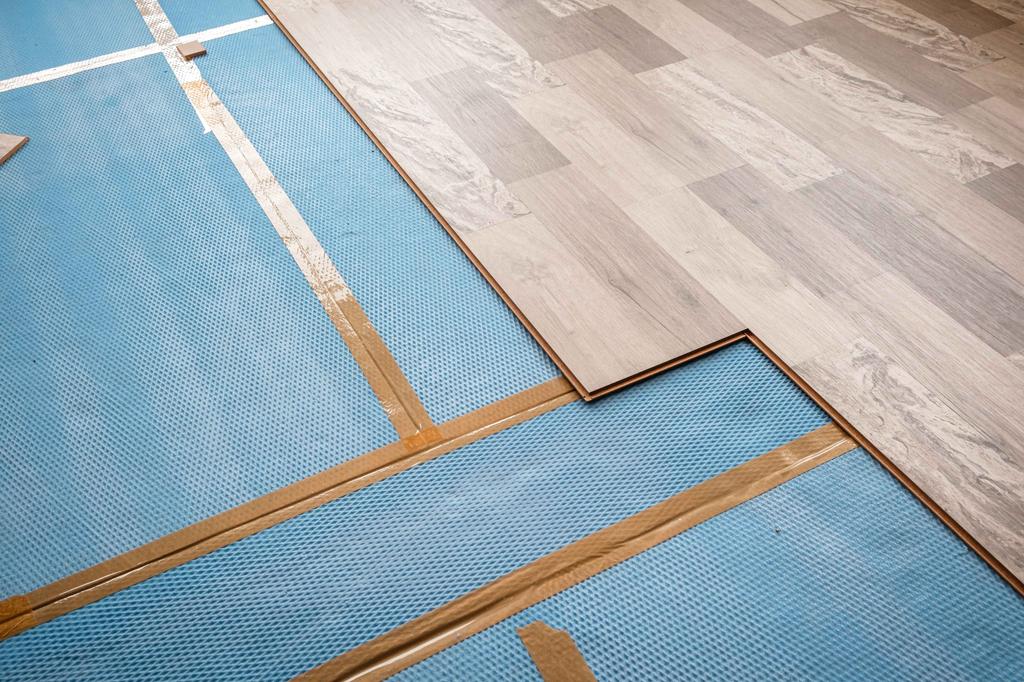
How to Fix Squeaky Floors: Easy DIY Solutions That Actually Work

Landscaping Gravel Types: Pros and Cons
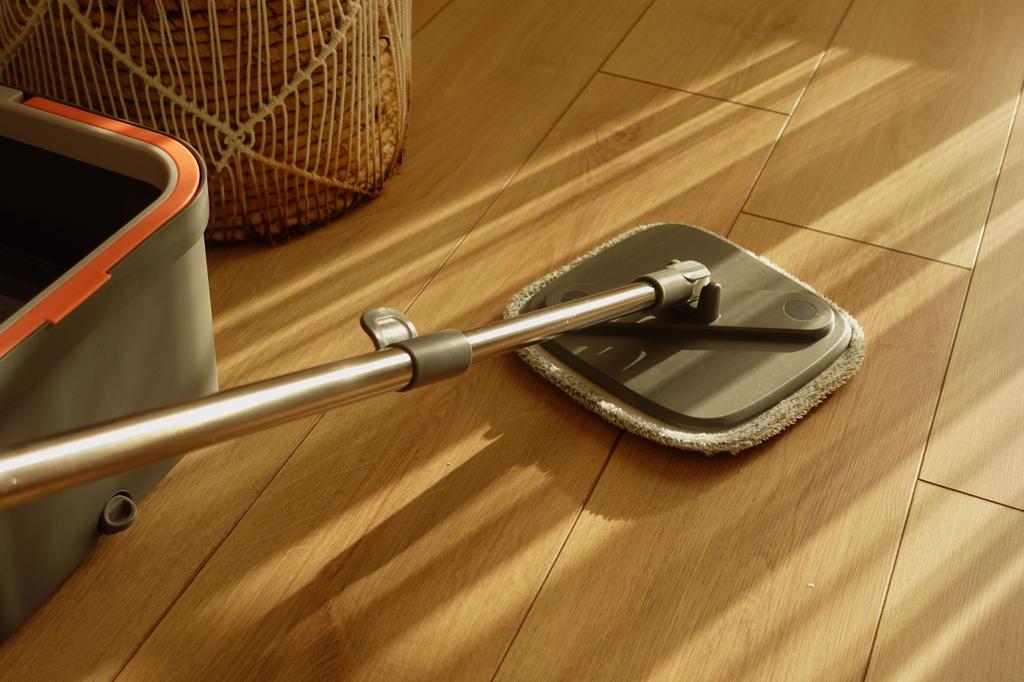
How to Clean Hardwood Floors: Simple Steps for Long-Lasting Shine
Updates & tips
How Long Can Food Stay Fresh in Mylar Bags?
Mylar bags are a popular choice for long-term food storage due to their effectiveness in preserving freshness. But how long can food stay fresh in these bags? In this post, we will explore the benefits of Mylar bags, how they work, and the factors affecting food longevity. Understanding Mylar bags can help you optimize your food storage, whether prepping for emergencies or storing bulk items. If you are looking forMylar Bags, trust PackagingDot for good storage and healthy living. What Are Mylar Bags? Mylar bags are made from a type of polyester film known as Mylar. This material is highly durable and has excellent barrier properties. It is used for storing a variety of items, but it is especially effective for preserving food. They protect against light, moisture, and oxygen, three main factors that can spoil food. How Do Mylar Bags Keep Food Fresh? Barrier Properties It is designed to create a strong barrier against external elements. It blocks out light, which can degrade food over time. It also keeps moisture out, preventing mold and spoilage. The bag's material also prevents oxygen from entering, which helps keep food from becoming hard. Oxygen Absorbers Many people use oxygen absorbers inside Mylar bags to extend food freshness further. These small packets remove any remaining oxygen, creating an environment less helpful to bacteria and mold growth. The absence of oxygen slows down the chemical reactions that cause food to spoil. Read Also:Why use Mylar bags for food storage? Benefits of Using Mylar Bags Using Mylar bags for food storage offers several advantages: Extended Shelf Life One of the main benefits of Mylar bags is their ability to extend the shelf life of food. Mylar bags keep food fresh for years by creating an airtight, light-proof environment. This is especially useful for long-term storage of staples like grains, beans, and freeze-dried foods. Protection Against Pests Mylar bags offer excellent protection against pests such as insects and rodents. The durable material prevents pests from penetrating the bag and contaminating the food inside. This makes it a reliable option for storing food where pests are a concern. Space Efficiency Mylar bags are flexible and can be compressed into various storage spaces. This flexibility allows for efficient use of storage areas, whether organizing a kitchen or preparing emergency food supplies. Cost-Effective While Mylar bags may have a higher initial cost than other storage options, their durability and effectiveness make them cost-effective in the long run. Their extended shelf life and protection can save money by reducing food waste. How Long Can Food Stay Fresh in Mylar Bags? The length of time food stays fresh in Mylar bags depends on several factors, including the type of food, storage conditions, and whether oxygen absorbers are used. Here's a general guide to how long different foods can stay fresh: Grains and Pasta Rice: When stored in Mylar bags with oxygen absorbers, white rice can last up to 30 years. Brown rice, which contains more oil, typically lasts six months to 1 year. Pasta: Pasta can remain fresh for 5 to 10 years when stored in Mylar bags. Dried Beans and Legumes Dried Beans: These can stay fresh for 10 to 20 years in Mylar bags. The exact shelf life depends on the type of beans and storage conditions. Lentils: Lentils can last up to 10 years in Mylar bags as long as they are kept in a cool, dry place. Freeze-Dried Foods These can last anywhere from 10 to 25 years in Mylar bags. Freeze-dried foods are particularly well-suited for long-term storage due to their low moisture content. Powdered Foods Powdered Milk: When stored in Mylar bags, powdered milk can remain fresh for 2 to 10 years. Its shelf life depends on the fat content and storage conditions. Flour: White flour can last up to 10 years in Mylar bags, while whole wheat flour, due to its higher oil content, may only last 1 to 2 years. Tips for Using Mylar Bags for Food Storage To get the most out of Mylar bags and ensure your food stays fresh as long as possible, follow these tips: Choose the Right Size Select Mylar bags that are best suited for your food. Avoid overpacking the bags, as excess air can lead to spoilage. Use Oxygen Absorbers Adding oxygen absorbers to your Mylar bags is important for extending the shelf life of your food. Be sure to use the correct amount based on the bag size and type of food. Store in a Cool, Dry Place It should be stored in a cool, dry place away from direct sunlight. Excessive heat or humidity can compromise the bag's effectiveness and reduce food shelf life. Seal Properly Make sure that bags are sealed properly to prevent any air or moisture from getting inside. Use a heat sealer to create an airtight seal. Label Your Bags Always label your bags with the date of storage and the contents. This helps you track what's inside and when it should be used. Inspect Regularly Periodically check your stored food to make sure that the bag is intact and the food remains fresh. If you notice any signs of damage or spoilage, take appropriate action. Common Mistakes to Avoid Not Using Oxygen Absorbers Skipping oxygen absorbers can significantly reduce the effectiveness of Mylar bags. Always include them to maximize freshness. Improper Sealing Improper sealing can lead to air and moisture entering the bags, spoiling the food. Make sure to seal the bags thoroughly. Storing in Inappropriate Conditions Storing Mylar bags in areas with high humidity or changing temperatures can affect their performance. Choose a stable environment for the best results. Summary Mylar bags are the best solution for long-term food storage. By providing a solid barrier against light, moisture, and oxygen, they help keep food fresh for many years. Understanding how long different types of food can stay fresh in Mylar bags and following proper storage practices can ensure that your food remains safe and tasty. If you're considering using Mylar bags for food storage, remember to use them correctly and maintain proper conditions. With the right approach, you can enjoy the benefits of extended food shelf life and peace of mind, knowing your food is well-preserved.
Are We Organic?
We get this question often. We are not 100% organic but that doesn’t mean that we aren’t careful or safe when it comes to growing food not only for you, our customers, but also for our own family. We have been as concerned as any other family with children and pets about how to grow tasty food that is free from harmful chemicals while also yielding a good product. With Bill’s experience in the agricultural world, we feel that we have had an opportunity that many ‘newer to farming’ local farmers have not had regarding first hand knowledge in how all of the chemicals (everything IS a chemical after all) synthetic and naturally occurring can help or hinder proper food growth. We do use some of the safer organic chemicals, but didn’t want to limit ourselves from being able to use newer pest control methods that are safer to mammals and the environment than some of the organic materials. These methods include mating disruption, insect viruses (that only affect worms), and fermentation products that are in the safety range of beer. Believe it or not some of these materials haven’t received organic registration at this time. Organic growers can still use antibiotics on their produce along with organic forms of insecticides (plant extracts, etc.) many of which kill the beneficial insects that are trying to eat the bad bugs for us. We don’t use organophosphate or carbamate insecticides, which are considered to be longer lasting and more harmful to our environment. We do use some synthetic pyrethroids. These are the same materials that we apply to our pets for flees and to ourselves for ticks and mosquitoes. They are rapidly broken down into harmless plant type materials by the sun. When we make choices regarding any pest control system on our farm we always take into consideration the effect on the food, the soil and surrounding environment, any animals that may come into the area, and of course, how our human bodies may respond. Many of the pest control systems available to us today manage the reproduction of the insect by simply not allowing the males to find the female. Even many of these methods have not yet been approved by the organic governing body.
Pest Management & Beneficial Insects
Organic Isn’t Always Best When deciding how to manage pests we considered organic, but we were discouraged at some of the chemicals used and their effects on the environment. Keep in mind that all substances have a chemical make up so we will not refer here to chemicals as bad and natural as good. Some organic chemicals can use high rates of copper for disease control. However the high amounts of copper alters the soil chemistry and remains in the soil for many years. Other organic methods include the use of antibiotics like streptomycin for bacterial diseases. Beneficial Insects Versus Pests Many organic insecticides are harmful to our beneficial insects. By reducing the insects that feed on the bad bugs we are asking for trouble. There is a pretty good chance that the insect that we were trying to control will come back with a vengeance having no predator insects to help keep them in check. Our goal is to not spray at all, but if we have to we will only use materials that will not linger in the soil, air, or water and will leave no residue on the food. We have used insect viruses that only kill the worm that likes eating fruit and is then completely broken down by the sun. Another method we use is mating disruption. This method uses a pheromone that blocks the female moth’s scent so that the male cannot find her. We are sure that this must be frustrating for the moths, but it greatly reduces the next generation from feeding on our fruit.