Prefer to talk to a pro?
Call today, and let us connect you with the perfect merchant!
Call today, and let us connect you with the perfect merchant!
About Mc Lean, NY
Seneca Castle is a community located in Ontario County, New York. Some of the businesses located within the community are Randolph Well & Pump Co. Inc. and Munsons Auto Sales. Children between the ages of 4 to 6 can attend preschool at Mc Lean Head Start-Tompkins County, while older children attend school at Groton Central School Elementary School, Groton Central School Middle School or Groton Central School High School in the nearby town of Groton. As a visitor to Mc Lean, you won't want to miss dining at The Elm Tree Inn.
Best Businesses in Mc Lean, NY


Prefer to talk to a pro?
Call today, and let us connect you with the perfect merchant!
Call today, and let us connect you with the perfect merchant!
Related articles

How to Fix Squeaky Floors: Easy DIY Solutions That Actually Work

Landscaping Gravel Types: Pros and Cons
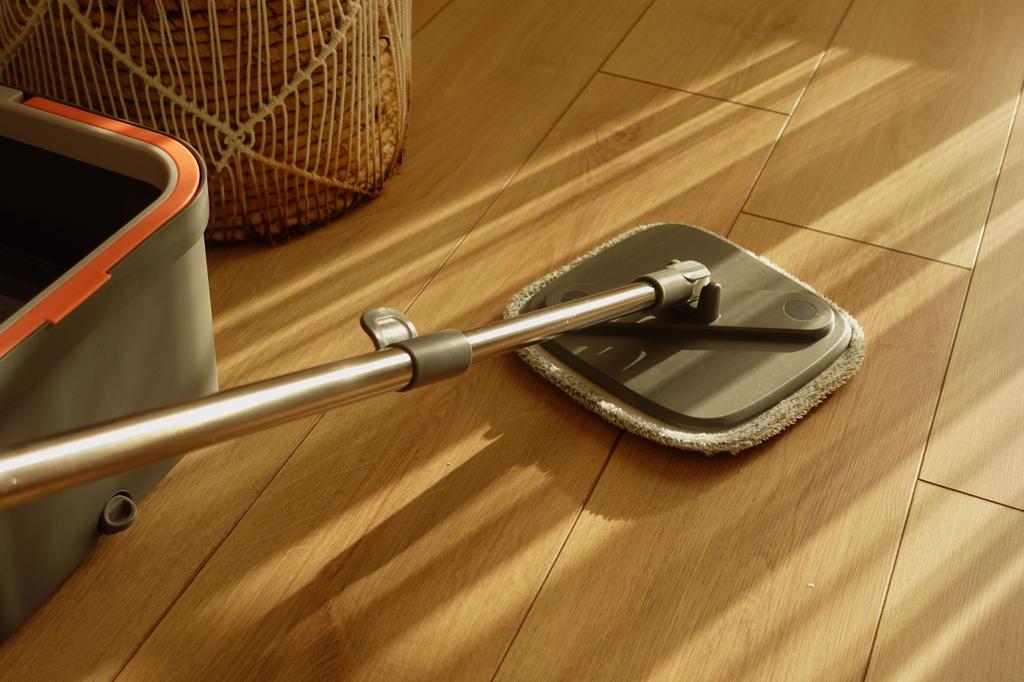
How to Clean Hardwood Floors: Simple Steps for Long-Lasting Shine
Updates & tips
Comparing Rexroth Hydraulic vs. Electric Solutions: Pros and Cons
In the world of industrial automation and motion control, the debate between hydraulic and electric solutions has been ongoing for decades. As technology advances, both options continue to evolve, making the choice increasingly complex. Rexroth, a Bosch company, is at the forefront of both hydraulic and electric systems, offering cutting-edge solutions in both domains. Let's dive into the pros and cons of each, helping you navigate this crucial decision for your next project. The Evolution of Power Transmission Before we jump into the comparison, it's worth taking a moment to appreciate how far we've come. I remember visiting my grandfather's workshop as a kid, marveling at the massive hydraulic press he used for his woodworking projects. The raw power was impressive, but the noise and occasional oil leaks were less than ideal. Fast forward to today, and we're discussing precision control systems that can be operated with the touch of a finger on a smartphone. It's truly remarkable how both hydraulic and electric technologies have advanced. Hydraulic Solutions: The Power Players Pros: 1. Unmatched Power Density: Hydraulic systems excel when it comes to raw power in a compact package. For applications requiring high force in a small space, hydraulics often reign supreme. I once saw a hydraulic system lift an entire building – try doing that with an electric motor! 2. Durability and Reliability: Hydraulic systems are built tough. They can withstand harsh environments, shock loads, and continuous heavy-duty cycles. If you need something that'll keep working in a dusty, vibration-prone environment, hydraulics might be your best bet. 3. Smooth, Precise Motion: Despite their reputation for brute force, modern hydraulic systems can provide incredibly smooth and precise motion control. Rexroth's advanced servo-hydraulic systems offer precision that rivals many electric solutions. 4. Natural Overload Protection: Hydraulic systems have a built-in safety feature – when overloaded, they simply stall rather than burn out. This can be a lifesaver in unpredictable operating conditions. 5. Flexible Design: Hydraulic power can be easily transmitted over distances and around obstacles using simple hoses and pipes. This flexibility can be a game-changer in complex machine designs. Cons: 1. Energy Efficiency Concerns: Let's face it – traditional hydraulic systems aren't known for their energy efficiency. While modern systems have improved significantly, they still typically consume more energy than comparable electric systems. 2. Maintenance Requirements: Hydraulic systems need regular maintenance to prevent leaks and ensure optimal performance. Anyone who's had to track down a hydraulic leak knows it can be a messy, time-consuming process. 3. Noise Levels: Hydraulic pumpscan be noisy, which might be an issue in certain environments. However, newer designs have made significant strides in noise reduction. 4. Environmental Concerns: The potential for oil leaks and the need for proper fluid disposal can raise environmental concerns. However, biodegradable hydraulic fluids are becoming more common, mitigating some of these issues. Electric Solutions: The Precision Performers Pros: 1. Energy Efficiency: Electric systems generally offer superior energy efficiency. In an age where every kilowatt-hour counts, this can translate to significant cost savings over time. 2. Precision and Controllability: Electric drives excel in applications requiring extremely precise motion control. The ability to quickly and accurately control speed, position, and torque makes them ideal for many modern manufacturing processes. 3. Clean and Quiet Operation: Without hydraulic fluid, electric systems eliminate the risk of oil leaks and are typically much quieter. This makes them well-suited for clean environments or noise-sensitive applications. 4. Low Maintenance: Electric systems generally require less maintenance than hydraulic ones. No oil changes, fewer moving parts, and less potential for leaks mean more uptime and lower ongoing costs. 5. Easy Integration with Control Systems: In our increasingly digital world, electric systems often integrate more seamlessly with modern control and IoT systems. This can simplify overall system design and improve data collection for predictive maintenance. Cons: 1. Lower Power Density: While improving, electric systems still can't match hydraulics when it comes to power-to-size ratio. For applications requiring extremely high force in a compact package, hydraulics often still have the edge. 2. Higher Initial Costs: The upfront cost of electric systems, especially for high-power applications, can be significantly higher than comparable hydraulic systems. However, lower operating costs often offset this over time. 3. Cooling Requirements: Electric motors generate heat and may require additional cooling systems in high-duty cycle applications. This can add complexity and cost to the overall system design. 4. Limited Overload Capacity: Unlike hydraulic systems that can stall safely when overloaded,electric motorscan be damaged if pushed beyond their limits. This necessitates careful sizing and the inclusion of protective measures. Making the Choice: It's Not Always Black and White As an engineer who's worked with both systems, I can tell you that the choice between hydraulic and electric solutions is rarely straightforward. It often comes down to the specific requirements of your application, budget constraints, and even personal preference or familiarity. Rexroth's Hybrid Approach: The Best of Both Worlds? Interestingly, Rexroth has been pioneering hybrid systems that combine the strengths of both hydraulic and electric technologies. These systems use electric drives to powerhydraulic pumps, offering the precision and efficiency of electric systems with the power density of hydraulics. It's an exciting development that could reshape the landscape of motion control. Conclusion: Embracing the Future While Respecting the Past As we look to the future, it's clear that both hydraulic and electric solutions have their place in modern industry. The key is to understand the strengths and weaknesses of each and choose the right tool for the job. Rexroth's commitment to innovation in both fields ensures that whichever path you choose, you'll have access to cutting-edge technology. Remember, the best solution isn't always the newest or the most powerful – it's the one that best meets your specific needs. Whether you're upgrading an existing system or designing something entirely new, take the time to thoroughly evaluate your options. Consult with experts, run the numbers, and don't be afraid to think outside the box. In the end, whether you go hydraulic, electric, or even hybrid, the goal remains the same: to create efficient, reliable, and effective systems that drive industry forward. And isn't that what engineering is all about? Would you like me to expand on any particular aspect of this comparison or provide more specific examples?
The Ultimate Guide to Rexroth Pumps: Everything You Need to Know
What is a Rexroth Hydraulic Pump and How Does it Work? A Rexroth hydraulic pump is a precisely engineered fluid power component that converts mechanical energy into hydraulic fluid flow and pressure for powering industrial machinery. Inside the pump, a series of pistons draw low-pressure fluid from a reservoir into a cylinder block as they move back and forth. The fluid gets trapped as the pistons move forward, creating flow that gets intensified to high pressures capable of doing significant work. Rexroth offers many pump configurations optimized for factors like installation space, noise level, and efficiency. But all Rexroth pumps provide the reliable and versatile hydraulic power vital for controlling heavy loads. Understanding the Key Features and Advantages of Rexroth Hydraulic Pumps Trusted for quality and innovation for over 50 years, Rexroth hydraulic pumps provide: • Robustness:Durable designs withstand harsh conditions and contamination • Precision:Consistent pressures and flow rates enable accurate load control • Efficiency:Engineered for better energy utilization and heat dissipation • Controllability:Advanced models allow variable displacement for flow adjustment • Quiet Operation:Low noise models ideal for sensitive work environments • Compactness:Space-saving envelope designs maximize flexibility The Different Types and Applications of Rexroth Hydraulic Pumps Rexroth offers extensive pump configurations and options. Common types include: Axial Piston Pumps:Provide high pressures in compact, multi-functioning designs ideal for challenging mobile uses. Gear Pumps:Reliable internal gear models offering simple operation widely used across industries. Vane Pumps:Fixed or variable vane designs used in lighter industrial duties. Piston Pumps:Robust external gear pumps capable of very high pressures suited for intensive demands. How to Select the Right Rexroth Hydraulic Pump for Your Specific Needs Choosing the idealRexroth hydraulic pumpsdepends on: •Application requirements:Load capacity needs, desired pressures/flow rate, operating speeds, and efficiency goals. •Installation factors:Available space and orientation limitations, environmental conditions, desired noise level. •Functional demands:Degree of flow/pressure adjustability needed and desired pump controls. The wide Rexroth model range allows catering pumps precisely to individual hydraulic system needs for optimal performance. Tips for Proper Maintenance and Troubleshooting of Rexroth Hydraulic Pumps To sustain trouble-free operation: • Perform regular oil changes/filtration to avoid internal wear from particulates • Ensure shaft alignment and check pump/motor couplings for issues • Watch for high operating temperatures, pressure variations and abnormal noise • Test pump flow rate/pressure periodically to catch early signs of wear Following Rexroth maintenance specs and identifying problems early on maximizes hydraulic pump reliability and lifespan. Following Rexroth maintenance specs allows their hydraulic pumps to sustain reliability when powering components likeRexroth Hydraulic Motors. Identifying issues early on maximizes lifespan.
Advantages and Disadvantages of Hot and Cold Forging- A brief analysis
Forging is fundamentally the process of shaping a metal for creating a shape using precise and specialized tools and equipment. The desired predetermined shape is realized using hot forging or cold forging. Forging improves the metal structure by refining its grain size; no other deformation process is capable of developing such an optimal combination of properties. Aluminium Forging takes aluminium as the raw material and subjects it to hot deformation in order to refine the metallurgical structure. The forging process is classified into 3 major processes: hot, warm and cold. For the purpose of discussion, we will try to explain Hot and Cold forging in this article. Hot Forging As the name suggests, hot forging employs extreme amount of heat for fabricating parts. Aluminium and al-alloys need an average temperature range of 360 to 520 degrees Celsius while Copper and its alloys require 700 to 800 degree Celsius of heat for molding. Such a high temperature is necessary to avoid strain hardening of metal during the deformation process. Also important is to bring the process of Isothermal Forging that is used for super alloys to prevent oxidation of certain metals. Isothermal forging is hot forging within a controlled environment- as if working in a vacuum. Hot Forging is typically used to fabricate parts that are used in the technical field and for metals that are characterized by a high formability ratio. Major advantages of hot forging include increased ductility, more flexibility vis-à-vis cold forging and an excellent surface quality that results in a wider range of finishing work such as polishing, painting or coating as per individual requirement. Among the disadvantages of hot forging process are a less precise dimensional tolerance and possible warping of the material if the cooling process is not performed carefully and under special conditions. There also is the lurking possibility of metal reacting with the surrounding atmosphere; hence it is advisable to take every possible precaution during the hot forging process. Cold Forging It’s the process of deformation where the process is carried out below the recrystallization point. Before the name conjures up images of ice and snow, it will be prudent to remind that the process is carried out at room temperature, and usually with soft metals like aluminium and carbon alloy steels. Most well-known among cold forging is the process called Impression Die Forging where the metal after being placed in a die is hammered by continuous strokes to force it into the die and form the desired shape. Quite often, the cold forged aluminium piece is heat treated to increase strength- the process is called Tempering. Cold forged products require very little or no finishing, thus saving on substantial costs as compared to hot forging. Another portion of savings ensue due to the precise shape possible with cold forging. These two major advantages combine with high production rate and long die life have converted many a manufacturers from hot to cold forging. As the saying goes- everything cheaper is not always preferred. The main disadvantage of cold forging is that it can only forge simple shapes in high volume. Hence if a customer is looking at a highly customized shape, cold forging will have to hibernate to cold storage. Corollary to the first point is the fact that cold forged products are less ductile than hot forged components. The main difference between hot and cold forging is strain hardening. While hot forging provides optimum strength and increased ductility, cold forging imparts strain hardening at room temperature. The choice between the two is usually dependent on economic rather than quality concerns- a simple product with high volume is an obvious candidate for cold forging while a complex customized component will require hot forging. Pyrocast India is qualified to provide both types of forging solutions based on customer requirements. We make it a point to discuss the possibilities and articulate suggestions accordingly.